
Cats vomit, and a widely held belief is that this is simply what cats do. That belief is why chronic conditions go untreated for years.
Occasional vomiting in an otherwise well cat is common. Frequent vomiting is not normal, and it warrants investigation rather than acceptance.
This guide covers where that line sits and what to bring to the vet. Diagnosis belongs with them.
Vomiting versus regurgitation
These look similar and mean different things, and telling them apart genuinely helps your vet.
| Vomiting | Regurgitation | |
|---|---|---|
| Effort | Active heaving, abdominal contractions | Passive, food simply comes back |
| Warning | Drooling, restlessness beforehand | Little or none |
| Timing | Any time after eating | Usually soon after eating |
| Appearance | Partly digested, may contain bile | Undigested, often tube-shaped |
| Common causes | Many, from hairballs to illness | Eating too fast, oesophageal issues |
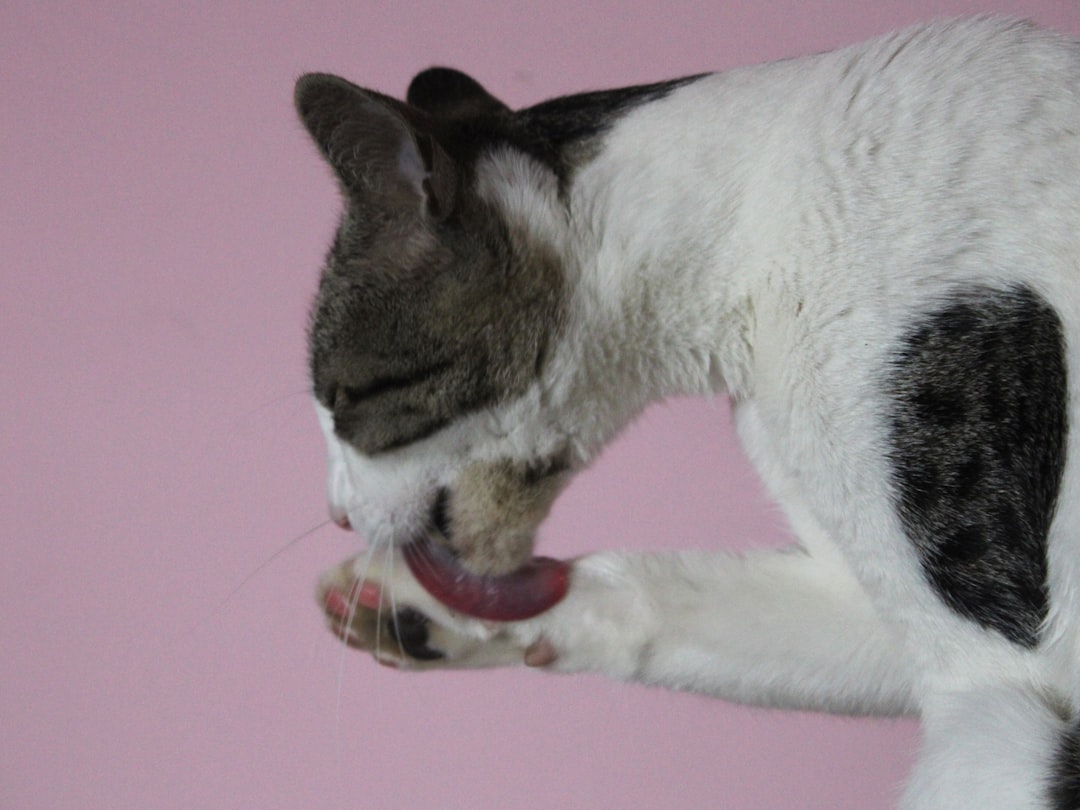
A cat that gulps a meal and brings it straight back undigested is usually regurgitating, which is often fixed with smaller portions or a slow feeder.
How often is too often?
There is no universal threshold, but useful working guidance exists.
- More than about once a month, consistently, warrants investigation.
- Any vomiting alongside weight loss needs a vet.
- Vomiting plus reduced appetite needs a vet.
- Several episodes in a day needs same-day attention.
- A single episode in a bright, eating cat — monitor.
The pairing that matters most is vomiting plus weight loss. That combination points toward chronic disease rather than a passing upset.
The common causes
Hairballs
Genuine, but over-blamed. Occasional hairballs are normal; frequent ones suggest either excessive grooming or an underlying motility problem.
Regular brushing removes hair before it is swallowed. Our guide to hairballs and shedding and grooming guide cover prevention.
Eating too fast
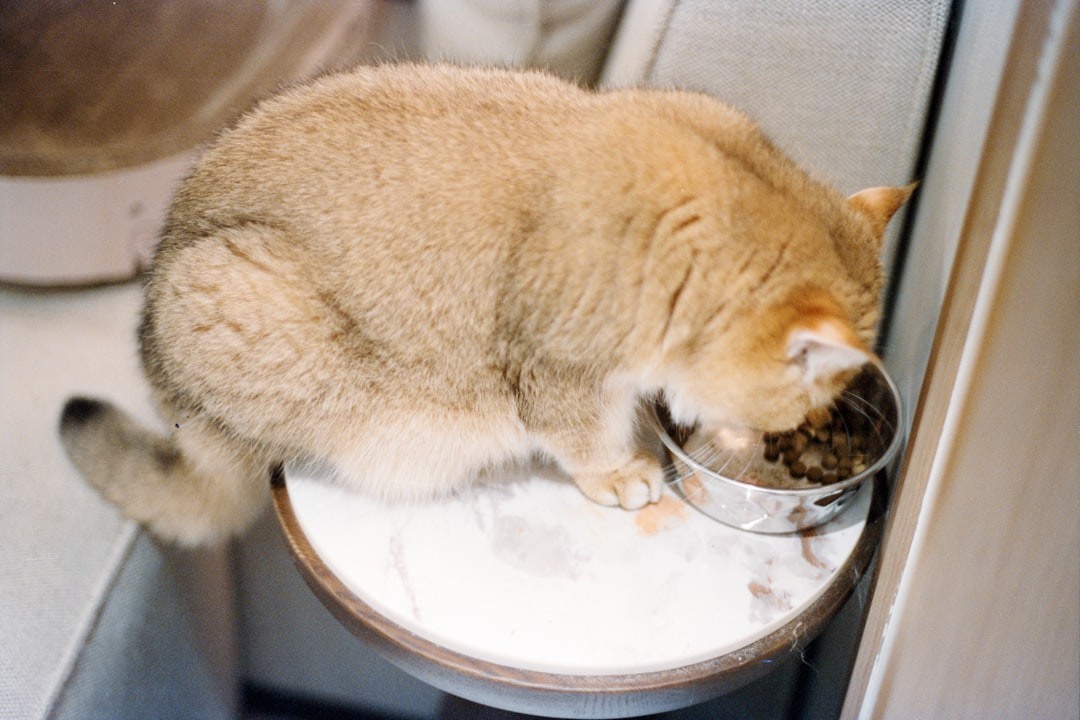
Common in multi-cat households where competition drives speed. Smaller portions, separate feeding and puzzle feeders all help.
Dietary change or intolerance
Abrupt food changes commonly cause vomiting. Transition over five to seven days. Genuine food allergy exists but is less common than assumed.
Chronic conditions
Inflammatory bowel disease, pancreatitis, hyperthyroidism, kidney disease and intestinal lymphoma all present with recurrent vomiting.
These are precisely why persistent vomiting should not be accepted as normal. Our guides to hyperthyroidism and kidney disease cover two of them.
Foreign bodies and toxins
String, hair ties, ribbon and plant material cause obstruction. Lilies and human medications cause toxic vomiting and are emergencies.
Our guide to cat-safe and toxic plants covers the household audit.
Red flags: go now
| Sign | Concern |
|---|---|
| Repeated vomiting with lethargy | Obstruction, toxicity, systemic illness |
| Unproductive retching | Possible obstruction |
| Blood in vomit | Ulceration or bleeding |
| Known string ingestion | Linear foreign body — surgical emergency |
| Vomiting plus not eating 24 hours | Urgent regardless of cause |
| Abdominal pain or swelling | Urgent |
| Vomiting in a kitten | Escalate faster — minimal reserves |

String is the one to act on hardest. A linear foreign body can saw through the intestine and is major surgery — never pull a visible thread from either end.
Our guide to emergency vet care for cats in Fresno covers out-of-hours options.
What to bring to the appointment
Vomiting has too many causes to diagnose by description alone, but good information narrows it considerably.
- How often, over what period, with dates.
- What the vomit looks like — a photograph is genuinely useful.
- Timing relative to eating.
- Whether the cat is eating, drinking and using the litter box normally.
- Any weight change, ideally with figures.
- What the cat eats, including treats and anything scavenged.
- Access to plants, string, medication or the outdoors.
The Merck Veterinary Manual pet owner section covers the differential causes clinically.
What not to do
- Do not withhold food for days — fasting itself is dangerous in cats.
- Do not give human anti-sickness or painkillers.
- Do not switch foods repeatedly, which confuses the picture.
- Do not assume hairballs without checking grooming and coat.
- Do not pull at any string protruding from either end.
The fasting point is important. Our guide to why a cat stops eating covers hepatic lipidosis, which makes prolonged fasting genuinely risky.
Practical steps for occasional vomiting
For a cat that is otherwise well and vomits infrequently, a few changes are worth trying while you monitor.
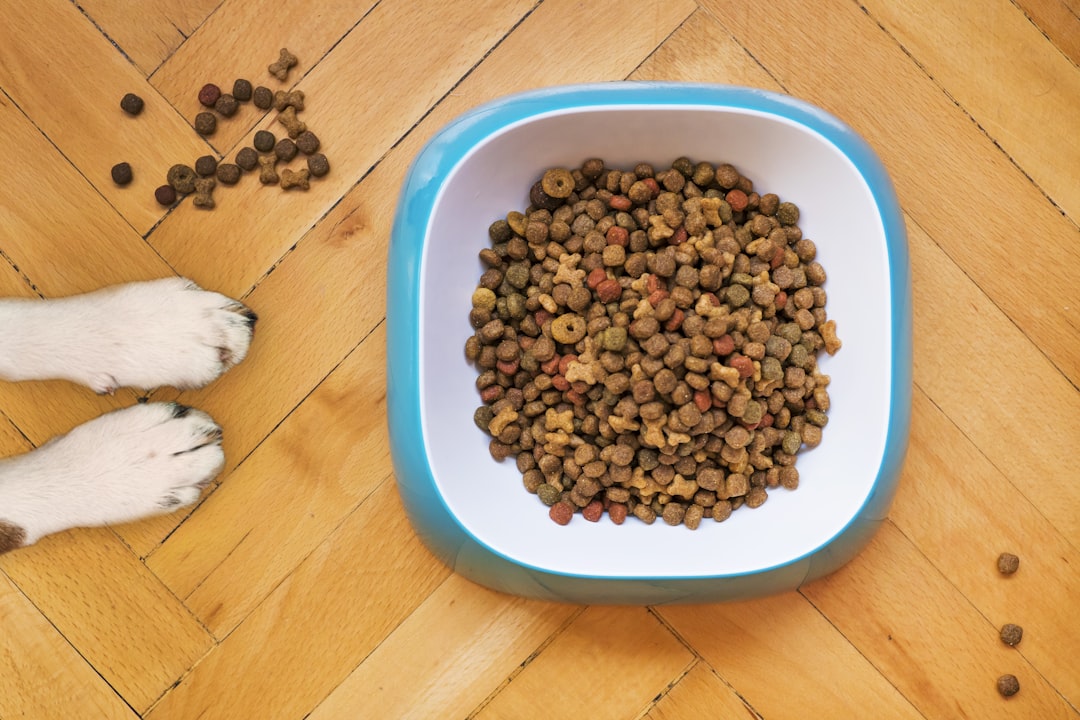
Feed smaller portions more often, slow fast eaters with a puzzle feeder, brush regularly, transition any food change gradually, and remove string-like hazards from the house.
Keep a simple log with dates. If it continues beyond a few weeks, that log turns a vague complaint into useful clinical information.
Our guide to how often a cat should see the vet covers where this fits into routine care.
Practical changes worth making
While you arrange a vet appointment, a few adjustments address the most common non-medical causes.
| Change | Addresses |
|---|---|
| Smaller, more frequent meals | Eating too fast, regurgitation |
| Puzzle feeder or slow bowl | Gulping dry food |
| Separate feeding in multi-cat homes | Competition-driven speed |
| Regular brushing | Swallowed hair |
| Gradual food transitions over 5–7 days | Dietary upset |
| Removing string, ribbon and hair ties | Foreign body risk |
Feeding several small portions instead of one or two large ones resolves a surprising share of ordinary vomiting, particularly in cats that eat quickly.
Keeping a useful log
Vomiting is difficult to describe accurately from memory, and vets make better decisions with a record.
Note the date, roughly how long after eating, what the vomit contained, and whether the cat was otherwise normal that day. A photograph is genuinely useful.
Over a few weeks that log distinguishes an occasional hairball from a pattern needing investigation. Our guide to how often a cat should see the vet covers what else to track between appointments.
Vomiting in kittens
Kittens deteriorate far faster than adults, and the thresholds that apply to a grown cat do not apply to them.
A kitten has minimal energy and fluid reserves, so repeated vomiting causes dehydration within hours rather than days. Contact a vet the same day rather than monitoring overnight.
Common causes in kittens include worms, dietary change, eating something inappropriate, and infectious disease. Our guide to intestinal worms in cats covers the parasite side, which is near-universal in young kittens.
Straining is the sign most easily confused, and getting it wrong is dangerous. Our guide to constipation in cats covers how to tell it apart from urinary blockage, which is fatal within a day or two.
Frequently Asked Questions
Is it normal for cats to vomit regularly?
No. Occasional vomiting in an otherwise well cat is common, but frequent vomiting — more than about monthly — is not normal and warrants investigation rather than acceptance.
What is the difference between vomiting and regurgitation?
Vomiting involves active heaving and abdominal effort, often with drooling beforehand. Regurgitation is passive, usually soon after eating, and brings up undigested, often tube-shaped food.
When is cat vomiting an emergency?
Repeated vomiting with lethargy, unproductive retching, blood in the vomit, known string ingestion, vomiting plus not eating for 24 hours, or abdominal pain all need urgent veterinary attention.
Are hairballs a normal cause of vomiting?
Occasionally, yes — but they are over-blamed. Frequent hairballs suggest excessive grooming or an underlying motility problem, and regular brushing removes hair before it is swallowed.
What should I do if my cat swallowed string?
Treat it as an emergency and never pull at any thread protruding from either end. A linear foreign body can saw through the intestine and usually requires surgery.
Should I withhold food if my cat is vomiting?
Not for long. Prolonged fasting in cats risks hepatic lipidosis, a serious liver condition. Contact a vet rather than waiting it out, particularly if the cat is not eating at all.