
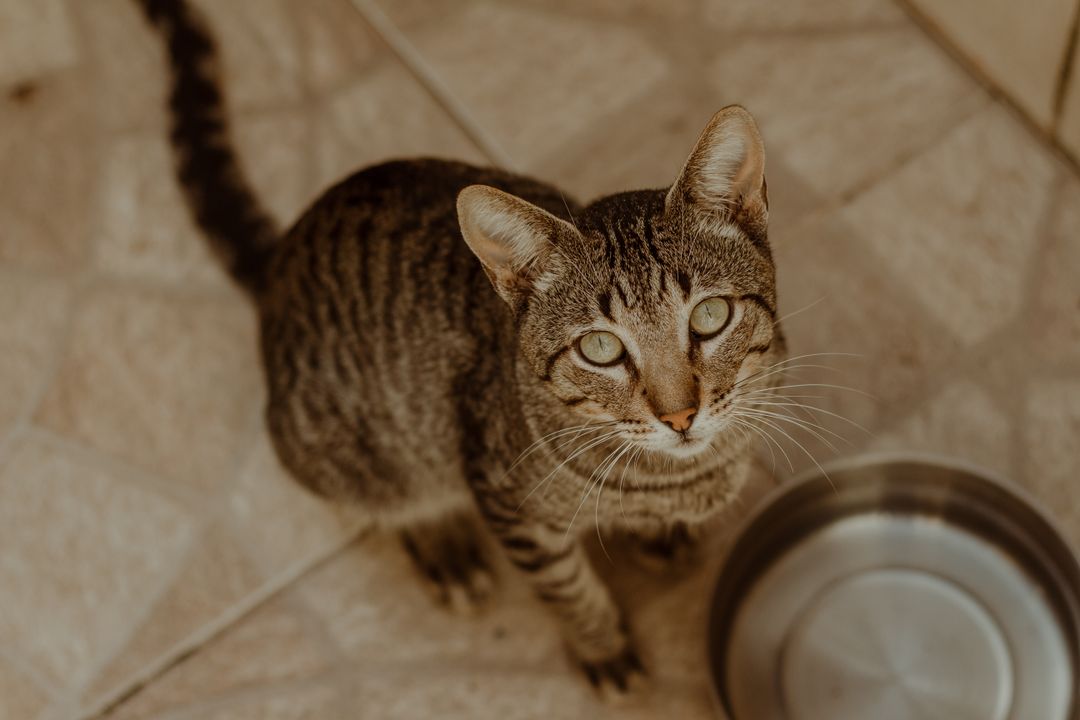
A dog that skips a meal is usually fine. A cat that skips meals is a different situation, and the timeline is much shorter than most owners realise.
If your cat has not eaten for 24 hours, call your vet. That is the headline, and everything below explains why it is not an overreaction.
Why 24 hours matters
Cats that stop eating are at risk of hepatic lipidosis, sometimes called fatty liver disease.
When a cat stops taking in calories, the body mobilises fat reserves and sends them to the liver. Feline livers process fat poorly, and it accumulates faster than it can be cleared — causing liver failure.
It can develop within a few days of not eating, and overweight cats are at highest risk because they have more fat to mobilise.

This is why “wait and see for a few days” is genuinely dangerous advice for cats. The fasting itself becomes a separate, serious problem on top of whatever caused it.
The timeline
| Duration without eating | Concern level | Action |
|---|---|---|
| One missed meal, otherwise normal | Low | Monitor closely |
| 12 hours | Watch carefully | Try tempting food, check for other signs |
| 24 hours | Call the vet | Book an appointment |
| 24 hours plus lethargy or vomiting | Urgent | Same-day veterinary attention |
| 48 hours | Serious | Veterinary attention now |
| Any duration in a kitten | Urgent | Kittens have no reserves |
Kittens are a special case throughout. They have minimal energy reserves and deteriorate quickly, so the adult 24-hour rule does not apply to them.
Common causes
Appetite loss is a symptom rather than a diagnosis, and the list is long. These are the ones seen most.
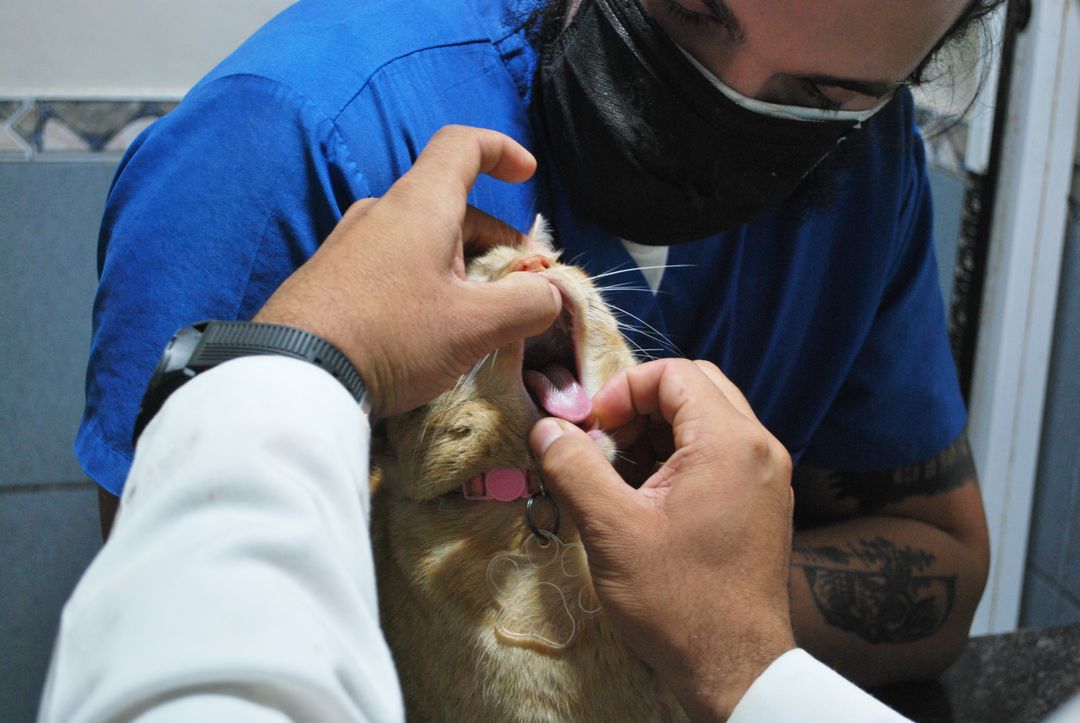
Dental and oral pain
Extremely common and easy to miss. Cats frequently keep trying to eat, drop food, chew on one side, or approach the bowl and walk away.
Our cat dental health guide covers the signs worth checking.
Kidney disease and hyperthyroidism
Both are common in older cats and both affect appetite, often alongside increased drinking or gradual weight loss.
Gastrointestinal problems
Foreign bodies, inflammatory bowel disease and pancreatitis all present with appetite loss, frequently with vomiting.
Stress and change
New home, new pet, building work, a household member leaving, or a change in routine can all suppress appetite. This is real, but it is a diagnosis of exclusion rather than an assumption.
Food-related causes
An abrupt brand change, spoiled wet food left out in warm weather, or a bowl in a location the cat now avoids.
The Merck Veterinary Manual pet owner section covers the clinical causes in detail.
What to check at home
- Is the cat drinking? Not drinking is more urgent than not eating.
- Is it using the litter box normally, and producing urine?
- Any vomiting, diarrhoea, drooling or bad breath?
- Is it hiding, or reluctant to be handled around the head?
- Has anything changed — food, household, routine, another pet?
- Weigh the cat if you can, and compare against previous figures.
Straining in the litter box without producing urine is an emergency in male cats regardless of appetite, and needs immediate veterinary attention.
Tempting a cat to eat
These are worth trying while you arrange an appointment — not instead of one.
| Technique | Why it works |
|---|---|
| Warm wet food slightly | Releases aroma; cats eat by smell first |
| Offer strong-smelling food | Tuna or sardine in spring water, briefly |
| Hand-feed a small amount | Overcomes reluctance to approach the bowl |
| Move the bowl somewhere quiet | Removes competition or disturbance |
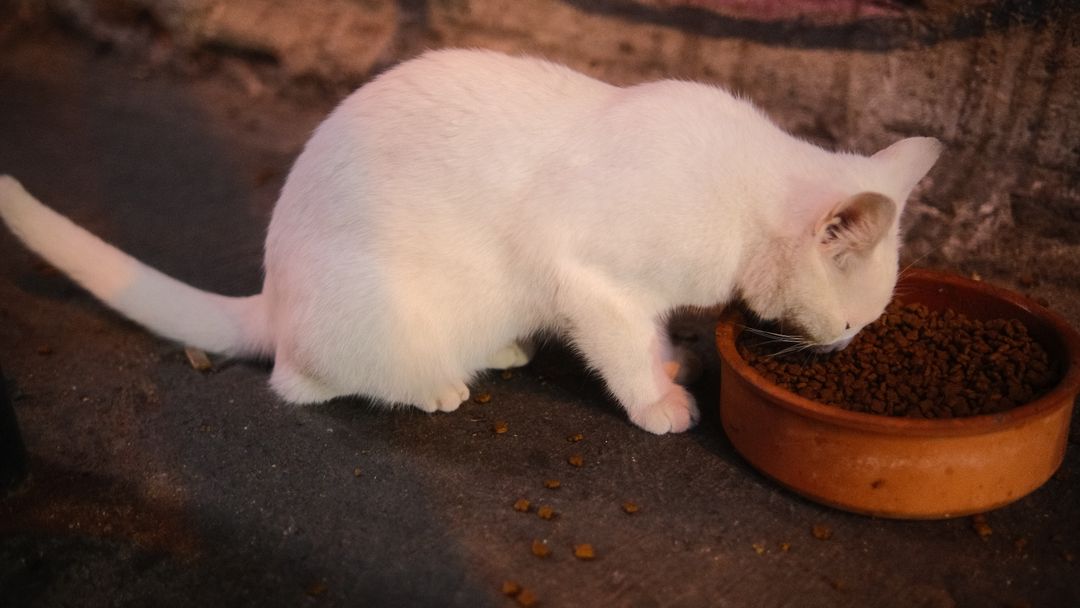
| Use a wide, shallow dish | Avoids whisker contact with the sides |
| Offer small amounts frequently | Less overwhelming than a full bowl |
Warming food is the most effective single trick. Cats assess food by smell before taste, and a cold refrigerated portion has very little aroma.
Never force-feed a cat by syringe without veterinary instruction. It risks aspiration and can create lasting food aversion.
What not to do
- Do not wait several days to see whether it resolves.
- Do not give human painkillers — paracetamol and ibuprofen are toxic to cats.
- Do not assume it is fussiness, particularly in a cat that normally eats well.
- Do not change food brands repeatedly, which adds confusion and digestive upset.
- Do not withhold food to “make it hungry”. That logic does not apply to cats.
That last one causes real harm. Waiting a cat out is a strategy borrowed from dogs and is actively dangerous here.
At the vet
Bring specifics rather than impressions: when it last ate normally, what it eats, what has changed, and any weight figures you have.
Expect a physical examination including the mouth, and probably bloodwork. Appetite loss has too many possible causes to diagnose by observation alone.

If a cat has not eaten for a prolonged period, treatment may include appetite stimulants, fluids and sometimes assisted feeding while the underlying cause is addressed.
For newly adopted cats, a couple of days of reduced appetite while settling is common — but the 24-hour rule still applies. Our guide to the first 30 days with a new cat covers what is normal, and emergency vet care for cats in Fresno covers where to go out of hours.
Newly adopted cats that will not eat
A cat that has just changed homes frequently eats little or nothing for the first day or two, and this is the one context where some reduced appetite is expected.
It is still not unlimited. The 24-hour rule applies to a new arrival exactly as it does to a settled cat, and a kitten needs attention sooner than that.
- Keep feeding whatever the shelter or foster carer was using, unchanged.
- Put food in the quiet room where the cat is hiding, not in the kitchen.
- Leave the room — many cats will not eat while watched.
- Offer small amounts frequently rather than one full bowl.
- Check the litter tray for any output at all, which tells you whether anything is going in.
Changing food brand during the settling-in period is a common mistake. It adds a second variable at exactly the wrong moment.
Our guide to the first 30 days with a new cat covers what is normal week by week, helping a shy shelter cat covers cats that hide longer than most, and wet versus dry cat food covers changing diet safely once the cat has settled.
Frequently Asked Questions
How long can a cat go without eating?
Not long safely. After roughly 24 hours without food, call your vet. Cats risk hepatic lipidosis — fatty liver disease — which can develop within days and is itself life-threatening.
What is hepatic lipidosis?
Fatty liver disease. When a cat stops eating, fat is mobilised to the liver faster than it can be processed, causing liver failure. Overweight cats are at highest risk because they mobilise more fat.
My cat is eating less but still eating — is that a problem?
It is worth investigating, particularly alongside weight loss, increased drinking or vomiting. Reduced appetite is often the first sign of dental disease, kidney disease or hyperthyroidism.
How can I tempt a cat to eat?
Warm wet food slightly to release aroma, offer strong-smelling food, hand-feed small amounts, use a wide shallow dish, and move the bowl somewhere quiet. Do this while arranging a vet appointment, not instead of one.
Should I withhold food to make my cat hungry?
No. That approach is borrowed from dogs and is dangerous for cats, because fasting itself triggers hepatic lipidosis. A cat that is not eating needs veterinary attention, not pressure.
Is a kitten not eating more urgent than an adult?
Yes, considerably. Kittens have minimal energy reserves and deteriorate quickly, so the 24-hour guideline for adults does not apply. Contact a vet the same day.