
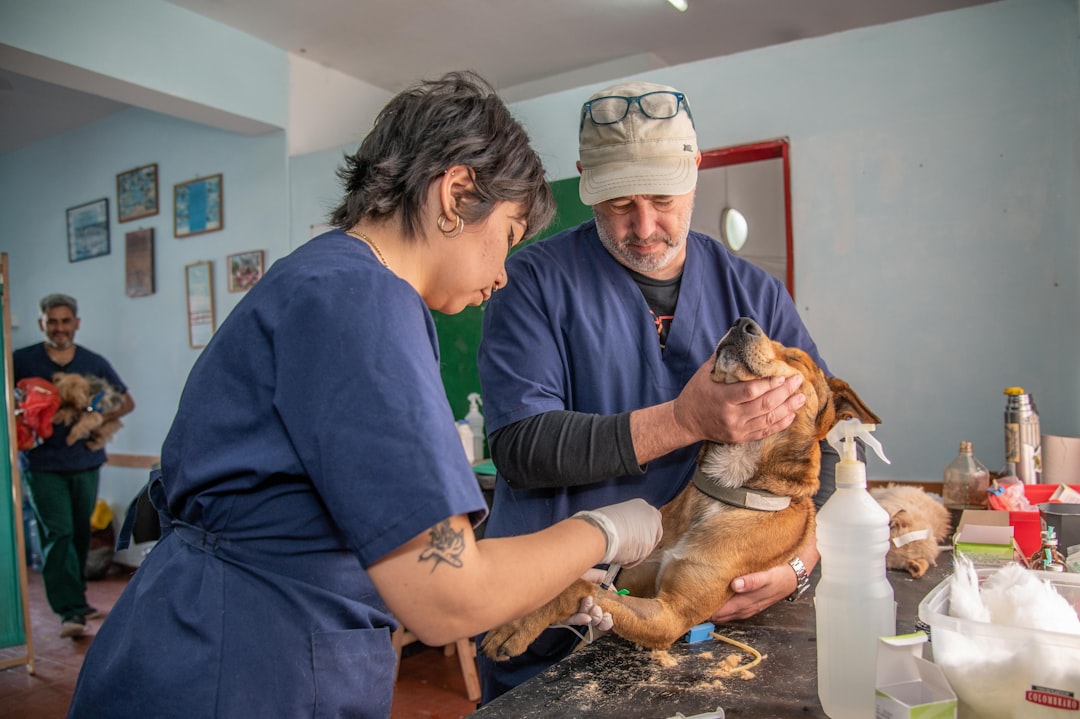
The hardest part of a cat emergency is not finding a clinic. It is deciding, at 2am, whether what you are looking at can wait until morning.
Cats hide illness well, and by the time symptoms are obvious things have often been wrong for a while. This guide covers what genuinely cannot wait, where to go in Fresno, and what to expect on cost.
Where to go in Fresno
Fresno has round-the-clock veterinary cover, which not every Central Valley city does.
| Facility | Location | Availability |
|---|---|---|
| 24/7 PetVets | 1639 N Fresno St — (559) 486-0520 | Open 24 hours, every day |
| Fresno Veterinary Specialty & Emergency Center | Fresno | 24/7, Level 1 emergency and critical care |
| BluePearl Pet Hospital | Fresno | 24/7 emergency care |
| Your own vet | Local | Daytime; may refer out after hours |
Programme one of these into your phone now, before you need it. Searching for a clinic while a cat is in distress is the worst possible time to be comparing options.
Symptoms that cannot wait
These warrant an immediate call regardless of the hour.
- Straining in the litter box without producing urine. In male cats this is a blocked bladder and is fatal within a day or two.
- Laboured or open-mouth breathing. Cats do not pant — treat it as an emergency.
- Any suspected trauma. Falls, road accidents and dog attacks cause internal injury that is not visible.
- Sudden hind-leg weakness or collapse.
- Repeated vomiting with lethargy, particularly with a known string or foreign body.
- Suspected poisoning — lilies, antifreeze, human medication.
- Not eating for more than 24 hours, especially in an overweight cat.
- Uncontrolled bleeding or a deep bite wound.
Urinary blockage is the single most time-critical of these and disproportionately affects male cats. If a cat is going in and out of the box producing nothing, do not wait for morning.
What can usually wait until morning
Equally, not everything needs an after-hours visit at emergency rates.
| Sign | Urgency | Reasoning |
|---|---|---|
| Single vomit, otherwise bright and eating | Routine | Monitor; call if it repeats |
| Mild sneezing, eating normally | Routine | Likely upper respiratory |
| Small scratch, not bleeding | Next day | Watch for swelling or abscess |
| Mild limp, still weight-bearing | Next day | Rest and reassess |
| Slightly reduced appetite for a day | Next day | Escalate at 24 hours |
| One episode of soft stool | Routine | Monitor hydration |
When genuinely unsure, phone. Most emergency clinics will talk through symptoms and tell you honestly whether to come in.
What it costs
Emergency care is expensive because it is staffed overnight and equipped for critical cases. Being prepared for the conversation helps.
Expect an examination or triage fee before any treatment, then costs driven by diagnostics — bloodwork, imaging — and whether the cat needs hospitalisation.
A urinary blockage requiring catheterisation and several days of hospitalisation is among the more expensive common presentations.

- Ask for a written estimate before treatment begins.
- Ask which items are essential now and which can wait.
- Ask about payment plans and third-party medical credit.
- Ask whether your own vet could continue treatment more cheaply in the morning.
- Say plainly if cost is a constraint — clinics can often stage treatment.
The American Animal Hospital Association publishes guidance for owners on veterinary care standards and cost conversations.
Preparing before you need it
Almost everything that makes an emergency worse is preventable with ten minutes of preparation.
- Save the clinic number and address in your phone now.
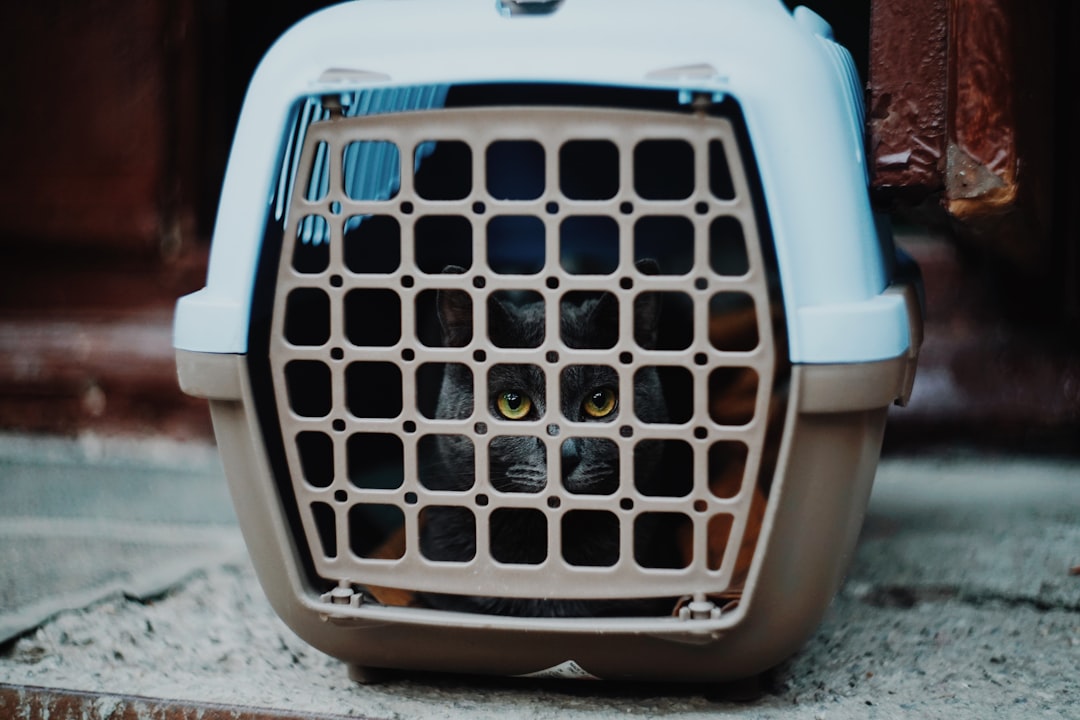
- Keep a carrier accessible rather than in a loft or garage.
- Keep a note of your cat’s weight, medications and known conditions.
- Know your microchip number and confirm the registration is current.
- Build an emergency fund, or take out insurance before anything is pre-existing.
Our assessment of whether pet insurance is worth it for cats covers the maths, and the annual cost of owning a cat covers building a reserve.

Getting there safely
An injured or frightened cat may bite or scratch even if it never has before. That is pain, not temperament.
Use a hard-sided carrier and a towel to lift rather than bare hands. If you suspect a spinal injury, slide the cat onto a rigid flat surface instead of picking it up.
Central Valley heat is a factor in summer — run the air conditioning and keep the carrier out of direct sun. Never leave the cat in a parked car.
Preventable emergencies
A meaningful share of feline emergencies come from a short, familiar list.
Lilies are the most serious household plant risk and are fatal to cats in small amounts. Human painkillers, antifreeze, string and hair ties account for much of the rest.
Our checklist for cat-proofing your home covers the hazards worth removing, and indoor versus outdoor cats covers the trauma risk that outdoor access adds.

Emergency, urgent care, or your own vet?
These are three different services at three different price points, and choosing correctly saves both money and time.
| Service | Best for | Availability | Relative cost |
|---|---|---|---|
| Emergency hospital | Life-threatening, unstable cats | 24/7 | Highest |
| Veterinary urgent care | Needs same-day care, stable cat | Extended hours | Moderate |
| Your own vet | Anything that can wait | Business hours | Lowest |
| Phone triage | Deciding which of the above | Most clinics | Usually free |
If the cat is stable — breathing normally, responsive, not straining to urinate — urgent care or a morning appointment is often the better call.
If you are unsure, phone the emergency clinic and describe what you are seeing. They triage constantly and will tell you plainly whether to come in.
What to do while you are on the way
- Call ahead so the team is expecting you and can prepare.
- Keep the carrier covered and the car quiet — stress worsens breathing difficulty.
- Do not give human painkillers. Paracetamol and ibuprofen are toxic to cats.
- Bring any packaging if poisoning is suspected.
- Bring a list of current medications and recent symptoms with dates.
Do not attempt to induce vomiting unless a vet has told you to. With some toxins it causes more damage on the way back up.
Our guide to giving a cat medication safely covers follow-up dosing at home once you are discharged.
The most time-critical of these deserves its own guide. Our explainer on cat urinary problems and urinary blockage covers why a male cat straining in the litter box needs attention within hours.
Frequently Asked Questions
Is there a 24-hour emergency vet in Fresno?
Yes. 24/7 PetVets at 1639 N Fresno St, (559) 486-0520, is open around the clock, and Fresno Veterinary Specialty & Emergency Center operates a 24/7 Level 1 emergency and critical care facility.
What counts as a cat emergency?
Straining in the litter box without producing urine, laboured or open-mouth breathing, suspected trauma, collapse, repeated vomiting with lethargy, suspected poisoning, or not eating for over 24 hours.
Why is a blocked bladder so urgent in cats?
A urinary blockage prevents the cat passing urine, causing kidney failure and dangerous potassium build-up. It is fatal within roughly one to two days and mainly affects male cats.
Do cats pant like dogs?
No. Open-mouth breathing or panting in a cat indicates genuine respiratory distress or severe overheating and should be treated as an emergency requiring immediate veterinary attention.
How can I manage the cost of emergency vet care?
Ask for a written estimate first, ask which treatments are essential now, enquire about payment plans, and ask whether your regular vet could continue care more cheaply the next day.
Which household items most often cause cat emergencies?
Lilies, which are fatal to cats in small amounts, human painkillers, antifreeze, and string or hair ties that cause intestinal obstruction if swallowed.