
Urinary problems are among the most common reasons cats see a vet, and one form of them is the single most time-critical emergency in feline medicine.
If a male cat is straining in the litter box and producing nothing, that is a potential blockage and it needs veterinary attention within hours, not tomorrow.
This guide covers how to recognise that, what the broader category involves, and what genuinely reduces recurrence. It is orientation for a conversation with your vet rather than a substitute for one.
The emergency: urinary blockage
A blockage prevents the cat passing urine at all. Toxins build up, potassium rises, and kidney failure and cardiac arrest follow.
It is fatal within roughly 24 to 48 hours untreated, and it overwhelmingly affects male cats because their urethra is longer and narrower.
- Repeated trips to the litter box producing nothing.
- Straining, often with vocalising or crying out.
- Licking at the genital area persistently.
- Restlessness, pacing, or hiding.
- Vomiting, lethargy or collapse in later stages.
- A firm, painful abdomen.
Owners frequently mistake straining for constipation. If you cannot tell which it is, treat it as urinary and go — the cost of being wrong in that direction is far lower.
Our guide to emergency vet care for cats in Fresno covers where to go out of hours.
What FLUTD actually means
Feline lower urinary tract disease is an umbrella term rather than a diagnosis. It covers several conditions with overlapping signs.
| Cause | Rough frequency | Typical picture |
|---|---|---|
| Feline idiopathic cystitis | Most common | Inflammation with no identifiable cause; stress-linked |
| Urethral blockage | Less common, most urgent | Male cats; cannot pass urine |
| Bladder stones | Moderate | Recurrent signs, sometimes blood |
| Bacterial infection | Uncommon in young cats | More likely in older cats and with kidney disease |
| Anatomical or tumour | Rare | Usually older cats |
The most common form, idiopathic cystitis, is genuinely inflammatory rather than infectious — which is why antibiotics alone often do not resolve it.
The Cornell Feline Health Center covers the clinical detail.
The non-emergency signs
Not every urinary sign is a blockage, but all of them warrant a vet appointment rather than watching and waiting.
- Urinating outside the litter box, particularly in sinks, baths or on soft surfaces.
- Small, frequent puddles rather than normal volume.
- Blood in the urine.
- Excessive licking of the genital area.
- Crying or obvious discomfort while urinating.
- A sudden change in litter box habits in a previously reliable cat.
House-soiling is the point most owners misread. A cat urinating on a bed or in a bath is frequently in pain, not being spiteful, and punishing it makes the underlying stress worse.
Our guide to litter box problems covers ruling out medical causes first.
Why stress matters here
Idiopathic cystitis has a well-established link to stress, which is unusual among physical conditions and frequently dismissed by owners.
Common triggers include a new pet, a house move, building work, a change in routine, conflict with another cat in the household, or an unfamiliar cat visible outside.
That does not make it psychological. The inflammation is real and painful; stress is one of the factors that provokes it.
Reducing recurrence
Recurrence is common, and management is mostly environmental rather than medical.
| Measure | Why it helps |
|---|---|
| Increase water intake | Dilutes urine, reduces crystal formation |
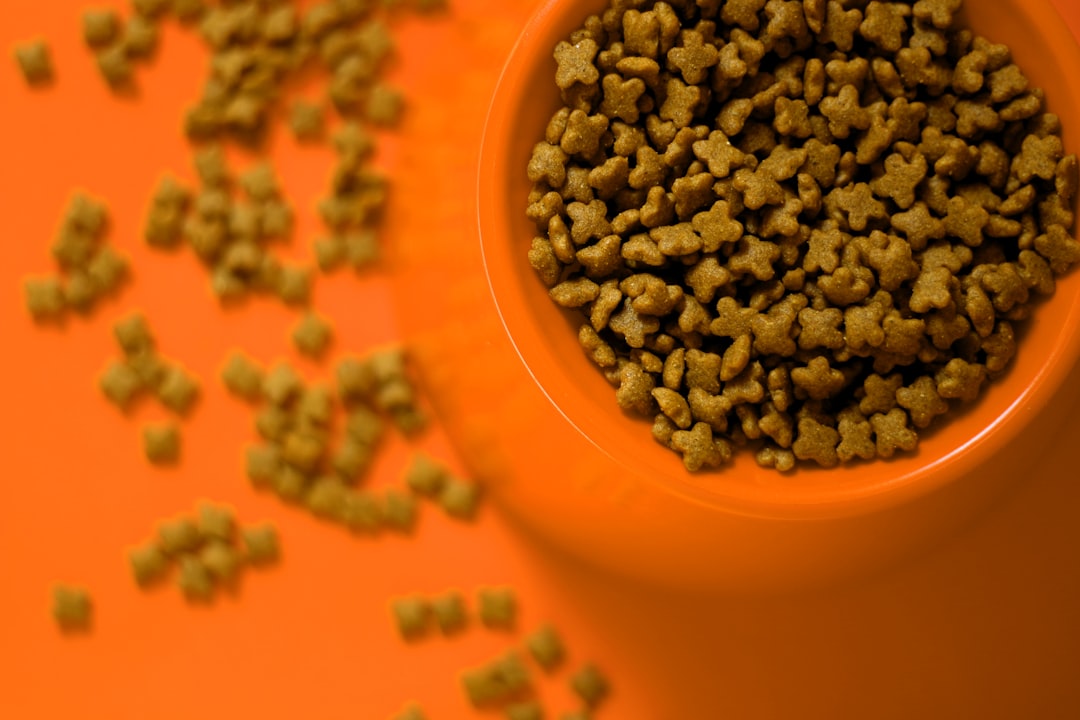
| Switch some or all food to wet | Roughly 70–80% moisture versus 6–10% |
| More litter boxes, better placed | Reduces avoidance and holding |
| Reduce household stress | Directly reduces cystitis episodes |
| Weight management | Overweight, inactive cats are higher risk |
| Prescription urinary diet | Where a vet identifies crystals or stones |
| Environmental enrichment | Lowers baseline stress in indoor cats |
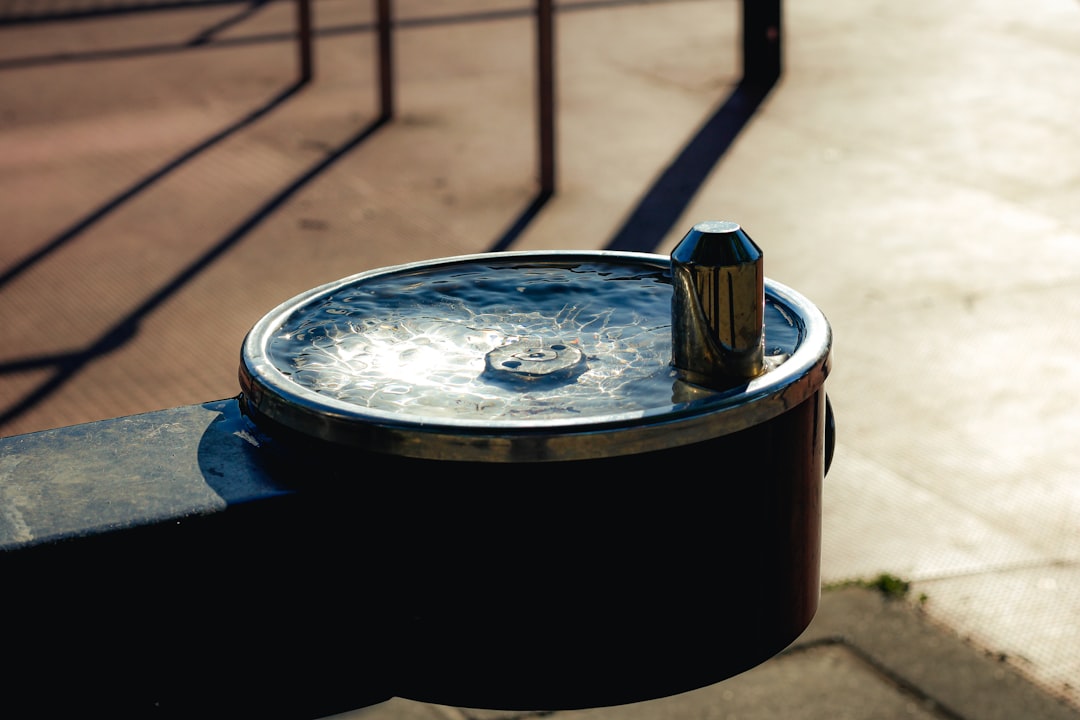
Water intake is the highest-leverage change. Wide bowls away from food, a fountain if the cat prefers moving water, several stations around the house, and wet food all contribute.
Our comparison of wet versus dry cat food covers the hydration argument in detail.
Litter box provision
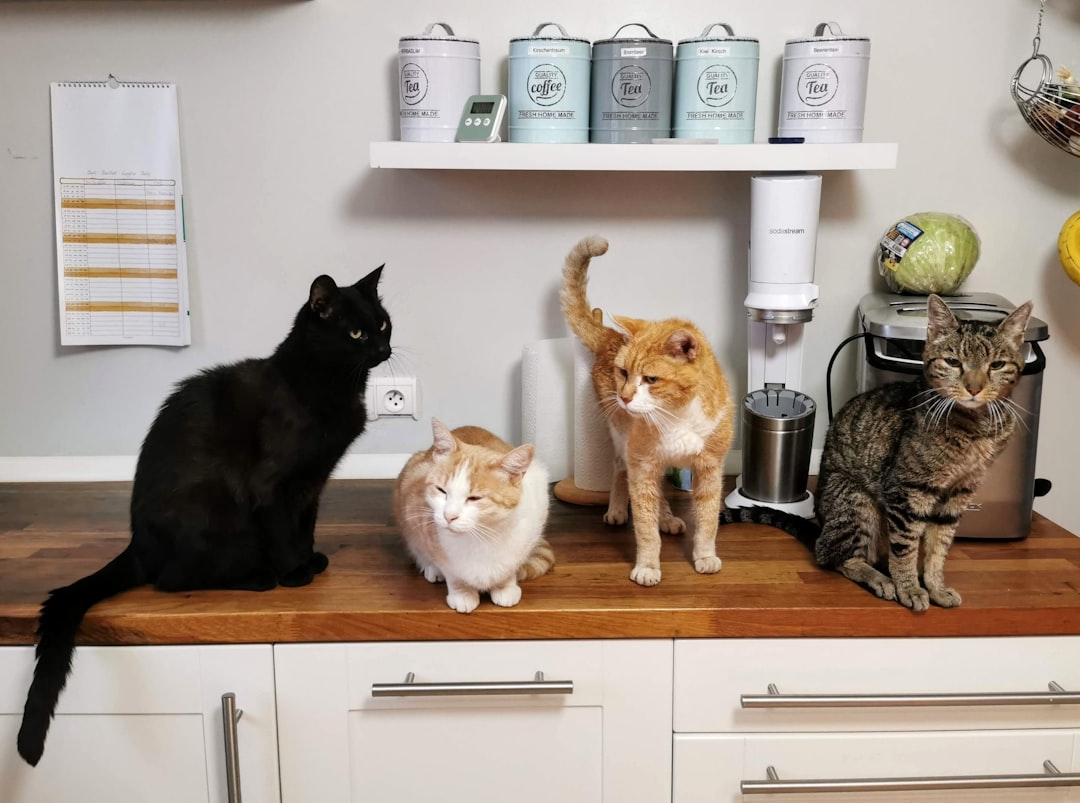
The standard rule is one box per cat plus one, in separate locations rather than lined up together.
A cat that finds its box unpleasant, contested or hard to reach holds urine longer, which concentrates it and raises risk.
- Uncovered boxes, large enough for the cat to turn around fully.
- Unscented litter — perfume is a common cause of avoidance.
- Quiet locations with a clear line of retreat.
- Away from food, water and noisy appliances.
- Scooped daily, without exception.
Our comparison of cat litter types covers substrate preference, which is more consequential here than it sounds.
What to expect at the vet
For a suspected blockage, expect urgency: examination, bladder palpation, and usually immediate sedation to place a urinary catheter.
Bloodwork checks kidney values and potassium. Hospitalisation for a few days is common, and the cat typically goes home on pain relief and a modified diet.
For non-blocked cases, expect urinalysis, possibly imaging for stones, and a management plan focused on water, diet and stress rather than a single medication.
The cost conversation
Blockage treatment is among the more expensive common feline emergencies, because it involves sedation, catheterisation and several days of hospitalisation.
Ask for a written estimate, ask what is essential now, and say plainly if cost is a constraint. Staged treatment is frequently possible.
Our guide to crowdfunding a vet bill covers the options worth trying first, and whether pet insurance is worth it covers planning ahead.
Prevention is genuinely possible
Unlike many feline conditions, recurrence here responds well to environmental change, and the measures are cheap.
More water, more wet food, more litter boxes, less household stress and a healthy weight together make a substantial difference to how often episodes happen.
Our guides to checking body condition and enrichment and play cover two of the five directly.
And if your cat is showing any urinary sign at all, book the appointment rather than reading further. This is a condition where hours matter.
Frequently Asked Questions
Is a cat straining in the litter box an emergency?
If it is producing no urine, yes — treat it as a potential blockage needing veterinary attention within hours. It is fatal within roughly 24 to 48 hours untreated and mainly affects male cats.
Why are male cats more at risk of urinary blockage?
Their urethra is longer and narrower than a female’s, so crystals, mucus plugs and inflammation obstruct it far more easily. Females get urinary disease too, but block much less often.
What is feline idiopathic cystitis?
Bladder inflammation with no identifiable underlying cause, and the most common form of feline urinary disease. It is genuinely inflammatory rather than infectious, and it has a well-established link to stress.
Is my cat urinating outside the box out of spite?
No. A cat urinating on beds, in baths or on soft surfaces is frequently in pain or stressed. Punishment worsens the underlying stress and makes recurrence more likely.
How can I prevent urinary problems recurring?
Increase water intake, feed more wet food, provide one litter box per cat plus one in quiet locations, manage weight, and reduce household stress. These together make a substantial difference.
Does my cat need antibiotics for a urinary problem?
Often not. Bacterial infection is uncommon in younger cats, and the most frequent cause is inflammatory rather than infectious. Your vet will decide based on urinalysis rather than signs alone.