Category: Giving Back

Donating, fostering, and volunteering with local cat rescues.

  • How to Volunteer at a Cat Rescue in Fresno, CA

    How to Volunteer at a Cat Rescue in Fresno, CA

    Cats By The Tracks is 100% volunteer-run, and our biggest ongoing need is people, not just money. There are three main ways to help: staffing adoption events, transporting cats between foster homes and vet appointments, or handling administrative work from home. None of them require prior animal-care experience. Here’s what each one actually involves.

    Volunteer helping at a cat rescue adoption event in Fresno
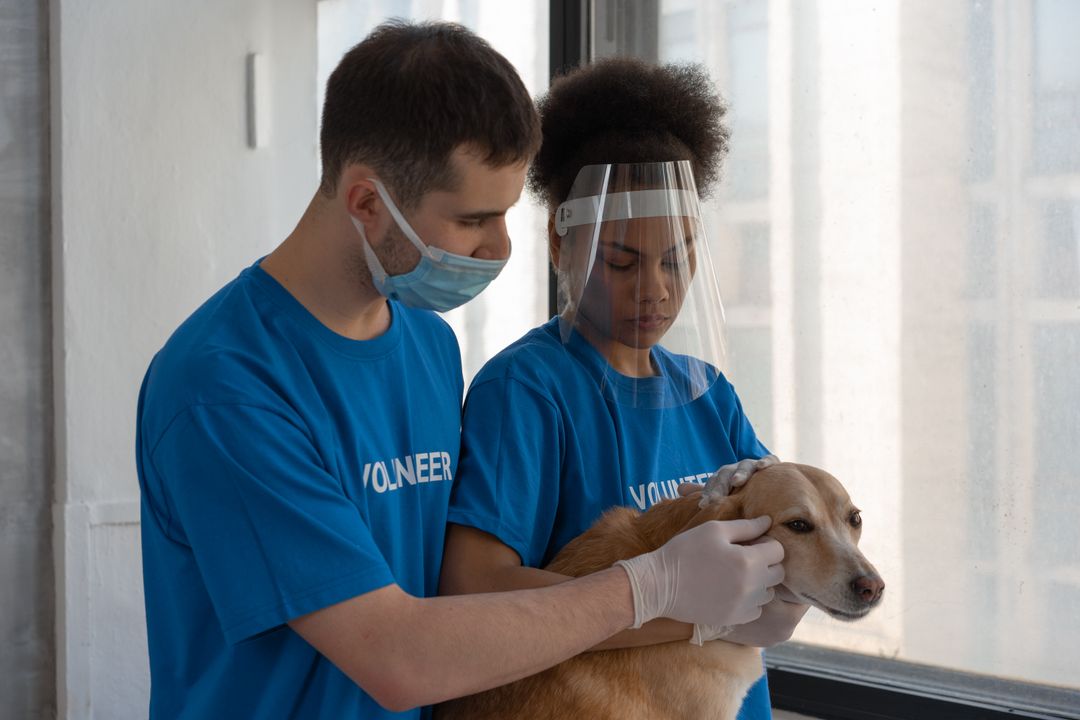
    Volunteers are the backbone of a foster-based rescue like Cats By The Tracks.

    Volunteer Roles at a Glance

    RoleTime CommitmentExperience NeededBest For
    Adoption EventsA few hours per eventNone — training provided on-sitePeople who enjoy talking to the public and adopters
    TransportAs needed, flexible scheduleA valid license and reliable vehiclePeople with a flexible daytime schedule
    Administrative SupportA few hours per week, remote-friendlyBasic email and computer skillsPeople who want to help without handling cats directly

    Volunteering at Adoption Events

    Cats By The Tracks holds adoption hours at partner pet stores across our service area. Volunteers help set up the space, introduce adoptable cats to visitors, answer basic questions about the adoption process, and help process applications on-site.

    Volunteers staffing an adoption event table with adoptable cats
    Adoption event volunteers introduce cats to potential adopters and help answer questions.

    This role is a good starting point if you’re new to volunteering — it’s social, doesn’t require any specialized training beyond a quick on-site orientation, and gives you a direct, visible sense of the impact of your time. Organizations like Best Friends Animal Society describe similar hands-on, public-facing roles at their own cat sanctuaries.

    Volunteering for Transport

    Cats and kittens regularly need to move between foster homes, adoption centers, and veterinary appointments — someone has to drive them. Transport volunteers step in for these trips, which can range from a quick 15-minute drive to a longer trip between cities.

    Volunteer transporting a cat between foster homes and vet appointments
    Transport volunteers move cats between foster homes, vet visits, and adoption events.

    This role fits well if your schedule is flexible during the day and you have a reliable vehicle, since requests often come up with only a few days’ notice — a vet appointment gets scheduled, or a foster home needs a kitten picked up. It’s also one of the more independent volunteer roles, since a single trip is usually a self-contained task rather than an ongoing commitment.

    Volunteering for Administrative Support

    Not every volunteer role involves handling cats directly. Administrative support covers emails, processing adoption and foster applications, and the behind-the-scenes coordination that keeps a 100%-volunteer-run rescue functioning.

    Volunteer handling administrative tasks for a cat rescue from home
    Administrative volunteers can often help entirely remotely, with no direct animal handling required.

    This is often the most flexible option, since much of it can be done remotely on your own schedule, rather than at a set time and location. It’s also one of the easiest ways to get a feel for how a rescue actually operates day to day — you’ll see firsthand how many applications come in, how fostering and adoption placements get matched, and where the organization could use more hands.

    What a First Shift Usually Looks Like

    • Fill out a volunteer application indicating which role interests you
    • A rescue coordinator follows up by email to confirm details and answer questions
    • For adoption events and transport, expect a short orientation or a first shift shadowing an experienced volunteer
    • For administrative support, expect an introduction to whatever tools or systems the rescue uses for applications and communication
    Volunteer socializing a shy cat to help it feel comfortable around people
    Some volunteer roles involve directly socializing shy or nervous cats.

    What to Expect Emotionally

    Volunteering with a cat rescue is rewarding, but it’s worth being honest about the harder parts too. You’ll meet cats who came from difficult situations, and occasionally one won’t make it despite everyone’s best efforts. Adoption events can also mean saying goodbye to a cat you’ve grown attached to over several shifts, right as it heads to its new home — which is the whole point, even when it’s bittersweet.

    None of this is a reason to stay away — most volunteers find the good days far outweigh the hard ones. It’s just useful to go in with realistic expectations rather than only the highlight-reel version.

    Who Makes a Good Volunteer?

    • Reliability matters more than experience — showing up when you commit to a shift is the most valuable thing you can offer
    • Comfort talking to strangers helps for adoption events, since you’ll be answering questions from the public
    • A flexible daytime schedule helps for transport, since requests can come up with short notice
    • Basic organizational skills help for administrative support — you don’t need to be tech-savvy, just responsive

    Volunteering vs. Fostering: Which Should You Choose?

    Volunteering is task-based — you show up for an event, a transport run, or a set number of admin hours, then you’re done until the next time. Fostering means housing a specific cat in your home for days to months, with the rescue covering food and vet costs. If you’re weighing the two, our guide to adopting vs. fostering a cat breaks down fostering specifically in more detail — and there’s no rule against doing both.

    A team of volunteers supporting a foster-based cat rescue
    Many volunteers eventually take on more than one role as they get comfortable with the rescue.

    How to Apply

    Fill out our volunteer application, indicating your interest in adoption events, transport, administrative support, or something else entirely. Our team follows up by email with next steps based on your availability and interests.

    Filling out a volunteer application for a cat rescue
    Volunteering starts with a short application — no prior animal-care experience required.

    Frequently Asked Questions

    Do I need experience to volunteer at a cat rescue?

    No. Cats By The Tracks is 100% volunteer-run, and roles like adoption events, transport, and administrative support don’t require prior animal-care experience — just reliability and a willingness to learn.

    How much time does volunteering require?

    It depends on the role you choose. Some organizations ask for a minimum weekly commitment, but foster-based rescues like Cats By The Tracks are often flexible, since our volunteer roles range from a few hours at an adoption event to occasional transport runs.

    Can I volunteer without handling cats directly?

    Yes. Administrative support — emails, applications, and behind-the-scenes coordination — is one of the three main volunteer roles at Cats By The Tracks, and it requires no direct animal handling at all.

    What is the difference between volunteering and fostering?

    Volunteering is task-based and often flexible in duration — an adoption event, a transport run, or a few hours of admin work. Fostering means housing a specific cat in your home for days to months. Both are valuable, and you can do either or both.


    Ready to Volunteer?

    Cats By The Tracks is a 501(c)(3), 100% volunteer-run rescue serving Fresno and the Central Valley. Whatever time you have to give, there’s a role that fits.

  • How to Donate to Cat Rescues Near Fresno: A Giving Guide

    How to Donate to Cat Rescues Near Fresno: A Giving Guide

    You can donate to a cat rescue near Fresno through money, wishlist supplies, or a vehicle donation — and all three are generally tax-deductible when the organization is a registered 501(c)(3), like Cats By The Tracks (EIN 83-1399495). Here’s exactly how each option works, what actually gets used, and how to make sure your gift counts at tax time.

    Donating supplies to a cat rescue in the Fresno area
    Every donation, large or small, funds spay/neuter surgery and medical care for rescued cats.

    Ways to Donate to Cats By The Tracks

    MethodBest ForTax-Deductible?
    PayPal (one-time or recurring)Anyone who wants funds to go directly to medical care and suppliesYes, keep your PayPal receipt
    Amazon WishlistPeople who’d rather buy a specific, needed item than give cashYes, when purchased and shipped directly to the rescue
    Vehicle Donation (via CARS)Anyone with an unused car, truck, or motorcycle to donateYes, per IRS vehicle donation rules
    Volunteering TimeAnyone who can’t give money but has hours to spareTime itself is not deductible, but unreimbursed related expenses may be

    Our donate page has direct links to each option, including our PayPal, Amazon Wishlist, and vehicle donation portal. If you want your gift to go toward a specific capital project rather than general operating costs, Snip Trip — our joint fundraiser with Fresno Furry Friends for a mobile spay/neuter clinic — is a good example of exactly that.

    How Far a Donation Actually Goes

    A cat adoption fee typically covers spay/neuter surgery, vaccines, a microchip, and a health exam — but that only accounts for cats healthy enough to be adopted quickly. Donations are what cover everything an adoption fee doesn’t: emergency surgery, ongoing medication for a chronic condition, or care for kittens too young to be adopted yet.

    Donation AmountWhat It Can Cover
    $25A round of core vaccines for one cat
    $50Spay or neuter surgery contribution for one cat
    $100A week of food and litter for several foster cats
    $250+Emergency veterinary treatment for an injured or sick cat
    Illustrative figures based on typical Central Valley veterinary costs; actual costs vary case by case.

    Recurring vs. One-Time Donations

    Both matter, but they serve different purposes for a rescue. A one-time gift is useful for responding to something specific — an emergency vet bill, a large intake event, or a matching-gift campaign. A small recurring monthly donation, even $10 or $15, gives a rescue predictable income it can plan around, rather than depending entirely on unpredictable one-time gifts.

    PayPal supports setting up a recurring monthly gift in addition to one-time donations, which is worth considering if you want your giving to have a steady, ongoing impact rather than a single moment of support.

    Is Your Donation Actually Tax-Deductible?

    A donation is tax-deductible only when it goes to a registered 501(c)(3) organization and you receive nothing of material value in return. Per the IRS’s charitable contribution deduction rules, you’ll need a receipt for any single donation, and formal written documentation from the organization for gifts of $250 or more.

    Keeping a receipt for a tax-deductible nonprofit donation
    Keep a receipt or confirmation email for any donation you plan to deduct.

    Cats By The Tracks is a registered 501(c)(3) nonprofit, EIN 83-1399495. Monetary donations, items purchased through our Amazon Wishlist and shipped directly to us, and vehicle donations processed through our CARS partnership all qualify. As always, confirm specifics with a tax professional for your individual situation.

    Money vs. Supplies vs. Time: Which Should You Give?

    Donation TypeProsDrawbacks
    MoneyFlexible — goes toward whatever’s needed most urgently, like emergency vet billsLess tangible; you don’t see the specific impact directly
    Wishlist SuppliesYou know exactly what your donation becameLimited to whatever’s currently listed; can’t cover emergency vet costs
    Time (Volunteering)No financial cost to you; hands-on impactRequires a schedule commitment rather than a one-time gift
    A monetary donation to a 501(c)(3) cat rescue nonprofit
    Monetary donations offer the most flexibility, funding whatever a rescue needs most that week.

    Wishlist Items Cat Rescues Need Most

    If you’d rather donate supplies than cash, these are consistently the highest-need items across cat rescues, echoing Charity Navigator’s list of the most useful shelter donations:

    • Canned and dry cat food (kitten and adult formulas)
    • Clumping cat litter
    • Kitten milk replacer and feeding bottles
    • Towels, blankets, and bedding
    • Cleaning supplies — bleach, paper towels, disinfectant wipes
    • Cat toys and scratching posts
    Cat food and supplies commonly requested on rescue wishlists
    Food and litter remain the most consistently needed items at any cat rescue.

    Our Amazon Wishlist lists exactly what we need right now, and items ship directly to us — no drop-off required.

    A wishlist item delivered directly to a cat rescue
    Wishlist items ship directly to the rescue, with no drop-off necessary.

    Other Ways to Help Without Spending Money

    • Share adoptable cats and fundraising posts on social media
    • Volunteer at adoption events or with transport
    • Foster a cat, which offsets the cost the rescue would otherwise spend on shelter space
    • Leave a review or share your adoption story to help build trust with future adopters
    Volunteers sorting donated pet supplies for a cat rescue
    Volunteering time is a donation in itself, even without a financial gift.

    Why Give Locally Instead of to a National Organization?

    National animal welfare organizations do important advocacy and policy work, but donations to them rarely fund a specific cat’s surgery in your own city. A local, foster-based rescue spends donations directly on the cats it currently has in care — often the same cats you’d see on its adoption page or social media. If you want to see the direct, local result of your gift, a smaller community rescue is usually where that’s easiest to trace.

    That doesn’t mean one is better than the other across the board — supporting both a national and a local organization is common. But if your goal is local impact specifically, giving to a rescue operating in your own city or county is the more direct route.

    Donating a Vehicle

    If you have a car, truck, or motorcycle you’re not using, Cats By The Tracks accepts vehicle donations through CARS, a nonprofit vehicle donation processor. CARS handles pickup and sale, with proceeds supporting our rescue work directly — often a better outcome than a low trade-in offer.

    Donating a vehicle to benefit a cat rescue charity
    Vehicle donations are processed through a dedicated nonprofit donation partner.

    Frequently Asked Questions

    Are donations to Cats By The Tracks tax-deductible?

    Yes. Cats By The Tracks is a registered 501(c)(3) nonprofit (EIN 83-1399495), so monetary donations, wishlist purchases sent directly to us, and vehicle donations are generally tax-deductible. Keep your receipt or confirmation email as documentation, and consult a tax professional for donations over $250.

    What items do cat rescues need most?

    Cat food, clumping litter, kitten formula and bottles, towels and blankets, and basic cleaning supplies are almost always in demand. Check an organization’s specific wishlist first, since needs shift with how many animals are currently in care.

    Can I donate without giving money?

    Yes. Sharing adoptable cats on social media, purchasing directly from a rescue’s Amazon wishlist, dropping off supplies, or volunteering your time all help without requiring a monetary gift.

    Is donating a car to a cat rescue worth it?

    It can be, especially for a vehicle you’d otherwise trade in for little value. Cats By The Tracks accepts vehicle donations through CARS, which handles pickup and sale, with proceeds going directly to our rescue work.


    Every Gift Funds a Cat’s Next Chance

    Cats By The Tracks is a 501(c)(3) foster-based rescue serving Fresno and the Central Valley. Every donation — money, supplies, or time — goes directly toward rescue and medical care.

  • Adopting vs. Fostering a Cat: Which Is Right for You?

    Adopting vs. Fostering a Cat: Which Is Right for You?

    Adopting a cat is a permanent commitment; fostering is temporary care until the cat is ready for its forever home, usually with the rescue covering food and vet costs instead of you. Neither one is the “better” option — they solve different problems, and rescues genuinely need people willing to do both. Here’s how to tell which one actually fits your life right now.

    Deciding between adopting and fostering a cat
    Adopting and fostering both save a cat’s life — the difference is in timeline and cost.

    Adopting vs. Fostering: Side-by-Side Comparison

    AdoptingFostering
    Commitment lengthThe cat’s lifetimeDays to several months, until adopted
    Who pays for food and vet careYou, ongoingThe rescue, typically fully covered
    Upfront costAdoption fee ($75–$130 in the Fresno area)Usually $0
    Choice of catYou choose and keep that specific catAssigned based on current need and your capacity
    Best forAnyone ready for a lifelong companionAnyone wanting to help without a permanent commitment

    What Adopting a Cat Actually Means

    Adoption is permanent. You’re taking on the cat’s food, litter, routine and emergency vet care, and daily companionship for its entire life — commonly 12 to 18 years. In exchange, you get to choose the specific cat whose personality fits your home, and build a bond that isn’t on a clock.

    Adopted cat settled permanently into its new home
    Adoption means the cat is home for good, not on a temporary basis.

    If you’ve read this far because you’re ready for that commitment, see our full breakdown of what a cat adoption actually costs in the Fresno area, including what the fee covers.

    What Fostering a Cat Actually Means

    Fostering means providing a temporary home while the rescue handles the bills. As Found Animals puts it, fostering lets you help an animal in need without the long-term financial and lifestyle commitment adoption requires. At Cats By The Tracks, that includes food, litter, and veterinary care — fosters provide the space, daily care, and attention. Fostering exists because rescues like ours are foster-based rather than shelter-based: cats live in real homes instead of kennels while they wait to be adopted.

    Bottle-feeding a foster kitten too young for adoption
    Bottle-feeding newborn kittens is one of the most common and most needed foster roles.

    Foster placements at Cats By The Tracks span a wide range: bottle babies, kittens, teens, adults, cats recovering from medical care, and nursing mothers. You can indicate which of these you’re equipped to handle when you apply to foster — you’re not expected to take on every type.

    What Fostering Requires

    A few real requirements to know before you apply, based on our own foster agreement:

    • Fosters must be 21 years of age or older
    • A home inspection is required before your application is approved
    • You may be asked to foster for an extended or indefinite period, especially for cats with ongoing medical needs
    • The rescue retains ownership of the animal and can request its return at any time
    • Whether you rent or own is fine — there’s no requirement to own your home
    A home prepared to pass a foster care home inspection
    A safe indoor space is what matters for a home inspection, not square footage.

    The Cost Difference

    The financial gap between the two is the starkest difference. Adopting means an upfront fee plus ongoing monthly costs. Fostering removes nearly all of that: the rescue pays for food, litter, and veterinary care, so your cost is largely your time.

    ExpenseAdoptingFostering
    Upfront fee$75–$130 in the Fresno area$0
    Monthly food & litter$30–$60, paid by youCovered by the rescue
    Routine vet care$20–$35/mo. averaged, paid by youCovered by the rescue
    Emergency vet carePaid by you, potentially several hundred dollarsCovered by the rescue
    Your ongoing cost$55–$110+ per monthTime and daily care only
    Comparing the cost of adopting versus fostering a cat
    Fostering removes most of the ongoing cost of cat ownership, since the rescue covers food and vet care.

    Can You Do Both? Foster-to-Adopt

    It’s common for a foster placement to turn into an adoption — sometimes called a “foster fail,” though it’s really a success story. If you bond with a foster cat and decide you’re ready for a lifetime commitment, most rescues, including ours, will let you adopt them directly rather than returning them to be placed elsewhere.

    Planning a foster care timeline before committing to a cat
    Many fosters start with a temporary commitment and end up adopting the cat permanently.
    Foster cat adjusting to a home with other pets
    Foster cats often adjust well to homes with other resident pets, given a proper introduction.

    Why Foster-Based Rescues Need Fosters More Than They Need Adopters

    It sounds backwards, but a foster-based rescue like Cats By The Tracks is limited by foster capacity, not by how many cats want homes. Every cat in our program is living in someone’s house — there’s no backup kennel space. When foster homes are full, we simply can’t take in the next cat who needs help, regardless of how many people are ready to adopt.

    That’s especially true during kitten season, when bottle-fed litters and nursing mothers need round-the-clock care that a rescue can’t provide without a foster home behind it. A single new foster can open up space for several cats over a year, even if each individual placement is short.

    Signs Fostering Might Be the Right Fit for You

    • You want to help animals but aren’t ready for a 12+ year commitment
    • Your schedule, lease, or living situation could change in the next year or two
    • You want to try living with a cat before deciding whether to adopt one long-term
    • You’re specifically interested in a hands-on role, like bottle-feeding kittens or supporting a nursing mother
    • You can accommodate a home inspection and occasional check-ins from the rescue

    Which One Should You Choose?

    • Choose adoption if you’re financially and logistically ready for a 12+ year commitment to one specific cat.
    • Choose fostering if you want to help save lives without taking on ongoing cost, or you’re not sure yet whether cat ownership fits your life long-term.
    • Choose fostering if you’re specifically drawn to bottle-feeding kittens, supporting a nursing mother, or nursing a cat back to health after medical care.
    • Consider foster-to-adopt if you like the idea of a “trial period” before making a lifetime decision.

    If you’re leaning toward fostering, our foster program page has the full application and agreement. If you’re ready to adopt, browse our currently adoptable cats instead.

    Frequently Asked Questions

    Is fostering a cat free?

    At Cats By The Tracks, yes — we cover food, litter, and veterinary care for foster cats. Fosters provide the home, time, and daily care, not the ongoing expense.

    Can you adopt a cat you’re fostering?

    Yes, this is sometimes called a ‘foster fail’ or foster-to-adopt, and it’s common. If you and your foster cat bond and you’re ready for a permanent commitment, you can typically adopt them directly instead of returning them to the rescue.

    Do you need a house or yard to foster a cat?

    No. Cats By The Tracks accepts fosters in houses and apartments alike, whether you rent or own — what matters is a safe indoor space, not square footage or outdoor access.

    How long does fostering a cat usually last?

    It varies. A healthy adult cat might be fostered for a few weeks until adopted, while bottle-fed kittens, cats recovering from medical care, or nursing mothers can require several months. Cats By The Tracks asks fosters to be open to an extended, indefinite timeline when needed.


    Ready to Help a Cat in Need?

    Whether you’re ready to adopt or want to try fostering first, Cats By The Tracks makes both paths straightforward.