
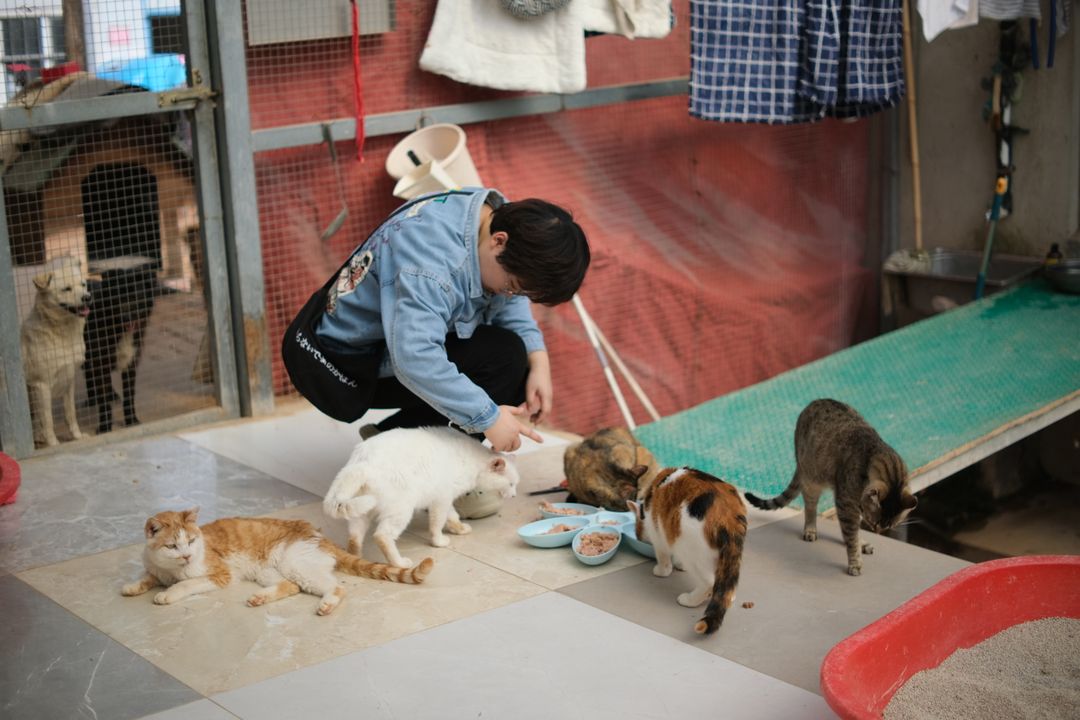
There are more animal organisations than anyone can meaningfully assess, and the ones that market best are not necessarily the ones doing most.
This is a practical framework for deciding where your money, goods or time actually go furthest.
Decide what you want to fund
Different organisations do genuinely different work, and the first question is which problem you want to address.
| Goal | Type of organisation | What your money does |
|---|---|---|
| Fewer cats needing rescue | TNR and spay/neuter programmes | Prevents litters at source |
| Cats currently homeless | Foster-based rescues and shelters | Vetting, food, placement |
| Keeping cats in existing homes | Surrender prevention, pet food banks | Support before crisis |
| Emergency and medical cases | Rescues with medical funds | Individual expensive cases |
| Policy and advocacy | National organisations | Legislation and campaigns |
| Local capacity | Small local groups | Direct hands-on work nearby |

Prevention is where a given amount of money goes furthest arithmetically. Sterilising one female cat prevents dozens of kittens entering a system that is already at capacity.
Our explainer on the population maths behind TNR covers why.
Local usually beats national for direct impact
National organisations do genuinely valuable work on policy, standards and disaster response. But a donation to a small local group frequently produces more visible, traceable outcomes.
Small groups have almost no overheads — no premises, no salaries, often no paid staff at all. A larger proportion of each dollar reaches an animal.
The trade-off is that they are less visible, less polished, and harder to verify. That is what the checks below are for.
What to check
- 501(c)(3) status. Ask for the EIN if it is not published. Legitimate organisations provide it readily.
- Named people. Real organisations have identifiable volunteers and officers.
- Published outcomes. Numbers adopted, sterilised, fostered — not just appeals.
- A real adoption process. Screening, contracts, and a return policy.
- Financial information. Available on request even for small groups.
- Longevity. How long they have operated locally.

Candid hosts nonprofit profiles and filings, though many very small rescues fall below the reporting thresholds that make them visible there.
For a small local group, asking directly is legitimate and a good organisation will answer without hesitation.
The single best question
If you ask one thing, ask this: do you take your animals back, for life?
An organisation committed to lifetime return has planned for the animal’s whole life rather than just its placement. It is the clearest single marker of a rescue worth supporting.
The follow-up worth asking is what happens to animals that are not adopted, and how they define and handle their most difficult cases.
Red flags
- No verifiable nonprofit status, or reluctance to provide an EIN.
- Constant emergency appeals with no reporting on outcomes.
- No named people anywhere.
- No adoption process to speak of — animals released to anyone.
- Pressure and urgency in every communication.
- Hostility to reasonable questions.
- Very large numbers of animals with no visible placement rate.
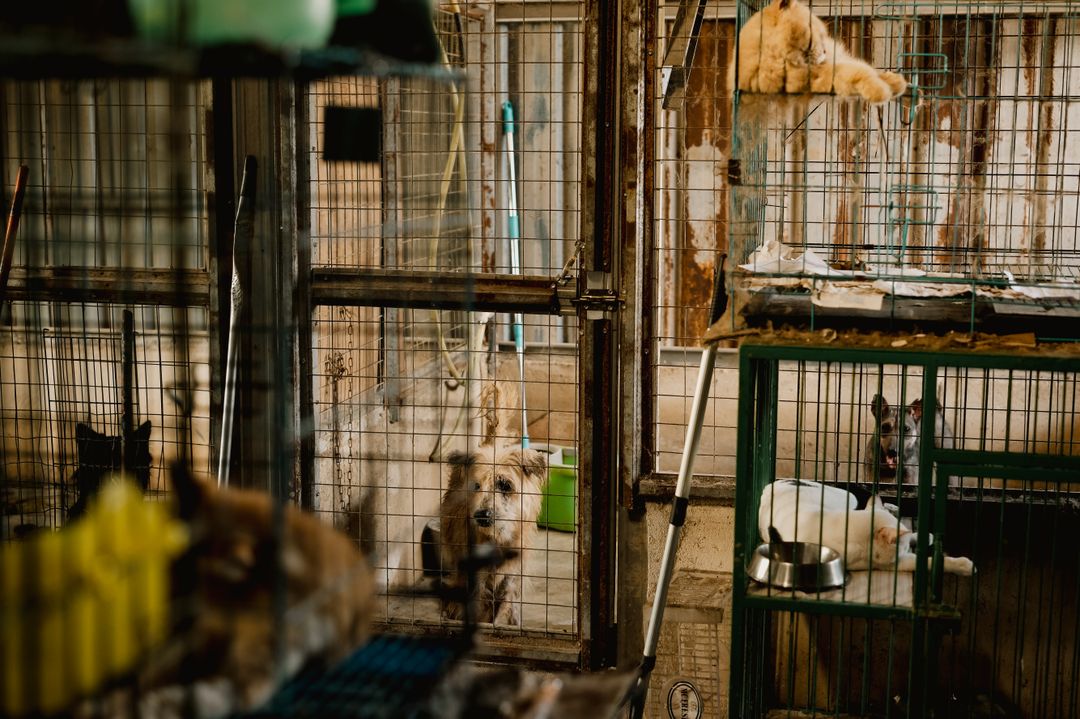
That last one matters. An organisation accumulating animals without placing them may be a hoarding situation operating under a rescue name, and it is not always obvious from outside.
Our guide to monthly giving versus one-time donations covers vetting before committing to recurring support.
Money is not the only contribution
For most small rescues, the binding constraint is foster homes rather than funds.
| Contribution | Relative value to a small rescue |
|---|---|
| Fostering | Highest — directly increases capacity |
| Transport | High — chronically short |
| Professional skills | High — unaffordable otherwise |
| Recurring donation | High — enables planning |
| Photography and listings | High — shortens stays |
| One-off donation | Useful |
| Goods from a wish list | Useful if actually needed |
| Sharing listings | Free and genuinely effective |
Our guides to donating professional skills and fostering kittens cover the two highest-value contributions.
Supporting more than one thing
A sensible pattern for anyone giving regularly is to split between prevention and placement.
Prevention work — TNR and spay/neuter — reduces future intake. Placement work handles the animals already here. Neither alone resolves the situation.

If you can only choose one, prevention has the better long-term arithmetic. If you want visible outcomes, placement gives you cats you can see rehomed.
Checking in later
Whatever you choose, look again after a year. Organisations change, people leave, and standards drift in both directions.
Ask what they achieved, what changed and what they need next. A good organisation answers concretely; one that cannot is worth reconsidering.
Our breakdown of where your donation actually goes covers what a straight answer looks like, and our donation page sets out what we fund locally.
Giving locally in the Central Valley
Regional context changes what is most useful. Central Valley shelters run at or near capacity for much of the year, and kitten season stretches from roughly March to September.
- Spay/neuter funding has the strongest arithmetic here, because intake pressure is seasonal and predictable.
- Foster homes are the binding constraint for most local groups, not cash.
- Summer heat makes shelter and water provision genuinely urgent for outdoor cats.
- Transport volunteers are chronically short across a region this spread out.
- Pet food assistance prevents surrenders that would otherwise arrive at full shelters.
Our comparison of low-cost spay and neuter options across Fresno shows where prevention money goes locally.
Making a decision and moving on
It is easy to spend more time researching than giving. Beyond basic checks, further scrutiny has diminishing returns.
Pick one organisation that passes the checks, support it properly for a year, then review. Consistent support to one group is worth considerably more than scattered one-off gifts across several.
Frequently Asked Questions
How do I know if a cat rescue is legitimate?
Check 501(c)(3) status and ask for the EIN, look for named people, published outcome numbers, a real adoption process with a return policy, and available financial information. Good organisations answer readily.
What is the single best question to ask a rescue?
Do you take your animals back, for life? An organisation committed to lifetime return has planned for the whole animal rather than just its placement, which is the clearest marker of quality.
Is it better to support a local or national organisation?
For direct impact, usually local. Small groups have almost no overheads, so more of each dollar reaches an animal. National organisations do valuable policy and disaster work but less visibly.
Where does donated money go furthest?
Prevention. Sterilising one female cat prevents dozens of kittens entering an already overloaded system, so spay/neuter and TNR programmes have the strongest long-term arithmetic.
What are the warning signs of a bad rescue?
No verifiable nonprofit status, constant appeals with no outcome reporting, no named people, no adoption process, hostility to questions, and large animal numbers with no visible placement rate.
What helps a small rescue most besides money?
Fostering, which directly increases capacity. Transport, professional skills and photography follow closely. Sharing adoptable listings costs nothing and measurably shortens how long cats wait.