
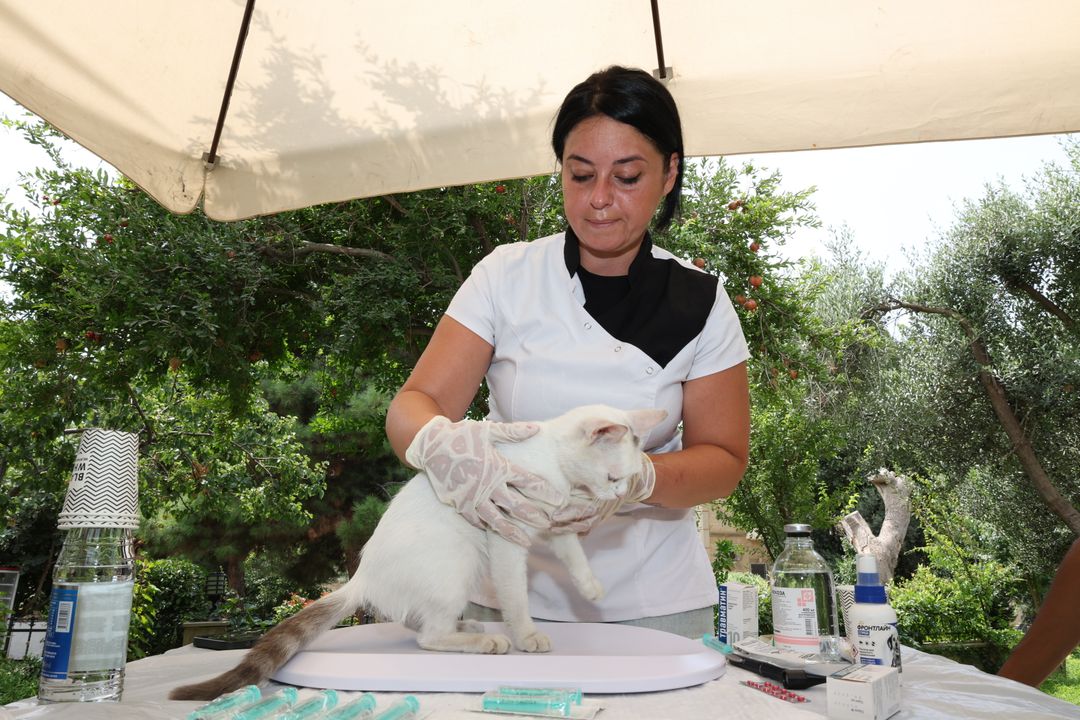
Adopters frequently notice that a rescue’s adoption fee is less than a single vet visit would cost them, and reasonably wonder how that works.
The answer is a specific set of arrangements between rescues and veterinary practices that is worth understanding — particularly if you are considering how to support either.
Why rescue vetting costs less
Several factors compound, and none of them involve worse medicine.
- Volume. A predictable block of scheduled work has real value to a practice.
- Efficiency. Doing twenty sterilisations in a day is far cheaper per animal than one.
- Negotiated rates. Most practices offer rescues a reduced schedule of fees.
- High-volume clinics. Some facilities specialise in sterilisation and nothing else.
- Donated time. Some vets contribute hours directly.
- Subsidy. Donations cover the gap between the fee and the true cost.
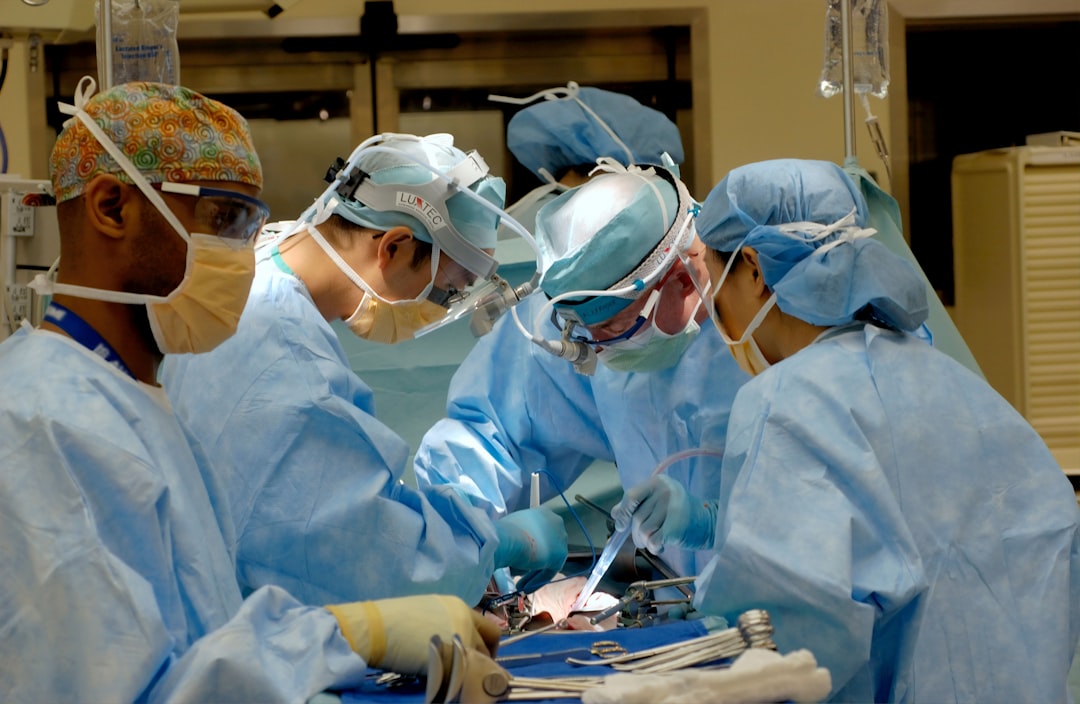
That last point is the one adopters most often miss. The adoption fee rarely covers what the cat cost — the difference is made up by donors and by the straightforward cats subsidising the expensive ones.
Our breakdown of where your donation actually goes covers those economics.
Shelter medicine is a distinct discipline
It is not general practice done cheaply. Shelter medicine is a recognised speciality with different priorities.
| Focus | Private practice | Shelter medicine |
|---|---|---|
| Primary patient | The individual animal | The individual and the population |
| Disease control | Case by case | Preventing outbreaks across a group |
| Protocols | Tailored per patient | Standardised for throughput and safety |
| Cost sensitivity | Owner decides | Fixed budget, competing needs |
| Typical caseload | Owned pets with history | Unknown history, often unsocialised |
That population focus explains protocols adopters sometimes query — blanket vaccination on intake, quarantine periods, and treating a whole foster network when one animal has ringworm.
ASPCApro publishes professional shelter medicine resources.
What a rescue account looks like
Most foster-based rescues run an account at one or more practices, with agreed rates and agreed authority.
- The rescue authorises who can present animals and approve treatment.
- Spending limits are set, above which someone must be consulted.
- Fosters bring animals in under the rescue’s name, not their own.
- Invoices go to the rescue rather than the individual.
- Records stay with the rescue and transfer to the adopter.

If you foster, this matters practically: never take a foster animal to your own vet as a private client without checking. It creates a bill nobody agreed and records the rescue does not hold.
Our beginner guide to fostering kittens covers how the arrangement works.
Why your own vet charges more
This is not a criticism of either party, and understanding it prevents a common misunderstanding.
A private practice bills for premises, equipment, staffing, out-of-hours cover and individual attention to your animal. There is no volume discount and no donor subsidy behind it.
A rescue rate reflects scheduled batches, standardised protocols and a practice choosing to accept a lower margin as a contribution.
Expecting your own vet to match a rescue rate misunderstands what each is providing. Our guide to the annual cost of owning a cat sets realistic expectations.
What adopters should ask for
When you adopt, the medical handover matters and is easy to get wrong.
- A written record of every treatment and date.
- Which vaccinations were given and when the next is due.
- Sterilisation date and which practice performed it.
- Microchip number and current registration details.
- FIV and FeLV testing status and results.
- Any ongoing condition, medication and dosing.

Take all of it to your own vet within two weeks. Our guides to the cat vaccination schedule and how often a cat should see the vet cover what happens next.
How to support this relationship
If you want rescue work to continue, the veterinary bill is where money goes furthest.
| Action | Effect |
|---|---|
| Donate to the veterinary fund specifically | Directly funds treatment |
| Fund one spay surgery | Concrete, traceable, prevents a litter |
| Use the practice that supports the rescue | Rewards them commercially |
| Leave them a review mentioning their rescue work | Costs nothing, helps them |
| Donate unused in-date supplies | Offsets consumables |

Choosing the practice that supports your local rescue is genuinely useful and costs you nothing. Practices that discount rescue work absorb a real cost, and paying clients are what make it sustainable.
Our guides to monthly giving versus one-time donations and sponsoring a shelter cat cover ways to give that map onto veterinary costs.
If you are a veterinary professional
Rescues need clinical partnership more than almost anything else, and the ask is often smaller than people assume.
A reduced rate schedule, a monthly block of sterilisation slots, or willingness to handle cats in traps all make a substantial difference to a small organisation.
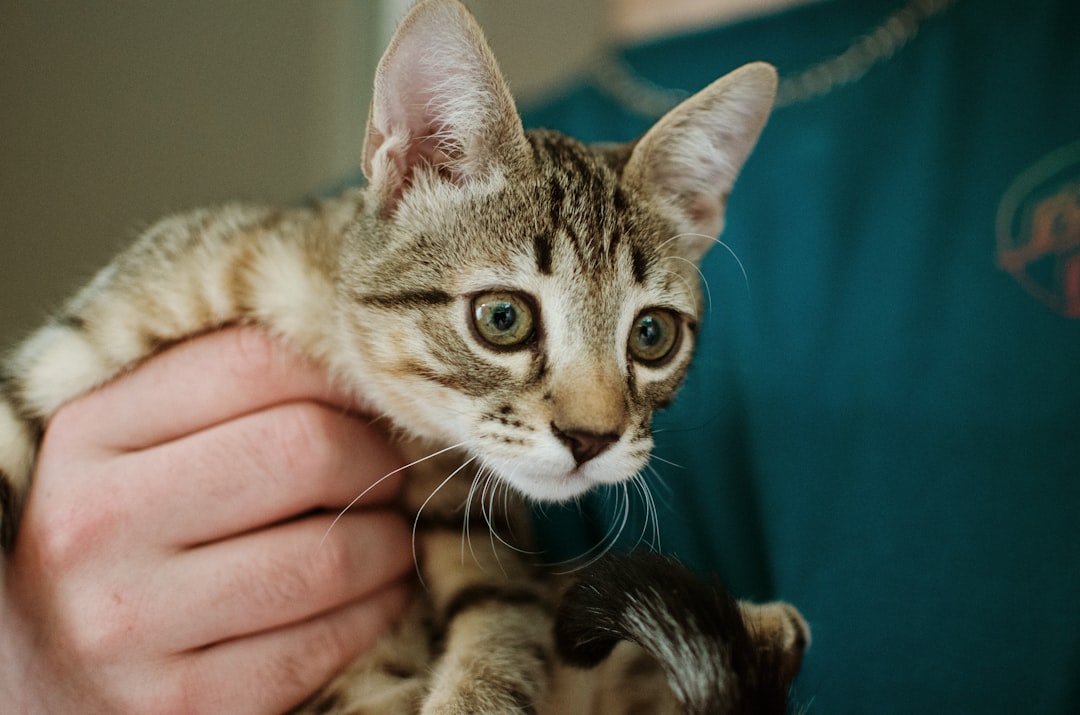
Our guide to donating professional skills to a rescue covers the wider point, and our contact page is the place to start a conversation.

When a foster animal needs emergency care
This is the situation fosters most need a plan for, and it should be agreed before it happens.
- Know in advance which emergency clinic the rescue uses.
- Know who to call at the rescue, and their out-of-hours contact.
- Know the spending limit you can authorise without approval.
- Present the animal in the rescue’s name, not your own.
- Keep every document and receipt.
Agreeing this at the point of taking a foster animal, rather than at 2am, prevents both delayed treatment and disputed bills.
Our guide to emergency vet care for cats in Fresno covers which symptoms genuinely cannot wait.
Frequently Asked Questions
Why is a rescue adoption fee less than a vet visit?
Volume scheduling, efficiency, negotiated rates, high-volume clinics and donor subsidy all compound. The fee rarely covers what the cat actually cost — donations make up the difference.
Is shelter medicine the same as regular veterinary practice?
No. It is a recognised discipline focused on the population as well as the individual, with standardised protocols for disease control, throughput and animals with unknown history.
Can I take a foster cat to my own vet?
Not without checking first. Foster animals are treated under the rescue’s account with agreed rates and authority. Going privately creates a bill nobody agreed and records the rescue does not hold.
Why will my vet not match rescue pricing?
Because a private practice bills for premises, equipment, staffing and out-of-hours cover with no volume discount or donor subsidy. Rescue rates reflect scheduled batches and a practice accepting lower margin.
What medical records should I get when adopting?
Written records of every treatment with dates, vaccinations given and next due, sterilisation date and practice, microchip number and registration, FIV and FeLV results, and any ongoing medication.
How can I support the rescue and vet relationship?
Donate to the veterinary fund specifically, fund a spay surgery, use the practice that supports your local rescue, and leave them a review mentioning that work. The last two cost nothing.