
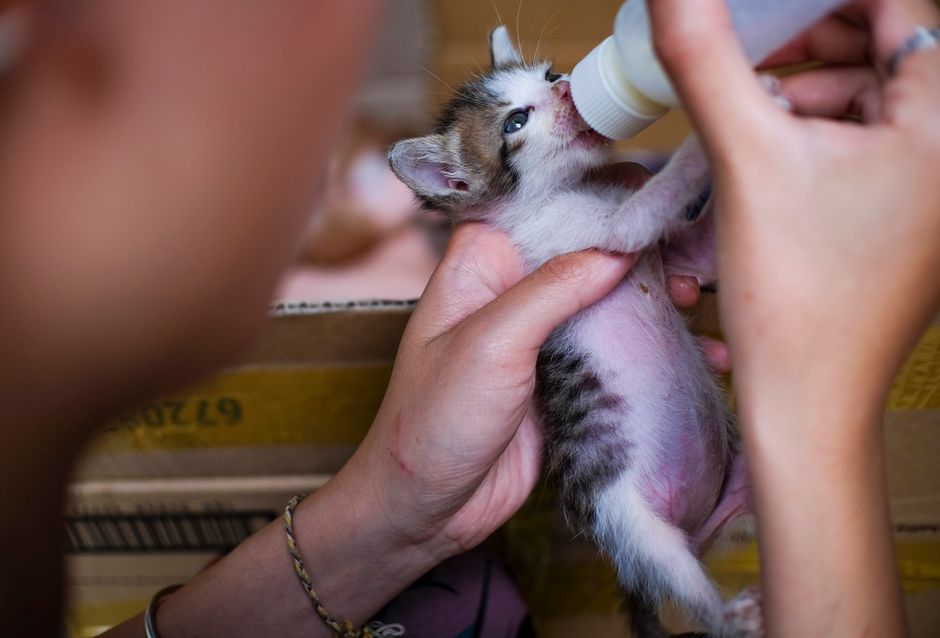
Fostering kittens is one of the most direct ways to help during kitten season, and it’s more approachable than it sounds — but neonatal kittens do have real, specific needs that are worth learning before your first litter arrives.
Essential Bottle-Feeding Supplies
Per the ASPCA’s kitten bottle-feeding guide, you’ll need pet-nursing bottles (with a couple of spare nipples on hand), a bottle brush for cleaning, and a thermometer to check formula temperature.
- Pet-nursing bottles with extra nipples
- Kitten milk replacement formula (never cow’s milk or human baby formula)
- A thermometer to check formula temperature (98–102°F)
- A bottle brush — formula residue gets stuck where a sponge can’t reach
- Pet-safe cleaning supplies for washing bottles and nipples
Preparing Formula the Right Way
Mix one part formula powder to two parts warm water (around 100°F), using the scoop provided with the formula. Never microwave a bottle directly — instead, heat a mug of water separately and float the bottle in it until the formula reaches the right temperature.
Feeding Technique Matters
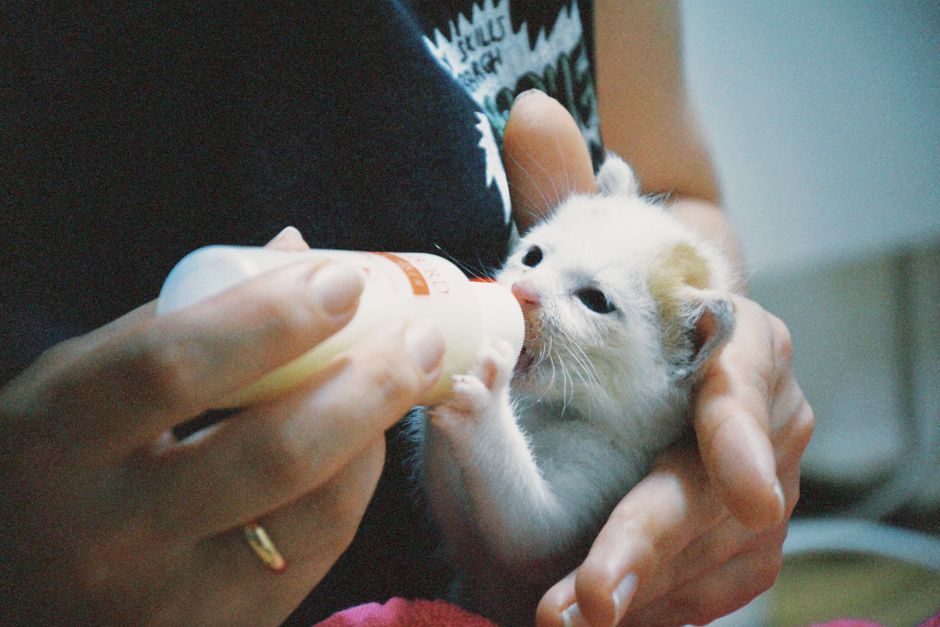
Always keep a kitten on its belly while feeding — this mirrors how it would nurse naturally from its mother. Feeding in any other position, especially on its back, can cause the kitten to aspirate formula, which is a real and serious risk. A typical successful feeding session takes about 5 to 10 minutes per kitten.
Setting Up a Nursery Space
Foster kittens need a warm, quiet, contained space — not free run of your whole home. A heating pad set on low, fully covered with a soft blanket, plus another blanket for the kittens to curl into, helps regulate body temperature that very young kittens can’t manage well on their own yet.
Tracking Growth
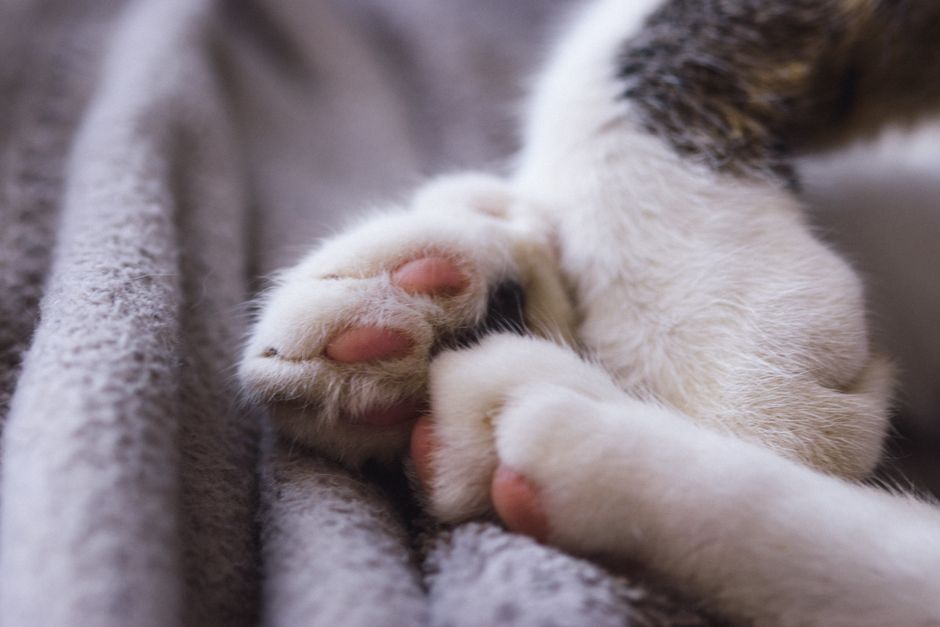
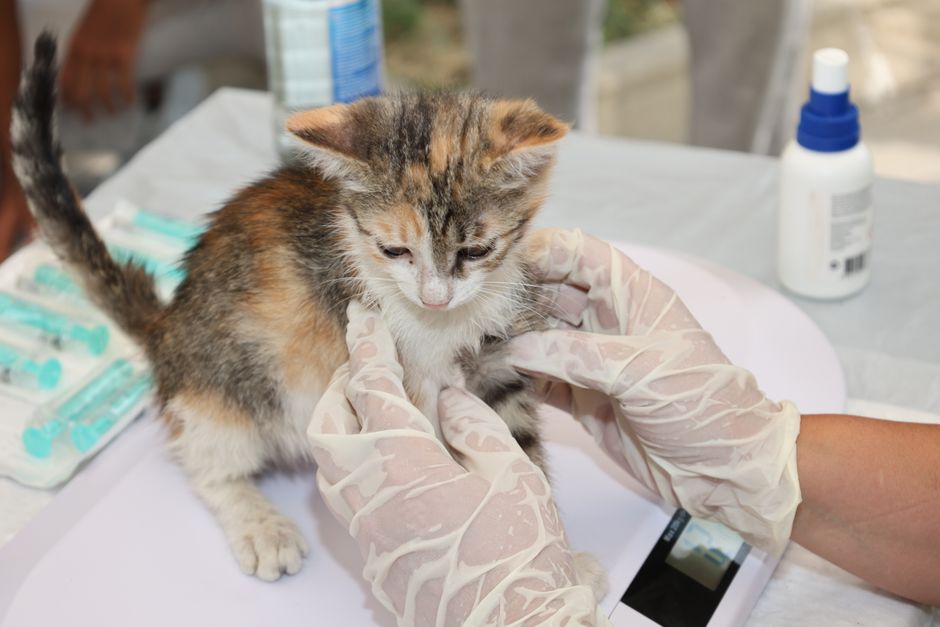
Weighing kittens regularly is one of the simplest ways to confirm they’re growing at a healthy rate — steady weight gain is one of the best early indicators that feeding and care are on track. Keep a simple daily log if you’re fostering more than one kitten at a time, so you can catch any individual kitten falling behind early.
As Kittens Get Older
- Around 2 weeks: introduce a shallow litter box with a small amount of litter
- Around 3–4 weeks: introduce a shallow water dish once kittens are weaned enough to lap on their own
- Weaning onto wet, then dry, food typically follows shortly after — your fostering organization will usually guide this transition
Why This Work Matters So Much
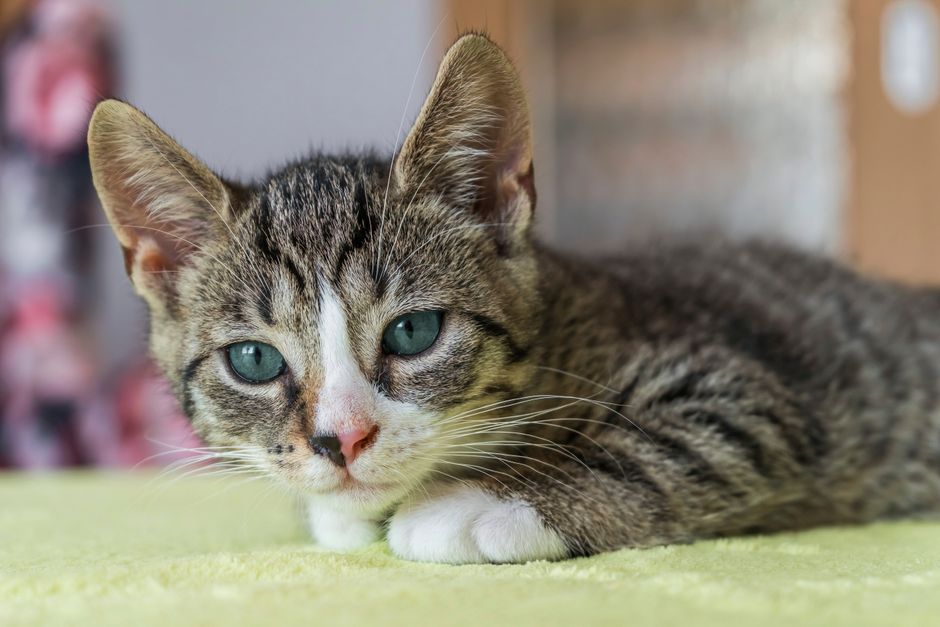
Very young kittens need this exact kind of round-the-clock, individualized care that shelters usually can’t provide at scale, especially during kitten season when intake surges. A single foster home taking in one litter meaningfully reduces the burden on shelter staff and directly increases the number of kittens who survive to adoption age.
Recognizing When Something Is Wrong
New fosters should watch for warning signs that need prompt veterinary attention: a kitten that refuses to eat for more than a few hours, labored breathing, persistent diarrhea, or a noticeable drop in body temperature (a kitten feeling cold to the touch is a genuine emergency, not something to just warm up and wait out). Neonatal kittens can decline quickly compared to adult cats, so erring on the side of an early vet call rather than waiting to see if a symptom resolves on its own is the safer default.
The Emotional Side of Fostering
It’s worth being honest about the harder parts of neonatal fostering before you start: the schedule is genuinely demanding, especially in the first couple of weeks, and despite everyone’s best efforts, not every kitten makes it. This isn’t a reason to avoid fostering — most fosters find the experience overwhelmingly positive — but going in with realistic expectations, rather than only the highlight-reel version, makes the harder moments easier to process when they happen.
What Your Fostering Organization Should Provide
A well-run fostering program typically supplies formula, bottles, and basic medical supplies, along with a support line you can call with questions at odd hours, since kitten emergencies don’t wait for business hours. If you’re considering fostering for the first time, ask your prospective organization directly what support looks like — a good answer here is often the clearest signal of how prepared you’ll actually be once kittens arrive.
Managing Multiple Litters at Once
During peak kitten season, some fosters end up caring for more than one litter at a time, whether by choice or because a rescue is stretched thin on foster capacity. If you’re new to fostering, it’s worth starting with a single litter before taking on more, since the learning curve of the first few weeks — recognizing normal versus concerning behavior, managing feeding schedules, handling the emotional weight of the responsibility — is real, and adding a second litter before you’re confident with the basics can leave both litters getting less attention than they need.
Involving Kids and Family Members
Fostering kittens can be a genuinely good family activity, but it’s worth setting clear expectations upfront about who handles the more demanding parts of the schedule — overnight feedings for very young kittens, in particular, aren’t realistic to assign to a child, even an enthusiastic one. Older kids can absolutely help with supervised feeding, weighing, and socialization once kittens are past the most fragile early weeks, which makes fostering a meaningful shared responsibility rather than falling entirely on one household member.
If you would rather match cats to homes than raise them, adoption counselling is the role rescues most often struggle to fill. Our guide to becoming an adoption counselor covers what it actually involves.
Most new fosters stop within a year, and the reasons are largely fixable by the organisation. Our guide to why fosters quit and how to keep them covers what good support looks like.
Foster capacity is the single biggest constraint on what a rescue can accept. Our guide to how rescues decide which cats to take in covers why one more foster home changes the answer.
Frequently Asked Questions
Can I feed foster kittens regular cow’s milk?
No — never feed kittens cow’s milk or other dairy products. Use a proper kitten milk replacement formula, not human baby formula either, mixed according to the package instructions.
What temperature should kitten formula be?
Around 98–102°F. Use a thermometer to check, and never heat a bottle or formula in a microwave — instead, float the bottle in a mug of warm water until it reaches the right temperature.
What position should a kitten be in while bottle-feeding?
On its belly, mimicking how it would nurse from its mother. Feeding in any other position, like on its back, can cause the kitten to aspirate formula into its lungs.
At what age can foster kittens start using a litter box?
Around two weeks old, kittens can start with a shallow litter box with just a small amount of litter. A shallow water dish can be introduced around three to four weeks, once they’re weaned enough to lap water on their own.
Ready to Foster Your First Litter?
Cats By The Tracks provides full support and supplies for new foster volunteers in the Fresno area.