

If you’ve ever wondered why shelters suddenly seem overwhelmed with kittens every spring, there’s a real, predictable biological reason behind it — and it’s a scale problem most people underestimate until they see the numbers.
What Kitten Season Actually Is
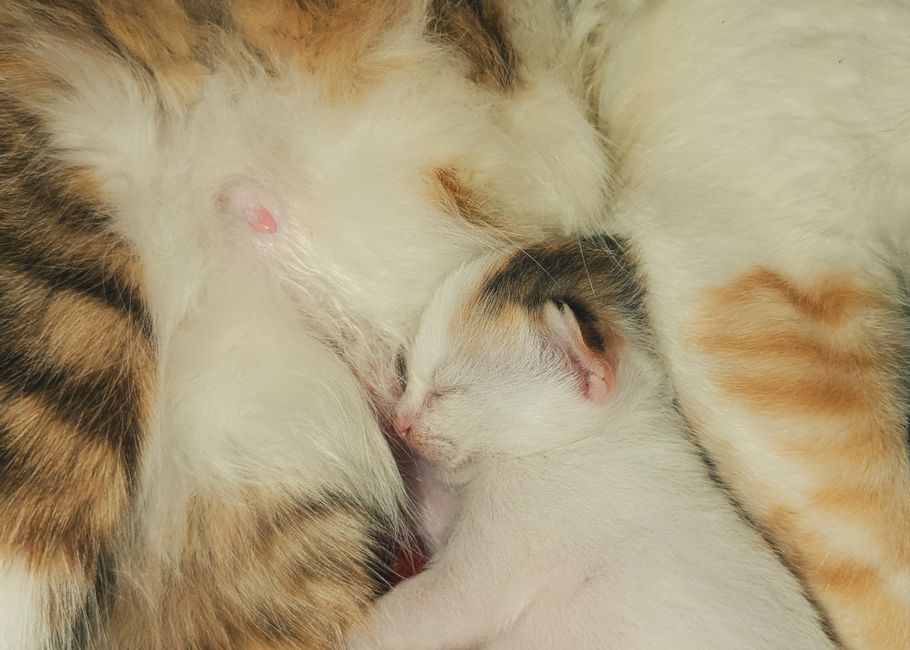
Per Best Friends Animal Society, kitten season is the period each year when cats reproduce rapidly, typically starting in early spring and peaking through summer before tapering off by early fall. Longer daylight hours and warmer temperatures trigger cats into heat more frequently — and a single unspayed female can have three to four litters in one season.
The Scale of the Problem
The numbers are genuinely staggering: an estimated 1.5 million kittens enter shelters every year, with most arriving during May and June specifically. Some shelters have reported as many as 100 kittens coming through their doors in a single day at the height of the season.
| Fact | Detail |
|---|---|
| Typical start | Early spring (March–April) |
| Peak months | May–June |
| Season end | Early fall (around November) |
| Litters per season, per unspayed cat | Up to 3–4 |
| Kittens entering shelters annually | ~1.5 million (U.S.) |
Why This Overwhelms Shelters Specifically
Cats can reproduce fast, and kittens themselves can begin reproducing at only around four months old — meaning a population can grow rapidly within a single season if left unmanaged. The real strain comes from very young kittens needing near-constant, round-the-clock care and feeding, which most shelters simply aren’t staffed to provide at scale during the peak influx.

Why Fostering Is the Real Bottleneck
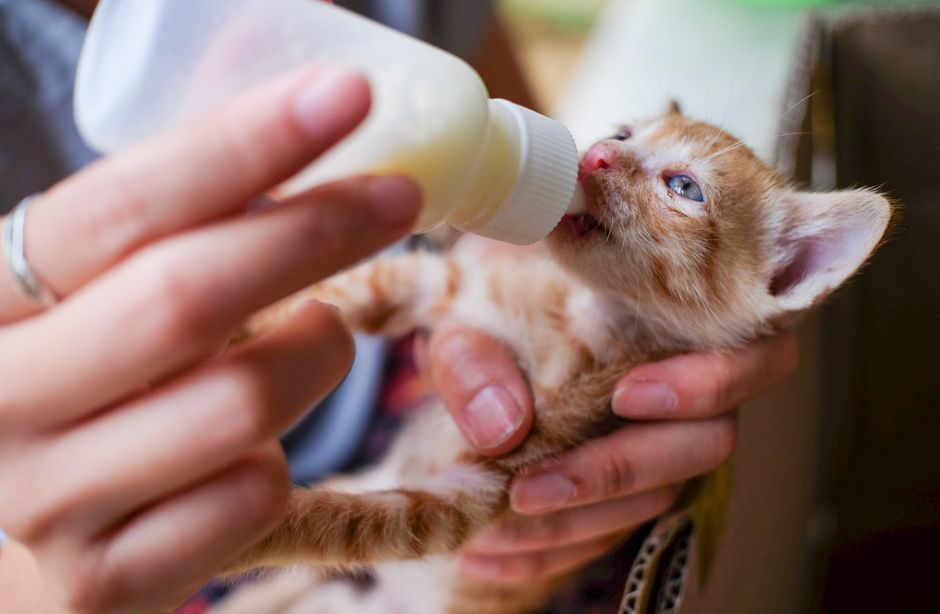
This is exactly why so many rescues focus their kitten-season messaging on recruiting foster homes rather than just asking for donations. Bottle-feeding a litter of neonatal kittens every two to three hours around the clock isn’t something a typical shelter facility can do at volume — but a single foster home can absorb that workload for one litter at a time.
If you’re interested in fostering, our beginner’s guide to fostering kittens covers exactly what supplies and skills you’ll need before taking in your first litter.
How TNR Fits In
Spay/neuter — including trap-neuter-return for outdoor community cats — is the actual long-term fix for kitten season’s scale, since it stops the reproduction driving the surge in the first place. See our guide to what TNR is and how to trap a cat for TNR if you want to help at that level.
If You Find a Kitten During Peak Season
- Watch from a distance first — the mother cat may still be nearby and actively caring for the litter
- Only intervene if kittens appear sick, injured, or truly abandoned for an extended period
- Contact a local shelter or foster-based rescue before assuming a kitten needs to be removed from its environment
- See our guide on what to do if you find a stray cat for the full decision process

Why Some Regions Have It Worse
Kitten season hits warmer climates harder and for longer, since cold winters naturally interrupt breeding cycles in colder regions while milder areas like the Central Valley see a longer effective breeding window each year. This is part of why California shelters in particular report some of the highest kitten intake volumes in the country — the climate itself works against natural population control that colder states get for free during winter months.
The Adopter’s Side of Kitten Season
For adopters, kitten season means the widest selection of kittens all year, but it also means shelters and rescues are stretched thinnest exactly when demand for adoption counseling and matching support is highest. Adopting during this period is genuinely helpful — it opens up space for the next incoming litter — but patience with response times from an overwhelmed rescue is worth extending during these months specifically.
What Rescues Do Behind the Scenes
Beyond fostering and TNR, rescues spend kitten season juggling triage decisions most adopters never see — which litters need the most urgent medical intervention, which foster homes have capacity for one more kitten, and how to balance adult cat adoptions against the kitten surge so older cats don’t get completely overlooked during the busiest months. Understanding this behind-the-scenes strain is part of why supporting a rescue during kitten season, whether through fostering, donations, or simply adopting an adult cat instead of a kitten, matters more during these specific months than at other times of year.
Preparing to Foster Before the Surge Hits
Rescues generally recruit foster homes well before kitten season actually peaks, since training new fosters and gathering supplies takes real time that’s much harder to find once litters start arriving in volume. If you’re even considering fostering during a future kitten season, reaching out to a local rescue in late winter — well before the spring surge — gives you time to get trained, gather basic supplies, and be genuinely ready when the first litters of the year start coming in, rather than scrambling to onboard during the busiest possible week.
This lead time also benefits the rescue directly — a roster of pre-trained, ready fosters means less time spent on emergency recruitment and orientation during the exact period when staff time is already stretched thinnest managing daily intake.
What Happens to Kittens Without Enough Foster Capacity
When foster capacity runs short during peak kitten season, the consequences are real: kittens may spend longer in shelter environments not well-suited to their fragile immune systems, healthy adult cats may get less attention and shelter space as resources shift toward the more time-intensive kitten intake, and in the most severe cases, some shelters face difficult euthanasia decisions purely due to space and staffing limits rather than any medical necessity. This is exactly why foster recruitment messaging tends to intensify specifically during these months — the gap between available foster homes and incoming kittens has real consequences on the ground.
If you have found a litter during kitten season, our guide to what to do when you find newborn kittens covers how long to wait for the mother and the two mistakes that most often prove fatal.
Capacity is at its tightest exactly when demand peaks. Our guide to how rescues decide which cats to take covers what that pressure does to intake decisions.
Frequently Asked Questions
When exactly is kitten season?
It typically begins in early spring (March or April), peaks in summer, and tapers off by early fall — though in warmer climates it can start earlier and run longer than in colder regions.
Why does kitten season happen at all?
Longer daylight hours and warmer temperatures trigger cats to go into heat more frequently, and an unspayed female cat can have as many as three to four litters in a single season.
How many kittens actually need help each year?
Roughly 1.5 million kittens enter shelters annually in the U.S., with most arriving during the May–June peak — some shelters see up to 100 kittens brought in during a single day at the height of the season.
What’s the single biggest way to help during kitten season?
Fostering. Very young kittens need round-the-clock bottle feeding and care that most shelters simply don’t have the staff or space to provide, which makes foster homes the bottleneck resource during peak season.
Want to Help During Kitten Season?
Cats By The Tracks always needs more foster homes, especially during peak kitten season.