
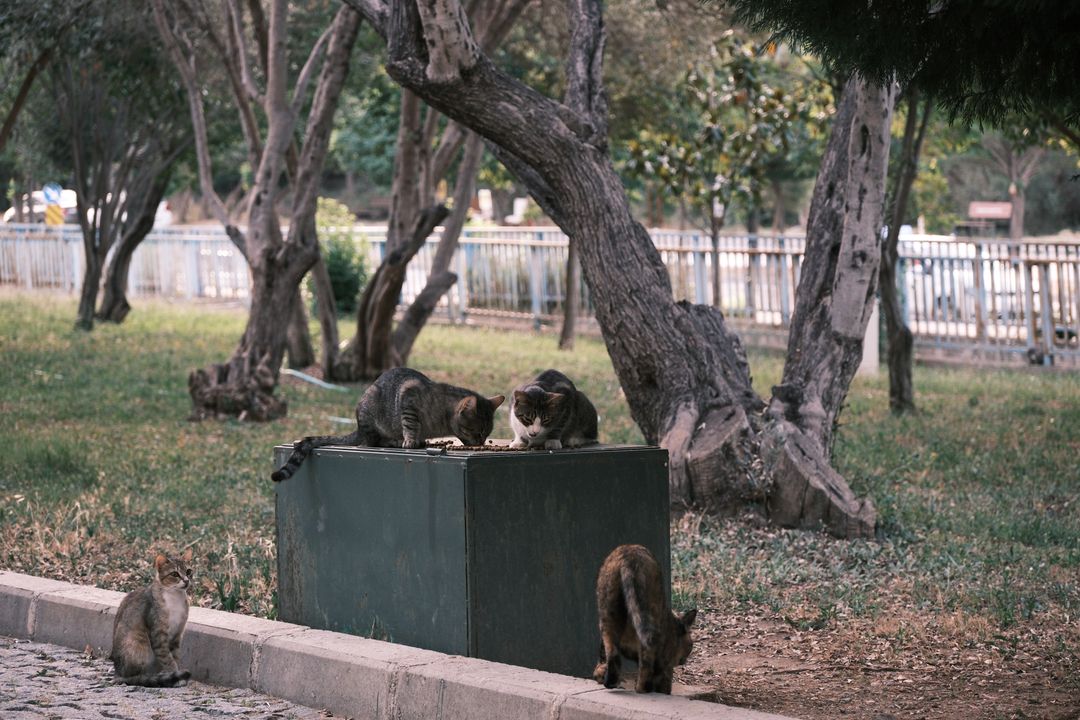
Ask a caretaker how many cats are in their colony and you will usually get a number. Ask them to name and describe each one and the number frequently changes.
Accurate counts matter more than they sound, because everything downstream depends on them — how many clinic slots to book, whether you have reached the sterilisation threshold, and whether the colony is actually shrinking.
Why counts are usually wrong
- Cats visit at different times, so no single observation sees them all.
- Similar-looking cats get counted as one — black cats especially.
- One distinctive cat gets counted twice under different descriptions.
- Nocturnal visitors are missed entirely.
- Neighbouring cats and owned cats get included.
- Kittens appear and are counted before it is clear whether they survive.
Undercounting is more common than overcounting, and it is the more damaging error — it produces a TNR plan that stops short of the threshold where numbers actually fall.
Our explainer on the population maths behind TNR covers why reaching roughly eighty per cent matters.
Establish a fixed feeding time first
Everything else depends on this. Feeding at inconsistent times produces inconsistent observation.
Feed at the same time and place daily for at least a week before attempting to count. Cats learn schedules quickly and will begin turning up reliably.
Dusk generally works better than dawn for observation, because you have some light and the cats are active.
The methods, roughly by usefulness
| Method | Accuracy | Effort | Notes |
|---|---|---|---|
| Trail camera at the station | Highest | Low once set up | Catches nocturnal and shy cats |
| Photographic log over 2 weeks | High | Moderate | Build an identification sheet |
| Repeated timed observation | Moderate | Moderate | Same time daily, written down |
| Food consumption estimate | Low | Trivial | Rough sanity check only |
| Single visual count | Lowest | Trivial | Almost always wrong |

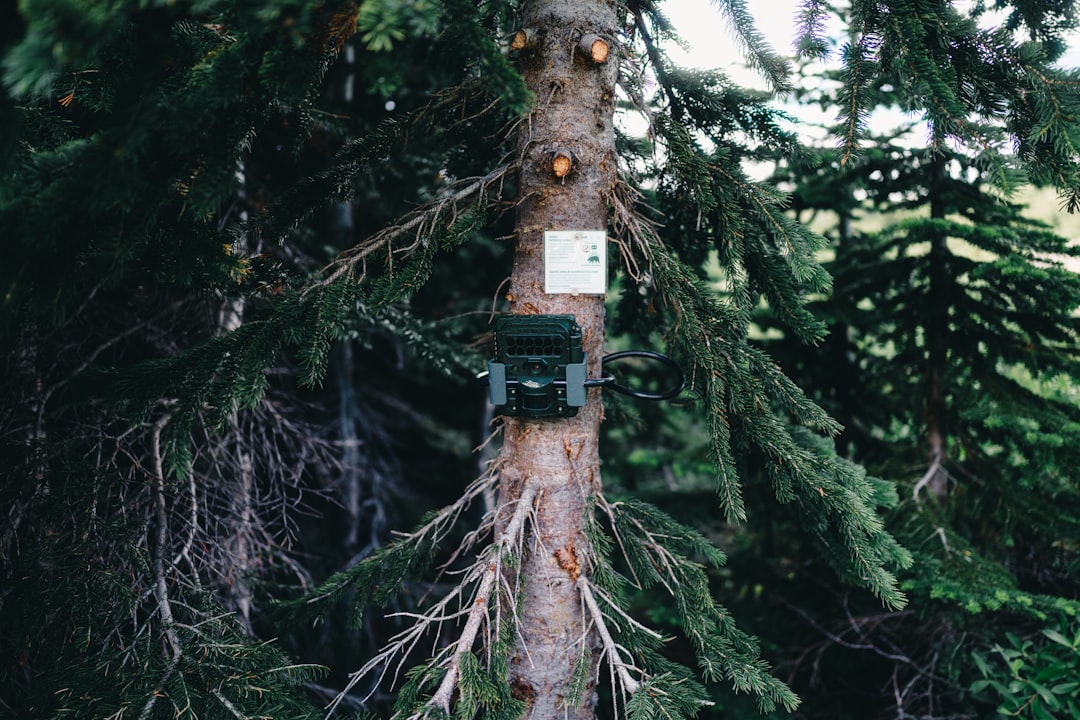
A cheap trail camera is transformative and costs less than a single spay surgery. It runs overnight, catches the cats that never appear while you are present, and settles arguments about whether a cat is still around.
Neighborhood Cats publishes practical guidance on colony assessment and planning.
Building an identification sheet
The goal is a document where each cat has a photograph and a written description, so anyone can match a cat to the list.
- Photograph every cat you see, repeatedly and from different angles.
- Record coat colour, pattern, and any distinctive markings.
- Note ear tip status — and which ear.
- Note approximate size and build, and sex if you can tell.
- Note any scars, kinked tails, missing fur or other distinguishing features.
- Give each cat a name or number so descriptions stay consistent.
Naming matters more than it sounds. “The black one” is useless when there are three; “Domino” is unambiguous and lets several people use the same list.
The black cat problem
Solid-coloured cats, particularly black ones, are the main source of counting error, and they are common in colonies.
Distinguish them by size and build, eye colour, small white patches, ear tip status, tail shape and behaviour rather than by coat.

Photograph them in good light and deliberately over-expose, which is the same technique used for adoption listings. Our guide to photographing cats covers it.
Deciding what counts as your colony
Colony boundaries are rarely as neat as caretakers assume, and this affects the numbers considerably.
- Some cats visit multiple feeding sites run by different people.
- Owned cats from nearby houses often turn up for a second dinner.
- Cats range further before sterilisation than after.
- A neighbouring colony may overlap at the edges.
Talk to anyone else feeding in the area. Two caretakers each reporting fifteen cats may be describing substantially the same animals.
Our guide to friendly cats found in colonies covers identifying the owned visitors specifically.
Counting kittens
Kittens complicate counts because mortality is high and they appear in batches.
Record litters separately from the adult count, note approximate age, and re-check after a few weeks rather than adding them to the standing total immediately.
For planning purposes what matters most is the number of unsterilised adult females, since that determines how many litters are still coming.
Our guide to estimating a cat’s age covers judging kitten age from a distance.
Turning the count into a plan
Once you have a reliable number, the arithmetic becomes straightforward.
- Total adults, and how many are already ear-tipped.
- Unsterilised adults remaining — this is your target.
- Of those, how many are female, which sets the priority order.
- Clinic slots needed, plus a margin.
- Realistic sessions required, given trap availability.

Our guides to mass trapping large colonies and getting started with TNR in Fresno cover turning that plan into scheduled surgeries.
Re-counting afterwards
The count is not a one-off exercise. Repeat it at least annually, and after any disruption.
This is how you demonstrate that TNR is working — a colony that has gone from twenty-two to fourteen over three years is evidence, and it is the sort of number funders and city officials respond to.

It also catches new arrivals early, which is what stops a stabilised colony growing again.
Our guide to colony record keeping covers maintaining the log, and when a colony cat goes missing covers interpreting a drop in numbers.

Keeping the count current
A count is a snapshot, and colonies change. The number that matters for planning is the one you can still trust in three months.
- Re-count seasonally rather than once — spring numbers differ sharply from winter.
- Log every new arrival with the date and a description.
- Log every cat that stops appearing, and for how long.
- Record ear-tips separately from unfixed cats, so remaining work is visible.
- Note kittens by litter, not individually, until they are old enough to distinguish.
A shared spreadsheet beats one person’s memory, particularly where several people feed. Colonies with two or three feeders routinely double-count, because everyone is counting the same cats at different hours.
Our guide to what to do when a colony outgrows its site covers acting on what the count is telling you.
Frequently Asked Questions
Why are colony counts usually wrong?
Cats visit at different times, similar-looking cats get merged, distinctive cats get double-counted, and nocturnal visitors are missed. Undercounting is more common and more damaging than overcounting.
What is the best way to count a colony?
A trail camera at the feeding station, combined with a photographic identification log built over about two weeks. The camera catches nocturnal and shy cats that never appear while you are present.
How do I tell similar black cats apart?
By size and build, eye colour, small white patches, ear tip status, tail shape and behaviour rather than coat. Photograph in good light and deliberately over-expose to bring out detail.
Should I count kittens in the colony total?
Record them separately with approximate ages and re-check after a few weeks, since mortality is high. For planning, what matters most is the number of unsterilised adult females.
How do I know where my colony ends?
Talk to anyone else feeding nearby. Cats visit multiple sites, owned cats turn up for second dinners, and two caretakers each reporting fifteen cats may be describing largely the same animals.
How often should I re-count?
At least annually and after any disruption. Repeat counts prove TNR is working — a colony falling from twenty-two to fourteen over three years is exactly the evidence funders and officials respond to.