
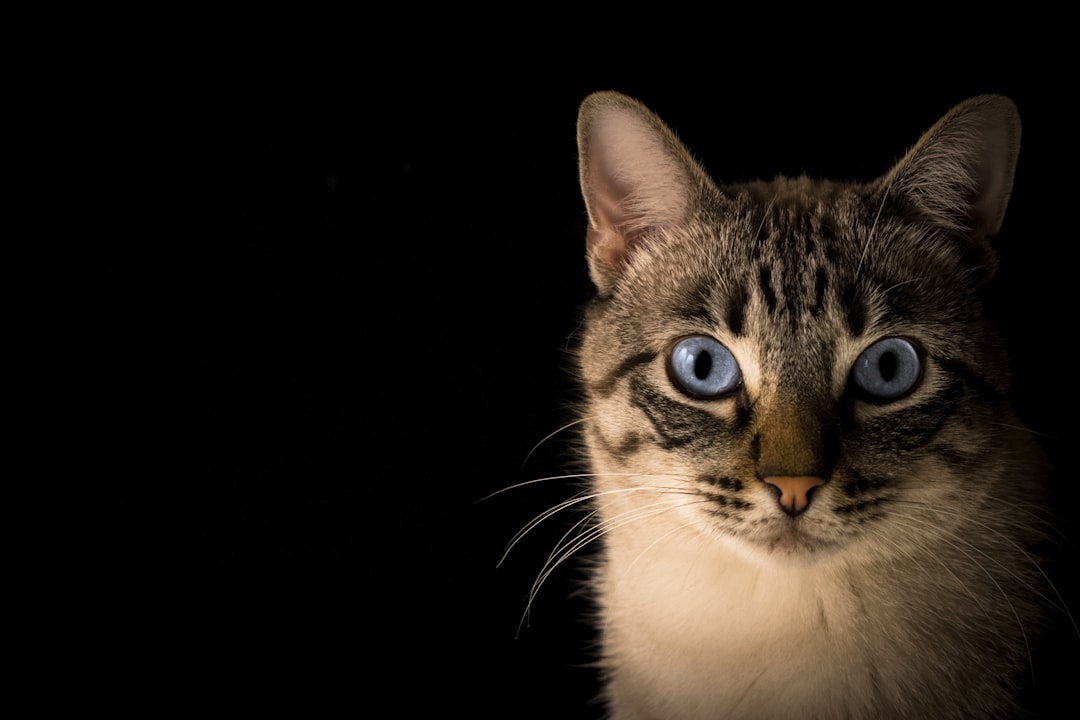
A cat’s photograph is the single biggest factor in how quickly it gets adopted, and most shelter photos actively work against the animal.
Bad photos are not a cosmetic problem. Cats photographed badly wait longer, take up capacity longer, and some never leave at all.
None of this needs a professional camera. A phone, a window and ten minutes will beat almost anything currently on most listings.
Why listing photos matter so much
Adopters browse dozens of thumbnails and stop on maybe three. That decision happens in under a second and is made almost entirely on the image.
A cat photographed through cage bars, from above, in fluorescent light, looks frightened and unwell. The same cat on a blanket in window light looks like a pet.
- Cage bars read as “this animal is confined and possibly dangerous”.
- Overhead angles make cats look small, cowering and defensive.
- Fluorescent light turns fur green or grey and flattens features.
- Flash produces reflective eyes that look genuinely alarming.
- Cluttered backgrounds pull attention away from the cat entirely.

The five rules that fix most photos
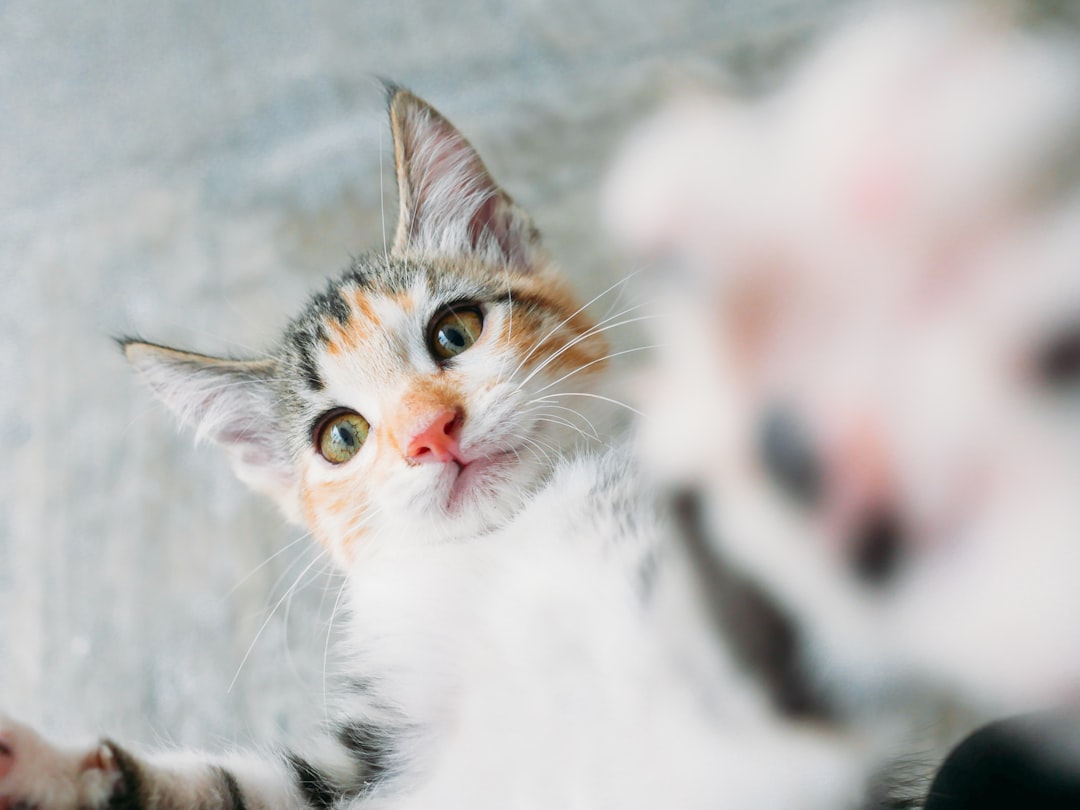
- Get low. Shoot at the cat’s eye level, even if that means lying on the floor.
- Use window light. Position the cat facing a window, and never use flash.
- Get the cat out of the cage. A carry room, an office or a foster living room all work.
- Simplify the background. A plain blanket removes every distraction.
- Focus on the eyes. Tap the screen on the eye before shooting.
Those five alone will transform a listing. Best Friends Animal Society publishes further guidance on shelter pet photography.
Photographing black cats
Black cats wait considerably longer than any other colour in almost every shelter, and photography is a large part of why.
Cameras expose for the overall scene, so a black cat against a light background becomes a featureless silhouette. The face disappears.
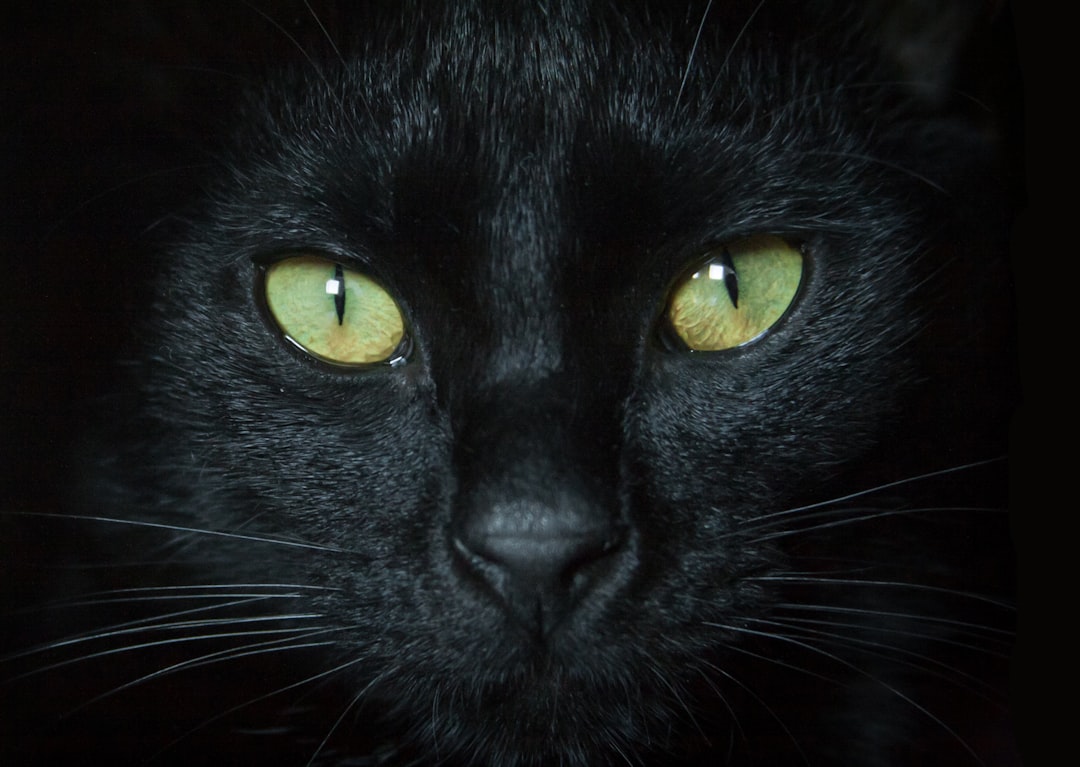
| Problem | Fix |
|---|---|
| Cat becomes a black blob | Increase exposure manually, tap and slide up |
| No facial detail | Use a mid-grey or coloured background, not white |
| Eyes invisible | Turn the cat toward the window so eyes catch light |
| Fur looks flat | Side lighting rather than straight-on |
| Dull overall image | Add a coloured blanket or bandana for contrast |
Deliberately over-exposing by a stop or so is the single biggest improvement. Our piece on why black cats are harder to adopt covers the wider problem.
Getting a good expression
A cat asleep in a ball is not a listing photo. Adopters want to see a face, ideally an alert and engaged one.
Use a wand toy or a crinkly sound just off camera to get ears forward and eyes wide. Have someone else hold the toy while you shoot.
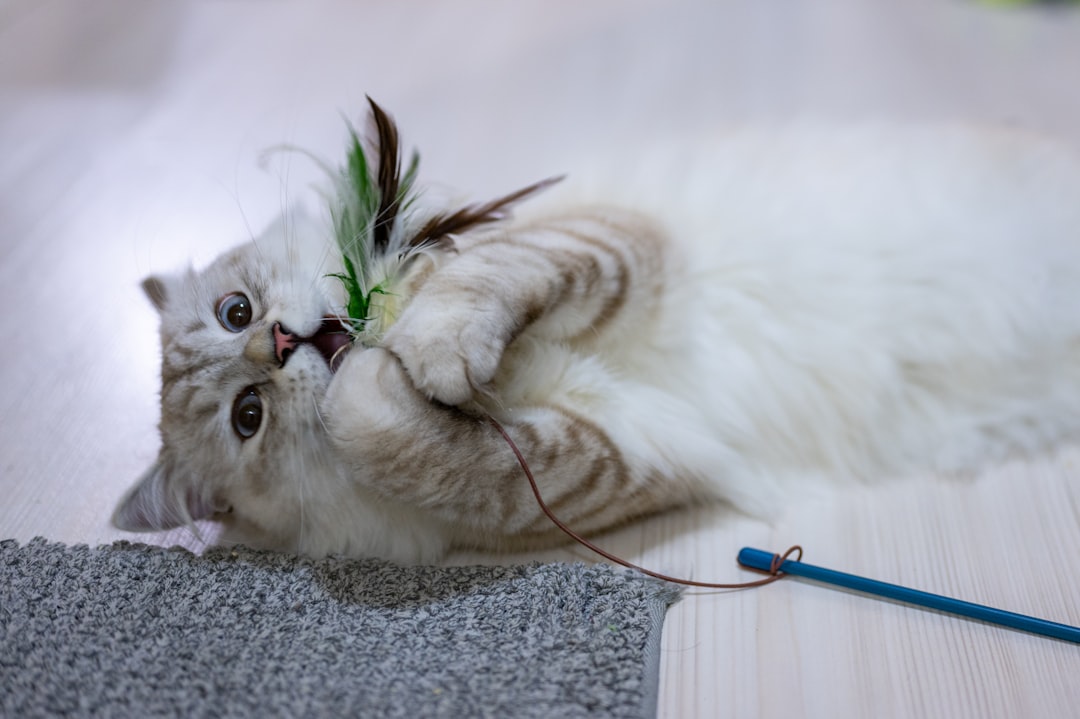
Do not force it. A frightened cat photographed while restrained looks exactly like a frightened restrained cat, and adopters read that instantly.
If a cat is too stressed, wait a day. Our guide to reading cat body language covers the signals that mean stop.
Practical setup that costs nothing
- A room with a large window and no overhead lights on.
- A plain blanket in a mid tone — grey, blue or burgundy.
- A wand toy and something that crinkles.
- A second person, which roughly doubles your success rate.
- A phone with the flash turned off and portrait mode available.
Shoot far more frames than you need. Cats move constantly, and a usable expression may appear in one shot out of forty.
What to include in the set
One photo is never enough. A good listing carries a small set that answers different questions.
| Shot | What it shows | Why adopters want it |
|---|---|---|
| Head and shoulders portrait | Face and eyes | The emotional hook |
| Full body, standing | Size and condition | Realistic expectations |
| Interacting with a person | Sociability | Proof it likes people |
| Playing | Energy level | Suits their household or not |
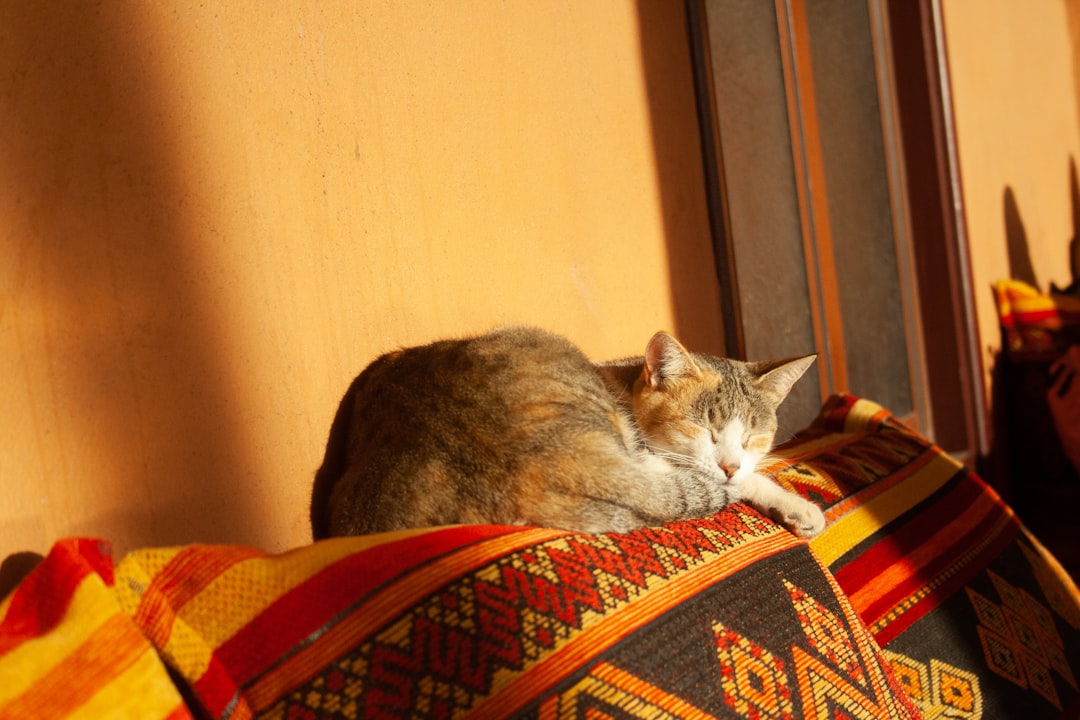
| Relaxed and sleeping | Temperament at rest | Shows it settles |
| With another cat, if relevant | Social compatibility | Critical for multi-cat homes |
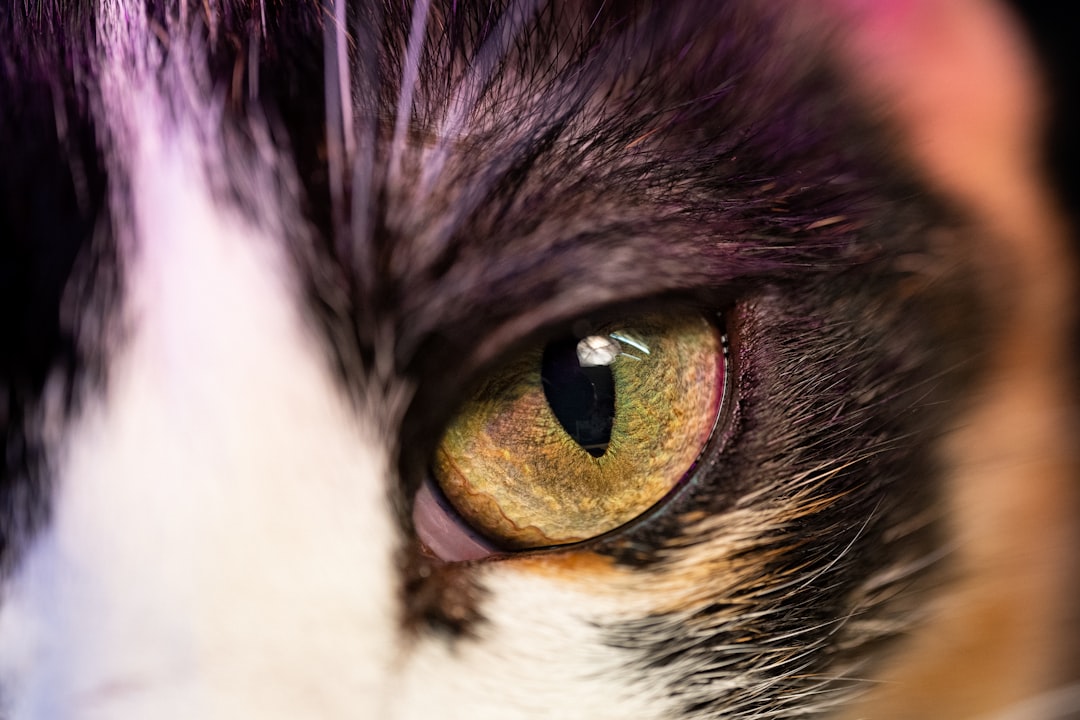
A short video clip outperforms almost any still image. Ten seconds of a cat playing or being stroked tells adopters more than a paragraph of description.
Mistakes worth avoiding
- Shooting through cage bars or mesh, ever.
- Using flash, which produces reflective eyes and flattens fur.
- Photographing from standing height looking down.
- Heavy filters that misrepresent the cat’s actual colour.
- Cluttered backgrounds with cleaning supplies or paperwork visible.
- Waiting for a professional photographer who may never arrive.
That last one matters most. A decent phone photo published today beats a perfect photo taken next month.
If you want to help with this
Photography is one of the most useful volunteer roles a rescue has, and one of the least commonly offered.
It requires no animal handling qualification, can be done in a couple of hours, and directly shortens how long cats wait.
Our list of volunteer opportunities beyond fostering covers other roles, and our volunteer page covers current needs.
Good photographs pair with good written descriptions. Our guide to writing adoption profiles that actually get cats adopted covers the other half of the listing.
Photographing a cat that will not cooperate
Some cats will not sit still, will not look up, or bolt the moment a phone appears. That is normal, and forcing it produces exactly the photo you do not want.
- Shoot from further away with zoom rather than crowding the cat.
- Photograph it where it already is, rather than moving it somewhere better lit.
- Wait for the settled moment after play rather than during it.
- Use burst mode and discard ninety per cent afterwards.
- Come back another day — a cat three weeks into foster care is a different animal.
For genuinely fearful cats, a photo taken through a doorway with a long lens beats anything achieved by handling. The relaxed expression matters far more than the composition.
Our guide to helping a shy shelter cat settle in covers building the confidence that makes a good photo possible in the first place.
Frequently Asked Questions
Do I need a professional camera to photograph shelter cats?
No. A modern phone is entirely sufficient. Lighting, angle and background matter far more than the camera — a phone photo taken in window light beats a professional shot in fluorescent light.
How do you photograph a black cat properly?
Increase exposure manually rather than letting the camera decide, use a mid-tone background instead of white, and turn the cat toward the window so light catches the eyes and shows facial detail.
Should I use flash when photographing cats?
No. Flash produces reflective eyeshine that looks alarming to adopters, flattens fur texture and startles the cat. Natural window light with no overhead lighting is far better.
How many photos should an adoption listing have?
Several, each answering a different question — a face portrait, a full body shot, one interacting with a person, one playing, and one relaxed. A short video clip outperforms any single still.
What is the most common shelter photography mistake?
Shooting through cage bars from standing height. It makes the cat look confined and defensive, and it is the single quickest thing to fix by moving the cat to a quiet room.
Can photography really speed up adoptions?
Yes, substantially. Adopters scan thumbnails and decide in under a second, so the image does almost all the work. Better photographs measurably shorten how long cats wait.