
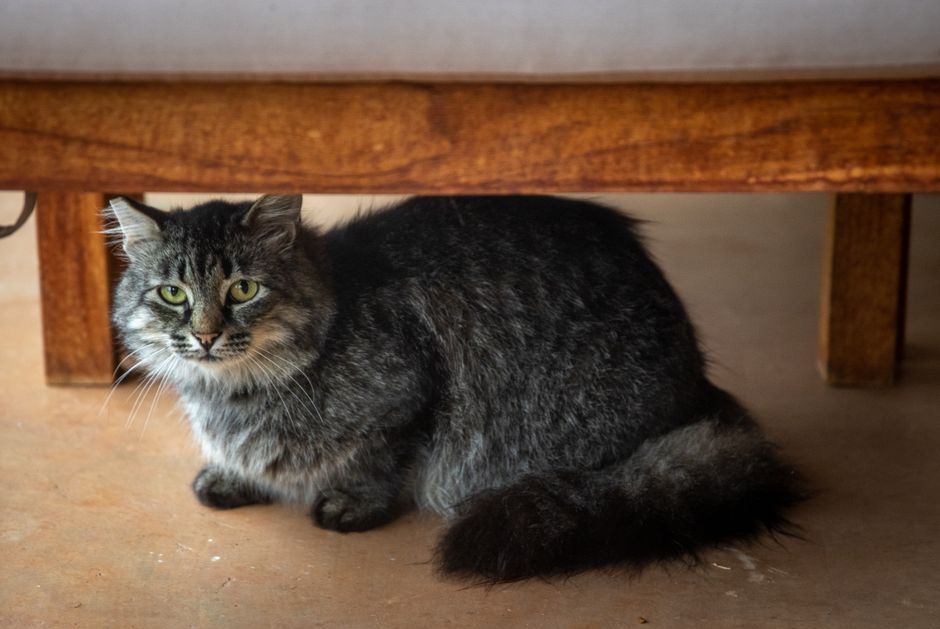
A shy cat coming out of its shell isn’t a matter of forcing progress — it’s almost entirely about patience, a safe setup, and reading the cat’s own signals correctly.
Start With a Safe, Contained Space
Introduce a shy cat to a new home room by room rather than all at once. Set up food, water, a litter box, and a bed in a low-traffic room you can close off from the rest of the house, and make sure there are plenty of cat-friendly spots — high perches and quiet hiding spaces — where the cat can retreat and observe.
Read the Body Language Before Approaching
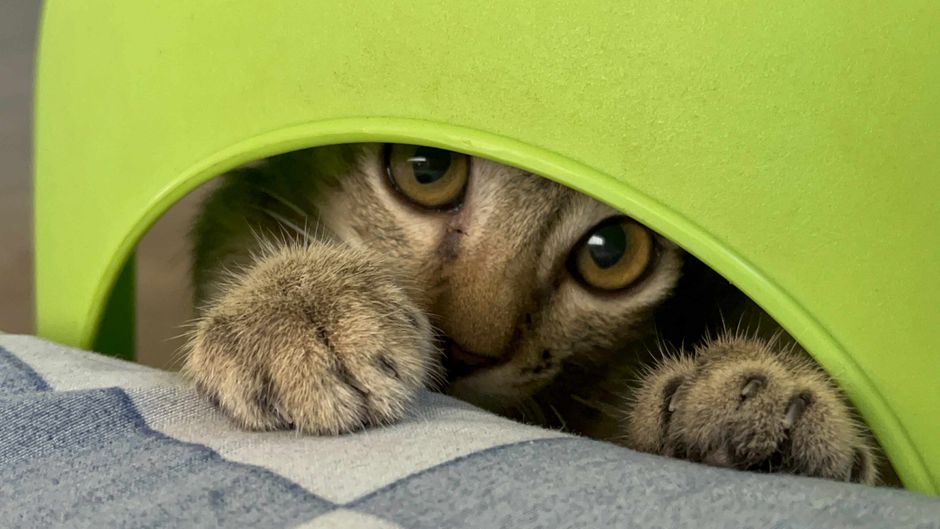
Too much direct attention can make a shy cat feel worse, not better. If a cat is cowering, backing away, or showing flattened ears or a puffy tail, that’s a clear signal to back off rather than push forward — ignoring it just adds more stress. Speak calmly, and let interaction happen on the cat’s terms rather than yours.

Our guide to reading cat body language covers these specific signals in more depth.
Use Play and Treats as a Bridge
Interactive wand-style toys — a cat dancer or fishing pole toy — often work well because play-motivated cats will engage even while still too nervous for direct petting. Gently tossing treats, offering pets only if it doesn’t spook the cat, and praising in a soothing voice all reinforce that good things happen when you’re nearby.

Just Sit Nearby
One of the most effective, least demanding techniques is simply sitting quietly near a shy cat, talking softly, and avoiding sudden movements or sounds. Done consistently, this often leads a cat to eventually decide you’re safe enough to approach on its own timeline.
Set Realistic Expectations
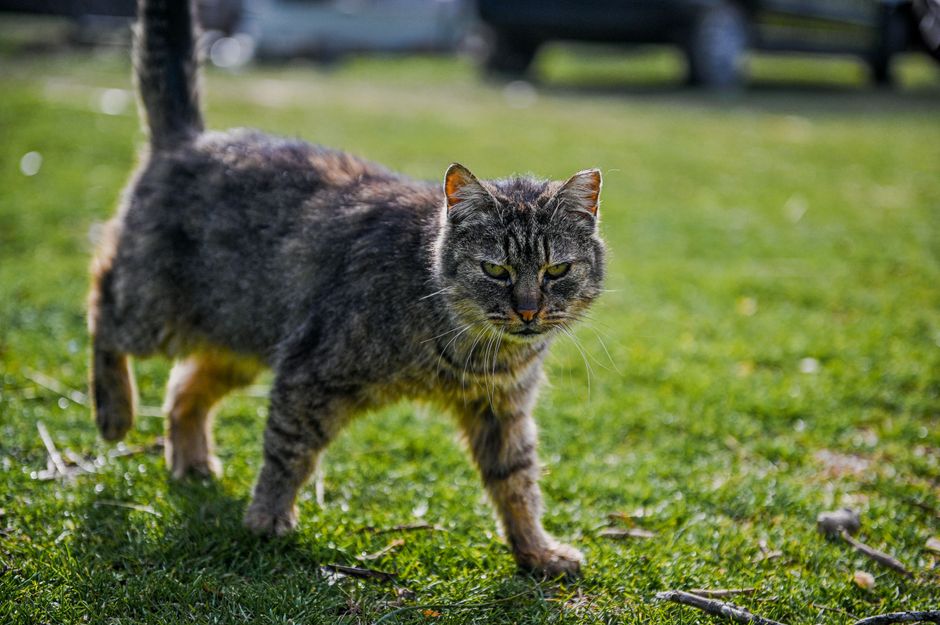
Shy cats generally stay somewhat shy by nature, and it takes at least several months to feel truly comfortable in a new home. It’s also completely normal for a shy cat to initially regress and act even more nervous right after moving in — this doesn’t mean something is wrong; it’s just part of the adjustment.
See our first 30 days with a new cat guide for a week-by-week look at what this timeline typically looks like.
Involving Other Household Members Carefully
A shy cat’s adjustment can be genuinely disrupted by too many new people trying to build trust simultaneously, so it’s worth establishing one primary point of contact — often whoever spends the most time at home — before gradually introducing other family members. Ask visitors and even other household members to let the cat approach them rather than initiating contact, and consider limiting the number of new people the cat meets in its first week or two, since novelty itself is a form of stress for an already nervous cat.
When Shyness Might Signal Something More
While most shy behavior is simply a matter of temperament and adjustment time, persistent hiding paired with a loss of appetite, weight loss, or a complete refusal to use the litter box for more than a day or two warrants a call to your vet rather than assuming it’s purely behavioral. Distinguishing normal shy-cat behavior from a genuine medical issue matters, since the two can look similar on the surface but require very different responses.
Celebrating Small Wins Along the Way
Progress with a shy cat rarely looks like a dramatic single breakthrough — it’s usually a string of small, easy-to-miss moments: a cat that finally eats while you’re in the room, one that blinks slowly at you from across the space, or one that chooses to sleep somewhere slightly more visible than its usual hiding spot. Noticing and appreciating these small signs, rather than waiting for a cat to become fully outgoing before feeling like progress is happening, makes the whole process considerably more rewarding for you as the owner too.
The Role of Scent in Building Trust
Cats rely heavily on scent to evaluate safety, and a shy cat often becomes more comfortable faster if it has ample opportunity to investigate your scent on its own terms — leaving a worn t-shirt or blanket in its safe space, or letting it sniff your hand from a distance before any attempt at touch, both work with a cat’s natural sensory priorities rather than against them. This is a genuinely underused tool compared to more visible techniques like play or treats, but it can meaningfully speed up the early trust-building phase.
Adjusting Your Own Behavior Around the Cat
Beyond specific techniques, your general demeanor around a shy cat matters more than most owners initially realize — moving slowly, speaking in a lower, calmer register, and avoiding direct eye contact (which cats often read as a threat rather than a friendly gesture) all reduce ambient stress for a nervous cat, even outside of dedicated interaction sessions. Small adjustments like these, maintained consistently throughout your daily routine rather than only during deliberate bonding attempts, add up to a meaningfully calmer environment overall.
When Professional Help Might Be Worth Considering
For a cat that remains extremely fearful well beyond the typical adjustment window, or one whose fear seems to be worsening rather than gradually improving despite consistent, patient effort, consulting a veterinary behaviorist can offer more tailored strategies than general guidance can provide. This isn’t a common necessity for most shy cats, but it’s a legitimate resource worth knowing exists rather than assuming you’ve exhausted every option on your own.
A cat that hides constantly in a multi-cat home may be under pressure rather than simply shy. Our guide to conflict between household cats covers the silent competition that owners rarely notice.
Once a nervous cat is home, visitors become the next hurdle. Our guide to helping a cat that is scared of visitors covers hiding places, what to ask guests to do, and building confidence slowly.
Frequently Asked Questions
How long does it take a shy cat to feel comfortable in a new home?
Shy cats typically take at least several months to feel truly comfortable, and often regress and become temporarily shyer again right after moving in — this is normal, not a bad sign.
Should I pick up a shy cat to comfort it?
Not if its body language says otherwise. Cowering, backing away, flattened ears, or a puffy tail all mean back off — forcing contact at that moment makes a shy cat more stressed, not less.
What toys work best for drawing out a shy cat?
Interactive wand-style toys, like a cat dancer or fishing-pole toy, tend to work well since play-motivated cats often engage even when they’re still too nervous for direct petting.
Is it normal for a shy cat to get worse before it gets better?
Yes — many shy cats initially regress and act shyer right after a move to a new home, even if they’d been improving before. This is a normal adjustment pattern, not a setback that requires intervention.
Considering a Shy Cat?
Cats By The Tracks is happy to help match you with a cat suited to your patience and household.