
A cat’s ears, tail, eyes, and posture communicate mood constantly — the trick is reading them together rather than any single signal in isolation. Here’s what each one actually means, and how to combine them into an accurate read on whether your cat is relaxed, stressed, or somewhere in between.
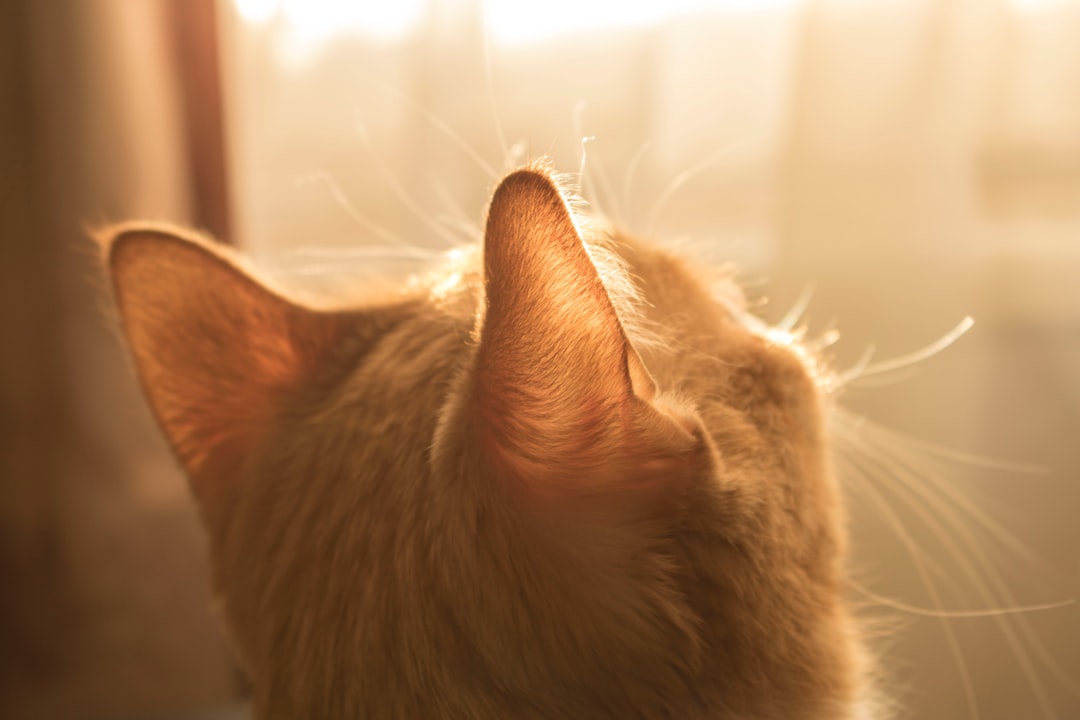
Ears: The Fastest-Moving Signal
Per Country Grove Veterinary Clinic’s guide to cat body language, ear position is one of the quickest signals to read, since ears move faster than most other body language cues.
| Ear Position | What It Means |
|---|---|
| Forward, upright | Alert, interested, engaged with something |
| Slightly relaxed, facing sideways | Comfortable and content |
| Flattened sideways (“airplane ears”) | Nervous, uncertain, uncomfortable |
| Pinned back flat against the head | Defensive, fearful, or angry |
Tail: A Full Emotional Vocabulary on Its Own
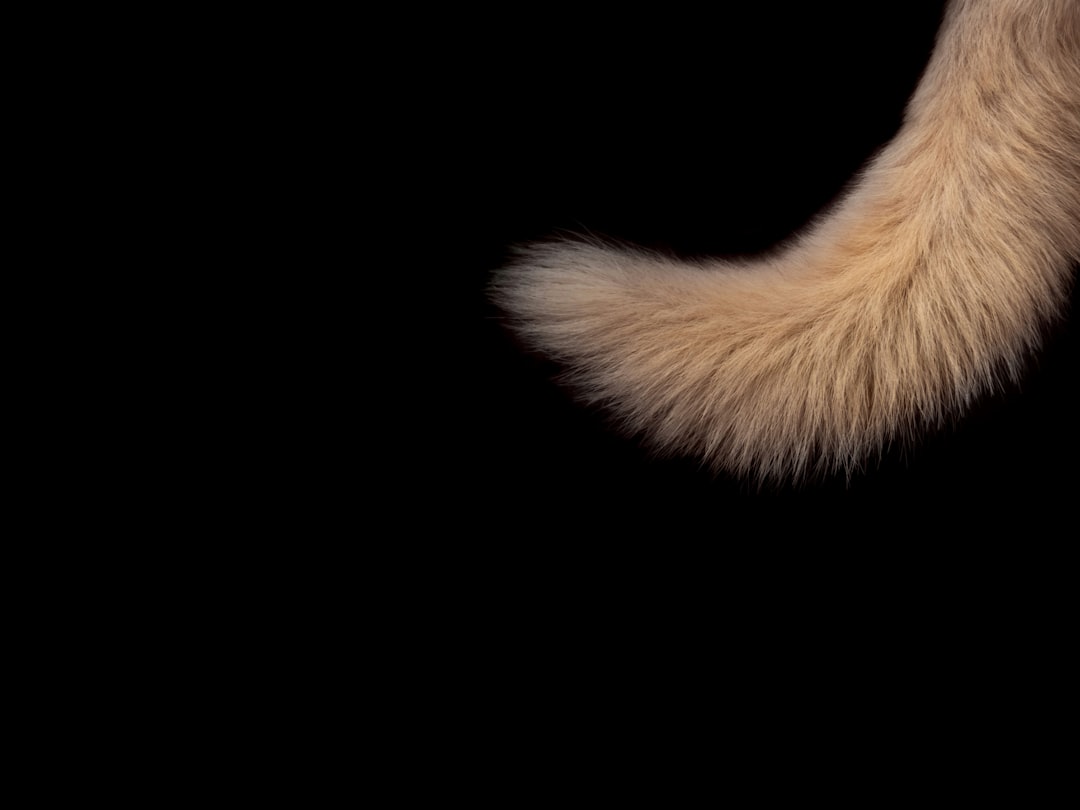
| Tail Position or Movement | What It Means |
|---|---|
| Straight up, curled tip | Happy, confident, friendly |
| Puffed up, bristled | Startled or afraid, trying to look larger |
| Low or tucked between legs | Anxious, frightened, or possibly in pain |
| Slow side-to-side flick | Irritated or overstimulated (not the same as hunting-related twitching) |
| Quivering while upright | Excitement, often paired with greeting a person or another cat |
Eyes: Subtle but Telling
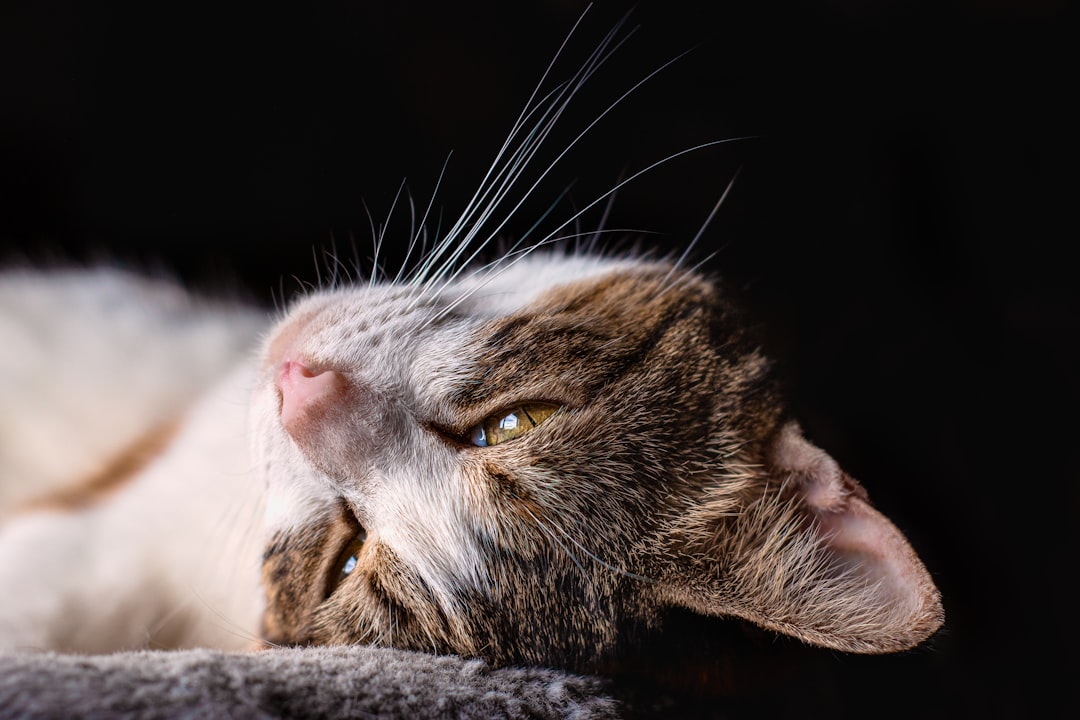
- Round or half-closed eyes with narrow pupils generally signal calm contentment
- Dilated pupils can mean excitement, fear, or arousal — context from the rest of the body matters here
- A slow blink toward you, especially with direct eye contact, is one of the clearest trust signals a cat gives, sometimes called a “cat kiss” per FELIWAY’s research on feline communication
- A hard, unblinking stare paired with tense body language can signal aggression rather than affection
Reading Stress and Discomfort
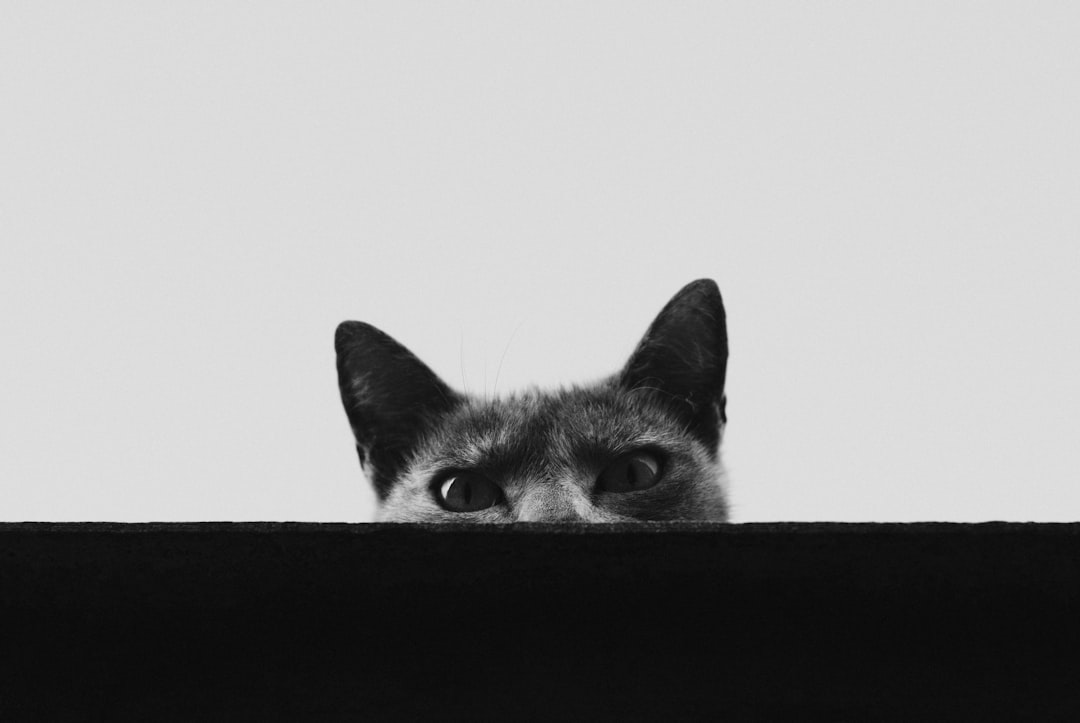
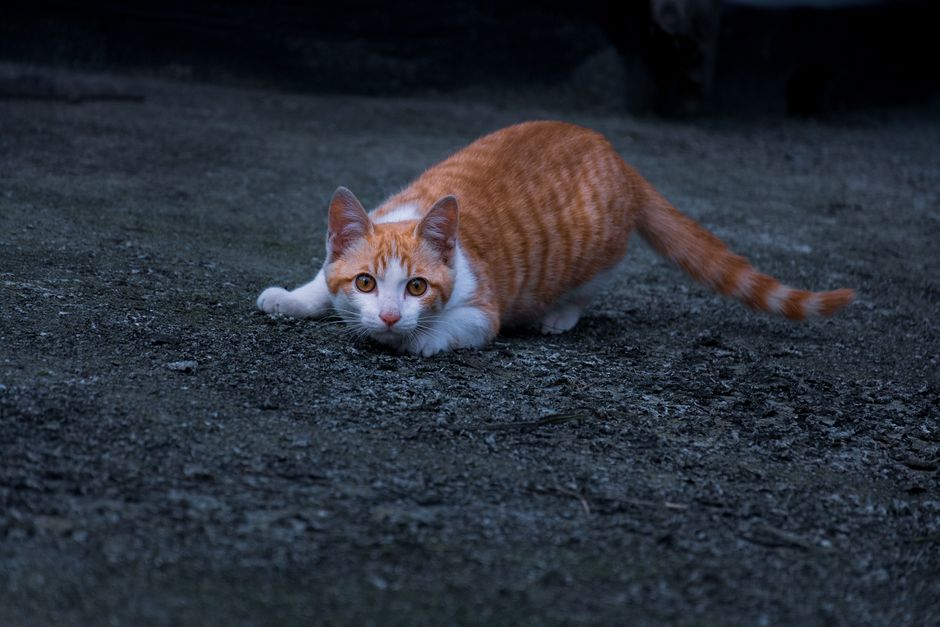
Stress rarely shows up as one dramatic sign. It’s usually a cluster: flattened ears, a low or tucked tail, dilated pupils without an obvious exciting trigger, and a crouched, compact posture that makes the cat look smaller rather than larger.
Litter box avoidance and hiding are also common stress indicators, not just behavioral quirks — see our guide to litter box problems after adoption if avoidance shows up alongside other stress signals.
Purring: Not Always What It Seems
Purring is often read as a pure happiness signal, but cats also purr when stressed, in pain, or at the vet’s office — it appears to serve a self-soothing function beyond just expressing contentment. The reliable version of “happy purring” comes paired with loose muscles, soft half-closed eyes, and the cat choosing to be near you rather than being cornered.
Whole-Body Posture
Ears, tail, and eyes tell most of the story, but overall posture confirms it. A relaxed cat holds its body loosely, often lying on its side or stretched out. A stressed or fearful cat makes itself smaller — crouched low, tail wrapped tightly around the body, weight shifted toward a possible exit. A confident, alert cat stands or sits with its weight evenly distributed and its head up.
- Loose, elongated posture: relaxed and comfortable
- Crouched, compact posture with tail wrapped close: fearful or defensive
- Weight shifted backward, ready to flee: uncertain or assessing a threat
- Standing tall with weight forward: confident, possibly ready to engage
Reading a New or Shelter Cat Specifically
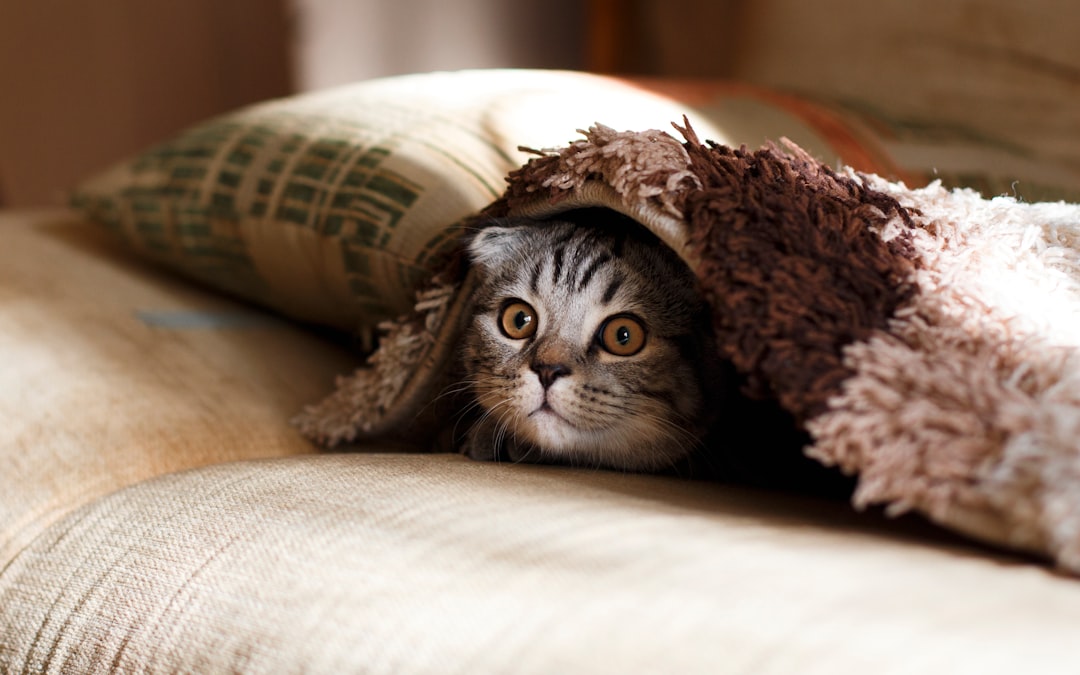
Cats in an unfamiliar environment — a shelter, a new home, a vet visit — often show a compressed, cautious version of their normal signals. A cat that seems withdrawn on day one isn’t necessarily unfriendly; it may simply be too overwhelmed to display its normal, more open body language yet. This is exactly why judging a cat’s personality from a single shelter visit or a single photo, as discussed in our piece on why black cats are harder to adopt, can be misleading — the same signals read very differently once a cat feels safe.
Other Behaviors Worth Knowing
- Kneading (“making biscuits”) traces back to nursing behavior in kittenhood and generally signals contentment
- Slow, deliberate approach with an upright tail is a friendly greeting, distinct from a fast, tense approach
- Rolling onto its back can be a sign of trust, but isn’t necessarily an invitation to touch the belly — many cats react defensively if you do
- Chattering at birds or movement outside a window is a hunting-related reflex, unrelated to mood toward people
Putting It All Together
| Overall State | Typical Signal Cluster |
|---|---|
| Relaxed / Happy | Forward or relaxed ears, upright curled tail, soft eyes, slow blinking, loose posture |
| Stressed / Fearful | Flattened ears, low or tucked tail, dilated pupils, crouched posture, hiding |
| Irritated / Overstimulated | Tail flicking, ears turning back intermittently, skin twitching along the back |
| Alert / Engaged | Forward ears, wide eyes, upright posture, tail low and still or slightly twitching |
This kind of read matters most in the early days with a new cat — see our guide to the first 30 days with a new cat for how these signals typically shift as a cat settles in, and our guide to introducing a new cat to resident pets for reading these same signals during multi-pet introductions.
These signals matter most when a cat is about to bite. Our guide to why cats bite and how to stop it covers the tail, ear and skin warnings that precede petting-induced aggression.
Reading the early signals matters most when strangers are in the house. Our guide to a cat that hides from visitors covers what those signs mean in that specific situation.
Frequently Asked Questions
What does it mean when a cat slow blinks at you?
A slow blink with direct eye contact is one of the clearest signs of trust — it’s sometimes called a “cat kiss.” Try slow-blinking back; many cats will return it.
Does purring always mean a cat is happy?
No. Cats also purr when stressed, in pain, or at the vet. Purring is only a reliable happiness signal when paired with relaxed body language — loose muscles, soft eyes, and voluntary closeness.
What does a puffed-up tail mean?
A puffed, bristled tail signals fear or a sudden startle response, making the cat look larger to a perceived threat. It’s different from a tail flick, which usually signals irritation rather than fear.
How can I tell if a new cat is settling in?
Look for relaxed ears, a slow blink, an upright tail with a curled tip, and voluntary closeness — approaching you rather than avoiding you. These clusters of signals are a better indicator than any single behavior alone.
Adopting Soon? Learn Your Future Cat’s Signals Early
Cats By The Tracks is happy to walk you through a specific cat’s personality and body language before you adopt.