
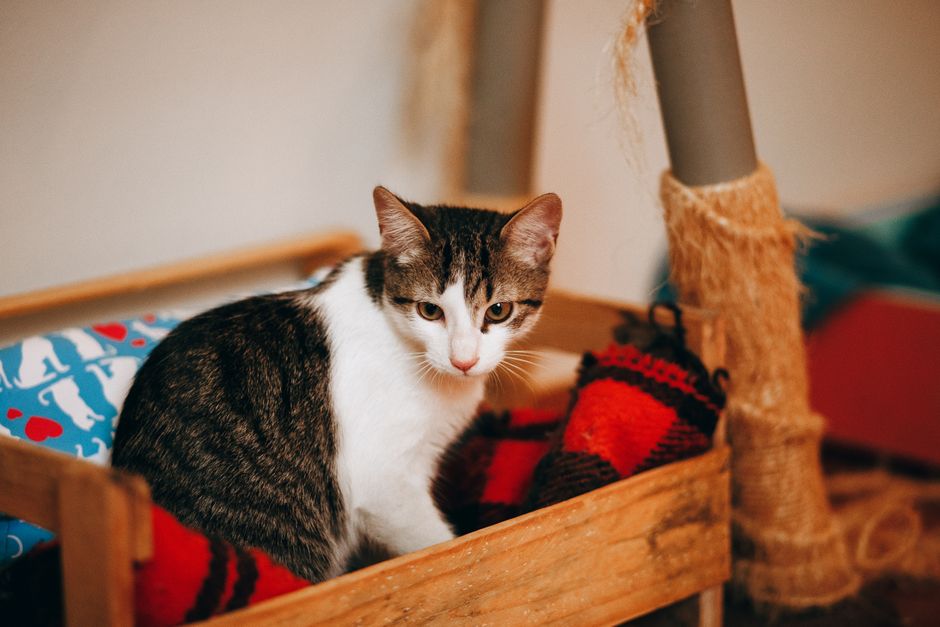
A newly adopted cat avoiding the litter box is rarely about the cat being difficult — it’s almost always stress, a box-setup issue, or an underlying medical problem, in roughly that order of likelihood. Here’s how to work through the actual cause instead of guessing, plus the litter box math most new owners get wrong from the start.
Cause #1: Stress from the New Environment
The most common reason a newly adopted cat avoids its litter box has nothing to do with the box itself — it’s the stress of an unfamiliar home. This is especially common in the first few days, the same window covered in our guide to the first 30 days with a new cat.
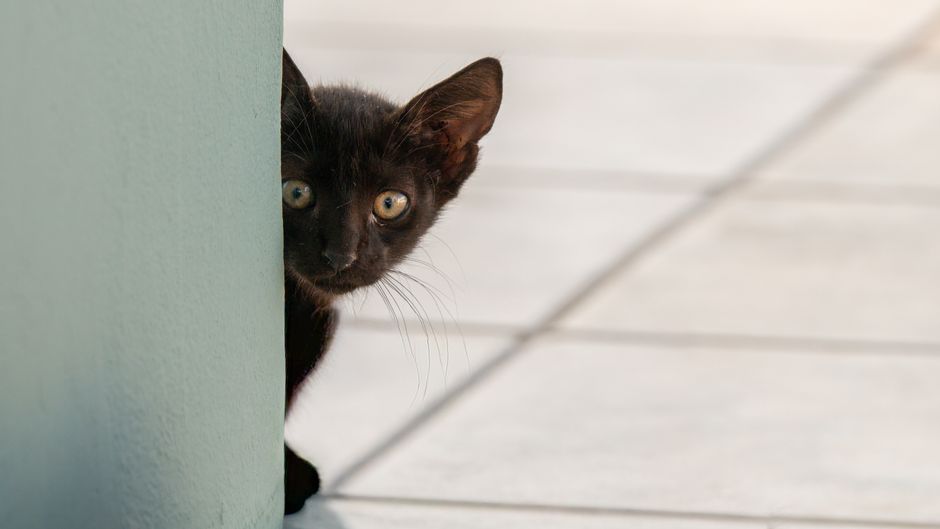
- Keep the litter box in the same small starter room as the cat during the initial adjustment period
- Avoid moving or changing the box during the first couple of weeks — consistency reduces stress
- Give the cat time and space rather than forcing interaction near the box
Cause #2: Box Setup Problems
Cats can be genuinely picky, and the box itself is often the real issue once stress isn’t the explanation:
- Location — a box near loud appliances, in a high-traffic area, or too far from where the cat spends most of its time
- Litter type — texture and scent matter more to cats than most owners expect; unscented, fine-grain litter is usually the safest starting choice
- Box style — some cats strongly prefer open boxes over covered ones, or vice versa
- Box size — a box too small for the cat to turn around comfortably in is a common, easily fixed cause

Cause #3: Cleanliness
A box that isn’t scooped often enough is one of the most common, most fixable causes of avoidance, per Fresh Step’s litter box troubleshooting guide. Scoop at least once, ideally twice, daily, and fully replace the litter on a weekly basis. Cats are naturally clean animals and will often simply refuse a box that’s too dirty for their standards.

The Litter Box Math Most Owners Get Wrong
| Number of Cats | Recommended Litter Boxes |
|---|---|
| 1 cat | 2 boxes |
| 2 cats | 3 boxes |
| 3 cats | 4 boxes |
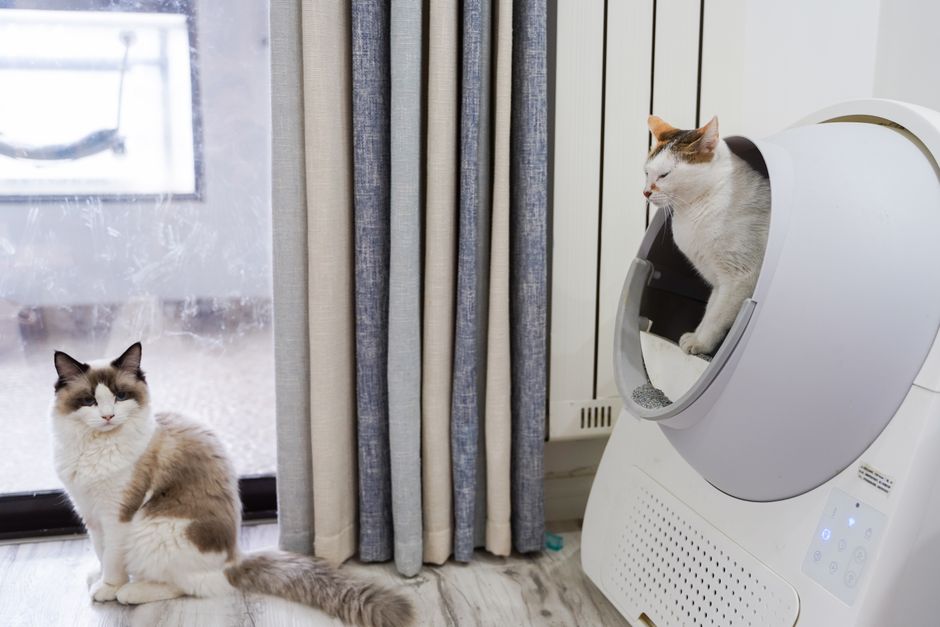
Even single-cat households commonly get this wrong — one box for one cat sounds sufficient, but the extra box gives the cat a backup option and reduces the odds of avoidance from a single dirty or inconveniently located box. In multi-cat homes, boxes should also be spread across different locations, not lined up next to each other, since some cats won’t share a space even if there’s technically enough boxes.
Is It Litter Box Avoidance or Marking?
These are frequently confused but need different responses. Litter box avoidance typically involves a full-volume urination or bowel movement in a specific spot, often somewhere the cat has decided is preferable to the box. Marking (spraying) is usually a smaller amount of urine on a vertical surface — a wall, a door frame, furniture — and is a territorial or anxiety-driven behavior rather than a box-preference issue.
| Litter Box Avoidance | Marking / Spraying | |
|---|---|---|
| Location | Floor, in a specific spot | Vertical surfaces — walls, furniture, doors |
| Volume | Full amount, as if using a normal box | Small amount, sprayed rather than pooled |
| Likely cause | Box location, litter type, cleanliness, medical issue | Territorial stress, often linked to other cats or environmental changes |
| Most cats affected | Any cat | More common in unneutered males, but not exclusive to them |
If a cat adopted from Cats By The Tracks is already spayed or neutered and still marking, environmental stress — a new pet, a recent move, or even outdoor cats visible through a window — is a more likely explanation than a litter box problem specifically.
Cause #4: A Medical Issue
If stress, location, litter type, and cleanliness have all been ruled out or addressed and the problem continues, a medical cause becomes the more likely explanation — urinary tract infections, bladder stones, or kidney issues can all make using the litter box physically painful, leading a cat to associate the box itself with discomfort.

Watch specifically for straining, frequent small trips to the box, crying while urinating, or blood in the urine — any of these warrant an immediate vet visit rather than continuing to troubleshoot at home.
What Not to Do
- Don’t punish the cat for eliminating outside the box — it increases stress and worsens nearly every underlying cause
- Don’t rub the cat’s nose in an accident — this is an outdated approach with no behavioral benefit
- Don’t assume it’s “just behavioral” without ruling out a medical cause first, especially if the avoidance is sudden rather than present from day one
If the issue started well after a smooth adjustment period rather than during the first week, a medical cause becomes more likely than a stress-related one — that timing detail matters when deciding whether to try a home fix first or go straight to the vet.
If the litter itself turns out to be the problem, our comparison of cat litter types and which one your cat will actually use covers the particle size, scent and depth issues that cause most rejections.
Telling marking apart from house-soiling changes the entire approach. Our guide to cat spraying versus urinating covers how to distinguish them and what resolves each.
In a senior cat, new litter tray accidents can be a cognitive change rather than a behavioural one. Our guide to dementia in older cats covers the pattern that distinguishes the two.
Frequently Asked Questions
Why is my newly adopted cat not using the litter box?
Stress from the new environment is the most common cause, especially in the first few days. Box location, litter type, box count, and cleanliness are the next most common causes, followed by a possible underlying medical issue like a urinary tract infection.
How many litter boxes do I need for one cat?
The standard rule is one box per cat, plus one extra — so even a single cat should ideally have two litter boxes in different locations, not just one.
When should I take my cat to the vet for litter box avoidance?
If avoidance continues beyond the first week or two of adjustment, or if you notice straining, blood in the urine, frequent small trips to the box, or crying while urinating, see a vet immediately — these can indicate a painful and potentially urgent medical issue.
Should I punish my cat for going outside the litter box?
No. Punishment increases stress, which worsens the underlying cause in almost every case. Address the root cause — location, litter type, cleanliness, or a medical issue — rather than punishing the behavior itself.
Questions About Your Newly Adopted Cat?
Cats By The Tracks offers post-adoption support for every cat we place. If a litter box issue comes up after adopting from us, reach out anytime.