
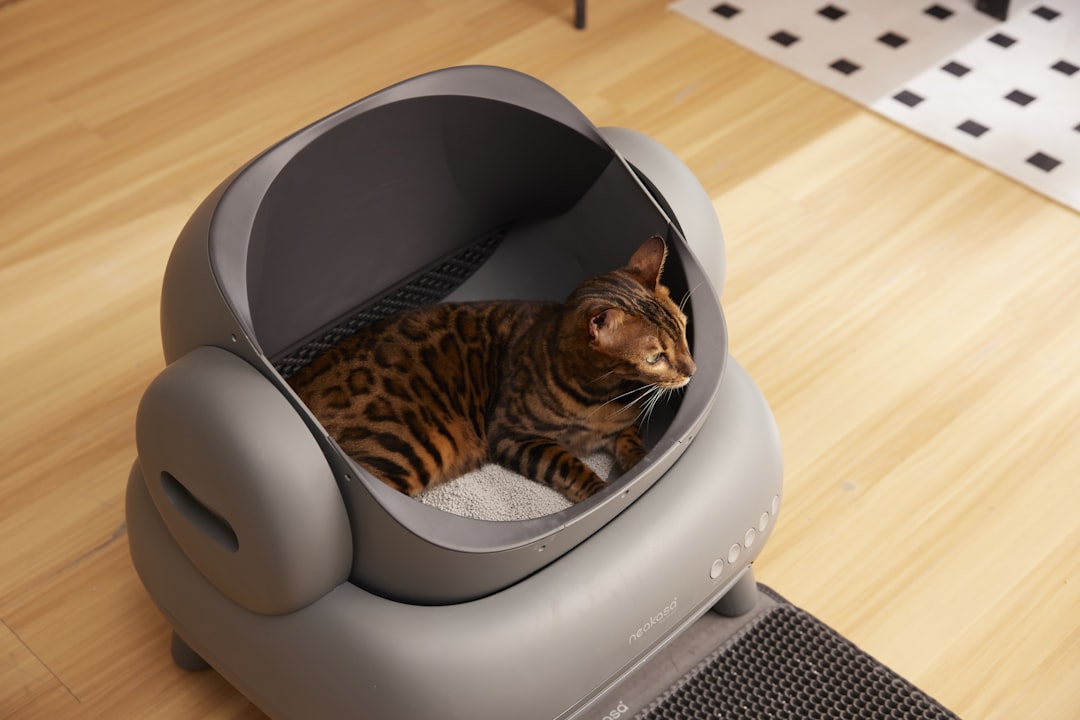
Most litter guides rank products. That is the wrong question, because the cat does not care about the brand — it cares about how the substrate feels underfoot.
Get the type right and almost any decent product in that category works. Get it wrong and you will be cleaning the carpet regardless of what you paid.
Here is how the main types compare, and which cats each suits.
The types at a glance
| Type | Cost | Dust | Odour control | Cat acceptance |
|---|---|---|---|---|
| Clumping clay (bentonite) | Low | Moderate to high | Very good | Highest |
| Non-clumping clay | Lowest | High | Moderate | Good |
| Silica crystal | High | Low | Very good | Mixed — texture divides cats |
| Pine pellet | Low to moderate | Very low | Good | Mixed |
| Recycled paper | Moderate | Very low | Poor | Good |
| Corn or wheat | Moderate | Low | Good | Good |
| Walnut shell | Moderate | Moderate | Good | Good |
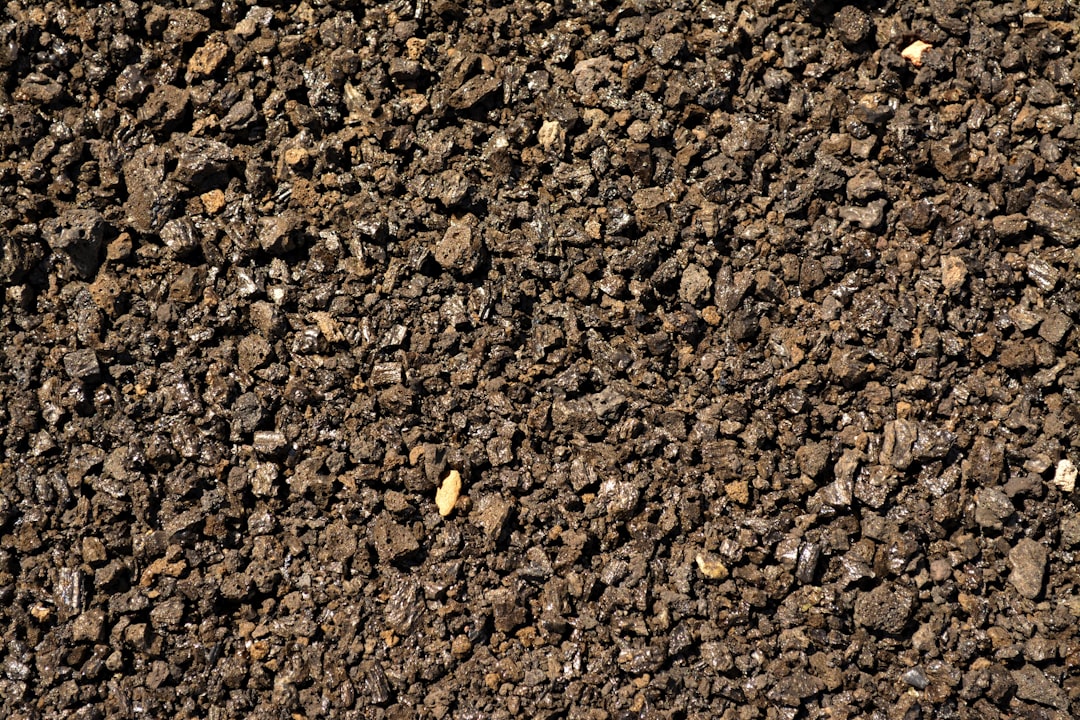
Why clumping clay usually wins
Given a free choice, most cats pick fine-grained clumping clay. It is the closest available match to the sandy, loose soil cats naturally dig in.
It also makes daily scooping genuinely easy, which matters more for odour than any additive. A clean box beats a scented one every time.
The trade-off is dust and weight. Low-dust formulations exist and are worth the extra cost if anyone in the house is asthmatic.
The natural alternatives
Pine pellets
Very low dust, pleasant smell, light to carry and inexpensive. The catch is texture — pellets are large and hard, and plenty of cats simply refuse to stand on them.
If you want to try pine, transition gradually rather than switching outright.
Recycled paper
The gentlest option, and the standard recommendation after surgery because it will not stick to an incision. Odour control is genuinely poor, so it needs scooping more often.
Corn, wheat and walnut
Good middle ground: clumping, biodegradable, low dust and generally well accepted. Corn and wheat can attract pantry moths in warm storage, which is worth knowing in a Central Valley summer.
Silica crystals
Excellent moisture absorption and very low dust, and they need less frequent changing than clay.
Cats are divided. The crystals are sharp-edged and noisy underfoot, and some cats will not use them at all. They also make it much harder to monitor urine output, which matters for a cat with urinary or kidney history.
What actually causes litter rejection
When a cat stops using its box, the litter is only one candidate — but when it is the cause, it is almost always one of these.
- Scented litter. Cats have a far more sensitive nose than we do and frequently avoid perfume.
- Depth. Most cats want 5–7cm; too shallow feels wrong and too deep feels unstable.
- Particle size. Large, hard pellets are the most commonly refused texture.
- An abrupt switch. Changing brand overnight is a common trigger.
- A dirty box, which overrides any preference.
The most common mistake is buying scented litter to mask odour. It usually makes rejection more likely, not less.
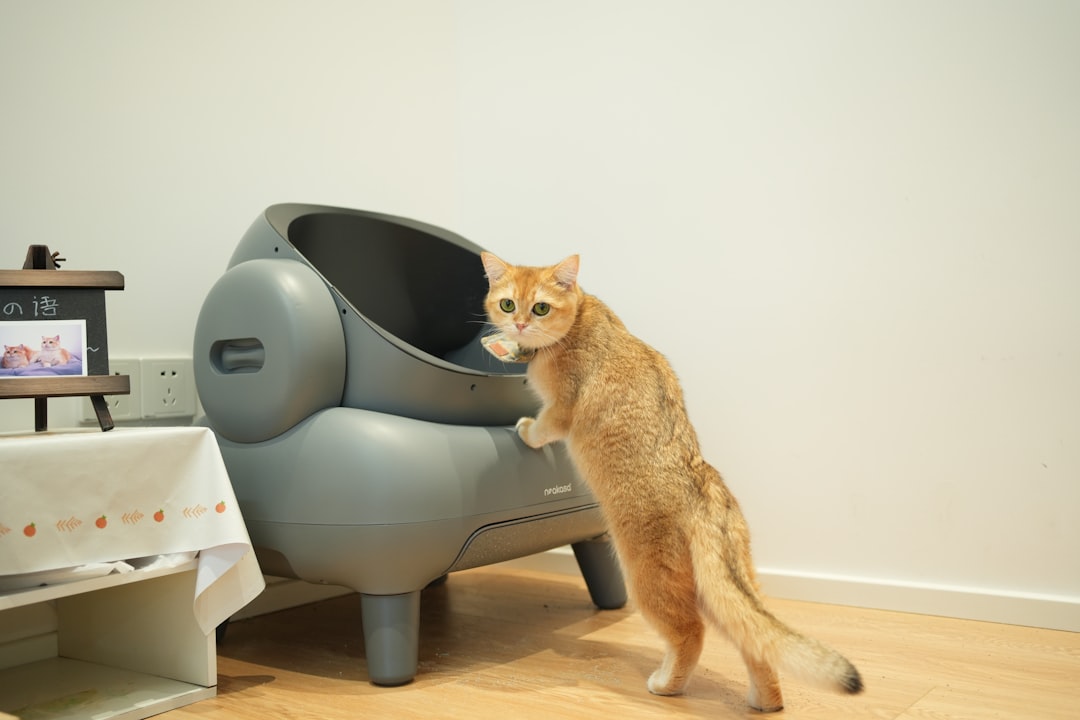
If your cat has stopped using the box, rule out medical causes first. Our guide to litter box problems after adoption works through the causes in order of likelihood.
Special cases
| Situation | Recommended type | Reason |
|---|---|---|
| Kitten under 8 weeks | Non-clumping or paper | Clumping litter is dangerous if ingested |
| After surgery | Recycled paper | Will not stick to the incision |
| Asthma in the household | Pine, paper or low-dust clay | Minimises airborne dust |
| Declawed cat | Fine soft clay or paper | Softer on sensitive paws |
| Urinary or kidney history | Clumping clay | Lets you monitor urine volume |
| Multi-cat home | Fine clumping clay | Highest general acceptance |
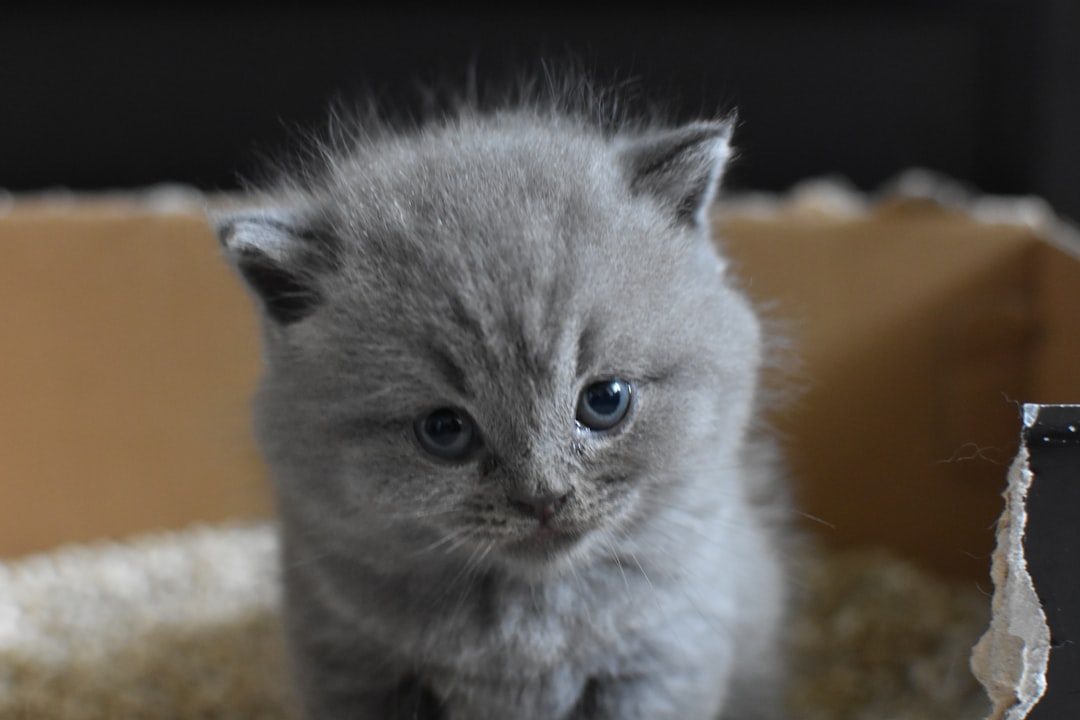
The kitten point matters. Very young kittens taste-test their substrate, and clumping bentonite can cause an intestinal blockage. Use non-clumping until around eight weeks.
How to switch without a protest
- Set up a second box with the new litter beside the existing one.
- Leave both available for a week and see which the cat chooses.
- If the new one is used, mix increasing proportions into the original box.
- Take seven to ten days over the full transition.
- If the cat avoids the new litter twice, accept the verdict and move on.
Cats are conservative about substrate, and there is no prize for winning the argument. Jackson Galaxy publishes extensive practical material on litter box setup and troubleshooting.
Placement and depth beat product choice
A premium litter in a bad location will lose to cheap clay in a good one.
Put boxes somewhere quiet with a clear line of retreat, away from food, water and noisy appliances. Avoid corridors and anywhere a dog can corner the cat.
One box per cat plus one, in separate rooms rather than side by side. Two boxes together count as a single resource to a cat.
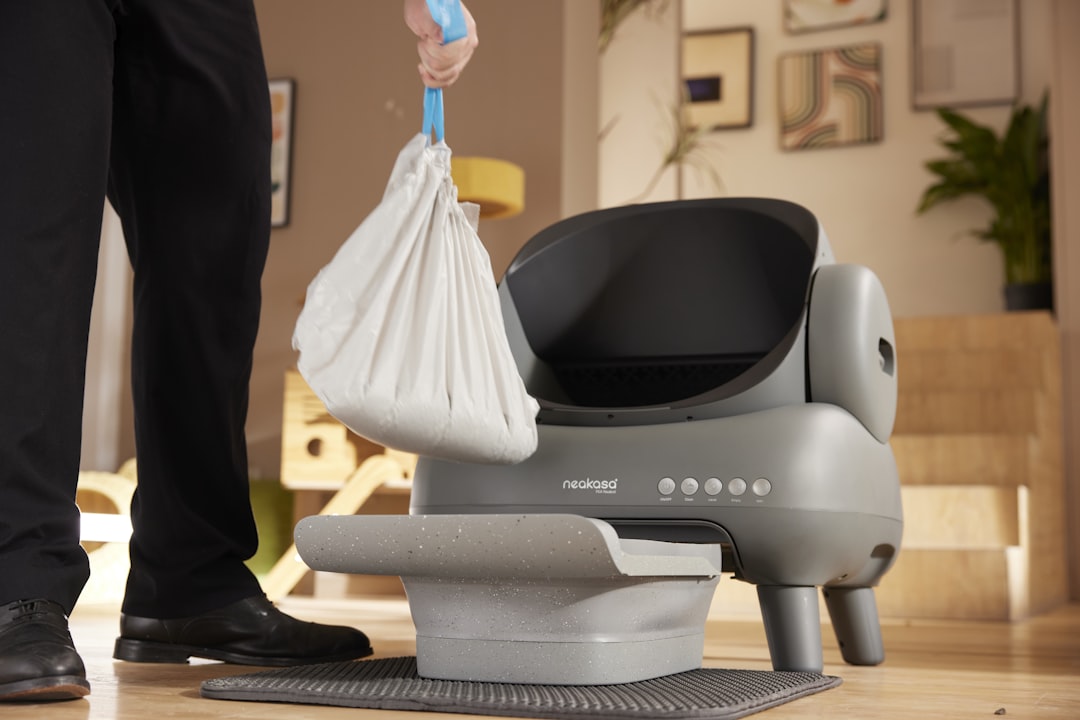
Our guide to multi-cat households covers resource planning, and cat-proofing your home before adoption covers where to set up before a new cat arrives.
How much litter you actually need
Running cost depends far more on how you manage the box than on which type you buy.
| Approach | Rough monthly use, one cat | Notes |
|---|---|---|
| Clumping clay, scooped daily | One large bag | Top up rather than full change |
| Clumping clay, scooped weekly | Two bags or more | Full changes needed far more often |
| Non-clumping clay | Two bags | Requires complete changes |
| Pine pellets | One bag | Sifting extends life considerably |
| Silica crystal | Under one bag | Higher unit price, lasts longest |
Daily scooping is the single biggest cost saver with clumping litter, because it lets you top up rather than dump and refill. It also does more for odour than any scented product.
Buying the largest bag you can store cuts the price per pound significantly. Keep it sealed and dry — damp clay clumps in the bag and is wasted.
In a multi-cat home, budget for one box per cat plus one. Our guide to the annual cost of owning a cat puts litter in context against food and veterinary care, and the first 30 days with a new cat covers setting the box up before a new arrival comes home.
Frequently Asked Questions
What litter do cats prefer?
Given a free choice, most cats choose fine-grained unscented clumping clay. It most closely resembles the loose sandy soil cats naturally dig in, and it makes daily scooping straightforward.
Is scented litter bad for cats?
It frequently causes avoidance. Cats have a far more sensitive sense of smell than people, and added perfume is one of the most common reasons a cat starts avoiding its box.
How deep should cat litter be?
Around 5 to 7 centimetres. Too shallow feels wrong to dig in, and too deep feels unstable underfoot. Depth is a more common cause of rejection than brand.
Can kittens use clumping litter?
Not under about eight weeks. Young kittens taste-test their substrate and clumping bentonite can cause an intestinal blockage if swallowed. Use non-clumping or paper litter instead.
Which litter is best after surgery?
Recycled paper litter, because it will not stick to a healing incision. Vets commonly recommend it for a week or two after spay, neuter or other abdominal surgery.
How do I change litter without upsetting my cat?
Offer a second box with the new litter alongside the old one for a week, then mix the new gradually into the original box over seven to ten days if the cat accepts it.