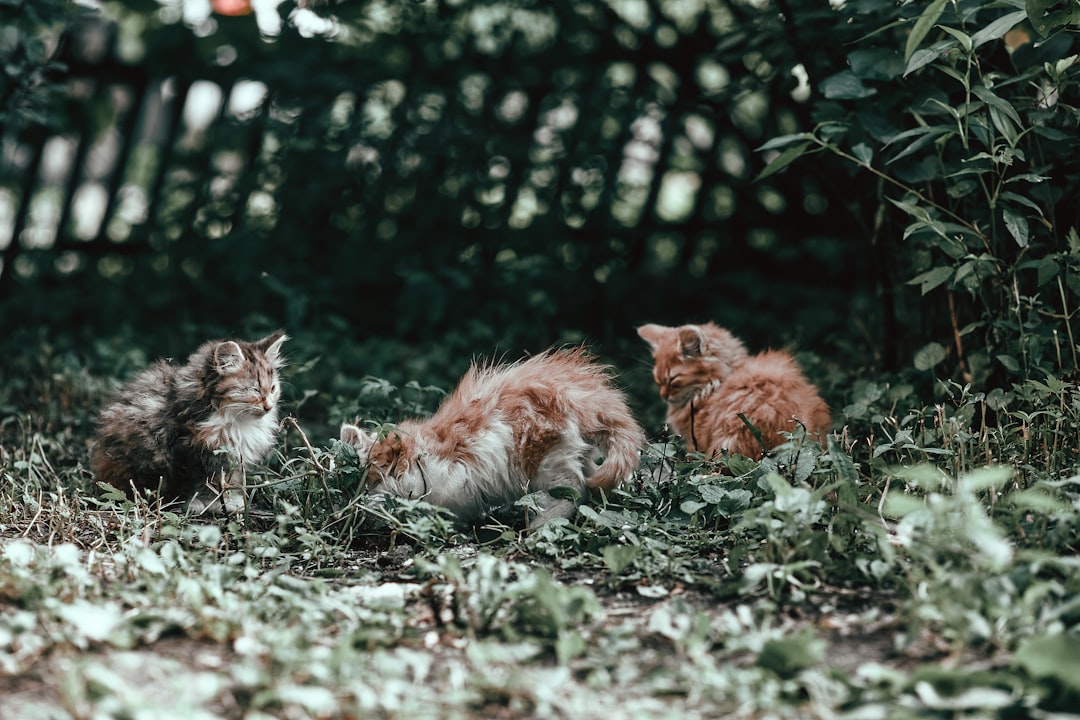
Category: Community Cats & TNR

Trap-neuter-return, colony care, and community cat programs.

  • Found a Stray Cat? Here’s Exactly What to Do

    Found a Stray Cat? Here’s Exactly What to Do

    If you’ve found a cat and aren’t sure whether it’s lost, feral, or truly homeless, the first move is the same either way: assess whether it’s safe to approach, then check for identification before assuming anything. Here’s the exact sequence to follow, and what to do once you know what you’re actually dealing with.

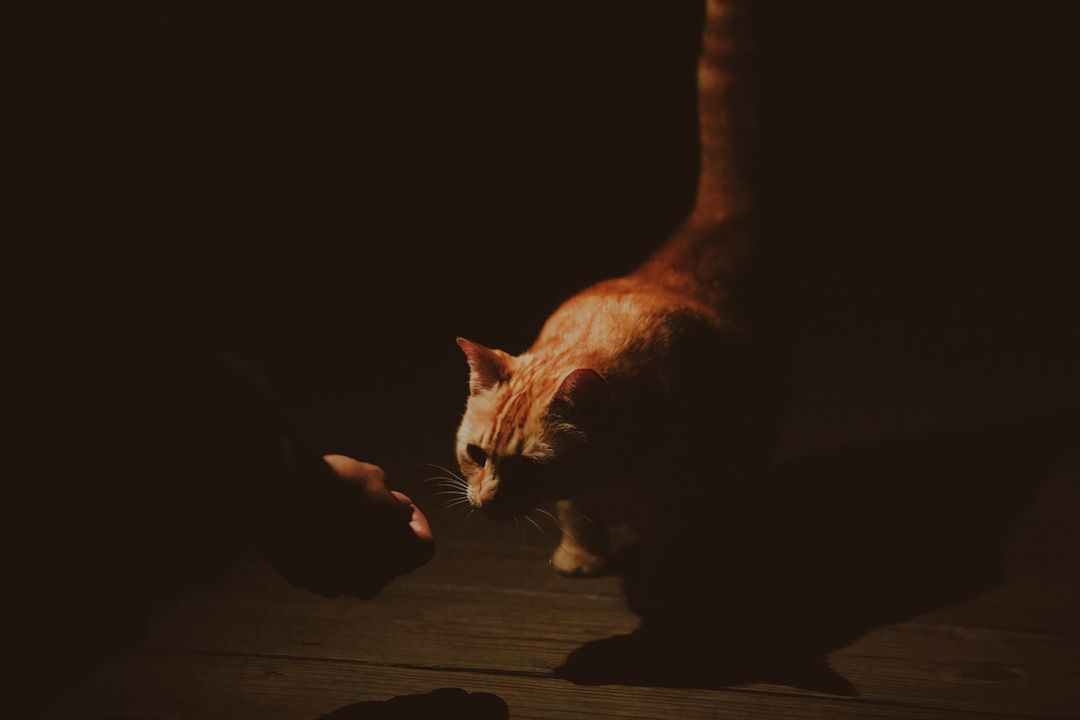
    A stray cat approaching a person outdoors
    Not every cat found outdoors is feral — many are lost or abandoned pets.

    Step 1: Is It Safe to Approach?

    Before anything else, watch the cat’s behavior from a distance. Per Humane World for Animals’ guidance, a cat that hisses, growls, or runs the moment it notices you is signaling that it doesn’t want to be approached — respect that rather than forcing contact. A cat that makes eye contact, vocalizes toward you, or slowly approaches on its own is a very different situation, and generally safe to interact with carefully.

    A wary cat avoiding contact, a sign it may be feral rather than a lost pet
    A cat that avoids eye contact and hides is showing feral behavior, not just shyness.

    Feral vs. Stray: How to Tell the Difference

    SignFeral CatStray or Lost Pet
    Body languageAvoids eye contact, hides, runsMakes eye contact, vocalizes, approaches
    Ear tipOften present (already TNR’d)Not present
    CollarNever has oneMay have one, or a visible indentation where one used to be
    Comfort around humansAvoids people entirelyCurious, may follow or wait near a door

    An ear tip specifically means the cat has already been through a TNR program — it’s spayed or neutered, vaccinated, and doesn’t need to be trapped again for that purpose.

    Step 2: Check for a Collar or Tattoo

    If you can safely get close, look for a collar with a phone number or tag, or a small tattoo inside one ear — some spay/neuter programs mark cats this way instead of, or in addition to, an ear tip.

    A cat wearing a collar, a sign it may be someone's lost pet rather than feral
    A collar, even a worn or faded one, is the clearest sign a cat has a home already.

    Step 3: Get the Cat Scanned for a Microchip

    There’s no visible way to tell if a cat is microchipped — the only way to know is to have it scanned. As Hill’s Pet notes, most veterinary clinics and animal shelters will scan a found cat for a microchip free of charge, even if you’re not planning to adopt or keep it. If a chip is found and registered, staff can contact the owner directly.

    A veterinarian scanning a found cat for a microchip
    A microchip scan takes seconds and can immediately identify a lost pet’s owner.

    Step 4: Safely Contain the Cat If Needed

    If the cat won’t let you get close enough to check for a collar, or it needs to be transported to a vet or shelter, a humane trap is the safest option — for the cat and for you. Never attempt to grab or corner a scared cat with your bare hands, since a frightened cat can scratch or bite hard enough to require medical attention.

    A humane trap used to safely capture a stray or feral cat
    A humane trap safely contains a wary or frightened cat without direct handling.

    If the cat turns out to be feral rather than lost, this is also the first step of a proper TNR process — see our guide to what TNR is and how it works for what happens next.

    Step 5: Report the Found Cat

    Even without a microchip, don’t assume the cat has no owner. File a found-cat report with local animal shelters, since someone may have already filed a matching lost-cat report. Posting a photo to neighborhood social media groups or local lost-pet boards can also reach an owner faster than a shelter report alone.

    Posting a found-cat report to help reunite a stray with its owner
    A quick neighborhood post can reunite a lost cat with its owner faster than a shelter report alone.

    Check your local regulations too — some jurisdictions require found strays to be reported to animal control within a certain window, particularly if you intend to keep or rehome the cat yourself.

    Step 6: Provide Temporary Care

    While you sort out ownership, keep the cat in a safe, separate space — away from your own pets until any health concerns are ruled out, and away from busy roads or extreme weather. Basic food, water, and a litter box are enough for the short term; avoid over-handling a stressed cat you don’t yet know well.

    A safe temporary space set up for a newly found stray cat
    A quiet, separate space is enough for short-term care while you sort out next steps.

    If the “Stray” Is a Kitten

    A kitten found alone outdoors needs a different first move than an adult cat. Mother cats often leave kittens temporarily while hunting or moving them one at a time — if the kittens look healthy, warm, and quiet, the mother is very likely still nearby, and the best action is to observe from a distance for several hours before assuming they’ve been abandoned.

    If it’s clear the mother isn’t returning, or the kittens are cold, crying persistently, or visibly unwell, contact a local rescue immediately — very young kittens need specialized bottle-feeding care that most people aren’t equipped to provide alone. This is exactly the kind of situation kitten season creates in large numbers each spring and summer; see our guide to adopting a kitten in Fresno for more on that seasonal pattern.

    What If No Owner Turns Up?

    If the cat is confirmed to be a friendly stray with no owner found after a reasonable search, it may be a good candidate for rehoming or fostering through a local rescue. Cats By The Tracks accepts owner surrenders and stray intakes on a case-by-case basis — reach out to us to discuss the specific situation. If the cat turns out to be feral rather than tame, the more appropriate path is usually TNR and return to its outdoor territory rather than an attempt to rehome it.

    If you find yourself drawn to caring for this cat directly, our guides to adopting vs. fostering and the first 30 days with a new cat cover what comes next.

    Frequently Asked Questions

    Is it safe to approach a stray cat?

    Only if the cat approaches you first or shows relaxed, curious body language. A cat that hisses, runs, or avoids eye contact should be left alone or handled with a humane trap rather than picked up directly.

    How do I know if a cat has an owner?

    Check for a collar or ear tattoo first. If there’s none, the most reliable way is to have a vet or shelter scan the cat for a microchip, which can immediately identify a registered owner even with no visible collar.

    What does an ear tip mean on a stray cat?

    A small, straight-edge notch on one ear means the cat has already been through a TNR (trap-neuter-return) program — it’s spayed or neutered and likely feral rather than a lost pet. It doesn’t need to be re-trapped for spay/neuter.

    What should I do if the cat is feral, not friendly?

    A feral cat generally does best returned to its outdoor territory after being TNR’d rather than brought indoors. If it’s not already ear-tipped, contact a local TNR program — Cats By The Tracks’ Snip Trip initiative supports exactly this kind of community cat work.


    Not Sure What to Do? Reach Out

    Cats By The Tracks can help point you toward the right next step, whether that’s TNR, a shelter intake, or fostering the cat yourself.

  • What Is TNR? A Guide to Trap-Neuter-Return for Community Cats

    What Is TNR? A Guide to Trap-Neuter-Return for Community Cats

    TNR stands for Trap-Neuter-Return — humanely trapping an outdoor community cat, having it spayed or neutered and vaccinated, marking it with an ear tip, then returning it to where it was found. It’s the most effective method wildlife and veterinary organizations have found for reducing community cat populations without euthanasia. Here’s exactly how it works, and how a Central Valley program like Snip Trip fits into the picture.

    A community cat outdoors, the kind of cat helped by TNR programs
    Community cats are the outdoor, unowned cats that TNR programs are built to help.

    What Is a Community Cat?

    A community cat is an unowned cat living outdoors, usually in a group called a colony. Community cats range across a spectrum — some are feral and avoid people entirely, others are friendly strays that may have once had a home, and many fall somewhere in between. As Neighborhood Cats explains, most colonies form around a reliable food source and often have one or more informal caretakers nearby who feed them, even without formal ownership.

    A community cat colony of the kind managed through TNR in the Central Valley
    Community cat colonies often form around a shared, reliable food source.

    How TNR Works, Step by Step

    1. Trap: Cats are humanely trapped using box traps designed not to injure the cat.
    2. Neuter: A veterinarian spays or neuters the cat under general anesthesia, and administers a rabies vaccine.
    3. Ear-tip: While still under anesthesia, a small, painless portion of one ear is removed as a permanent visual marker.
    4. Return: Once recovered, the cat is returned to the exact outdoor location where it was trapped.
    A humane trap used in the first step of a TNR program
    Humane box traps are designed to safely contain a cat without causing injury.

    According to Alley Cat Allies, TNR is widely regarded as the most humane and effective approach to managing community cat populations, since it ends the breeding cycle rather than simply relocating or removing cats from an area.

    A cat undergoing spay/neuter surgery as part of a TNR program
    Spay/neuter surgery is performed under general anesthesia by a licensed veterinarian.

    Why the Ear Tip Matters

    An ear tip is a small, straight-line notch removed from the top of one ear, done during the same surgery as the spay/neuter procedure so it adds no additional pain or recovery time. It exists because community cats can’t be handled to check for a scar or a microchip from a distance — the ear tip is visible on sight, which prevents an already-altered cat from being needlessly re-trapped and put under anesthesia a second time.

    An ear-tipped cat, the universal sign of a completed TNR procedure
    An ear tip is immediately visible, preventing an already-altered cat from being re-trapped.

    Does TNR Actually Work?

    ApproachEffect on PopulationEffect on Cats
    TNREnds the breeding cycle over time; colony size gradually declinesCats live out their lives with better health and less fighting/roaming behavior
    Removal / relocationOften temporary — new cats move into the vacated territory (“vacuum effect”)High stress; frequently ends in euthanasia at capacity-limited shelters
    No interventionPopulation grows unchecked, following normal reproduction ratesOvercrowding increases disease spread and kitten mortality

    Communities with sustained TNR programs consistently report fewer community cat complaints, lower shelter intake, and fewer unweaned kittens surrendered during kitten season, since fewer litters are being born outdoors in the first place.

    Common Myths About Community Cats

    MythReality
    “Feral cats should just be relocated.”Removing cats from a territory triggers the “vacuum effect” — new, unaltered cats move in and the breeding cycle restarts, often making the problem worse.
    “TNR doesn’t reduce cat populations.”Sustained TNR programs consistently show declining colony sizes over time, since no new kittens are born once enough of the colony is altered.
    “Ear-tipped cats are injured or in pain.”The ear tip is done under the same anesthesia as the spay/neuter surgery — the cat feels nothing extra from it, and it heals quickly.
    “A friendly stray and a feral cat are the same thing.”Many community cats are actually lost or abandoned pets that can be re-socialized and adopted, not lifelong feral cats.

    What Does TNR Actually Cost?

    Spay/neuter surgery, a rabies vaccine, and the ear-tip procedure together typically run $40 to $80 per cat at a dedicated low-cost or mobile clinic — well below standard private veterinary pricing, since these clinics are built specifically for high-volume, subsidized community cat work. That per-cat cost is exactly why programs like Snip Trip are raising money for a dedicated mobile clinic rather than relying on general veterinary capacity, which is typically priced for owned pets seen one at a time.

    Snip Trip: A Mobile Spay/Neuter Clinic for the Central Valley

    Access to affordable spay/neuter care is one of the biggest barriers to TNR in areas without a nearby low-cost clinic. Snip Trip is a fundraising initiative run jointly by Cats By The Tracks and Fresno Furry Friends to purchase and operate a mobile spay/neuter clinic that can travel directly to underserved parts of the Central Valley, rather than requiring cats to be transported to a fixed clinic location.

    A mobile spay/neuter clinic vehicle similar to the one Snip Trip is fundraising for
    A mobile clinic can bring spay/neuter access directly to underserved neighborhoods.

    Snip Trip is currently in its fundraising phase, working toward a $100,000 goal to purchase the vehicle and equipment needed to get the clinic on the road. It isn’t an already-operating clinic yet — it’s a capital campaign to build one. Every donation goes directly toward that goal, and you can contribute through the Snip Trip page.

    How You Can Help Community Cats Right Now

    • Donate to Snip Trip to help fund the Central Valley’s mobile spay/neuter clinic
    • If you’re feeding an outdoor colony, contact a local TNR program before it grows further — earlier intervention means fewer kittens born outdoors
    • Learn to recognize an ear-tipped cat so you don’t assume it needs to be re-trapped
    • Consider fostering friendly strays or kittens found during a TNR trapping effort — not every community cat is feral
    • Volunteer your time to help with trapping, transport, or colony monitoring
    A volunteer caretaker feeding a community cat colony in the Central Valley
    Colony caretakers play a key role in identifying which cats still need TNR services.

    If a friendly stray or a litter of kittens turns up during a trapping effort, they may be good candidates for adoption rather than return. Our guide to adopting a kitten in Fresno covers what to expect if that’s the situation you find yourself in. And if you’ve just come across a cat and aren’t sure yet whether it’s feral, lost, or truly homeless, see our step-by-step guide on what to do if you find a stray cat.

    Frequently Asked Questions

    What does TNR stand for?

    TNR stands for Trap-Neuter-Return: humanely trapping a community cat, having it spayed or neutered and vaccinated, and returning it to the outdoor location where it was found.

    Does TNR hurt the cat?

    No. The cat is under general anesthesia for the spay/neuter surgery and the ear tip, which is done at the same time as surgery so the cat feels no additional pain from it specifically.

    What is a community cat?

    A community cat is an unowned, free-roaming cat that lives outdoors, often in a group called a colony. Community cats range from fully feral to friendly, and may have one or more informal human caretakers who feed them.

    What is Snip Trip?

    Snip Trip is a fundraising initiative run jointly by Cats By The Tracks and Fresno Furry Friends to purchase and operate a mobile spay/neuter clinic for the Central Valley. It’s currently raising toward a $100,000 goal rather than an already-operating clinic.


    Help Bring a Mobile Clinic to the Central Valley

    Snip Trip is raising $100,000 to fund a mobile spay/neuter clinic serving Fresno and the surrounding Central Valley. Every donation moves that goal forward.