
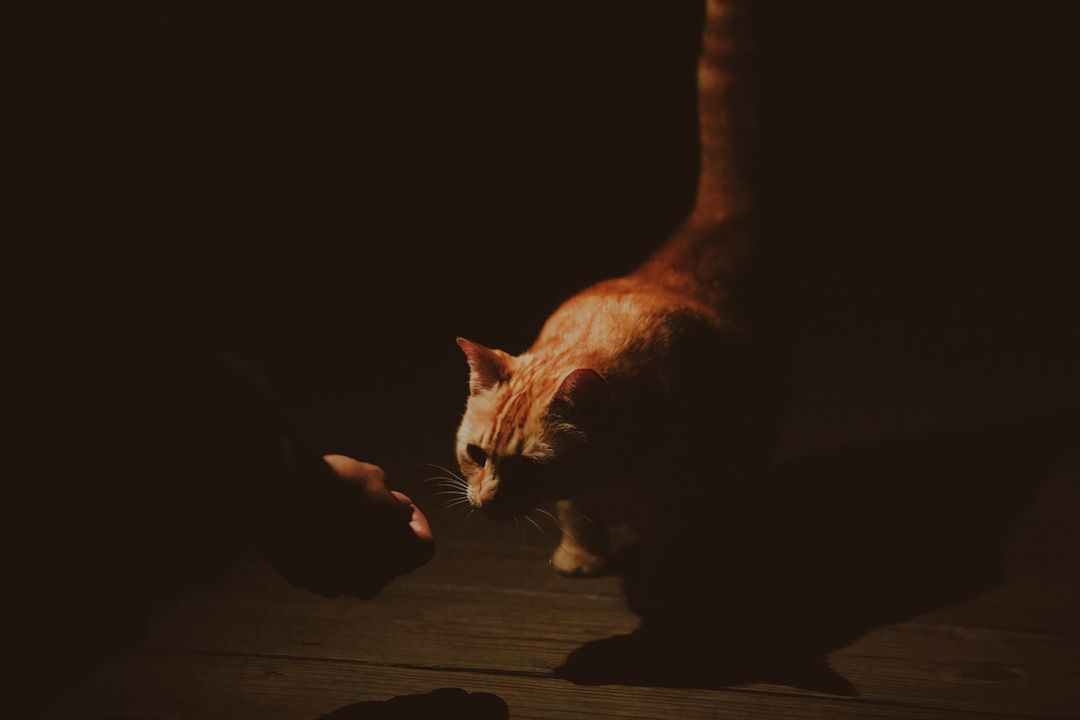
Most colony cats keep their distance. When one walks up, rubs against your legs and wants to be stroked, something is different.
A genuinely sociable cat living among feral ones is usually lost, abandoned or dumped, and it has a realistic chance of a home — but only if somebody notices and acts.
Feral, stray or friendly?
Getting this right determines everything that follows, and it is a common misjudgement in both directions.
| Behaviour | Feral | Lost or abandoned pet |
|---|---|---|
| Approaches people | No | Often, sometimes immediately |
| Makes eye contact and vocalises at you | Rare | Common |
| Tolerates or seeks touch | No | Usually |
| Active in daylight near houses | Less often | Often |
| Body condition | Variable | Often thin, coat deteriorating |
| Reaction to a door opening | Flees | May try to go in |
| Ear tip present | Frequently | Usually not |
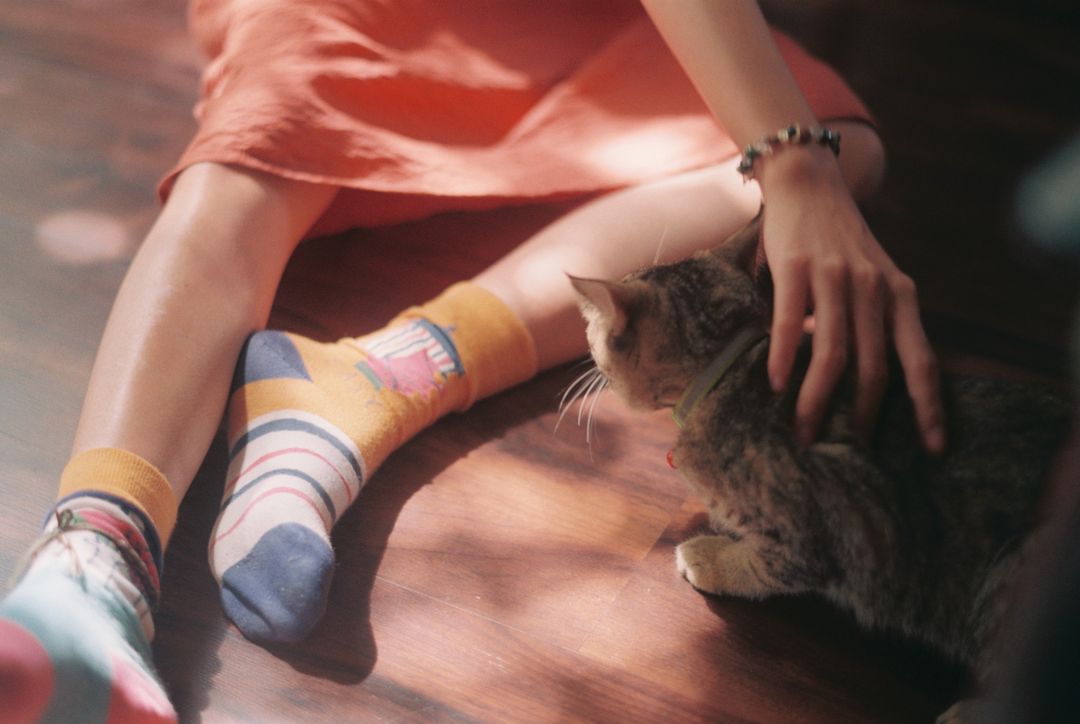
The strongest single signal is a cat that tries to follow you indoors. Feral cats do not do that.
A frightened lost pet can look feral for a few days, which is why a cat should be assessed over time rather than at one moment. Our guide to the difference between feral, stray and community cats covers the distinction fully.
Assume it has an owner first
This is the step most often skipped, and it is the one that reunites cats.
- Get it scanned for a microchip. Any vet or shelter will do this free, in seconds.
- Post locally — neighbourhood groups, community boards, nearby streets.
- Check lost-pet listings and local shelter found reports.
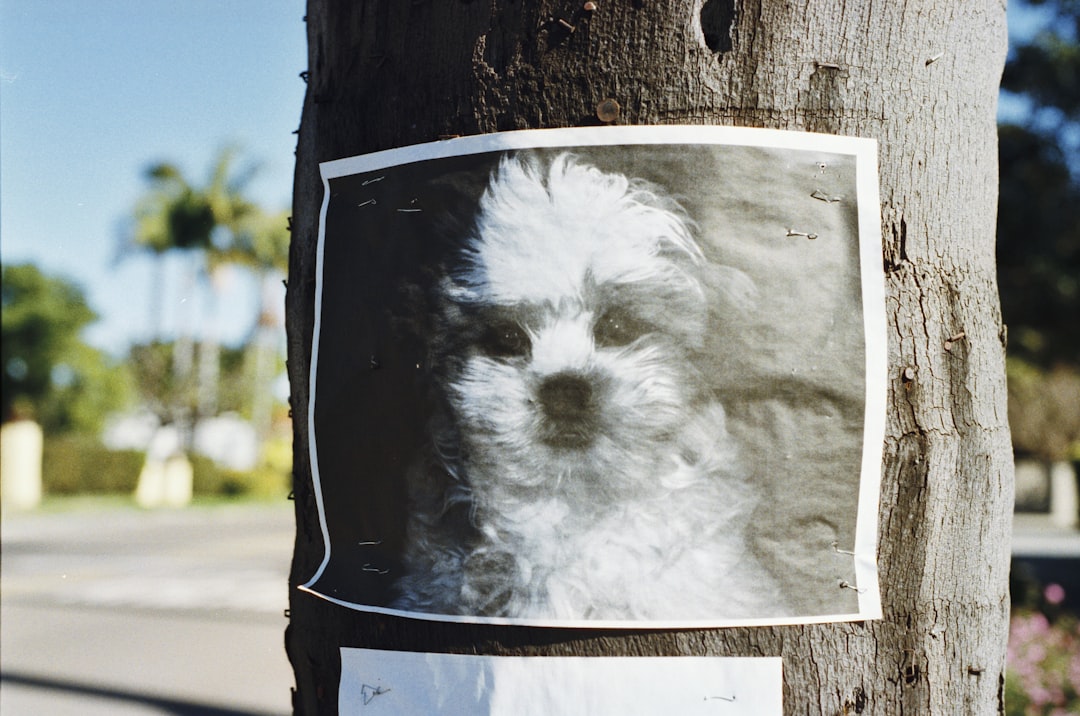
- Put up physical signs, since not everyone is online.
- Ask neighbours directly. Cats travel less far than people assume.
- Report it found to animal control and local rescues.
A microchip is only useful if registered and current, and a great many are not — which is why the local posting matters as much as the scan.
Our guides to cat microchipping and why registration matters and what to do when you find a stray cat cover the reunification process.
Remember cats are legally free-roaming
California has no leash laws for cats, and free-roaming cats are treated as free-roaming agents rather than strays.
A healthy, well-fed, friendly cat may simply live two streets away and visit you. Taking it in permanently without checking is how owned cats get rehomed by accident.
The signals suggesting genuine abandonment are a cat that is thin, unkempt, present constantly rather than intermittently, and unclaimed after visible local posting.
If nobody claims it
After a reasonable period of proper searching — generally a few weeks with visible local advertising — you are looking at an adoptable cat.
That is a good outcome, and it is worth pursuing rather than leaving the cat in the colony.
- A sociable cat in a colony is at higher risk than a feral one — it approaches strangers.
- It is likely to struggle more with weather, competition and territory.
- It has a genuine chance of a home that a feral cat does not.
- It may also be unsterilised, and contributing to the colony growing.
Neighborhood Cats publishes guidance on assessing and handling socialised cats found during colony work.
Bringing it in
Do not simply put a friendly outdoor cat into a house and expect it to settle.
- Confine it to one quiet room with everything it needs.
- Get a veterinary check, including FIV and FeLV testing.
- Treat for fleas and worms before contact with resident pets.
- Keep it separate from other animals for at least two weeks.
- Give it time — even friendly cats need to decompress.
- Arrange sterilisation if it is not already done.
The quarantine is not optional if you have other cats. Our guides to cat flu and ringworm in cats cover what commonly comes in with a colony cat.
If you cannot take it in
Most caretakers already have as many cats as they can manage, and that is a legitimate limit.
Contact local rescues with a clear description: how long the cat has been present, how sociable it is, its condition, and what you have already done to find an owner.
That last part matters. A rescue is far more able to help with a cat where reunification has genuinely been attempted, because it can then place it without risk.
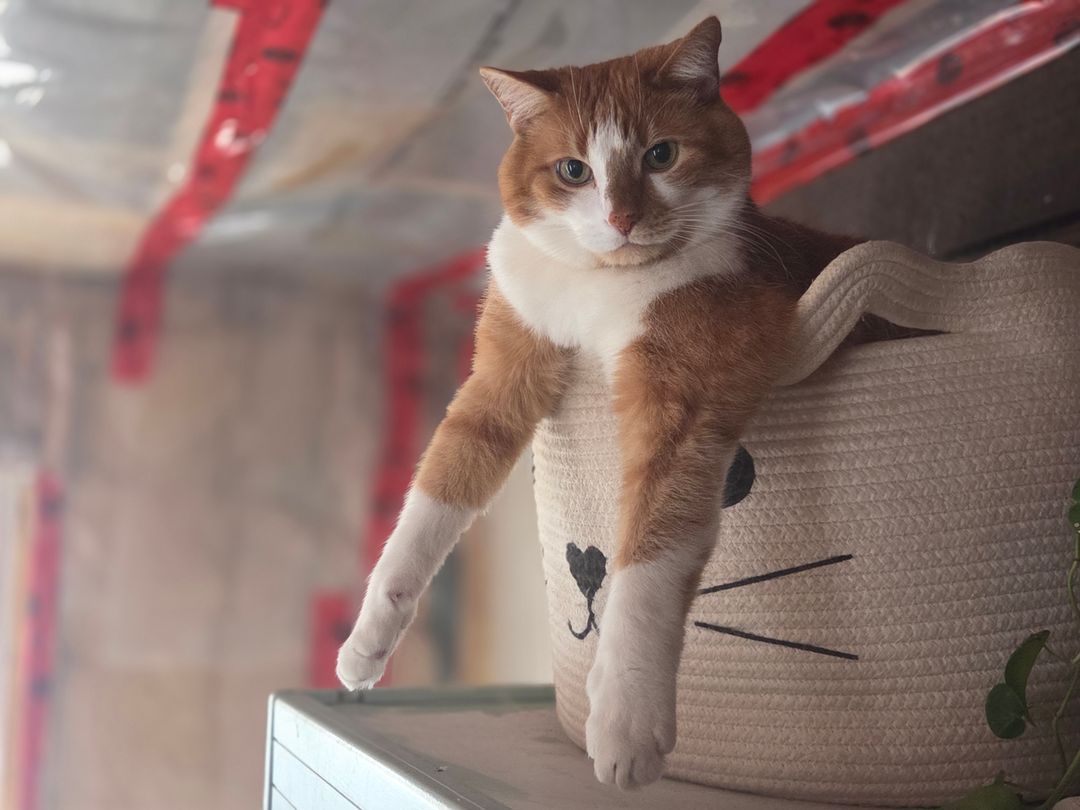
Meanwhile, keep feeding it, get it sterilised if possible, and keep it identifiable. Our guide to choosing a cat rescue covers finding the right organisation to approach.
The awkward middle case
Some cats are semi-social — they will approach for food and tolerate brief touch, but are not pets and do not want to be.
These cats are frequently misjudged in both directions: taken indoors and made miserable, or written off as feral and left unsterilised.
The realistic answer is usually TNR plus continued management as a colony cat, with a lower threshold for reassessment if the cat becomes more sociable over months.
Our guides to socialising a feral kitten and colony caretaking cover both directions.
Prevention, at the colony level
Abandoned cats turning up at colonies is common, because people who dump cats look for somewhere they see other cats being fed.
There is not a great deal you can do about that beyond keeping good records, so you notice quickly when a cat is new.
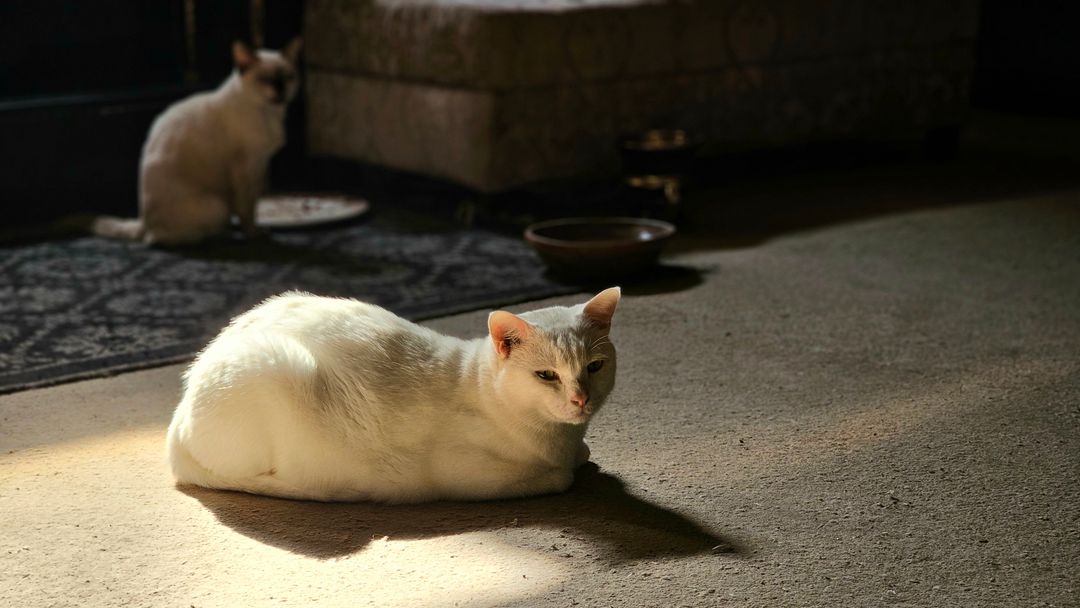
A colony log with photographs makes an unfamiliar cat obvious within days rather than months. Our guide to colony record keeping covers what to track.
Frequently Asked Questions
How do I know if a colony cat is actually someone’s pet?
Sociability is the key signal — approaching people, making eye contact, seeking touch, and especially trying to follow you indoors. Feral cats do not attempt to enter houses.
What should I do first with a friendly cat in a colony?
Get it scanned for a microchip at any vet or shelter, then post locally and physically in the surrounding streets. Many microchips are unregistered, so local posting matters as much as the scan.
How long should I search for an owner?
Generally a few weeks with visible local advertising. California treats free-roaming cats as free-roaming agents, so a healthy friendly cat may simply live nearby and visit rather than be lost.
Should I bring a friendly colony cat indoors?
If unclaimed, usually yes — sociable cats are at higher risk in colonies and have a real chance of a home. Confine to one room, get a vet check with FIV and FeLV testing, and quarantine from resident pets.
What if I cannot take the cat in myself?
Contact local rescues with a clear description of how long it has been present, how sociable it is, its condition, and what you have done to find an owner. That last part makes placement possible.
What about a cat that is friendly but does not want to be a pet?
Semi-social cats are frequently misjudged. The realistic answer is usually TNR and continued colony management, with reassessment if the cat becomes more sociable over subsequent months.