

Good record keeping is what turns a loosely managed group of outdoor cats into a genuinely well-run colony — and it doesn’t require anything fancy to get started.
The Simplest Starting Point
A basic Excel spreadsheet with a photo of each cat alongside their medical history and dates covers most of what you need. Some caretakers prefer a physical three-ring binder, keeping every cat’s information together in one place — either approach works as long as it’s consistent and up to date.
What Each Cat’s Record Should Include
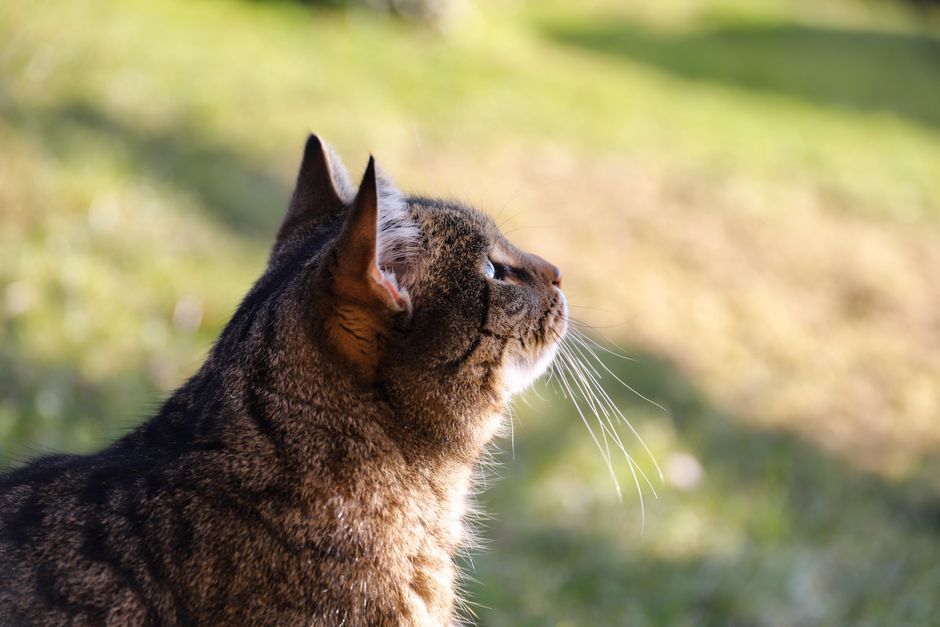
- A photo, for reliable identification between similar-looking cats
- Vaccination history, especially rabies vaccine dates
- Spay/neuter status and the date it was performed
- Any other medical procedures or ongoing health notes

Alley Cat Allies offers a downloadable colony tracking system in both PDF and Excel formats if you’d rather start from a ready-made template than build one from scratch.
Dedicated Software Options
| Tool | What It Does |
|---|---|
| Cat Stats | Tracks colonies and caretakers across a service area, with auto-generated maps and spreadsheets — developed by Neighborhood Cats |
| Meow Metrics | A digital platform for recording and monitoring colony management, supporting caretakers, organizations, and municipalities |
| Whisker Tracker | A mobile app designed to simplify managing a TNR program |

Why This Matters Beyond Just Organization
Good records help you catch which cats need a booster vaccine, track whether a specific cat’s health is declining over time, and coordinate smoothly if multiple caretakers share responsibility for the same colony. Without this, it’s easy to lose track of who’s been sterilized, vaccinated, or needs a follow-up vet visit.

This kind of consistent record keeping ties directly into the broader ongoing responsibilities covered in our full guide to becoming a community cat colony caretaker.
Choosing Between a Spreadsheet, a Binder, and an App
The right choice often comes down to how comfortable you are with technology and how many cats you’re managing. A small colony of five or six cats is easy to track in a simple spreadsheet or even a physical notebook, while a caretaker managing multiple colonies across several locations, or coordinating with other volunteers, benefits considerably from a dedicated app that can be updated and viewed by everyone involved in real time. Starting simple and upgrading only if you find yourself genuinely needing more structure is a reasonable approach — there’s no need to adopt specialized software before you actually feel the limits of a basic spreadsheet.
Keeping Records Consistent Across Multiple Caretakers
If more than one person feeds or monitors the same colony, agreeing on a single shared record system upfront avoids the common problem of duplicate or conflicting information — one caretaker assuming a cat still needs sterilization when another already handled it weeks earlier. Cloud-based spreadsheets or a dedicated app both solve this more reliably than a physical binder that only one person can access at a time, which is worth considering even for a smaller colony if multiple people are involved in its care.
Photographing Cats for Reliable Identification
Community cats, especially within the same colony, can look surprisingly similar to each other at a glance — similar coloring, similar size — making a clear, consistent photo essential for accurate record keeping. Photographing each cat from multiple angles, and noting any distinguishing features like a scar, a slightly torn ear beyond the standard ear-tip, or an unusual marking, meaningfully reduces the chance of mixing up two different cats’ medical histories over time.
Backing Up Your Records
Whichever system you choose, having a backup matters more than people initially realize — a lost phone, a damaged binder, or a corrupted spreadsheet file can wipe out months or years of carefully tracked colony history in an instant. Cloud-based spreadsheets automatically back themselves up, while a physical binder benefits from an occasional photo of each page stored on your phone or emailed to yourself, giving you a simple recovery option if the original is ever lost or damaged.
Sharing Records With a Vet or Clinic
Bringing your colony records — even informal notes — to a TNR clinic visit helps veterinary staff quickly confirm which cats have already been sterilized and vaccinated, avoiding unnecessary repeat procedures and speeding up the visit for everyone involved. Some clinics will even add their own notes directly to your existing records if you bring them along, effectively turning your personal tracking system into a more complete, collaborative document over time.
Records as a Tool for Advocacy
Well-organized colony records also serve a purpose beyond day-to-day care — they’re genuinely useful evidence when advocating for a colony’s continued management with a skeptical property owner, neighbor, or local government official. Being able to show a documented history of declining colony size, consistent vaccination coverage, and responsible care demonstrates far more credibility than a verbal assurance that “everything is under control,” and can make the difference in whether a colony is allowed to remain in place.
Starting Simple and Growing as Needed
There’s no need to build the perfect system on day one — many effective long-term caretakers started with a single notebook page per cat and only moved to a spreadsheet or app once the volume of information made that basic approach hard to manage. Letting your record-keeping system grow alongside your actual needs, rather than over-investing in complex software before you have a real colony to track, keeps the whole process approachable rather than an intimidating barrier to getting started at all.
Whatever system you land on, the habit of recording matters far more than the specific tool — consistency over time is what actually protects a colony’s long-term health, and a simple habit maintained faithfully for years beats an elaborate system abandoned after just a few weeks of otherwise well-meaning good intentions.
Records matter most at the moment somebody else has to take over. Our guide to handing over colony care covers what a handover pack should contain and why to prepare it early.
Good records start with knowing how many cats there actually are. Our guide to counting a cat colony accurately covers the methods that avoid double-counting when several people feed.
Frequently Asked Questions
What’s the simplest way to start keeping colony records?
A basic Excel spreadsheet with a photo of each cat and their medical history, including dates, is enough to get started — no special software required.
What information should each cat’s record include?
Vaccination information (especially rabies), spay/neuter status and date, any other medical procedures, and a photo for identification.
What is Cat Stats?
A TNR program management tool developed by Neighborhood Cats that tracks colonies and caretakers in a service area, with auto-generated maps and spreadsheets.
Does Alley Cat Allies offer a ready-made tracking template?
Yes — they provide downloadable colony tracking systems in both PDF and Excel formats.
Managing a Colony Near Fresno?
Cats By The Tracks can help connect caretakers with TNR and record-keeping resources.