
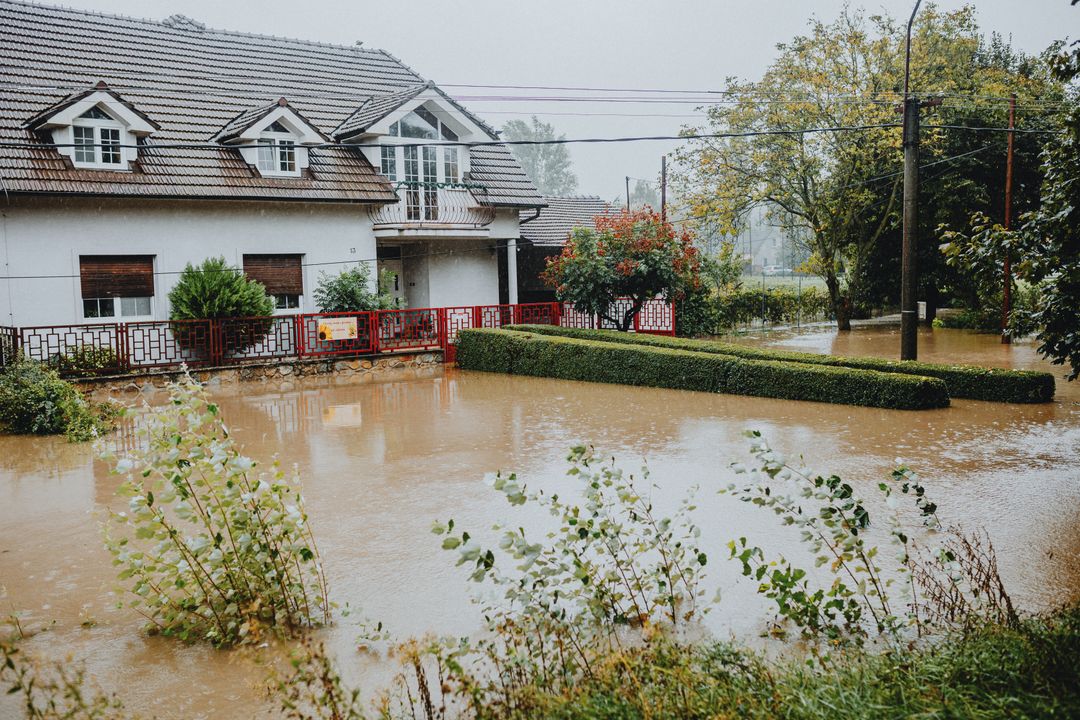
Wildfire gets the attention, but the Central Valley floods too — and storms, saturated ground and rising water displace colony cats every winter somewhere in the region.
Cats handle rain better than people assume and standing water worse. The practical work is mostly done before the weather arrives.
What actually threatens cats in bad weather
Ranking these correctly determines where to put your effort.
| Threat | Severity | Why |
|---|---|---|
| Wet bedding and shelter | High | Wet cats lose heat fast; hypothermia risk |
| Rising water in low shelters | High | Cats can be trapped inside |
| Loss of dry resting places | High | Nowhere to recover between rain |
| Contaminated water sources | Moderate | Standing floodwater carries pathogens |
| Food spoiling or washing away | Moderate | Manageable with planning |
| Displacement to unfamiliar ground | Moderate | Cats disperse and may not return quickly |
| Wind damage to structures | Moderate | Shelters blow over or away |

Wet insulation is the specific danger. A shelter with damp bedding is worse than no shelter, because it holds moisture against the cat and accelerates heat loss.
Our guide to winter shelter for outdoor cats covers construction; this is about siting and weatherproofing it.
Siting shelters for water
Most colony shelters are placed for convenience and concealment rather than drainage, which is fine until it is not.
- Raise everything off the ground — pallets, bricks or a frame, at least several inches.
- Avoid low points, ditches, culverts and anywhere water visibly pools after rain.
- Check the ground after a heavy shower before committing to a location.
- Give each shelter two openings where possible, so a cat is never trapped by rising water at one entrance.
- Angle roofs so water runs off away from entrances.
- Secure against wind — weight or anchor anything light.
Two openings is the detail most often skipped and the one that matters most in flooding. A single-entrance shelter can become a trap.
Keeping bedding dry
Straw is the standard recommendation for outdoor cat shelters, and the reason is directly relevant here.
Straw repels moisture and allows cats to burrow. Hay absorbs water and rots. Blankets, towels and fabric hold moisture against the cat and are actively dangerous in cold wet conditions.
Check and replace bedding after any prolonged rain. A shelter that felt dry from outside frequently is not once you reach inside.
The Humane Society of the United States publishes guidance on outdoor cat shelter and severe weather care.
Before a forecast storm
The window before bad weather is when useful work happens.
- Check and replace all bedding with dry straw.
- Raise or move any shelter sitting on wet ground.
- Secure or weight anything that could blow over.
- Move food storage somewhere dry and sealed.
- Put out extra dry food shortly before, since visits may be disrupted.
- Provide covered water that will not be contaminated by runoff.
- Photograph the site, which helps if you need to reconstruct it afterwards.
Extra food beforehand matters because roads flood and caretakers cannot always get through. Cats coping with cold need more calories, not fewer.
During the weather
Go when it is safe and not before. A caretaker injured on flooded ground helps nobody.
If you can reach the site, the priorities are dry bedding, accessible food and confirming that no cat is trapped in a flooded shelter.

Do not attempt to trap or move cats during a storm. Wet, cold, frightened cats in traps are at serious risk, and there is usually nowhere to take them.
Cats that have found their own shelter are frequently better off than cats you disturb. Interfere only where an animal is visibly in trouble.
Afterwards
Recovery takes longer than the weather does.
- Re-establish feeding at the usual spot and time immediately, even if no cats appear.
- Replace all bedding — assume it is wet even if it looks dry.
- Provide fresh water; floodwater and runoff contaminate open containers.
- Check shelters for damage and for cats sheltering inside.
- Search low-lying areas, culverts and outbuildings for displaced or trapped cats.
- Expect the count to be down initially and to recover over days or weeks.

Do not conclude cats are gone after a few days. Displacement is common and most return once conditions settle and feeding resumes.
Our guide to when a colony cat stops showing up covers searching and how long to keep looking.
Health after flooding
Wet, cold, stressed cats get sick, and floodwater carries pathogens.
Watch for respiratory signs, wounds from debris, and anything suggesting hypothermia in the immediate aftermath. Vaccinated colonies fare considerably better through this.
Our guides to disease in community cat colonies and what to do with a sick or injured community cat cover response.
Planning ahead
Storm and flood preparation overlaps almost entirely with fire preparation, and both benefit from the same groundwork.
Keep records off-site, photograph and ear-tip every cat, tell a second person the colony exists, and keep a small reserve of food and straw somewhere dry.
Our guides to community cats during wildfire and disasters and colony record keeping cover that shared preparation.
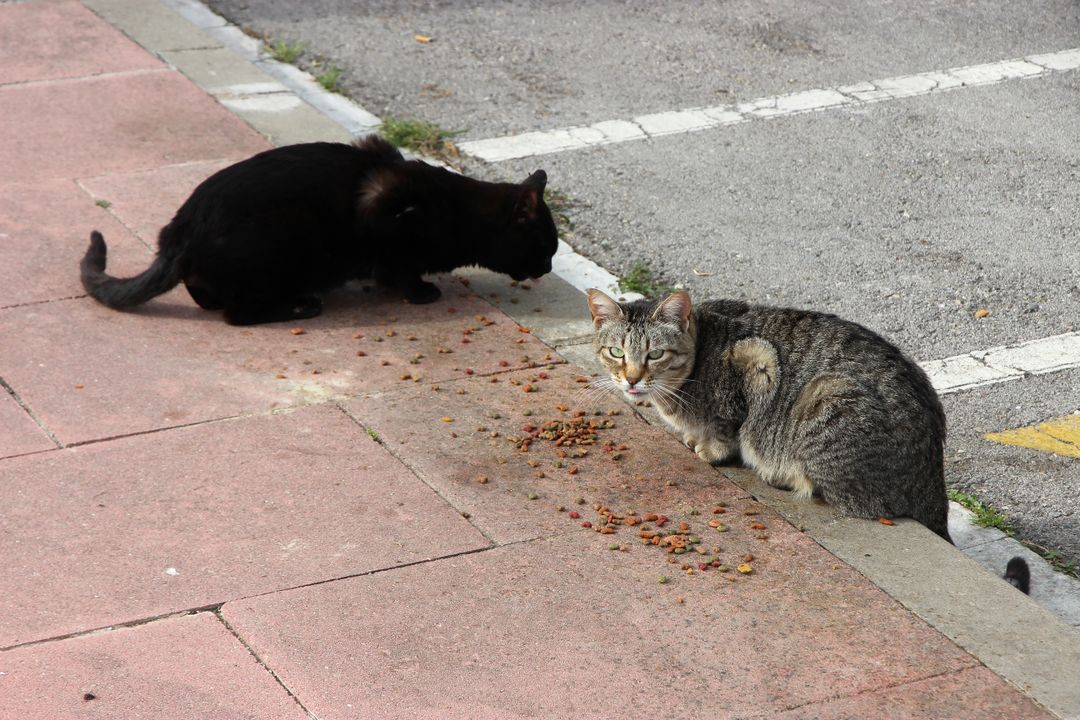
After the weather passes
The days after are when preventable losses happen, and they are the part most plans leave out.
- Check shelters for standing water before assuming they are usable — a damp shelter is worse than none.
- Replace wet bedding entirely rather than drying it.
- Re-site anything that flooded, even slightly.
- Put fresh water out first — contaminated standing water is the immediate risk.
- Do a headcount over several days, since displaced cats return gradually.
- Watch for coughing, limping and wounds as cats reappear.
Cats that vanish during a storm frequently return several days later, so hold off on assuming losses. Keep feeding at the usual place and time, which is what brings them back.
Our guide to counting a colony accurately covers establishing the baseline that makes a post-storm headcount meaningful.
Frequently Asked Questions
What is the biggest weather risk to colony cats?
Wet bedding and shelter. A damp shelter is worse than none, because moisture held against the cat accelerates heat loss. Rising water trapping cats in low shelters is the other major risk.
What bedding should outdoor cat shelters use?
Straw, which repels moisture and lets cats burrow. Hay absorbs water and rots, and blankets, towels or fabric hold moisture against the cat — actively dangerous in cold wet conditions.
How should shelters be positioned for flooding?
Raised several inches off the ground on pallets or bricks, away from low points and anywhere water pools, with two openings so a cat cannot be trapped by rising water at a single entrance.
Should I trap and move cats before a storm?
No. Wet, cold, frightened cats in traps are at serious risk and there is usually nowhere to take them. Cats that have found their own shelter are generally better off undisturbed.
What should I do after flooding?
Re-establish feeding at the usual time and place immediately, replace all bedding, provide fresh uncontaminated water, check shelters for damage and trapped cats, and search low-lying areas.
How long before displaced colony cats return?
Days to weeks. Do not conclude cats are gone after a few days — displacement is common and most return once conditions settle and consistent feeding resumes at the usual spot.