
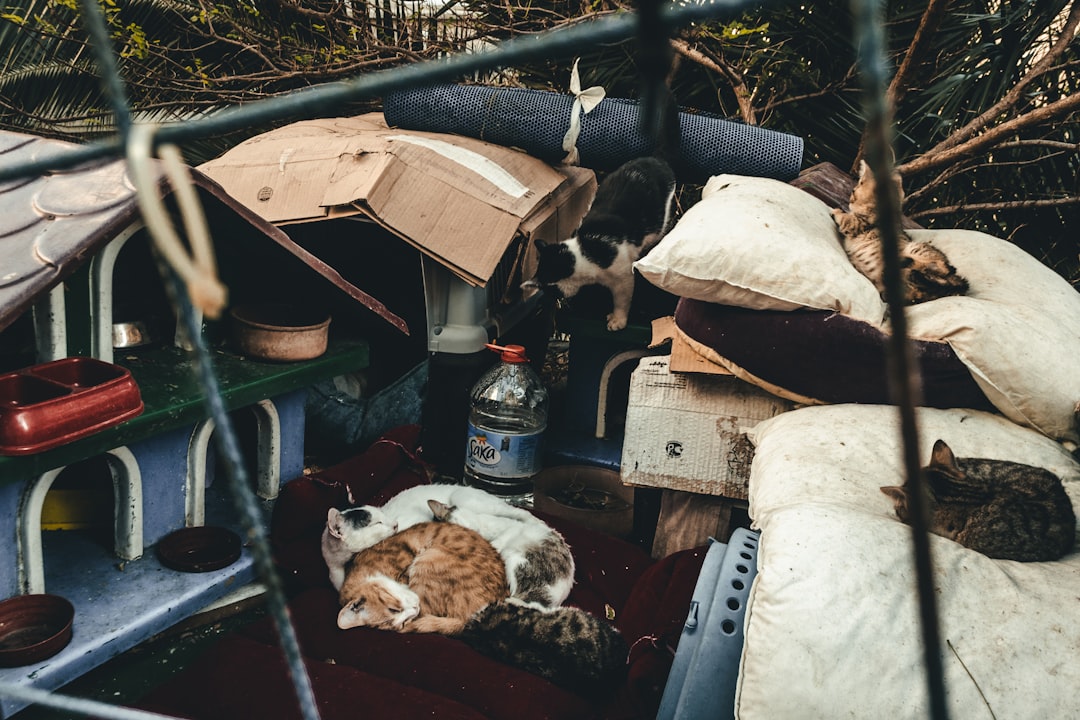
Colony caretakers spend most of their time on trapping and feeding, and then face something they were not prepared for: a cat that is visibly unwell.
Outdoor cats living in groups share air, food bowls and grooming, which makes some infections almost inevitable. Knowing which are routine, which need a vet and which threaten the whole colony changes how you respond.
The common problems, ranked by how worried to be
| Condition | How common | Colony risk | Action |
|---|---|---|---|
| Upper respiratory infection | Very common | Spreads easily, rarely fatal in adults | Monitor; treat severe cases |
| Fleas and ear mites | Very common | Low, but debilitating in kittens | Treat at TNR surgery |
| Intestinal worms | Very common | Low | Deworm at surgery |
| Ringworm | Common | Highly contagious, including to people | Veterinary diagnosis needed |
| Abscesses from fighting | Common in unfixed cats | Low | Drops sharply after neutering |
| Panleukopenia | Uncommon | Severe, often fatal in kittens | Vaccinate; urgent if suspected |
| FIV and FeLV | Variable | Slow-spreading | Test where practical |
The University of Wisconsin’s Shelter Medicine Program publishes clinical guidance on infectious disease in group-housed cats that translates well to colony settings.
Upper respiratory infection
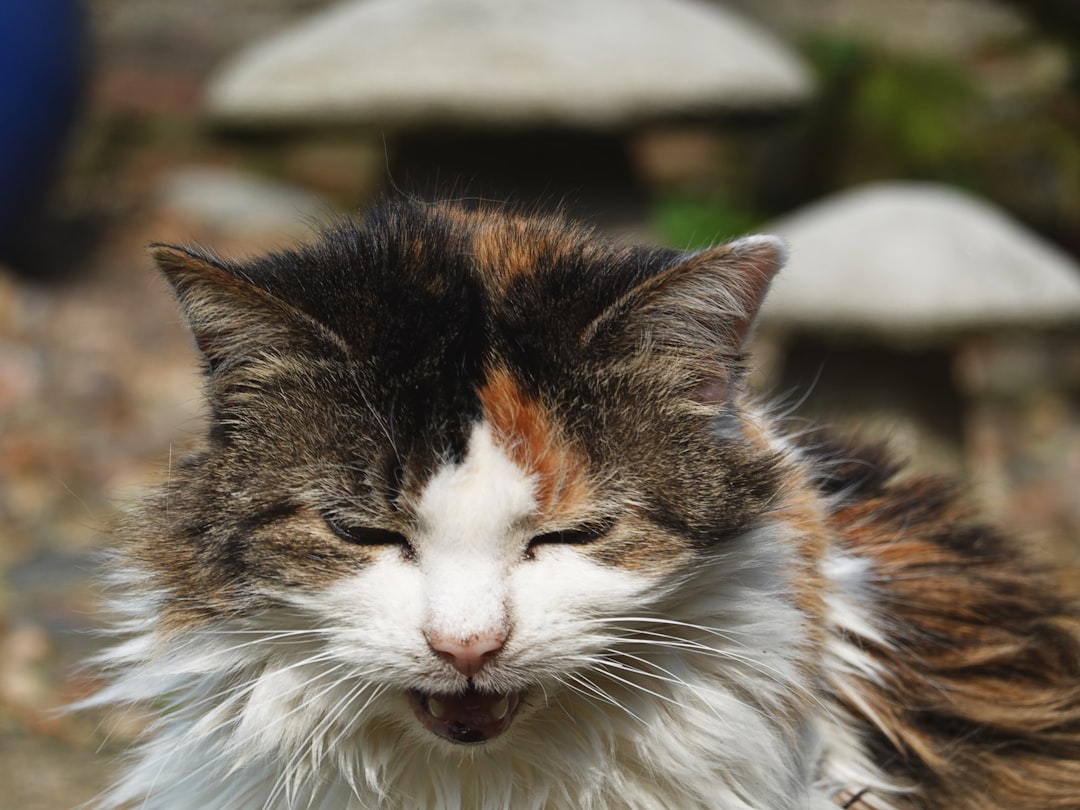
Sneezing, runny eyes and nasal discharge are the most frequent thing a caretaker sees, and most healthy adult cats recover without intervention.
It is usually viral — feline herpesvirus or calicivirus — and it recurs under stress, which is why the same cats flare up repeatedly.
- Mild sneezing with a bright, eating cat: monitor.
- Eyes glued shut, or discharge turning thick and coloured: needs treatment.
- Not eating for 24 hours: urgent, regardless of cause.
- Laboured breathing or open-mouth breathing: emergency.
- Kittens with any of the above: escalate faster than adults.
Vaccinating at the time of TNR surgery reduces both frequency and severity across the colony. Our guide to the cat vaccination schedule covers what is typically given.
Ringworm: the one that catches people out
Ringworm is a fungal infection, not a worm, and it is the colony problem most likely to affect you as well as the cats.
It presents as circular patches of hair loss, often on the face, ears or paws, sometimes with scaling. It spreads through direct contact and through contaminated bedding and surfaces.

- Do not diagnose it by eye — several conditions look identical.
- Wear gloves when handling any cat with hair loss.
- Isolate affected kittens taken into foster care immediately.
- Wash hands and change clothes after handling.
- Expect treatment to run for weeks, not days.
It is treatable and rarely serious, but it can shut down a foster network for a month if it gets into one. That is why quarantine matters for any colony kitten brought indoors.
Panleukopenia
This is the one that can devastate a colony, and it is worth recognising.
Signs are severe: sudden lethargy, vomiting, profuse diarrhoea and rapid deterioration, most often in kittens. Unvaccinated young cats frequently do not survive.
The virus is extremely hardy and persists in the environment for months, resisting most ordinary disinfectants.

Vaccination at TNR is the only realistic protection in a colony setting. If you suspect panleukopenia, contact a vet immediately and do not move cats between sites.
Parasites
Fleas, ear mites and intestinal worms are near-universal in unmanaged colonies and are usually dealt with in one go at surgery.
Heavy flea burdens cause genuine harm rather than mere irritation — anaemia in kittens can be fatal, and it is a common cause of death in litters that appear otherwise healthy.
Ask your TNR clinic what parasite treatment is included in the surgery fee. Most include something; the products and duration vary.
Our comparison of low-cost spay and neuter options in Fresno notes what different clinics bundle.
What actually prevents disease in a colony
Caretakers often focus on treating individual cats when the higher-leverage work is environmental.
| Measure | Effect |
|---|---|
| Sterilise 80%+ of the colony | Fewer kittens, less fighting, fewer abscesses |
| Vaccinate at surgery | Reduces URI and panleukopenia severity |
| Clean feeding stations daily | Cuts faecal-oral transmission |
| Remove uneaten food promptly | Reduces rodents and wildlife contact |
| Provide dry, ventilated shelter | Less stress, fewer URI flare-ups |
| Keep water sources clean | Reduces bacterial spread |
| Trap new arrivals quickly | Stops unvaccinated cats joining |
Stress is the underrated driver. Overcrowding, competition at feeding time and poor shelter all suppress immune function and turn a manageable virus into an outbreak.
Our guide to feeding station best practices covers hygiene and placement.
When to intervene and when to leave alone
Trapping a sick community cat is stressful for the animal and costs a clinic slot, so the decision matters.
- Trap and treat: not eating, obvious injury, eyes sealed shut, visible abscess, unable to move normally.
- Monitor: mild sneezing, minor limp, slight discharge in a cat still eating well.
- Urgent: any kitten that is lethargic, cold or not eating.
- Do not trap: a healthy cat you simply want to check on.
Our guide to what to do with a sick or injured community cat covers the practical steps.
Keep records
Disease patterns only become visible if someone is writing things down. A colony log turns “that cat looks rough again” into useful information.
Note which cat, what signs, what date, and what was done. Over a year that reveals which individuals recur, whether a site problem is driving it, and which cats still need vaccinating.
Our guide to colony record keeping covers what to track, and colony caretaking covers the wider routine.

Protecting your own cats
Caretakers with cats at home are the most common route for colony infections to reach a household.
- Keep your own cats fully vaccinated, which is the single biggest protection.
- Change clothes and wash hands after handling colony cats or traps.
- Keep a dedicated pair of shoes for feeding rounds.
- Disinfect traps between uses, and never store them indoors uncleaned.
- Quarantine any colony kitten brought home for at least two weeks.
Panleukopenia in particular survives on shoes and clothing for months, which is how it reaches indoor cats that never go outside. Our cat vaccination schedule guide covers what protects against it.
Ringworm is the colony infection most likely to reach the people handling the cats. Our guide to ringworm in cats covers diagnosis, the weeks-long treatment and the household precautions.
Frequently Asked Questions
What is the most common illness in community cats?
Upper respiratory infection — sneezing, runny eyes and nasal discharge. It is usually viral, recurs under stress, and most healthy adult cats recover without intervention.
Can I catch anything from community cats?
Ringworm is the main one, and it is a fungal skin infection rather than a worm. Wear gloves handling any cat with hair loss, wash hands afterwards, and isolate affected kittens taken indoors.
What is panleukopenia and how serious is it?
A severe viral infection causing sudden lethargy, vomiting and profuse diarrhoea, often fatal in unvaccinated kittens. The virus persists in the environment for months, so vaccination at TNR is the main protection.
Are fleas actually dangerous to colony cats?
Yes, in kittens. Heavy flea burdens cause anaemia that can be fatal, and it is a common cause of death in litters that otherwise appear healthy. Treatment is usually included at TNR surgery.
When should I trap a sick community cat?
If it is not eating, visibly injured, has eyes sealed shut, has an abscess, or cannot move normally. Any lethargic or cold kitten is urgent. Do not trap a healthy cat simply to check it.
What prevents disease spreading in a colony?
Sterilising most of the colony, vaccinating at surgery, cleaning feeding stations daily, removing uneaten food, providing dry ventilated shelter, and trapping new arrivals before they join unvaccinated.