

Trapping five cats and trapping thirty are different activities. The second needs planning, a team and clinic capacity arranged weeks ahead.
It is also, counterintuitively, easier than doing the same colony gradually — because gradual trapping makes the remaining cats progressively harder to catch.
Why staged trapping fails on large colonies
Taking a few cats each week seems sensible and reliably backfires.
- Remaining cats watch and become trap-shy.
- Breeding continues while you work through the colony.
- You never reach the sterilisation threshold where numbers actually fall.
- Volunteer energy dissipates over months.
- Records get muddled about who has been done.
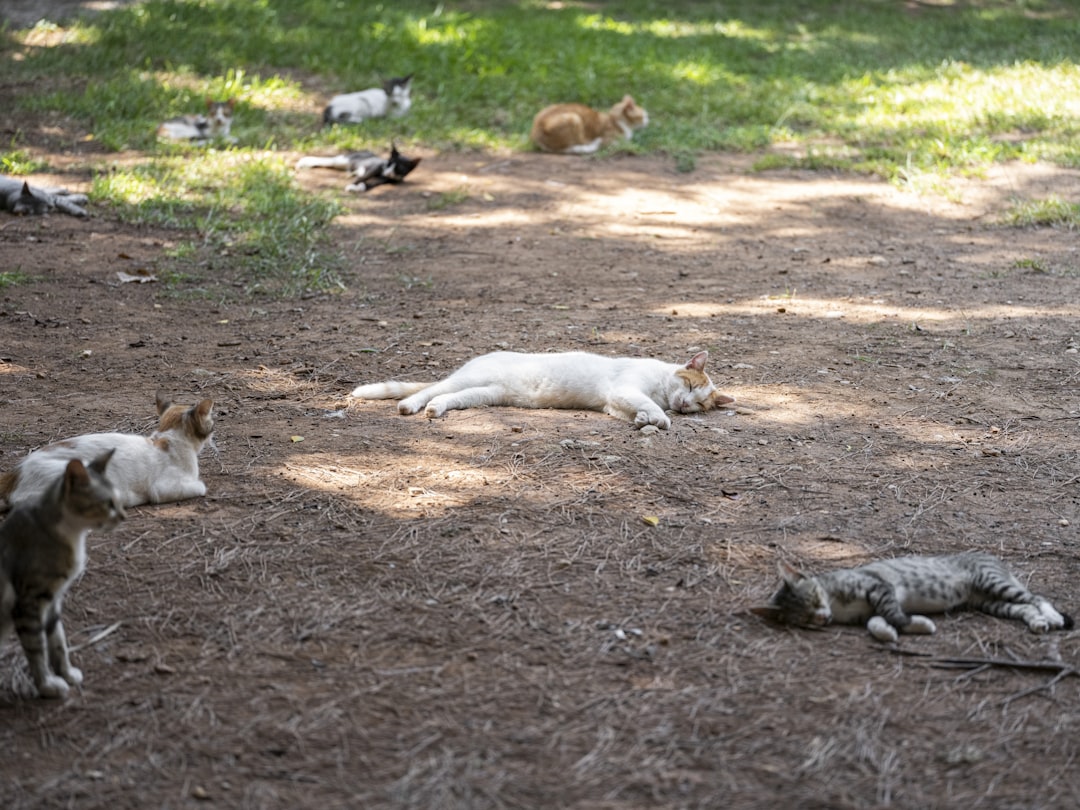
Our explainer on the population maths behind TNR covers why partial sterilisation below roughly eighty per cent achieves so little.
The aim of mass trapping is to get most of the colony done in one or two nights, before anyone becomes trap-shy.
Planning backwards from clinic capacity
The binding constraint is surgical slots, so start there and work back.
- Count the colony accurately, with photographs, over at least a week.
- Book surgical capacity for that number, plus a small margin.
- Confirm collection and return times with the clinic.
- Work out holding space needed — one trap per cat, spaced.
- Recruit volunteers for each role.
- Set the trapping date, then work the feeding schedule back from it.
Never trap before slots are confirmed. A dozen trapped cats with nowhere to go on Monday morning is a genuine welfare failure.
Alley Cat Allies publishes guidance on larger-scale operations.
Holding space
This is the constraint people underestimate. Thirty traps need real space, and it must be indoors and temperature-controlled.
| Requirement | Detail |
|---|---|
| Space | Traps spaced, not stacked touching |
| Temperature | Warm in winter, genuinely cool in valley summer |
| Surface | Washable floor, lined with plastic and newspaper |
| Quiet | No dogs, no household traffic |
| Darkness | Every trap covered |
| Access | Able to load a vehicle early in the morning |

A garage is the usual answer. In a Central Valley summer, an uninsulated garage can be lethal — check the temperature at the hottest part of the day before committing to it.
Our guide to keeping community cats safe through Central Valley summers covers heat risk in holding and transport.
Volunteer roles
Assign roles explicitly. Operations fail when everyone assumes someone else is watching the traps.
| Role | Responsibility |
|---|---|
| Trap monitors | Check every 15 minutes, cover immediately |
| Runner | Moves covered traps to the holding space |
| Holding supervisor | Manages space, spacing, labelling |
| Drivers | Transport to and from the clinic |
| Records keeper | Logs every cat, matches traps to paperwork |
| Feeder liaison | Knows the colony and identifies individuals |
The feeder liaison matters more than people expect. Someone who knows the cats individually can tell you what is still missing at 2am.
The trapping night
- Withhold food for 24 hours beforehand, longer if safe.
- Set all traps at once at dusk, on level ground, covered except the entrance.
- Bait with something strong-smelling — sardines or rotisserie chicken.
- Stay out of sight but within reach.
- Check every fifteen minutes without fail.
- Cover each sprung trap fully and move it immediately.
- Reset the vacated position if cats remain.

Label every trap as it is filled — date, location, any description. Masking tape and a marker. Without this, thirty identical covered traps become unmatched to paperwork within hours.
Managing the ones you miss
You will not get everyone. Plan for that rather than treating it as failure.
Prioritise breeding females if you have to choose, since they drive the population maths more than anything else.
For the holdouts, wait a few weeks before trying again and change your approach. Our guide to trapping hard-to-catch cats covers desensitising and drop traps.
Clinic day and return
Transport covered, in a vehicle that is not overheating. Arrive on time — high-volume clinic days run on a tight schedule.
Expect the same package as any TNR surgery: sterilisation, ear tip, vaccinations, parasite treatment. Our walkthrough of what happens on TNR clinic day covers the detail.
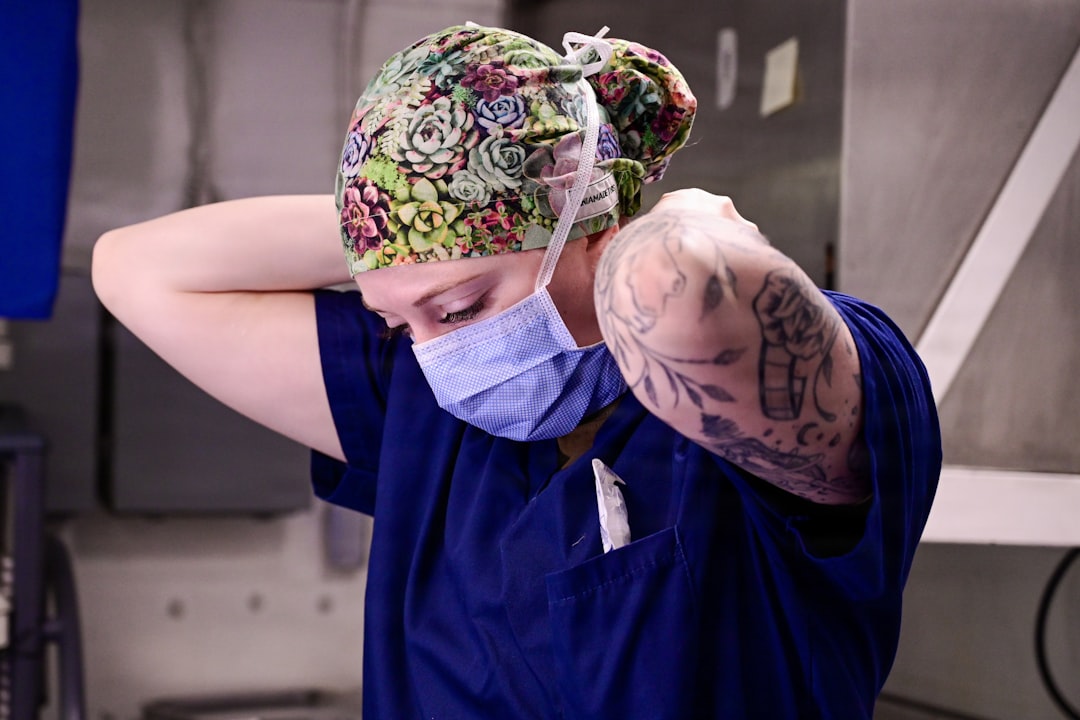
Hold overnight, return every cat to its exact trapping location, and release in the evening. Males typically recover within 24 hours, females 24 to 48.
After the operation
The colony is not finished when the cats are returned. It is finished when it is being maintained.
- Record everything while it is fresh — the same evening if possible.
- Photograph every ear-tipped cat for the colony log.
- Identify who was missed and plan the follow-up.
- Establish who is feeding long-term.
- Trap new arrivals within weeks rather than waiting.

Our guides to colony caretaking and handing colony care to someone else cover the maintenance phase that determines whether the work holds.

Budgeting a large operation
Thirty cats is a substantial cost, and knowing the shape of it before you start prevents stalling halfway.
| Cost | Notes |
|---|---|
| Surgery per cat | The dominant cost; ask about a bulk rate |
| Vaccinations | Usually bundled at community cat rates |
| Trap purchase or hire | Borrow where possible |
| Bait and consumables | Modest but not zero |
| Fuel and transport | Multiple vehicle trips |
| Contingency | Pregnancies, injuries, unexpected treatment |
Ask the clinic directly whether a bulk rate applies for a large scheduled block. Many will, and it is rarely advertised.
Our guides to what a full TNR project costs and low-cost spay and neuter options cover the regional pricing.
Debrief afterwards
Write down what went wrong the same week, while it is fresh. Every operation reveals something — a holding space that overheated, a trap type that failed, a role nobody covered.
That record makes the second operation substantially smoother, and it is what turns a one-off effort into a functioning programme.
Frequently Asked Questions
Why not trap a large colony gradually?
Because remaining cats watch and become trap-shy, breeding continues throughout, and you never reach the roughly eighty per cent sterilisation threshold where numbers actually start falling.
What should I organise first for a mass trapping?
Surgical capacity. Book the clinic slots for your counted number before setting a single trap — a dozen trapped cats with nowhere to go on Monday morning is a genuine welfare failure.
How much holding space do I need?
One trap per cat, spaced rather than stacked, in a warm, dry, quiet indoor area with a washable floor. A garage is usual, but check its summer temperature before committing to it.
How often should traps be checked during a mass operation?
Every fifteen minutes without exception. Each sprung trap should be fully covered and moved to holding immediately, then the position reset if cats remain uncaught.
What if I cannot catch every cat?
Plan for it. Prioritise breeding females, since they drive the population maths most. Wait a few weeks before trying again with the holdouts, and change technique rather than repeating.
Why label the traps?
Because thirty identical covered traps quickly become unmatched to paperwork. Masking tape and a marker recording date, location and description takes seconds and prevents real confusion.