
Most TNR guides cover trapping in detail and then skip to “take the cat to the clinic”. First-time caretakers arrive with no idea what the day involves or what they are responsible for.
Here is the whole sequence, from the night before to the release.
The night before
Almost everything that goes wrong on clinic day was decided the previous evening.
- Confirm your appointment — slot numbers are limited and often over-subscribed.
- Withhold food from the trapped cats from late evening, but leave water available.
- Keep traps covered, in a quiet, temperature-controlled indoor space.
- Do not open a trap for any reason, however calm the cat appears.
- Line the space beneath the traps with newspaper or puppy pads.
- Load the vehicle the night before if you have an early drop-off.

Cats held overnight in covered traps settle far better than people expect. A dark, quiet trap feels like a hiding place rather than a cage.
Drop-off
Clinics running community cat days handle high volume, so arrival is usually brisk and paperwork-heavy.
You will be asked for the number of cats, the trapping location, and whether any cat is visibly pregnant, injured or nursing. Answer honestly — it affects clinical decisions.
Cats stay in their traps throughout. Handling a feral cat outside a trap is dangerous for staff and unnecessary, since anaesthesia is administered through the trap or a transfer cage.
ASPCApro publishes operational guidance for high-volume spay/neuter and community cat programmes.
What happens during surgery
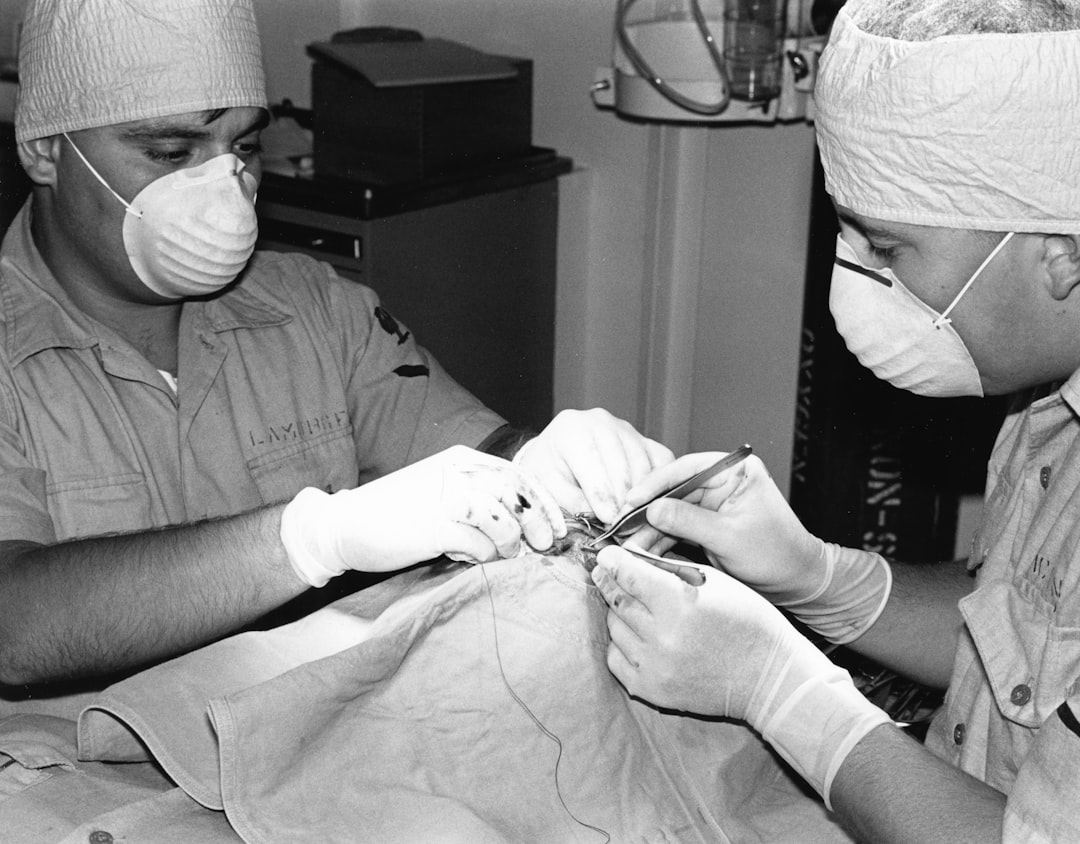
The cat is sedated in the trap, then moved to the surgical area. From the cat’s perspective the entire experience is a few confusing minutes at each end.
| Step | What it involves | Typical inclusion |
|---|---|---|
| Sedation | Administered through the trap | Always |
| Examination | Age, weight, condition, pregnancy check | Always |
| Sterilisation | Spay or neuter | Always |
| Ear tip | Left ear tip removed under anaesthesia | Standard for community cats |
| Rabies vaccination | Given while sedated | Usually |
| FVRCP vaccination | Given while sedated | Usually |
| Parasite treatment | Flea and worm treatment | Often |
| Pain relief | Long-acting injection | Standard |
| FIV/FeLV testing | Blood test | Sometimes, often extra |
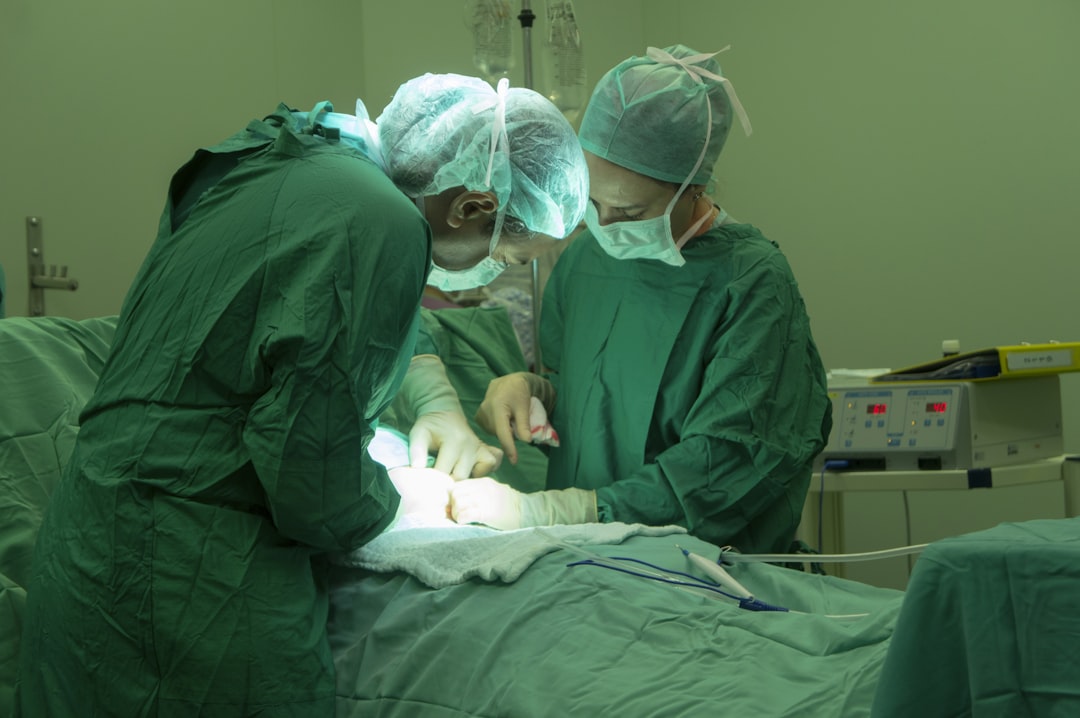
Ask in advance which of these are included in the quoted price. Community cat pricing is usually a bundle, but the contents vary between clinics.
Our comparison of low-cost spay and neuter options in Fresno covers what different local clinics include.
The ear tip
The tip of the left ear is removed while the cat is already anaesthetised. It takes seconds, heals cleanly, and causes no lasting problem.
It exists so that anyone looking at the cat from a distance can see it has been sterilised, which prevents it being trapped and anaesthetised again unnecessarily.
Do not decline it for a genuinely free-roaming cat. An untipped colony cat will be trapped again by someone eventually. Our explainer on what ear tipping means covers the practice fully.
Pregnant and nursing cats
This is the part caretakers find hardest, and it is worth thinking through before the day rather than in a clinic car park.
Most high-volume clinics will spay a pregnant cat, since the alternative is another litter into an already overloaded system. Clinics differ in policy at late stages, so ask when booking.
A visibly nursing mother is different. Removing her from dependent kittens for 24 hours can be fatal for them, so tell the clinic immediately — most will sterilise and return her quickly, or ask you to wait until weaning.
Our guide to what to do when you find newborn kittens covers judging whether kittens are still dependent.
Collection and overnight recovery
Most clinics return cats the same afternoon, still groggy. You are responsible for recovery.
- Keep cats in covered traps in a warm, dry, quiet indoor space.
- No food for a few hours after collection unless the clinic says otherwise, then a small amount.
- Water once the cat is fully alert.
- Check for bleeding, swelling or discharge at the incision without opening the trap.
- Males usually recover within 24 hours; females typically need 24 to 48.

Do not release a groggy cat. A sedated cat outdoors cannot avoid traffic, dogs or other hazards, and this is where avoidable losses happen.
Release
Return each cat to the exact location it was trapped, and release in the evening rather than the middle of the day.
Open the trap door, step back, and let the cat leave in its own time. Some bolt instantly; others sit for a minute working out what happened.
Expect the cat to disappear for a day or two. Keep feeding on the normal schedule and it will reappear.
What to record
Clinic day generates the only reliable information you will get about these cats, and most of it gets lost.
- Date, clinic, and which cat — with a photograph.
- Sex, and the age estimate the vet gave.
- Which vaccinations were given, and any due date noted.
- Whether it was ear-tipped, and which ear.
- Any medical findings, including pregnancy or existing conditions.
- FIV/FeLV result if tested.

This is the moment your colony log becomes genuinely useful. Our guide to colony record keeping covers what to track, and disease in community cat colonies covers interpreting the medical findings.
If you are still at the planning stage, our guide to getting started with TNR in Fresno covers booking and trapping, and trapping hard-to-catch cats covers the holdouts.

What it costs and what to bring
Community cat surgery is priced as a bundle rather than itemised, and knowing what is included avoids surprises at collection.
- Confirm the price and what it covers when booking, not on the day.
- Ask whether FIV and FeLV testing is included or charged separately.
- Bring the appointment reference and the trapping location.
- Bring newspaper or puppy pads for the vehicle.
- Bring a towel per trap for covering.
Most clinics ask you to label each trap with your name and contact details. Masking tape and a marker take ten seconds and prevent mix-ups on a busy day.
Our comparison of low-cost spay and neuter options in Fresno covers what different local clinics include in their community cat pricing.
Frequently Asked Questions
Do community cats stay in the trap during surgery?
They stay in traps for transport and holding, and are sedated through the trap before being moved to the surgical area. Handling a feral cat outside a trap is unnecessary and unsafe.
Should I withhold food before a TNR appointment?
Yes, from late the previous evening, but leave water available. Follow the specific clinic instructions, since fasting requirements vary slightly between providers.
How long do cats need to recover after TNR surgery?
Males usually recover within 24 hours and females typically need 24 to 48. Keep them in covered traps in a warm, dry, quiet indoor space and never release a groggy cat.
Will a clinic spay a pregnant community cat?
Most high-volume clinics will, since the alternative is another litter into an overloaded system. Policies differ at late stages, so ask when booking rather than on the day.
What if I trap a nursing mother?
Tell the clinic immediately. Removing her from dependent kittens for 24 hours can be fatal for them, so most will sterilise and return her quickly or ask you to wait until weaning.
Where should a cat be released after TNR?
At the exact location it was trapped, in the evening rather than midday. Releasing a community cat somewhere unfamiliar is effectively abandonment and rarely ends well.