
Colony caretaking is usually one person. That person moves, gets ill, gets older, or dies — and a colony that depended entirely on them is suddenly unfed.
It is the least discussed risk in community cat work and one of the most consequential, because the cats have no way of adapting.
This is about planning the handover before you need it.
Why it matters more than it sounds
A managed colony is dependent in ways an unmanaged one is not.
- The cats rely on a predictable food source at a fixed time and place.
- Nobody else may know the colony exists, or where the stations are.
- Records of who is sterilised live in one person’s head or notebook.
- Relationships with the property owner and neighbours are personal.
- New arrivals go untrapped, and the colony starts growing again.

The sterilisation records are the loss that hurts longest. Without them, a future caretaker cannot tell who has been done and either repeats work or misses cats.
Our guide to colony record keeping covers what to document.
Recruit a second person now
The single most effective step is having someone else who already knows the colony before anything happens.
That does not mean sharing the work equally. It means someone who has fed it at least occasionally, knows where the stations are, and could step in.
- Ask a neighbour who has shown interest.
- Ask at a local rescue or TNR group.
- Ask whoever else feeds cats in the area — there is often somebody.
- Take them on a feeding round so it is not theoretical.
- Give them a copy of the records and the key contacts.
A colony known to two people is dramatically more robust than one known to one.
What a handover pack contains
| Item | Why it matters |
|---|---|
| Colony location and station map | Nobody can feed cats they cannot find |
| Cat list with photographs | Identifies individuals and who is fixed |
| Sterilisation records with dates | Prevents repeated or missed work |
| Feeding schedule and quantities | Continuity matters to the cats |
| Property owner contact and any agreement | Access permission is personal |
| Vet and clinic contacts | Including any account or rate agreed |
| Known medical issues per cat | Ongoing conditions, medication |
| Neighbour context | Who is supportive, who has complained |

Keep it somewhere findable, not only on your phone. A printed copy in a labelled folder is more likely to survive a crisis than a cloud document nobody knows exists.
HumanePro publishes operational guidance for shelters and community programmes on continuity planning.
Planning for a house move
This is the commonest reason colony care ends, and it is the one you can plan for months in advance.
Start looking for a successor as soon as you know you are moving. Overlap matters — introduce them, feed together for a few weeks, and let the cats become familiar with the new person before you go.
Do not attempt to take the colony with you. Our guide to relocating a community cat covers why relocation usually fails and when it is genuinely justified.
Planning for illness or death
Less comfortable, and worth doing anyway.
Tell somebody in your household or family that the colony exists and where the folder is. A surprising number of colonies are discovered only when a relative finds cat food in a shed.

- Note the colony in the same place you keep other important documents.
- Tell at least two people it exists.
- Include the local rescue’s contact details for whoever finds it.
- Keep a few weeks of food stored, so there is a buffer.
- Consider mentioning it in a will alongside provision for your own pets.
Our guide to what happens to your cat if something happens to you covers the same planning for owned animals.
If you are taking over a colony
Inheriting a colony from someone who has left, often with no information, is common.
- Feed on a fixed schedule immediately — continuity is what the cats need first.
- Count and photograph the cats over a fortnight.
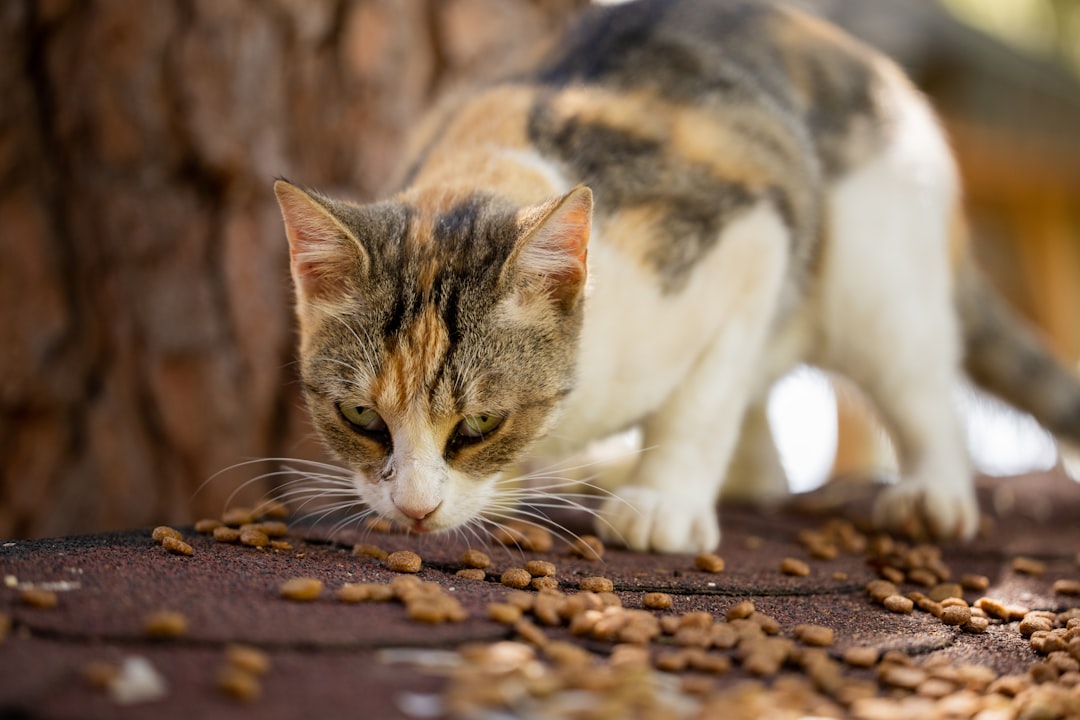
- Check ears — a flat left tip means already sterilised.
- Ask neighbours what they know about the previous arrangement.
- Confirm permission with the property owner in your own name.
- Start records from scratch rather than assuming anything.
Our guides to telling whether a community cat has already been fixed and colony caretaking cover the assessment and the routine.
When nobody can take it on
Sometimes there is genuinely no successor, and it is better to face that early than to leave the cats to discover it.
Contact local rescues and TNR groups well in advance. Some maintain lists of colonies and can either absorb it or find a caretaker.
Where a colony truly cannot be maintained, options narrow to working cat placement for suitable cats, or adoption for any that are socialised.

Our guides to working cat placements and starting a TNR group cover both directions — finding a home for the cats, or building the local capacity that means the next caretaker is not alone.
Sharing the load before you have to
The healthiest colonies are maintained by two or three people from the start, not by one person with a contingency plan.
Rotating feeding duties even occasionally means the cats are familiar with more than one person, the records get used rather than filed, and no single absence is a crisis.
- Alternate weekends between two feeders.
- Keep supplies somewhere both people can access.
- Share the colony log rather than owning it.
- Introduce each other to the property owner.
- Agree who trapping decisions fall to.
Our guide to starting a TNR group in your town covers building the local capacity that makes shared care possible.
Frequently Asked Questions
What happens to a colony if the caretaker stops?
The cats lose a predictable food source, new arrivals go untrapped and the colony starts growing again. Sterilisation records held by one person are frequently lost entirely.
What is the most important step in planning a handover?
Recruiting a second person now, before anything happens. Someone who has fed the colony occasionally and knows where the stations are makes the arrangement dramatically more robust.
What should a colony handover pack contain?
A station map, a photographed cat list, sterilisation records with dates, the feeding schedule, property owner and vet contacts, known medical issues, and notes on supportive or complaining neighbours.
Can I take a colony with me when I move?
Almost never. Cats bond to territory rather than people, and relocated cats routinely attempt to return. Find a successor and overlap with them for a few weeks instead.
I have inherited a colony with no information — what now?
Feed on a fixed schedule immediately, count and photograph the cats over a fortnight, check ears for tips, ask neighbours what they know, and start your own records from scratch.
What if nobody can take over the colony?
Contact local rescues and TNR groups well in advance — some maintain colony lists and can absorb it or find a caretaker. Otherwise consider working cat placement for suitable cats.