
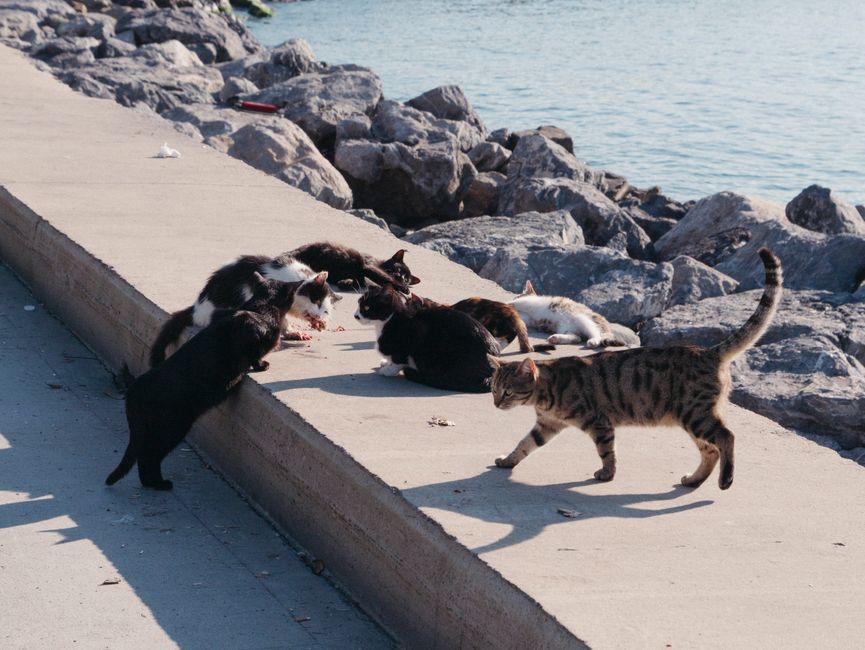
Feeding an outdoor cat once is a kind gesture. Becoming its colony’s caretaker is a real, ongoing commitment — one that comes with responsibilities most people don’t think about until they’re already a few weeks in. Here’s what the role actually involves.
What a Colony Caretaker Actually Does
Per APA Adoption Center’s caretaker guidance, a caretaker is simply someone who provides food, water, and shelter for a group of community cats. The moment you start feeding feral or free-roaming cats regularly, you’ve effectively taken on responsibility for them — whether or not you’d framed it that way.
Feeding: More Structured Than It Sounds
- Provide food and water daily, at a consistent time — mornings are generally preferred over overnight feeding, which can attract other wildlife
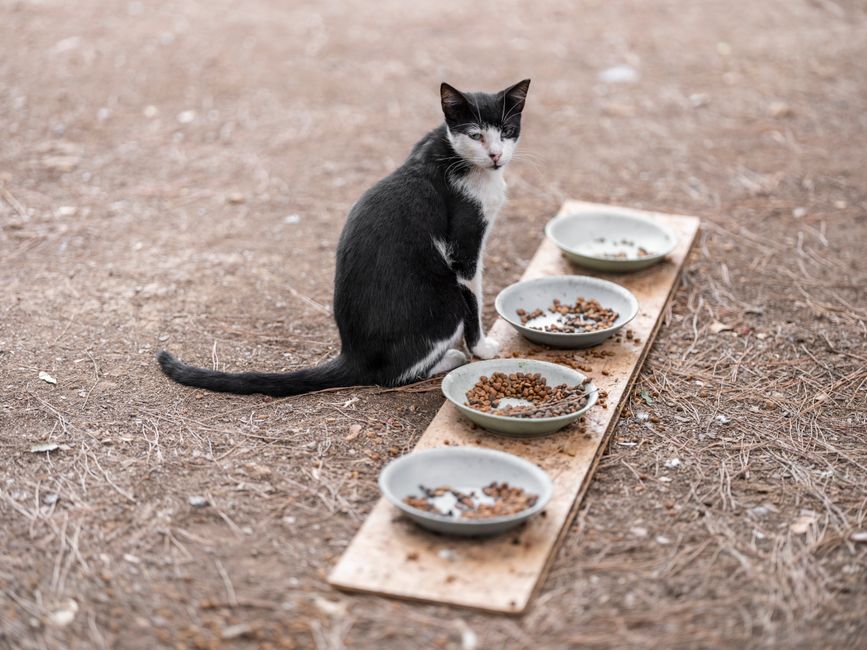
- Feed for about 30 minutes on disposable or reusable plates, then remove the bowls and any leftover food
- Keep water available separately from food
Medical Care Responsibilities
Getting every cat in the colony spayed or neutered, vaccinated, and ear-tipped is the core of responsible caretaking — this is what actually controls colony size over time rather than just feeding an ever-growing population. Caretakers should also make reasonable efforts to get sick or injured cats prompt medical attention, and keep basic medical records, especially rabies vaccination dates.

If you’re not sure how to begin the TNR side of this, our step-by-step trapping guide covers the process from first feeding routine through release.
Shelter and Sanitation
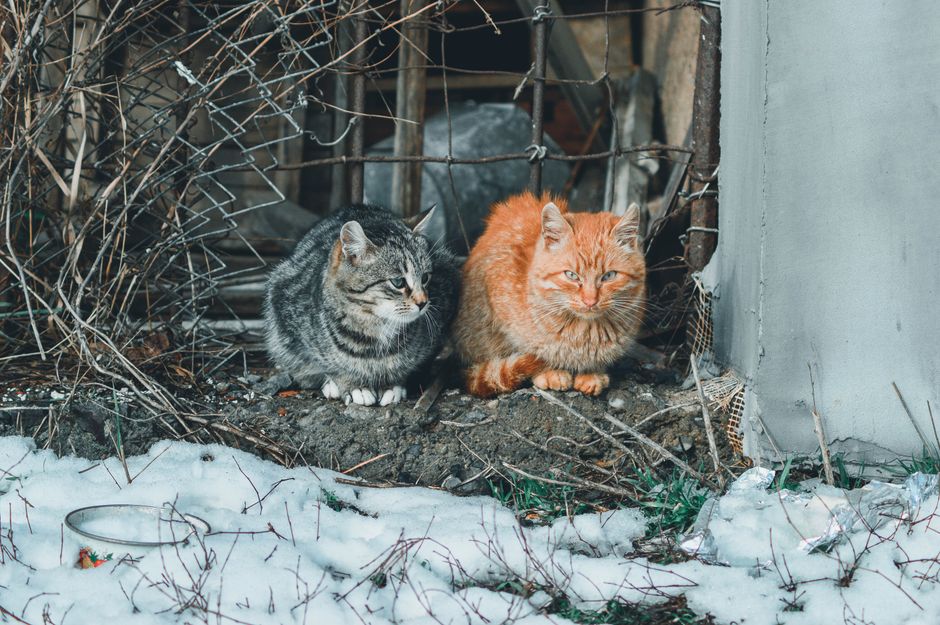
If the colony doesn’t already have an established shelter area, providing one — even something as simple as an insulated outdoor structure — matters, especially through extreme weather. Some caretakers also build a dedicated litter area using a sandbox or simple wood frame, which helps keep cats from using neighboring gardens as a bathroom.
Getting Permission First
Before establishing any ongoing feeding routine, you should either own the property the colony is on, or have written permission from whoever does. This matters more than it might seem — a caretaking relationship built without that permission can end abruptly if the property owner objects later, disrupting a colony that’s already dependent on the routine.
Talk to Your Neighbors
Being upfront with neighbors about your TNR and caretaking plans heads off a lot of potential conflict. Let people know they can come to you directly with questions or concerns about the cats, rather than calling animal control over something that’s already being actively managed.

The Long-Term Payoff
Consistent feeding, shelter, and TNR together stop a colony’s population from growing, and let it gradually shrink over time as cats live out their lives without producing more litters. It’s slower than it sounds, but it’s the approach that actually works — versus either ignoring a colony (which lets it grow unchecked) or attempting to relocate cats (which often just displaces the problem).
Recruiting Help So You’re Not Doing It Alone
Caring for a colony long-term is much more sustainable with at least one other person sharing the responsibility, even informally. A single caretaker handling feeding, monitoring, and medical coordination alone can burn out, especially during an illness in the colony or a personal emergency that makes daily feeding difficult. Ask a neighbor, friend, or local TNR volunteer to serve as a backup, even if they’re not involved day to day, so the colony isn’t left without care if you’re ever unavailable.
Tracking the Colony Over Time
Keeping simple records — how many cats are currently in the colony, which have been altered and ear-tipped, and any new arrivals — helps you notice changes early, like a new unaltered cat that’s wandered in and needs to be trapped, or a colony member that hasn’t been seen in a while and might need checking on. This doesn’t need to be elaborate; a simple notebook or phone note updated after each feeding is usually enough.
When New Cats Show Up
Colonies aren’t static — new cats sometimes join, whether abandoned by a previous owner or simply migrating in from a nearby area. Any new arrival should be trapped and brought in for spay/neuter as soon as possible, using the same process as the original colony, rather than assuming it will sort itself out. Left unaltered, even a single new cat can undo months of population stability fairly quickly.
Handling Seasonal Changes
A colony’s needs shift with the seasons — more water in summer heat, insulated shelter and slightly more food in winter to help cats maintain body heat, and closer attention during kitten season if any unaltered cats are still part of the group. Building these seasonal adjustments into your routine ahead of time, rather than reacting once weather turns extreme, keeps the colony healthier through the year’s harder stretches.
When It’s Time to Step Back
Life circumstances change, and it’s worth having a plan for what happens to a colony if you’re ever unable to continue caretaking — whether a move, a health issue, or simply needing a break. Identifying a backup caretaker in advance, even someone who only steps in occasionally, means a colony doesn’t go without care during a gap you didn’t fully plan for.
The Reward of the Role
It’s easy to focus on the responsibilities and overlook the actual reward of caretaking: watching a once-struggling colony stabilize, seeing individual cats you’ve come to recognize thrive year after year, and knowing your consistent effort is directly responsible for that outcome. Most caretakers describe it as genuinely rewarding work, even on the harder days.
Most colony programmes that fail do so because of a neighbour rather than a trap. Our guide to resolving neighbour complaints about community cats covers what people actually object to and the fixes that work.
Knowing your colony’s real size is the foundation everything else rests on. Our guide to counting the cats in a colony covers doing it properly and keeping it current.
Frequently Asked Questions
Do I need permission to feed a cat colony?
Yes, if it’s not your own property — you should either own the land the colony is on or have written permission from the property owner before establishing a regular feeding routine there.
How long should food be left out for a colony?
Feed for about 30 minutes on disposable or reusable plates, then remove the bowls and any uneaten food. Feeding in the morning rather than overnight helps avoid attracting other wildlife.
What happens to a colony over time with proper TNR?
Combined with consistent feeding, shelter, and health monitoring, TNR stops the colony from reproducing further, which lets the colony’s size gradually decrease over time as cats live out their natural lives.
Should I tell my neighbors I’m caring for a colony?
Yes — discussing your TNR and caretaking plans with neighbors upfront avoids confusion and lets them know they can come to you directly with questions or concerns rather than calling animal control.
Caring for a Colony Near Fresno?
Cats By The Tracks can help connect caretakers with TNR resources throughout the Central Valley.