
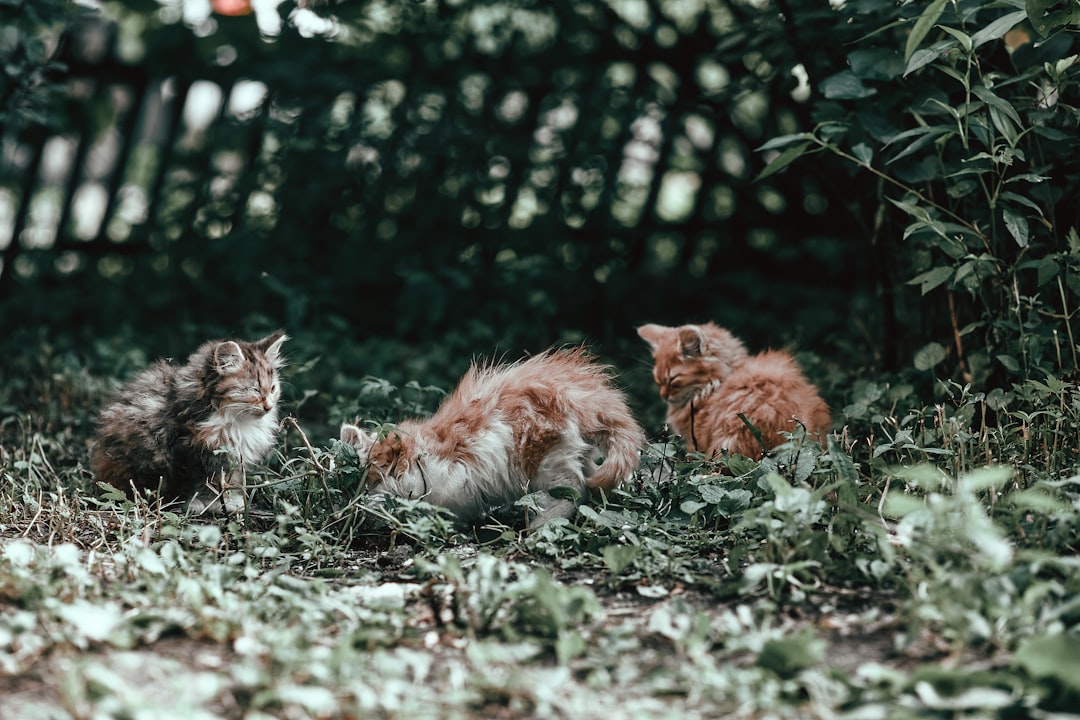
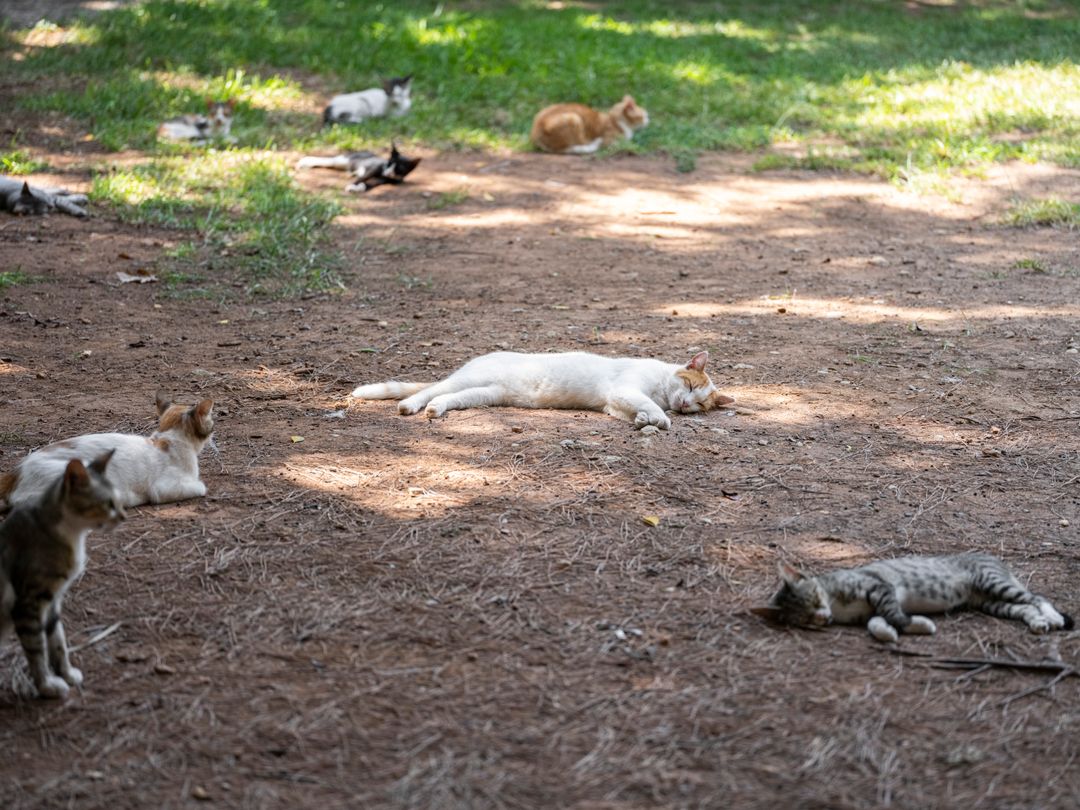
A managed colony is supposed to shrink. When it grows instead — or stays large while the cats visibly deteriorate — the site has exceeded what it can support.
This is one of the harder situations in community cat work, because the obvious answer of moving cats is usually the wrong one.
How to tell a site is over capacity
Numbers alone do not settle it. A site that comfortably supports fifteen cats may struggle with eight if resources are poor.
- Visible competition — cats waiting, guarding, or being driven off food.
- Deteriorating body condition across several cats, not just one.
- Increased fighting and abscesses despite most cats being sterilised.
- Recurrent respiratory infection cycling through the group.
- Cats dispersing to neighbouring properties, generating complaints.
- Shelter insufficient for the number present in bad weather.
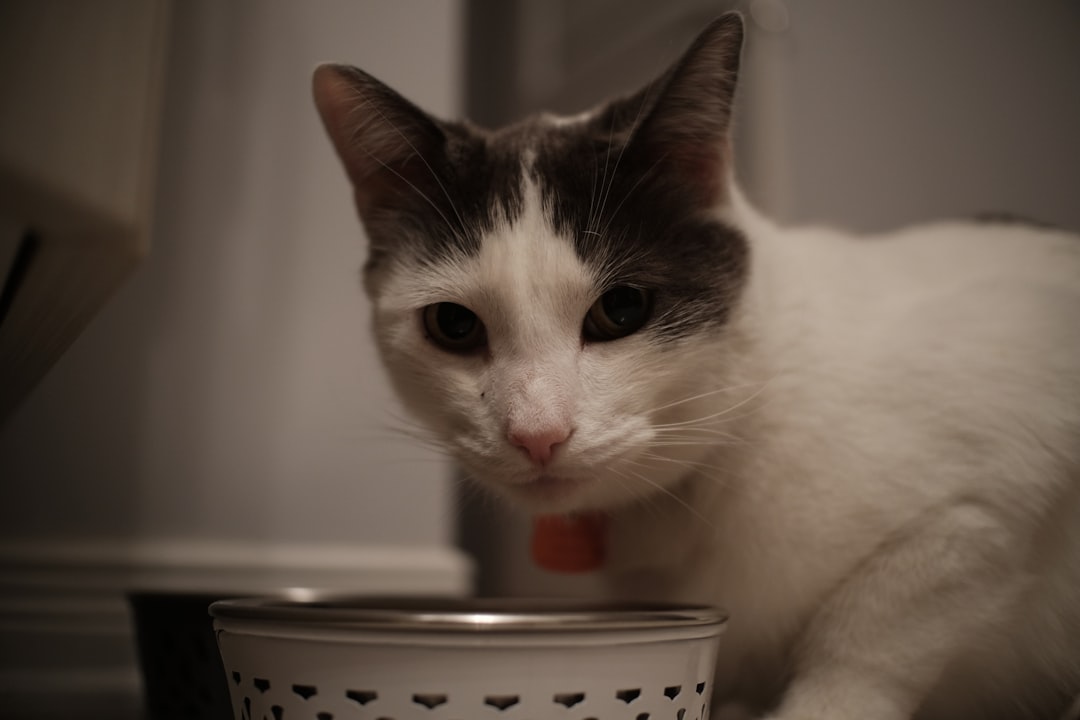
The disease signal is the most objective one. Density drives transmission, and a colony where infection never fully clears is usually too dense for its resources.
Our guide to disease in community cat colonies covers what overcrowding does to health.
Work out why it is growing
Before deciding what to do, establish which of these is actually happening. The remedies differ completely.
| Cause | Indicator | Remedy |
|---|---|---|
| Incomplete sterilisation | Untipped adults, new litters | Finish the TNR |
| New arrivals from elsewhere | Unfamiliar untipped cats appearing | Trap arrivals promptly |
| Abandonment at the site | Friendly, well-fed cats appearing | Signage; local awareness |
| Feeding attracting cats in | Cats travelling from a distance | Fixed times, remove leftovers |
| Merging with a neighbouring colony | Overlap at edges | Coordinate with the other caretaker |
| Site conditions improved | More shelter, more food available | Manage provision deliberately |
Incomplete sterilisation is by far the commonest, and it is frequently a counting problem rather than an effort problem. Our guide to counting a colony accurately covers establishing the real number.
Finish the TNR first
Before considering anything else, confirm the colony is genuinely at or above the sterilisation threshold.
A colony that feels out of control is usually one where a handful of breeding females were never caught. Two intact females can sustain apparent growth in a colony of thirty.
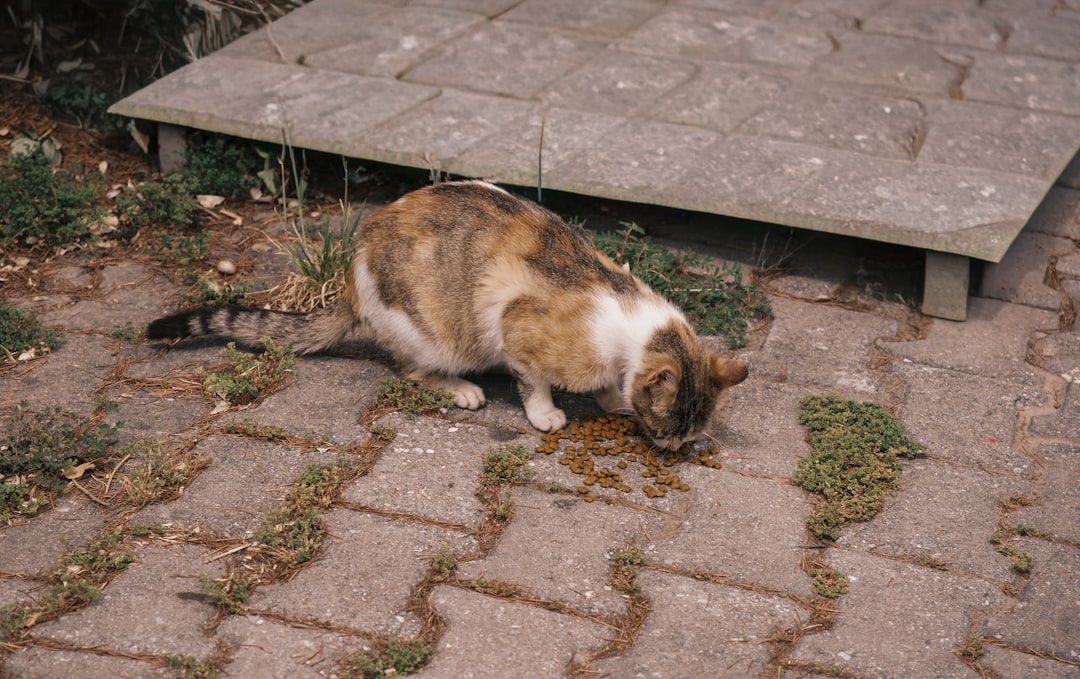
Prioritise females, use a drop trap for the holdouts, and treat this as the first intervention rather than a background task.
Our guides to trapping hard-to-catch cats and mass trapping cover getting the last ones done.
Reduce density without moving cats
Several measures reduce the effective crowding at a site without relocation.
- Split the feeding stations. Two or three stations some distance apart reduce competition and slow disease spread.
- Add shelter capacity so cats are not forced together in bad weather.
- Add water sources in separate locations.
- Feed at fixed times and remove leftovers, so the site stops subsidising visitors from further afield.
- Spread resources vertically where possible — raised platforms, separated shelters.
Splitting the feeding station is the single most effective change and the one most caretakers resist, because one station is easier to service.
Our guide to feeding station best practices covers placement and hygiene.
Remove the cats that do not need to be there
Most large colonies contain cats that have better options, and identifying them reduces density without relocating anyone unsuitable.
- Socialised cats — adoptable, and at higher risk in a colony than a feral cat.
- Kittens young enough to socialise — roughly under eight weeks.
- Owned cats visiting — identify and speak to the owners.
- Cats with chronic conditions that would do better indoors or in a sanctuary.
Our guides to friendly cats found in colonies and socialising a feral kitten cover both groups.
Working cat placement
For genuinely unsocialised cats that cannot stay, working cat placement is the one legitimate relocation route.
It requires a site with permanent shelter, a committed daily caretaker, no rodenticide, and a two to four week confinement period. Cats should move in small groups rather than singly.
It is not a quick fix — suitable sites are harder to find than people expect, and a bad placement is worse than leaving the cat where it is.
Best Friends Animal Society publishes guidance on working cat programmes, and our posts on working cat placements and relocating a community cat cover what a site must provide.
What not to do
Two responses are common and both usually make things worse.
Do not stop feeding. It does not disperse a colony in any humane or effective way. The cats do not leave; they range further, scavenge, generate complaints and deteriorate. Sterilised cats holding territory is what keeps numbers down.

Do not relocate cats without preparation. Cats bond to territory, and cats released somewhere unfamiliar routinely die attempting to return.
Our explainer on the population maths behind TNR covers why removal and dispersal both fail.
Getting help
A colony that has outgrown its site is usually beyond one caretaker, and this is the point to bring others in.
Contact local rescues and TNR groups with your count, your sterilisation figures and your specific ask — clinic slots, trapping help, foster space for socialised cats.
Being specific matters. “I have forty cats and I am overwhelmed” is harder to act on than “I have eleven untipped adults, six of them female, and I need clinic slots and two more traps.”
Our guides to starting a TNR group and burnout in rescue work cover building capacity and recognising when you are past yours.
Talking to the neighbours first
Most colony conflicts become unmanageable because the first anyone hears of the situation is a complaint.
Going to neighbours before there is a problem changes the dynamic entirely — you become the person managing it rather than the person causing it.
- Say what you are doing and why, in one or two sentences.
- Explain that ear-tipped cats are sterilised and the number will fall.
- Give a realistic timescale rather than promising a quick result.
- Ask directly whether anything is bothering them, and act on it.
- Leave a way to contact you that is not a public post.
The complaints that reach animal control are usually about specific, fixable things — food left out overnight, a feeding station near a doorway, cats on a car. Fixing those is cheaper than defending the principle.
Our guide to getting permission from a property owner covers the same conversation with whoever owns the land.
Frequently Asked Questions
How do I know if a colony is too big for its site?
Look for competition at feeding, deteriorating body condition across several cats, fighting despite sterilisation, recurrent infection cycling through the group, and cats dispersing to neighbouring properties.
Why is my managed colony still growing?
Most often incomplete sterilisation — a handful of uncaught breeding females can sustain growth in a colony of thirty. It is usually a counting problem rather than an effort problem.
Should I stop feeding to reduce the colony?
No. Cats do not leave — they range further, scavenge, generate complaints and deteriorate. Sterilised cats holding territory is precisely what keeps numbers down over time.
How can I reduce crowding without moving cats?
Split the feeding station into two or three separated locations, add shelter and water capacity, feed at fixed times and remove leftovers so the site stops attracting cats from further away.
Which cats can leave a crowded colony?
Socialised cats, kittens young enough to socialise, owned cats visiting from nearby, and cats with chronic conditions that would do better indoors. Genuinely feral adults are the hardest to place.
Is relocation an option for an overcrowded colony?
Only through a proper working cat programme, with permanent shelter, a committed caretaker, no rodenticide and a two to four week confinement. Releasing cats somewhere unfamiliar usually kills them.