
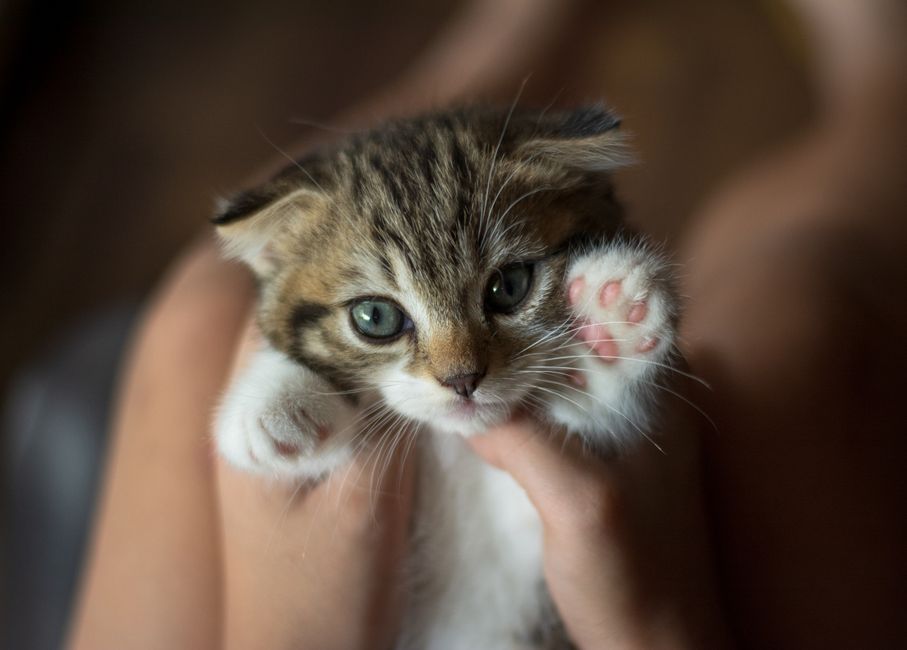
Socializing a feral kitten is genuinely possible, but success depends heavily on age, patience, and realistic expectations — here’s what actually works, and when a kitten’s own timeline calls the shots.
The Critical Age Window
The critical socialization period for a feral kitten is 2 to 7 weeks of age. Community kittens handled at 8 weeks or under can generally be socialized fairly easily. Kittens older than 8 weeks, up to 6-8 months, or even adult cats, can still sometimes be socialized — but the process takes considerably more time and experienced attention.
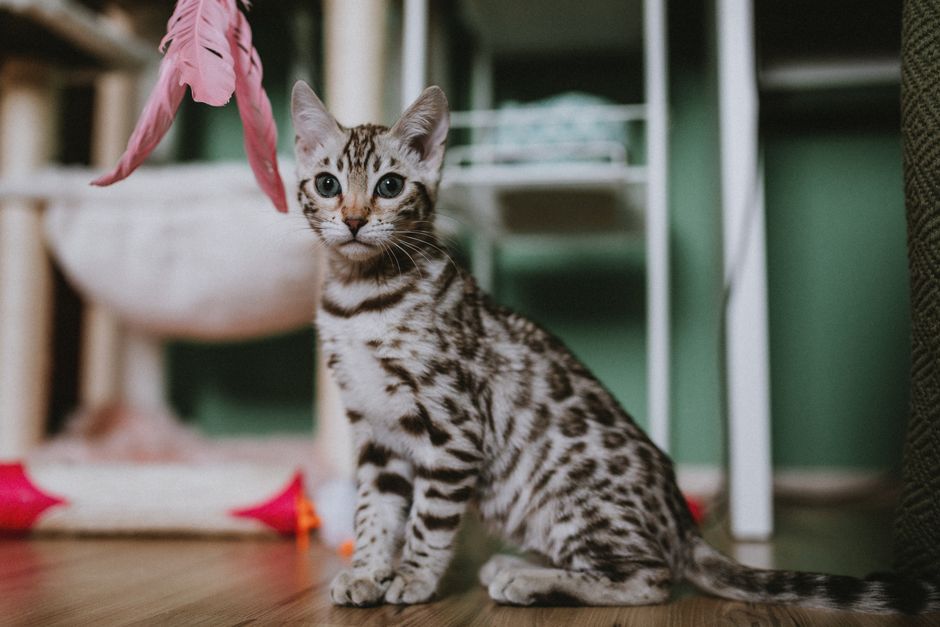
Realistic Timelines
| Kitten Age | Typical Socialization Timeline |
|---|---|
| Under 4 weeks | A matter of days |
| Up to 8 weeks | 2 to 4 weeks |
| 8 weeks to 6-8 months | 4 to 8 weeks, sometimes longer |
| Adult cats | Possible but far less reliable, often much longer |
Techniques That Actually Help
Wand toys are effective because they distract a kitten while you discreetly pet them, letting positive contact happen almost as a byproduct of play rather than a direct confrontation. If you have another tame, kitten-friendly cat in the house, that cat’s presence genuinely accelerates the process — kittens are natural copycats, and they’ll often approach for petting once they see and hear a calm, purring adult cat being handled nearby.
The Time Commitment Is Real
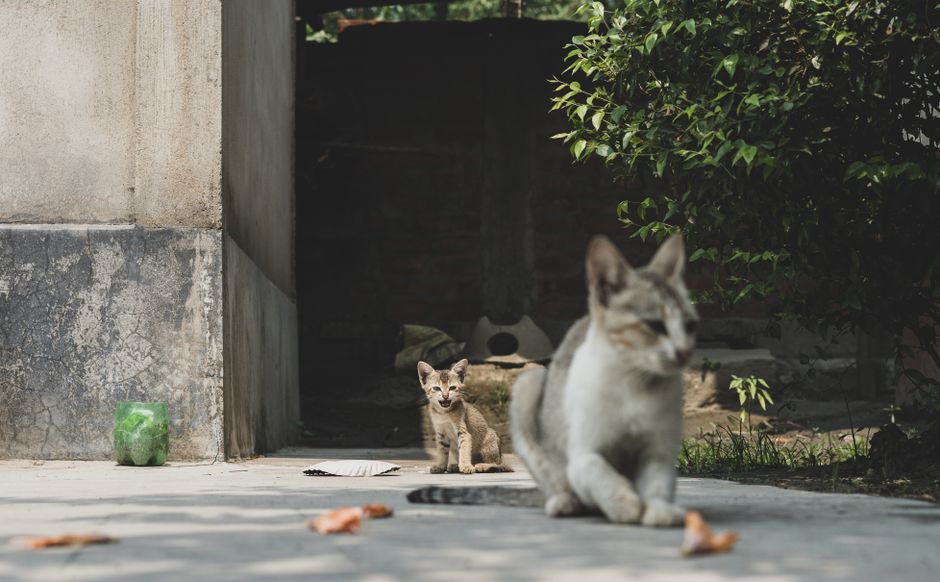
Socializing a feral kitten requires a daily commitment, with the exact duration depending on the kitten’s age and how consistently you can show up. This isn’t a once-a-week project — the kittens most successfully socialized are the ones getting steady, patient, near-daily interaction.
Important Cautions
- Be patient and fully committed before starting — inconsistent effort tends to produce inconsistent results
- Don’t take on too many kittens at once; each one needs real individual attention
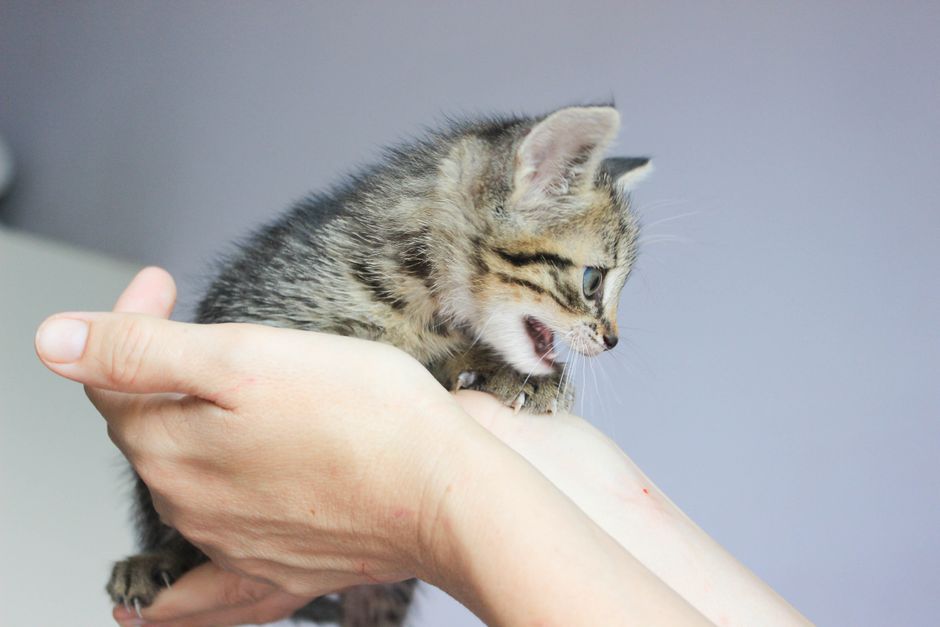
- Always be cautious handling feral kittens, even young ones, since fear responses can include biting or scratching
- Accept that some individual kittens simply won’t fully socialize, regardless of effort — this isn’t a failure
If a Kitten Doesn’t Socialize
A kitten that stays feral despite genuine effort isn’t a lost cause — barn cat and working cat placement programs give unsocialized cats a real, humane path forward. See our guide to barn cat and working cat programs for how that alternative works.
Setting Up the Right Environment First
Before any hands-on work begins, confine a feral kitten to a single small room — a bathroom or spare bedroom works well — rather than giving it free run of a whole house. A smaller space means the kitten can’t simply retreat somewhere entirely out of reach, and it makes daily interaction sessions far more manageable and consistent than trying to coax a kitten out from behind furniture in a larger, more overwhelming space.
The Stages of Socialization
Socialization typically progresses through recognizable stages: initial hiding and hissing, followed by tolerating your presence in the room without fleeing, then tolerating being near you during feeding, then accepting brief touch, and eventually seeking out attention and play. Not every kitten moves through these stages at the same pace, and some skip stages entirely once they build trust — but recognizing this general progression helps you gauge whether a kitten is actually improving even when progress feels slow day to day.
Food as a Tool, Not Just Sustenance
Feeding time is one of the most reliable opportunities for building trust, since a kitten’s hunger motivation can outweigh its fear in a way that’s hard to replicate at other times. Hand-feeding small amounts, or sitting quietly nearby during meals rather than walking away immediately, uses a kitten’s own natural drive to your advantage without forcing any contact it isn’t ready for.
Reading a Kitten’s Body Language
Learning to read subtle signs of comfort versus stress helps you calibrate how quickly to push each interaction. A kitten with a low, tucked posture, flattened ears, or a puffed tail is signaling active fear and needs more distance, not more contact, while a kitten that starts blinking slowly, approaching on its own, or allowing its tail to relax is showing real progress worth building on. Misreading these signals and pushing forward too fast is one of the most common ways a socialization effort stalls or even regresses.
When to Bring in Experienced Help
If you’re working with a particularly fearful kitten, or one older than the ideal socialization window, connecting with an experienced foster coordinator or rescue that specializes in feral kitten socialization can make a real difference. These experienced fosters have often developed techniques and pacing instincts through repetition that are hard to fully capture in a general guide, and a quick consultation can save weeks of trial and error on a particularly difficult case.
Life After Socialization
Once a kitten has genuinely socialized, continuing gentle, positive handling — regular play, brushing, and calm exposure to new people — helps cement that progress rather than letting it slide backward from lack of ongoing practice. A newly socialized kitten’s trust is still relatively fresh, and a stressful experience during this period can set progress back further than it would for a kitten with years of established human contact behind it.
Above all, remember that every kitten’s timeline is genuinely its own — comparing one kitten’s progress against another’s, even from the same litter, tends to create unnecessary frustration rather than useful insight.
Judging the socialisation window depends on getting the kitten’s age right. Our guide to estimating a cat’s age covers the teeth, eye and weight indicators that narrow it down.
Marker training gives a nervous kitten a way to earn something without being touched. Our guide to how to clicker train a cat covers charging the clicker and building from there.
Frequently Asked Questions
What is the ideal age to start socializing a feral kitten?
The critical socialization window is 2 to 7 weeks old. Kittens handled at 8 weeks or under can generally be socialized fairly easily.
Can older kittens or adult cats still be socialized?
Yes, but it takes more time and experienced attention — kittens from 8 weeks up to 6-8 months old, and even adult cats, can sometimes still be socialized, just with a longer, more patient process.
How long does socialization typically take?
Kittens under four weeks can often be socialized in a matter of days. Kittens up to eight weeks may take two to four weeks. Overall, the process can range from 4 to 8 weeks depending on age and how wild the kitten started out.
What if a kitten never fully warms up?
It happens — no matter the effort put in, some individual kittens simply don’t warm up to human contact and remain feral for life. This isn’t a failure on the caretaker’s part.
Socializing Kittens in the Central Valley?
Cats By The Tracks can offer guidance and foster support for kitten socialization efforts.