
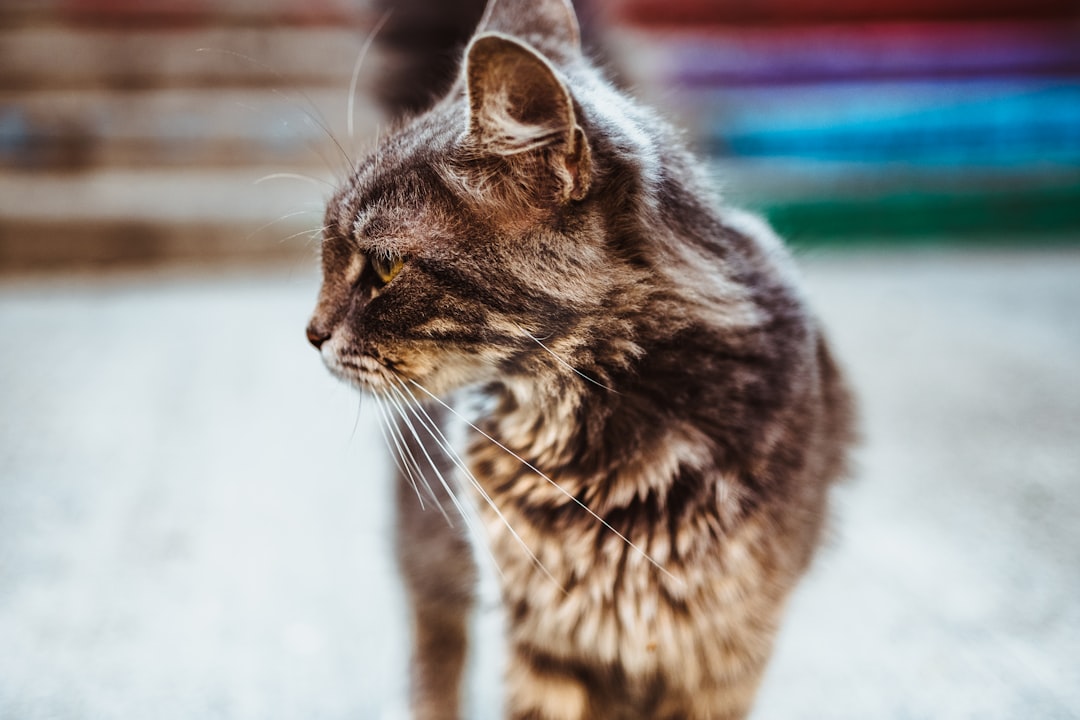
Relocation is the first idea most people have when community cats are unwelcome somewhere, and it is almost always the wrong one.
Cats are territorial and bonded to place rather than people. Moved without preparation, they routinely vanish trying to return to where they came from — often dying on roads on the way.
There are genuine exceptions. This guide covers when relocation is justified, and the process that gives it a real chance of working.
Why relocation usually fails
A community cat knows its territory in detail: where the water is, which gaps are safe, which dogs to avoid, where to shelter in a storm.
Drop that cat somewhere unfamiliar and none of that knowledge applies. The instinct is to head back toward known ground, and most do not survive the attempt.
- Cats bond to territory far more strongly than to people or food sources.
- Released cats commonly travel for miles attempting to return.
- They arrive as outsiders in territory other cats already hold.
- Removing a colony creates a vacuum that neighbouring cats fill within weeks.
- The original problem — food, shelter, access — usually remains unaddressed.

That last point matters most. If a site supports cats, removing the current occupants rarely keeps it cat-free for long. Our explainer on the population maths behind TNR covers why.
When relocation is genuinely justified
There is a short list of situations where leaving cats in place is not defensible.
| Situation | Relocate? | Notes |
|---|---|---|
| Site demolition or construction | Yes | Genuine and time-limited |
| Confirmed threat of harm to the cats | Yes | Act quickly |
| Site becoming genuinely uninhabitable | Yes | Loss of all shelter or water |
| Neighbour dislikes cats | No | Manage complaints instead |
| Cats using a garden as a toilet | No | Deterrents and litter provision work |
| Colony has grown too large | No | Sterilise; relocation does not fix this |
Most complaints fall into the lower half of that table, where the fix is management rather than removal.
Neighborhood Cats publishes detailed protocols for the cases where relocation genuinely is necessary.
What a good relocation site needs
Finding somewhere is harder than people expect, and a poor site guarantees failure.
- A committed caretaker who will feed daily for the long term, not just at first.
- Permanent shelter — a barn, stable, workshop or outbuilding.
- A secure area for the confinement period, safe from dogs and predators.
- Distance from busy roads.
- Agreement from everyone at the site, in advance and in writing if possible.
- A water source that does not freeze or run dry.

Working cat and barn cat programmes exist precisely to match cats with sites like this. Our guide to barn cat and working cat programmes covers how they operate.
The confinement period is not optional
This is the step that determines success, and the step people skip because it is inconvenient.
Relocated cats must be confined at the new site for two to four weeks before release. That time rewrites the cat’s sense of where home is.
Confinement means a large crate, a secure stall or a closed outbuilding — not simply keeping the cat indoors somewhere it can bolt from.

- Provide a hiding box inside the enclosure — a frightened cat needs cover.
- Feed at the same time daily so the routine becomes predictable.
- Keep a litter tray inside and clean it regularly.
- Talk quietly when nearby so your presence becomes normal.
- Do not handle the cat. This is acclimation, not socialisation.
Release early and the cat will almost certainly leave. Three weeks of confinement is a far better investment than starting again.
Releasing and the weeks after
Open the enclosure in the evening rather than the morning, so the cat explores in the dark when it feels safest.
Keep feeding at the same time and place, without exception, for at least several weeks. The food routine is what holds the cat to the new territory.
Expect the cat to disappear for a few days. Most reappear at the feeding station once hunger overrides caution.
Move the whole group where possible
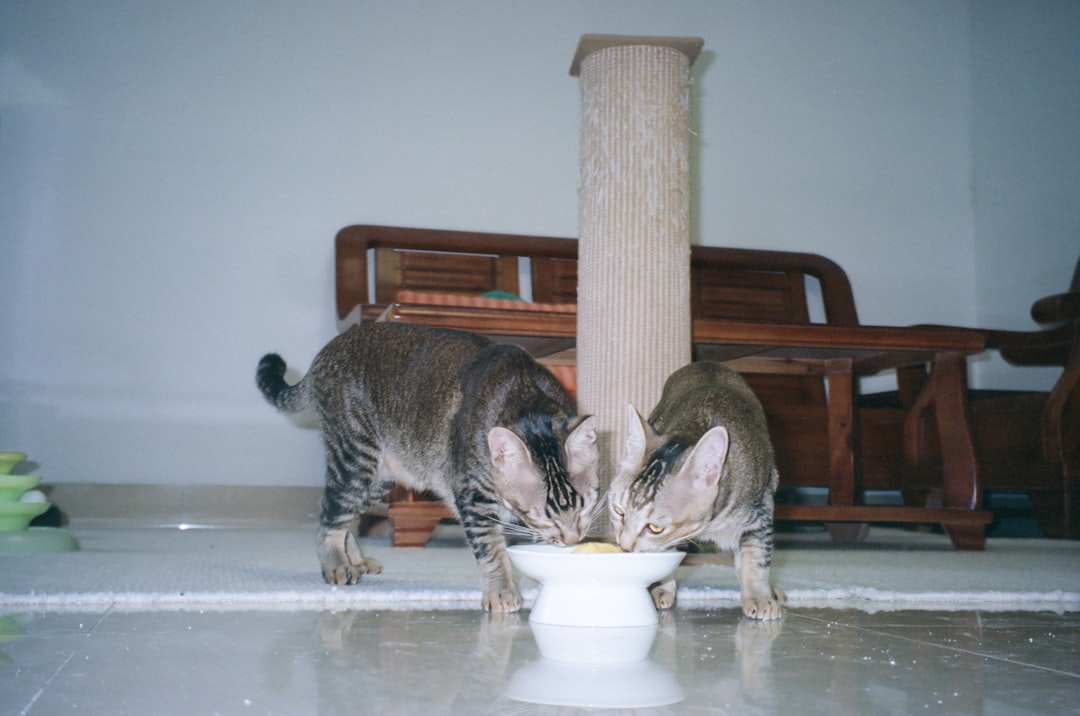
Colony cats have social bonds, and moving a group together dramatically improves the odds compared with moving individuals.
A single relocated cat has no reason to stay. Two or three that already know each other settle far more readily.
Where a colony must be split, keep bonded pairs together at minimum.
The alternatives worth exhausting first
Before relocating, work through the options that leave the cats where they are.
| Complaint | Alternative to relocation |
|---|---|
| Noise, fighting, spraying | Sterilise — resolves within weeks |
| Toileting in a garden | Provide a sand or litter area elsewhere |
| Cats on a specific property | Motion deterrents and scent repellents |
| Too many cats | Complete TNR to 80%+ of the colony |
| Food attracting wildlife | Fixed feeding times, remove leftovers |
| Cats under a building | Humane exclusion after sterilisation |
Sterilisation resolves the majority of real complaints because it stops the behaviours people object to. Our comparison of low-cost spay and neuter options in Fresno lists clinics that take community cats.
If you are the one being asked to relocate cats
Ask what the actual complaint is before agreeing to anything. In most cases it turns out to be noise, mess or fear rather than the cats existing.
Offer the specific fix for the specific problem, show that sterilisation is underway, and set a realistic timeline. That resolves far more disputes than a relocation ever does.
Our guide to getting started with TNR in Fresno covers working with neighbours from the outset, and colony caretaking covers the ongoing management that keeps a site stable.

Working cat placement is the main legitimate destination for relocated cats. Our honest look at whether cats actually control rodents covers what such a site must provide and what to realistically expect.
Frequently Asked Questions
Can you relocate feral cats?
It is possible but difficult, and it fails without preparation. Cats bond to territory rather than people, and relocated cats routinely attempt to return to their original site, often dying en route.
How long must a relocated cat be confined?
Two to four weeks in a secure enclosure at the new site. This period rewrites the cat’s sense of where home is. Releasing early almost guarantees the cat will leave.
When is relocating a community cat justified?
Site demolition or construction, a confirmed threat of harm, or a site becoming genuinely uninhabitable. Neighbour dislike, garden toileting and colony size are all better handled by management.
What makes a good relocation site?
A committed daily caretaker, permanent shelter such as a barn or outbuilding, a secure confinement area, distance from busy roads, reliable water, and agreement from everyone at the site.
Should cats be relocated individually or as a group?
As a group wherever possible. Colony cats have social bonds, and cats moved together settle far more readily than a single cat with no reason to stay at an unfamiliar site.
What should I try before relocating a colony?
Sterilisation first — it resolves noise, fighting and spraying within weeks. Then deterrents, alternative toileting areas, fixed feeding times and humane exclusion from specific buildings.