

Finding a nest of tiny kittens triggers an immediate urge to rescue them. In most cases, that urge is the wrong instinct — and acting on it kills more kittens than it saves.
The mother is usually nearby. She hunts, she moves litters, and she often stays away while a human is standing over her nest. Healthy kittens with a mother have far better odds than the best-intentioned bottle feeder.
Here is how to work out whether these kittens actually need you.
First: wait, and watch from a distance
Unless the kittens are in immediate danger, step back and observe for several hours before touching anything.
Watch from inside, from a window, or from a car. Mothers will not return while a person is visible, and many will not return in daylight at all.
Sprinkle a ring of flour around the nest if you cannot watch continuously. Paw prints in the morning tell you she came back.

The exceptions that justify immediate intervention are narrow: obvious injury, flies or maggots, freezing or baking temperatures, standing water, or a confirmed dead mother.
How long should you actually wait?
| Situation | What to do | How long |
|---|---|---|
| Kittens clean, plump, quiet | Leave alone, mum is caring for them | Observe up to 8–12 hours |
| Kittens crying constantly | Likely hungry, watch closely | 2–4 hours |
| Kittens cold to touch | Intervene now | Immediately |
| Visible injury or maggots | Vet immediately | Immediately |
| Mother confirmed dead | Intervene now | Immediately |
| Extreme heat or cold forecast | Move nest to shelter nearby | Same day |
A fed kitten is round, warm and quiet. A starving kitten is thin, cool and vocal. That difference is the clearest signal you will get.
Working out how old they are
Age determines everything about the care they need, and it is easier to judge than people expect.
| Age | Signs | Feeding need |
|---|---|---|
| 0–1 week | Eyes closed, ears folded, umbilical stump | Every 2–3 hours, day and night |
| 1–2 weeks | Eyes opening, blue, ears unfolding | Every 3–4 hours |
| 3–4 weeks | Wobbly walking, teeth appearing | Every 4–5 hours, start weaning |
| 5–6 weeks | Playing, running, eating solids | Wet food, 4 meals daily |
| 7–8 weeks | Fully weaned, litter trained | Solid food, ready to adopt |
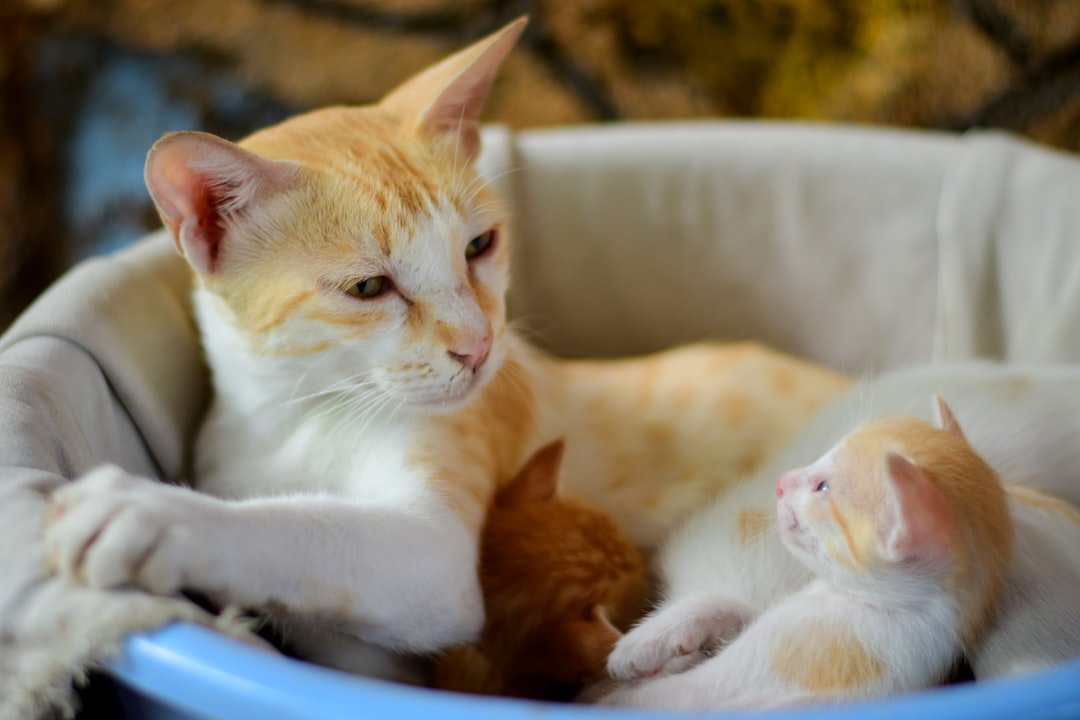
Kitten Lady maintains detailed photographic age comparisons if you want to check against images.
The two mistakes that kill kittens
Feeding a cold kitten
This is the most important rule in neonatal care. A kitten below normal body temperature cannot digest. Formula sits in the stomach, ferments, and the kitten dies.
Warm the kitten slowly against your body or on a covered heat source over 20 to 30 minutes. Only feed once it is warm to the touch.
Feeding cow’s milk
Cow’s milk causes severe diarrhoea in kittens, and dehydration kills them quickly at this size. Never give it, not even briefly.
Use proper kitten milk replacer from a pet shop or vet. In a genuine emergency overnight, an unflavoured electrolyte solution is safer than milk.
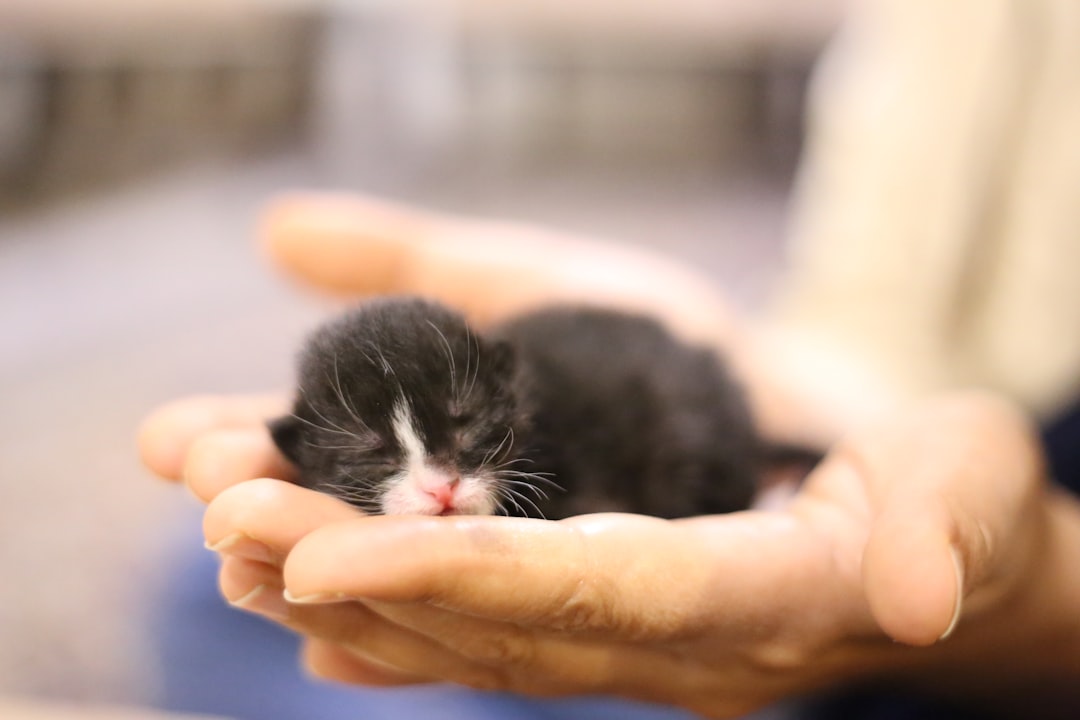
If you do need to take them in
- Warm them first, before anything else.
- Contact a vet or rescue the same day — neonatal care is a specialist job.
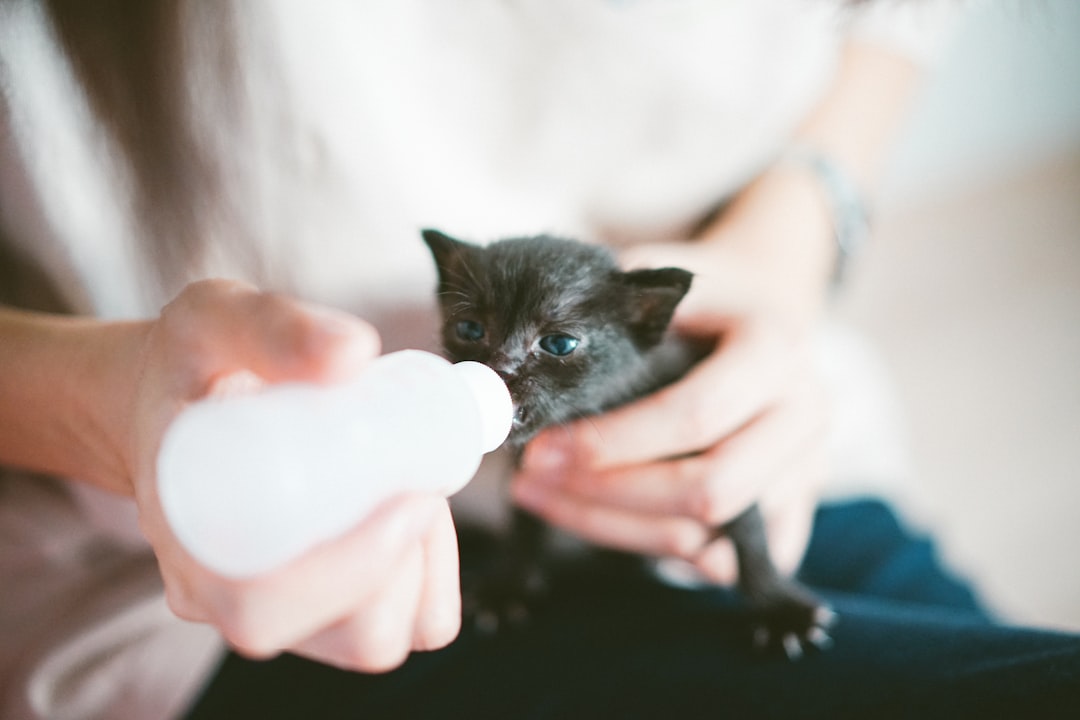
- Buy kitten milk replacer and correctly sized bottles, not a syringe if avoidable.
- Feed belly-down, never on their back, to avoid aspiration.
- Stimulate toileting with a warm damp cloth after every feed until about four weeks.
- Weigh daily. Steady weight gain is the single best indicator that things are working.
Round-the-clock feeding for a one-week-old litter means every two to three hours, including overnight. Be realistic about whether you can sustain that before committing.
Why leaving them with mum is better
Maternal antibodies, correct milk, warmth and social learning are all things no human can fully replace. Survival rates for mother-raised kittens are dramatically higher.
The right intervention is usually to support the family rather than remove it: put a shelter nearby, feed the mother generously, and leave the litter in place.
Then, once kittens are weaned at around eight weeks, socialise the litter for adoption and get the mother fixed before she has another.
Do not forget the mother
The kittens are the visible problem. The unspayed mother is the recurring one — she can be pregnant again within weeks of weaning.
Our guide to getting started with TNR in Fresno covers trapping her safely, and our comparison of low-cost spay and neuter options lists clinics that handle community cats.
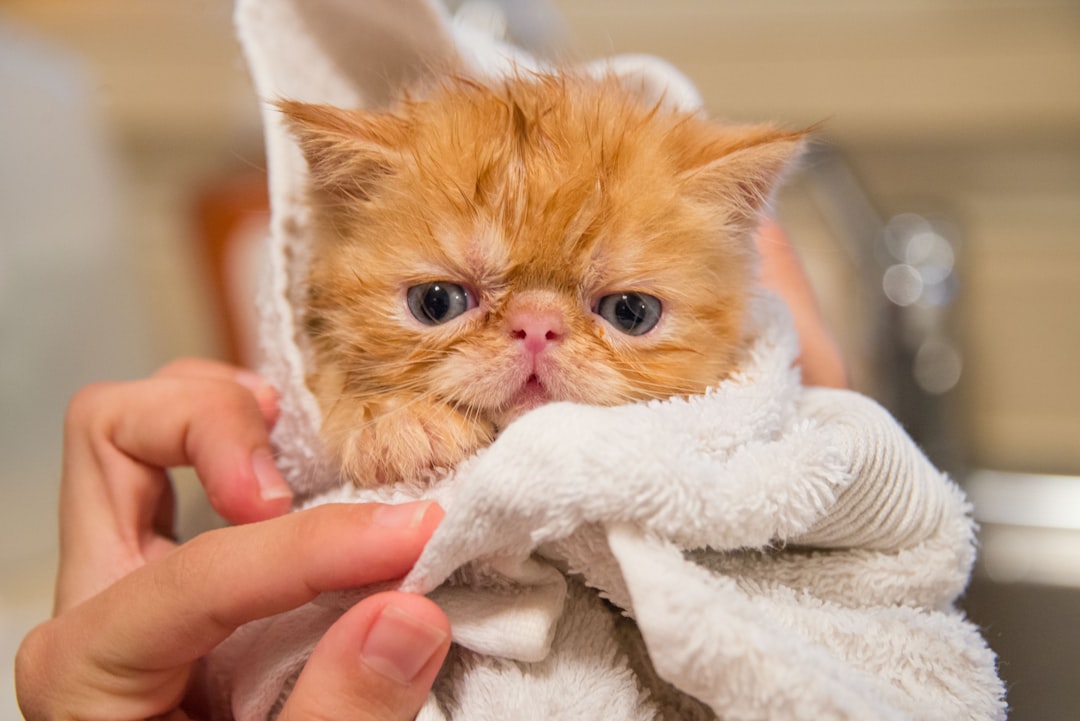
If the kittens are old enough to socialise, our guide to socialising a feral kitten covers the window and the technique.
When kitten season makes this common
Between spring and early autumn, found-kitten calls arrive daily across the Central Valley. Shelters are at capacity precisely when intake peaks.
That is why leaving healthy kittens with their mother matters so much: every litter unnecessarily pulled into care takes a space from one that genuinely had none.
Our explainer on what kitten season means for shelters covers the annual cycle, and if you want to help directly, our beginner guide to fostering kittens explains what is actually involved.
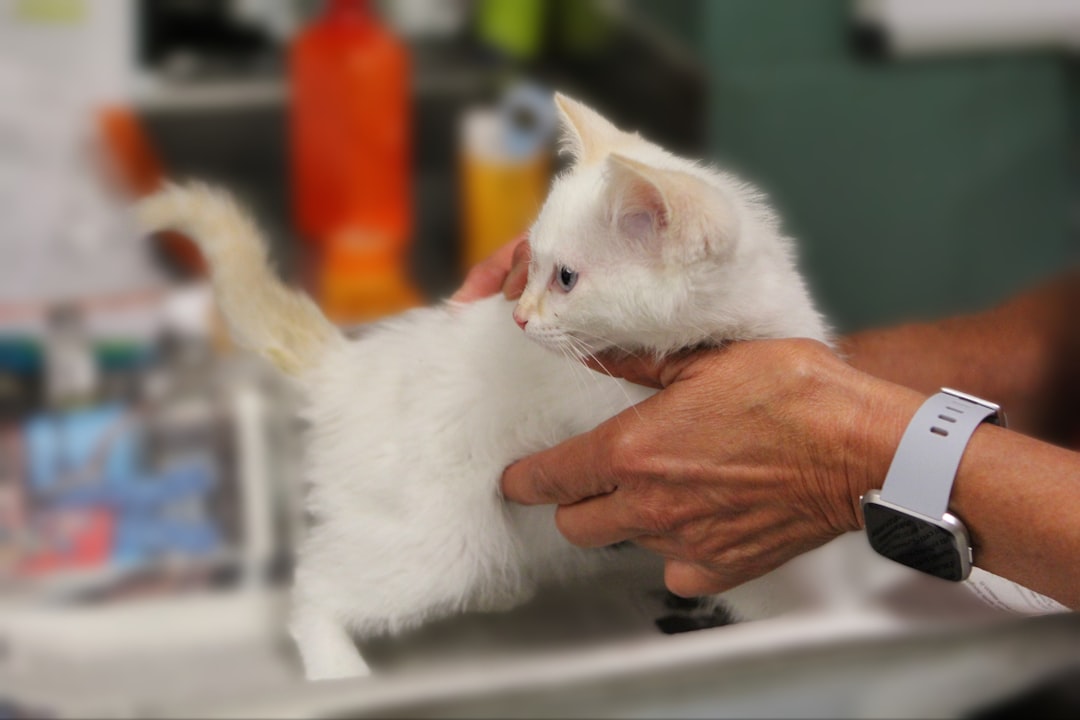
Setting up a safe space indoors
If you do take a litter in, the environment matters as much as the feeding. Neonatal kittens cannot regulate their own temperature and chill quickly in an ordinary room.
- Use a carrier or box lined with soft towels, in a quiet room away from other pets.
- Provide a heat source covering only half the floor, so kittens can move away if too warm.
- Keep ambient temperature warm and draught-free, especially overnight.
- Change bedding whenever it is damp — wet bedding chills kittens fast.
- Weigh at the same time daily and write it down.
Steady daily weight gain is the clearest sign things are going well. A kitten that fails to gain, or loses weight, needs veterinary attention the same day.
Keeping other pets away
Resident cats and dogs should have no contact with a found litter. Kittens can carry parasites and respiratory infections, and adult cats do not always react kindly to unfamiliar young.
Quarantine also protects the kittens, whose immune systems are undeveloped. Keep separate bedding, wash hands between handling, and wait for a vet check before any introductions.
If you already have cats at home, our guide to introducing a new cat to resident pets covers the process once the kittens are old enough and cleared.
Frequently Asked Questions
How long should I wait before rescuing newborn kittens?
Observe from a distance for at least eight to twelve hours if the kittens look clean, round and quiet. Mothers routinely leave to hunt and will not return while a person is visible near the nest.
How can I tell if the mother is coming back?
Sprinkle a light ring of flour around the nest and check for paw prints later. Fed kittens are warm, plump and quiet; hungry ones are thin, cool and cry continuously.
Can I give kittens cow’s milk?
No. Cow’s milk causes severe diarrhoea and rapid dehydration in kittens, which is often fatal. Use proper kitten milk replacer only, available from pet shops and veterinary clinics.
Why can’t I feed a cold kitten?
A kitten below normal body temperature cannot digest. Formula sits undigested in the stomach and the kitten deteriorates. Always warm a kitten slowly over 20 to 30 minutes before feeding.
How often do newborn kittens need feeding?
Kittens under one week need feeding every two to three hours around the clock, including overnight. The interval extends gradually to four or five hours by three to four weeks old.
At what age can kittens be adopted?
Around eight weeks, once fully weaned and litter trained. Kittens removed from their mother earlier miss important social learning and often develop behavioural problems later.