
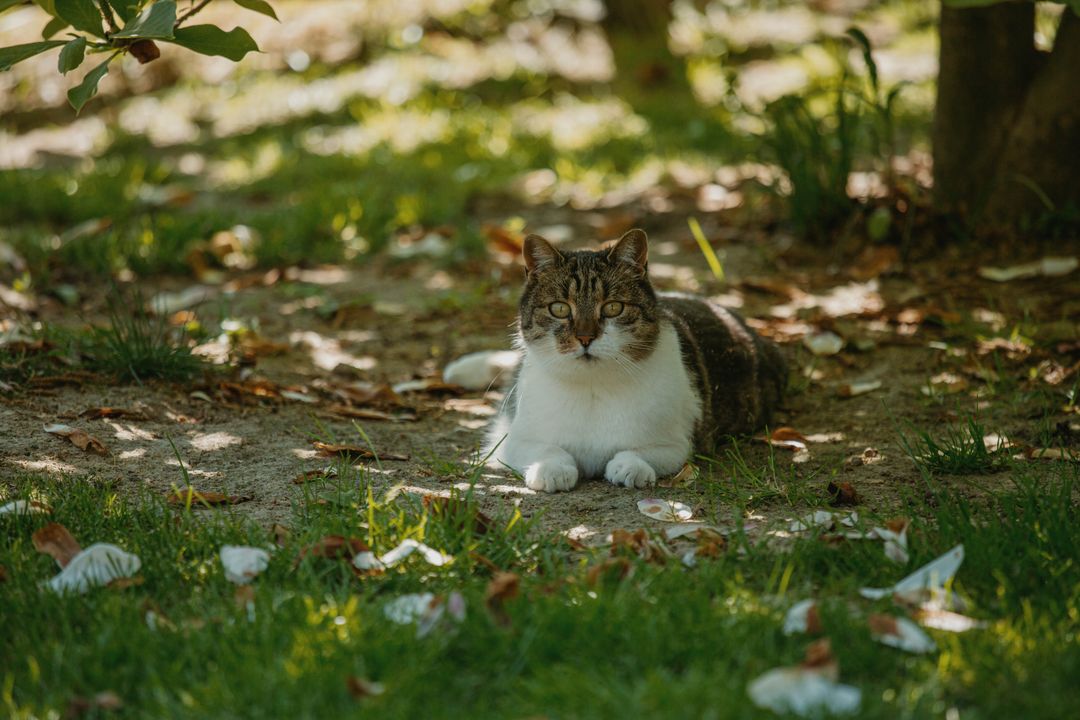
Most outdoor cat advice is written for temperate climates, where summer means a warm afternoon. The Central Valley regularly runs above 100°F for weeks at a stretch.
At those temperatures, the shelter that kept a colony alive in January becomes an oven. Summer care is not winter care with the insulation removed — it is a different set of decisions.
Here is what actually protects community cats through a valley summer.
Water is the whole game
Cats lose water fast in extreme heat and have a weak thirst drive. Dehydration, not sunburn, is what kills them.
- Provide multiple water stations, so one being knocked over is not fatal.
- Use wide, heavy ceramic or steel bowls — plastic heats up and taints the water.
- Place every bowl in deep shade that lasts all afternoon, not just at dawn.
- Refill daily. Standing water grows algae quickly above 90°F.
- Add a few ice cubes at midday during heatwaves.

If you feed dry food, wet food in summer contributes meaningful moisture and is worth the swap during the hottest months.
Shade beats shelter in summer
An enclosed winter shelter in full sun can exceed ambient temperature by a wide margin. A cat that crawls in to hide may not come out.
| Feature | Good for winter | Good for summer |
|---|---|---|
| Enclosed insulated box | Yes | No — heat trap |
| Straw bedding | Yes | No — remove for summer |
| Small single entrance | Yes | No — poor airflow |
| Raised open platform in shade | Limited | Yes |
| Two openings for cross-breeze | Reduces warmth | Yes |
| Elevated off hot ground | Helpful | Essential |
The practical answer is to modify what you already have: remove bedding, open a second entrance, raise the structure off the ground, and move it into permanent shade.
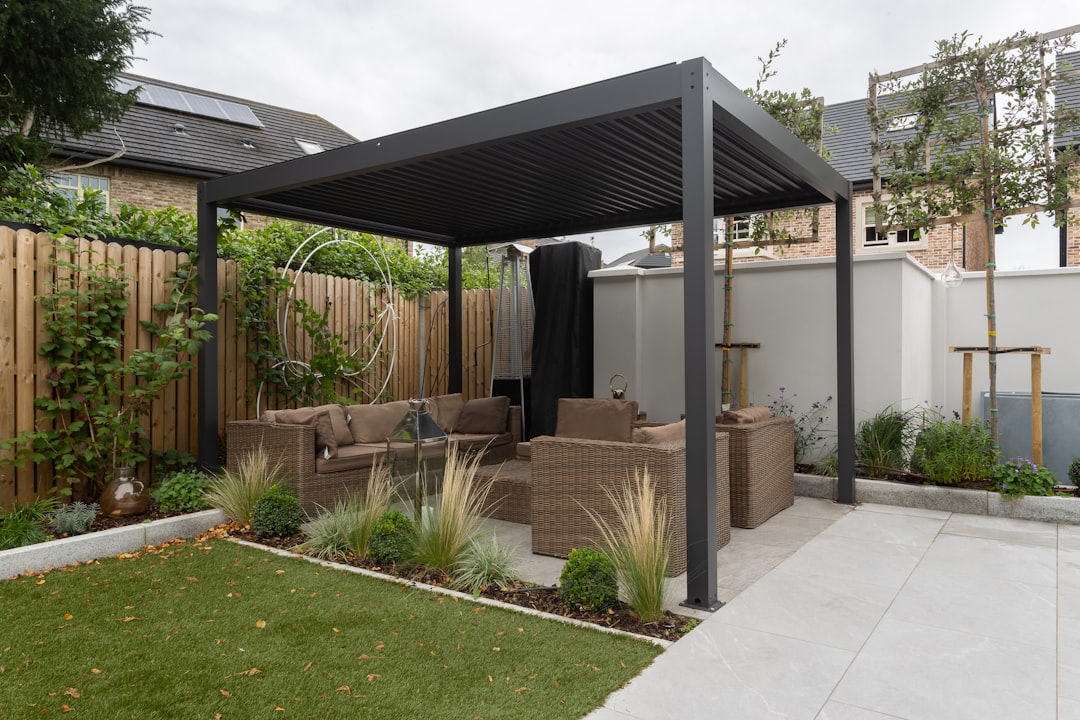
Our guide to winter shelter for outdoor cats covers the opposite season, and the contrast makes the point — the same box cannot do both jobs unmodified.
Recognising heat stress
Cats hide discomfort well, and by the time symptoms are obvious the situation is already serious.
| Sign | Severity | Action |
|---|---|---|
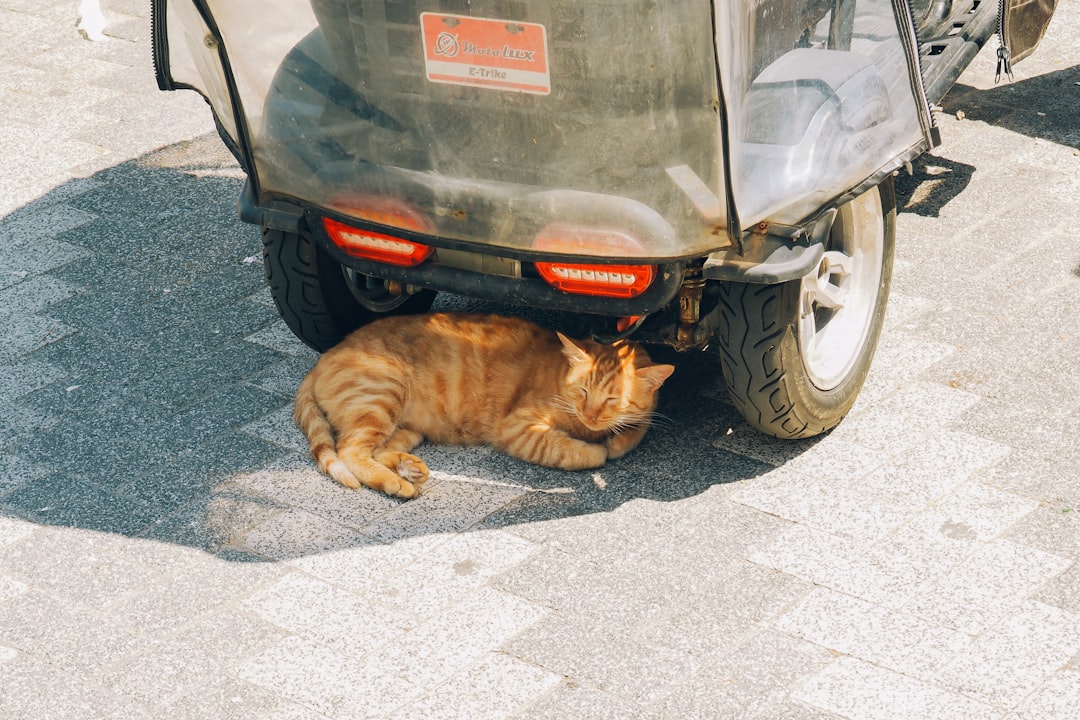
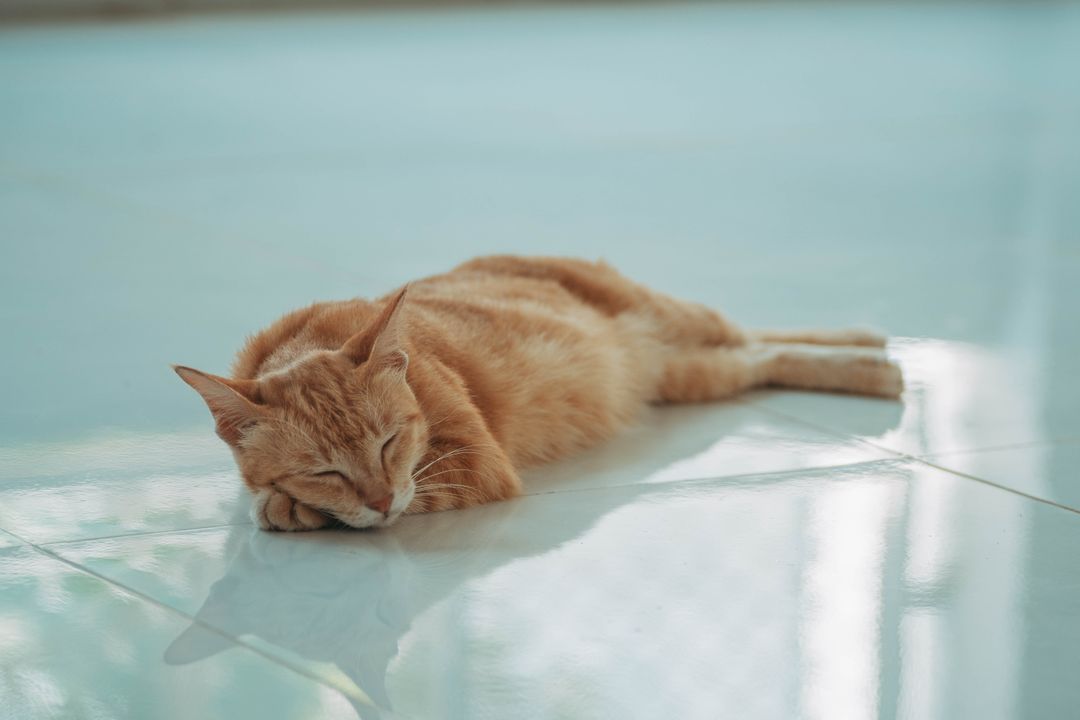
| Seeking deep shade, flat out on cool ground | Normal | Ensure water and shade available |
| Panting or open-mouth breathing | Concerning | Cats rarely pant — cool immediately |
| Drooling, restlessness, bright red gums | Serious | Cool and contact a vet |
| Staggering, vomiting, weakness | Emergency | Veterinary care now |
| Collapse or unresponsiveness | Critical | Emergency vet immediately |
Panting is the signal to act on. Unlike dogs, cats pant only when genuinely struggling to cool themselves.
The Humane Society publishes general hot-weather guidance worth reading alongside this.
Cooling a cat safely
If you can safely handle the cat, move it somewhere cool and shaded, and wet its paws, ears and belly with cool — not ice-cold — water.
Never submerge a cat or use ice water. Rapid cooling causes shock, and a distressed feral cat in a bath is dangerous for both of you.
For a community cat you cannot handle, focus on making the environment survivable and call a rescue or vet for advice.
Shift the feeding schedule
Food left out at midday spoils within an hour and draws flies, ants and wildlife.
Feed early morning and again after sunset, and remove uneaten food promptly. Cats naturally shift to dawn and dusk activity in summer anyway.
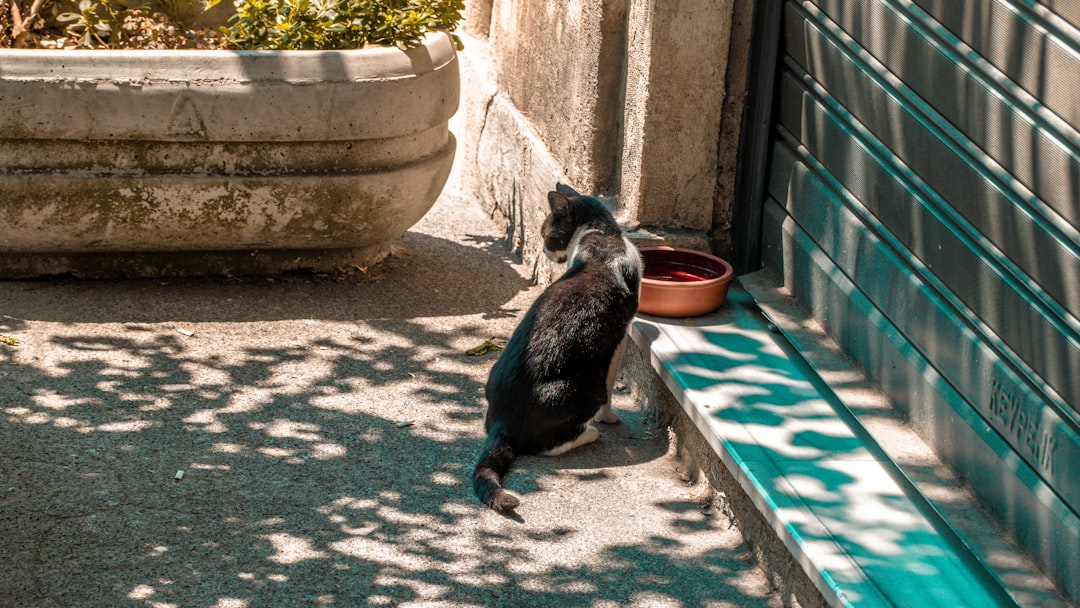
Our guide to feeding station best practices covers placement and hygiene in more detail.
Other summer hazards
- Hot asphalt and metal surfaces burn paw pads — check with the back of your hand.
- Antifreeze and coolant leaks increase in summer and are lethal in tiny amounts.
- Car engine bays stay attractive on cooler mornings — knock the bonnet before starting.
- Pools and water troughs drown cats that cannot climb out.
- Fleas and ticks peak in heat, and heavy burdens cause anaemia in kittens.

Summer is also kitten season
Peak heat coincides with peak litters, which is the worst possible combination for a colony and for local shelters.
The most effective summer intervention is not another water bowl — it is getting the colony fixed so next summer is smaller.
Trapping in extreme heat needs care: trap at dawn or after dark, never leave a trap in sun, and cover traps immediately. Our guide to starting TNR in Fresno covers the sequence, and colony caretaking covers year-round management.
Building a summer cooling station
A dedicated summer station takes an hour to put together and makes a measurable difference through a heatwave.
- Choose a spot with shade that holds all afternoon, not just morning shade.
- Raise a platform or pallet a few inches off the ground for airflow underneath.
- Add a roof or tarp above, leaving all sides open to the breeze.
- Place two heavy water bowls at opposite ends, both in shade.
- Put a damp towel on the shaded ground — cats will lie on it to shed heat.
- Check and refill twice daily during extreme heat.
Avoid anything enclosed. In a valley summer, the safest structure is one that offers shade and airflow rather than shelter in the winter sense.
Watching the vulnerable ones
Not every cat in a colony copes equally. Kittens, elderly cats, black-coated cats and any cat with a respiratory condition struggle first.
Dark coats absorb noticeably more heat, and flat-faced cats breathe less efficiently in high temperatures. These are the cats to check on first during a heatwave.
Nursing mothers also need far more water than usual. If you know a litter is present, our guide to what to do when you find newborn kittens covers when intervention is genuinely warranted.
Planning ahead for the next heatwave
Central Valley heat arrives predictably, which makes it one of the few colony risks you can prepare for months in advance rather than react to.
Convert shelters over to their summer configuration in late spring, before the first serious spell rather than during it. Bedding out, second opening cut, structure raised and moved into permanent shade.
Stock spare bowls, a shade tarp and a bag of ice packs before you need them. During an actual heatwave the shops sell out and you will be improvising at the worst possible moment.
Then use the cooler months for trapping. Our guide to colony caretaking through the year covers the seasonal rhythm in full.
Frequently Asked Questions
How hot is too hot for outdoor cats?
Cats begin to struggle above roughly 90°F, and sustained temperatures over 100°F are dangerous without deep shade and constant water. Central Valley summers routinely exceed this for weeks.
Should I leave the winter shelter out in summer?
Not unmodified. An enclosed insulated box in sun becomes a heat trap. Remove bedding, add a second opening for airflow, raise it off the ground and move it into permanent shade.
Do cats pant when they are hot?
Rarely, and it is a warning sign. Unlike dogs, cats pant only when genuinely struggling to cool down. Open-mouth breathing in a cat means act immediately.
Can I use ice water to cool an overheated cat?
No. Ice-cold water causes shock and constricts blood vessels, slowing cooling. Use cool water on the paws, ears and belly, move the cat to shade, and contact a vet.
When should I feed community cats in summer?
Early morning and after sunset. Food left out at midday spoils within about an hour in extreme heat and attracts flies, ants and wildlife to the feeding site.
Is it safe to trap cats for TNR during a heatwave?
Only with precautions. Trap at dawn or after dark, never leave a trap in direct sun, check every fifteen minutes, and cover traps immediately to reduce stress and heat.