
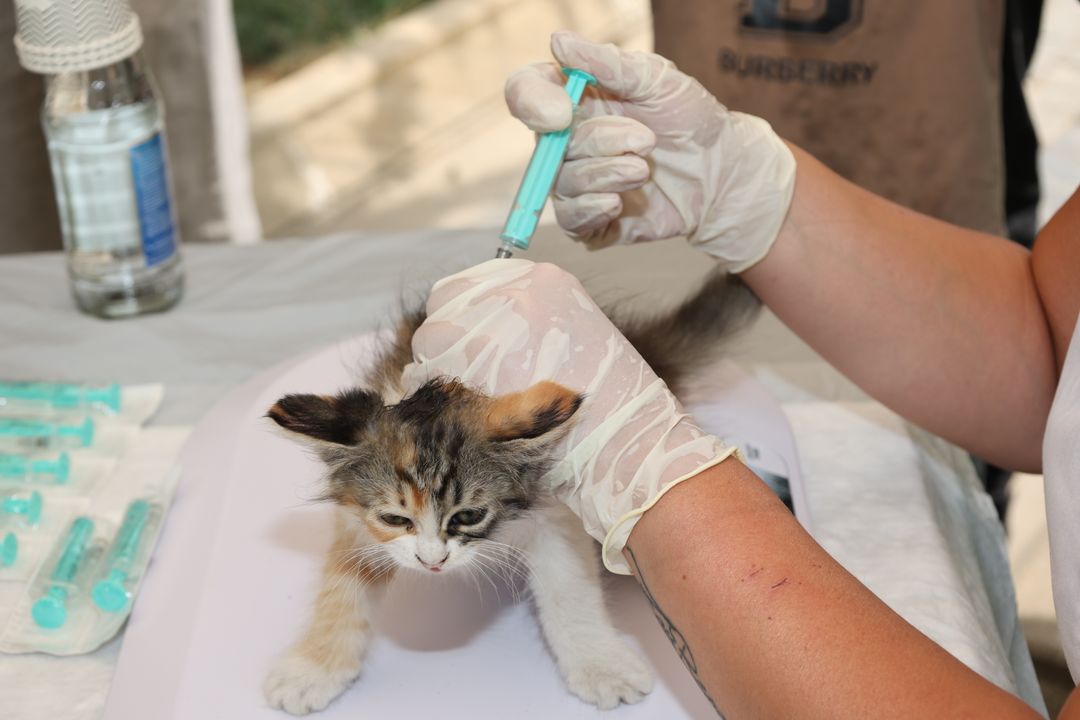
Vaccination is one of the few areas of cat care where the advice has genuinely changed over the past two decades, which is why older guidance and current practice often disagree.
This is a plain-language orientation to what cats are typically vaccinated against and roughly when. Your vet sets the actual schedule based on the individual cat, its lifestyle and local disease risk.
Core versus non-core
Vaccines are grouped by whether every cat needs them or only some do.
| Vaccine | Protects against | Core? | Typically for |
|---|---|---|---|
| FVRCP | Feline herpesvirus, calicivirus, panleukopenia | Core | Every cat |
| Rabies | Rabies | Core in most areas | Every cat; often legally required |
| FeLV | Feline leukaemia virus | Core for kittens | All kittens; at-risk adults |
| Chlamydia felis | Bacterial conjunctivitis | Non-core | Multi-cat and shelter settings |
| Bordetella | Respiratory infection | Non-core | High-density environments |
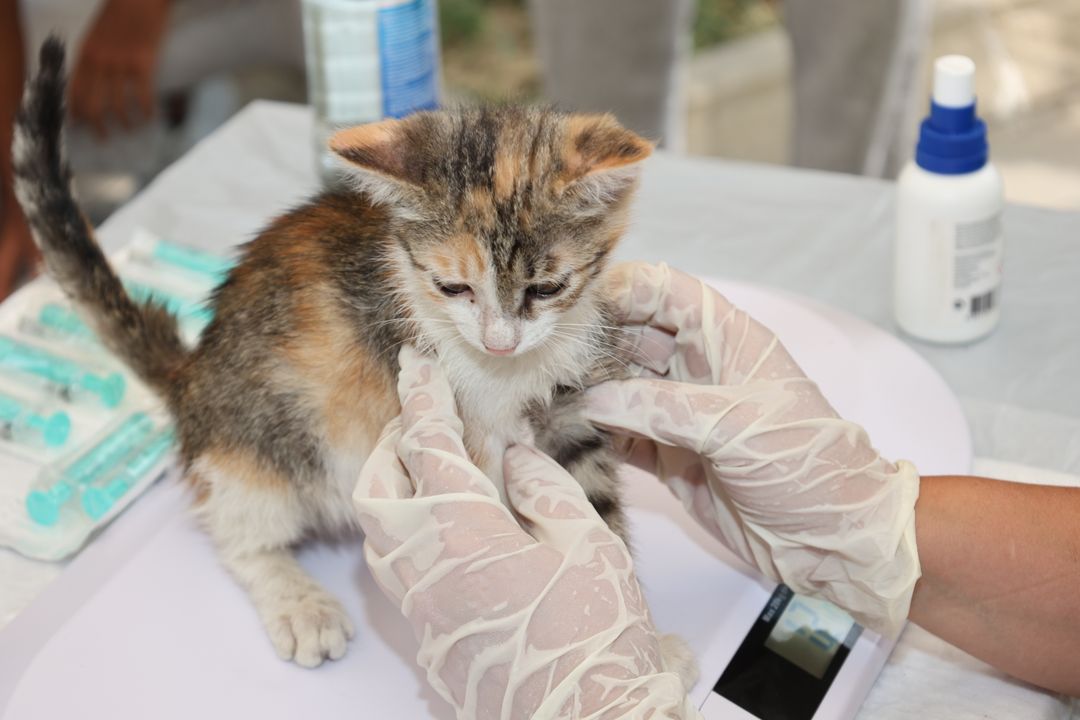
FVRCP is the combination shot most people mean when they say “the cat vaccine”. Panleukopenia in particular is severe and highly contagious, which is why it is universally recommended.
The kitten series
Kittens receive maternal antibodies through their mother’s milk. Those antibodies protect early on but also block vaccines from working, and they fade at an unpredictable age.
That is why kittens get a series rather than a single shot — repeated doses ensure at least one lands after maternal antibodies have waned.
| Age | Typically given |
|---|---|
| 6–8 weeks | First FVRCP |
| 10–12 weeks | Second FVRCP, first FeLV |
| 14–16 weeks | Final FVRCP, second FeLV, rabies |
| 12 months | Boosters |
| Thereafter | Vet-determined interval, often every 1–3 years |
Ages are approximate and practice varies. This is the shape of a typical schedule rather than a prescription.

Adult cats and boosters
The move away from automatic annual boosters for everything is the biggest change in recent decades.
Current practice generally tailors intervals to the individual: an indoor-only adult cat with a complete history usually needs less frequent boosting than an outdoor cat in a high-density area.
The American Association of Feline Practitioners publishes life-stage guidelines that inform how vets set these intervals.
Rabies is a partial exception, since interval is often set by law and by the specific product used rather than by clinical judgement alone.
Do indoor cats need vaccinating?
Yes, and this is the most common misconception.
- Panleukopenia is extremely hardy and can be carried indoors on shoes and clothing.
- Indoor cats escape — and an unvaccinated escapee is at immediate risk.
- Boarding, grooming and veterinary stays generally require current vaccination.
- Rabies vaccination is legally required in many jurisdictions regardless of lifestyle.
- A new cat entering the household can introduce infection.

The lifestyle difference affects which non-core vaccines are recommended and how often boosters are given, not whether core vaccination happens at all.
Adopted cats: what to check
An adopted cat usually arrives partly vaccinated, and the paperwork is often incomplete.
- Ask exactly which vaccines were given and on which dates.
- Ask whether the kitten series was completed or interrupted.
- Ask whether the cat was tested for FIV and FeLV, and what the result was.
- Take all paperwork to your own vet within two weeks.
- Where records are missing, expect your vet to restart rather than assume.
Restarting a series is safe and is the standard approach when history is unknown. It is not a wasted expense.
Our guide to the first 30 days with a new cat covers where the vet visit fits into settling in.
Side effects and what is normal
Most cats show nothing at all. Mild reactions are common and short-lived.
| Sign | Normal? | Action |
|---|---|---|
| Sleepy for a day | Yes | Let the cat rest |
| Slight soreness at the site | Yes | Resolves in a day or two |
| Reduced appetite for a meal | Yes | Monitor |
| Mild fever for 24 hours | Usually | Contact vet if it persists |
| Facial swelling or hives | No | Contact vet immediately |
| Difficulty breathing, collapse | No | Emergency — go now |
| Persistent lump at the site | No | Have it examined |
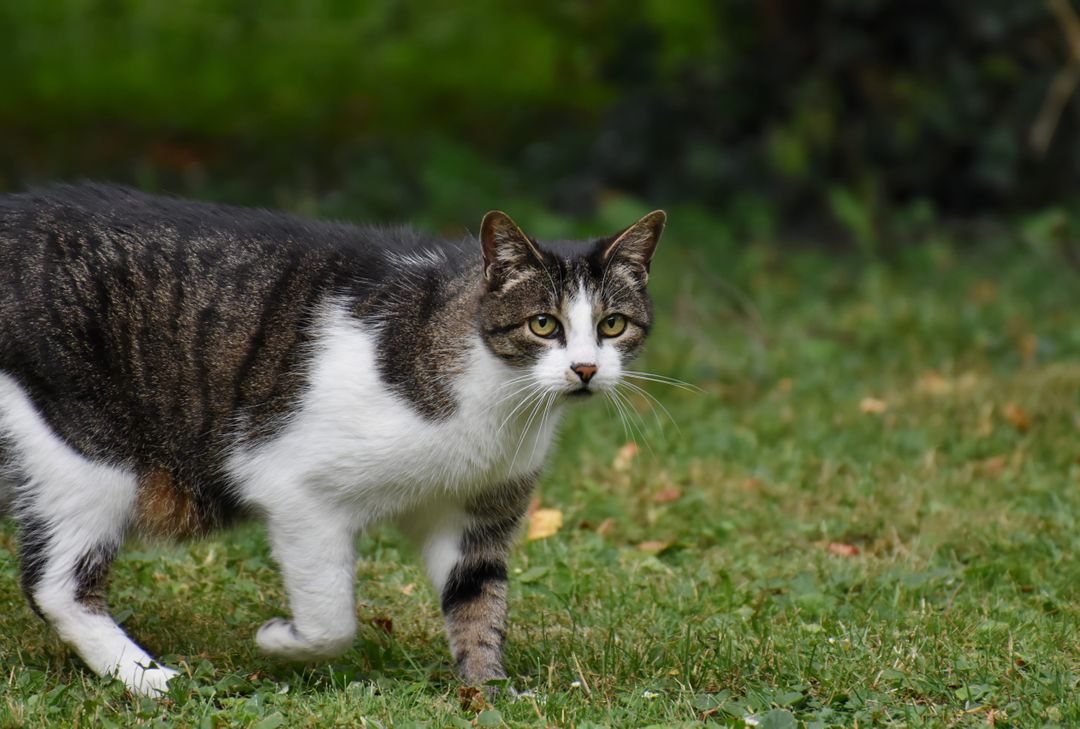
Serious reactions are rare but real, which is why vets generally suggest vaccinating earlier in the day so you can observe the cat during waking hours.
A lump at an injection site that persists beyond a few weeks, grows, or is larger than about two centimetres should always be examined.
Questions worth asking your vet
- Which vaccines does this specific cat need, given how it lives?
- What interval are you recommending, and why?
- Which are legally required here?
- Where will the injection be given, and is that site chosen deliberately?
- What should I watch for over the next 24 hours?

That fourth question is more meaningful than it sounds. Injection site selection is a considered clinical decision, and a vet who explains it is one paying attention.
For how often the whole check-up should happen, our guide to how often a cat should see the vet covers routine care by life stage, and the annual cost of owning a cat puts vaccination into the wider budget.

Vaccination for community and outdoor cats
Cats living outdoors face a different risk profile, and TNR programmes vaccinate for exactly that reason.
Community cats trapped for sterilisation are typically given rabies and FVRCP at the same appointment, since it may be the only handling opportunity for years.
- Rabies protects the cat and the people around it, and is often legally required.
- FVRCP protects against the respiratory and panleukopenia infections that spread fastest in colonies.
- One-year and three-year rabies products exist; ask which was used.
- Vaccination at the time of surgery is standard and adds little cost.
- Record what was given so the colony log stays accurate.
Our comparison of low-cost spay and neuter options in Fresno notes which clinics include vaccines in the community cat price, and whether community cats need vaccinations covers the reasoning in more depth.
Keeping records that stay useful
Vaccination records get lost between house moves, vet changes and adoptions, and a missing record usually means starting a series again.
Photograph every record card the day you receive it and keep the images somewhere you will still have in five years. Ask your vet to email a summary rather than relying on a paper card.
If you rehome the cat later, that record goes with it. Our guide to rehoming a cat in Fresno covers what a proper handover includes.
Frequently Asked Questions
What vaccinations does a cat need?
FVRCP and rabies are core for essentially every cat, and FeLV is core for kittens. Non-core vaccines such as Chlamydia felis depend on lifestyle and local risk. Your vet sets the actual schedule.
Why do kittens need a series of vaccinations?
Maternal antibodies from the mother’s milk protect kittens early but also block vaccines from working, and they fade at an unpredictable age. A series ensures at least one dose lands effectively.
Do indoor cats need vaccinations?
Yes. Panleukopenia can be carried indoors on shoes and clothing, indoor cats do escape, boarding and veterinary stays require current vaccination, and rabies is often legally required regardless.
How often do adult cats need boosters?
It varies by cat and by vaccine, commonly every one to three years. Current practice tailors intervals to lifestyle and risk rather than applying automatic annual boosters for everything.
What should I do if my adopted cat’s vaccination records are missing?
Take whatever paperwork exists to your vet within two weeks. Where history is unknown, restarting the series is safe and standard practice rather than a wasted expense.
Are vaccination side effects in cats serious?
Rarely. Mild sleepiness, soreness or reduced appetite for a day is normal. Facial swelling, hives, breathing difficulty or a persistent lump at the injection site need veterinary attention.