
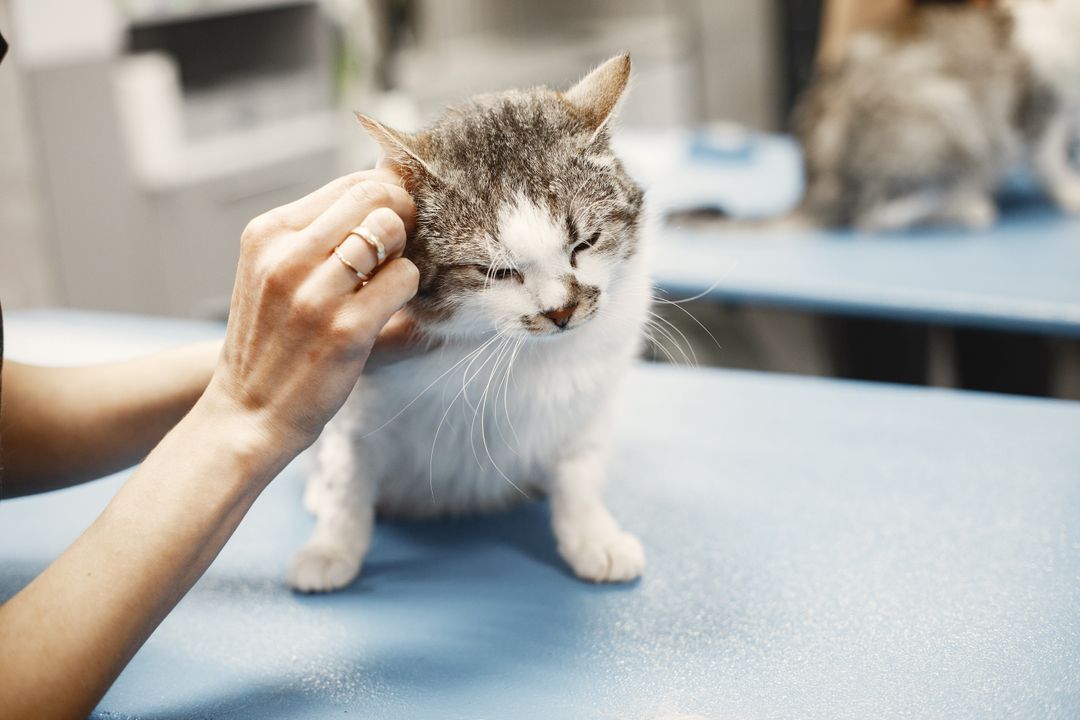
Cats see the vet far less often than dogs, and it is not because they need less care. It is because they are harder to transport and much better at hiding illness.
That combination is why feline disease is so often caught late. A cat that looks fine can be several months into a chronic condition.
The short answer by life stage
| Life stage | Age | Recommended frequency | Focus |
|---|---|---|---|
| Kitten | 0–12 months | Every 3–4 weeks initially | Vaccination series, growth, parasites |
| Young adult | 1–6 years | Annually | Weight, teeth, baseline bloodwork |
| Mature adult | 7–10 years | Annually, bloodwork each visit | Early kidney and thyroid screening |
| Senior | 11–14 years | Every 6 months | Kidney, thyroid, blood pressure, pain |
| Geriatric | 15+ years | Every 6 months, or as advised | Quality of life, chronic management |
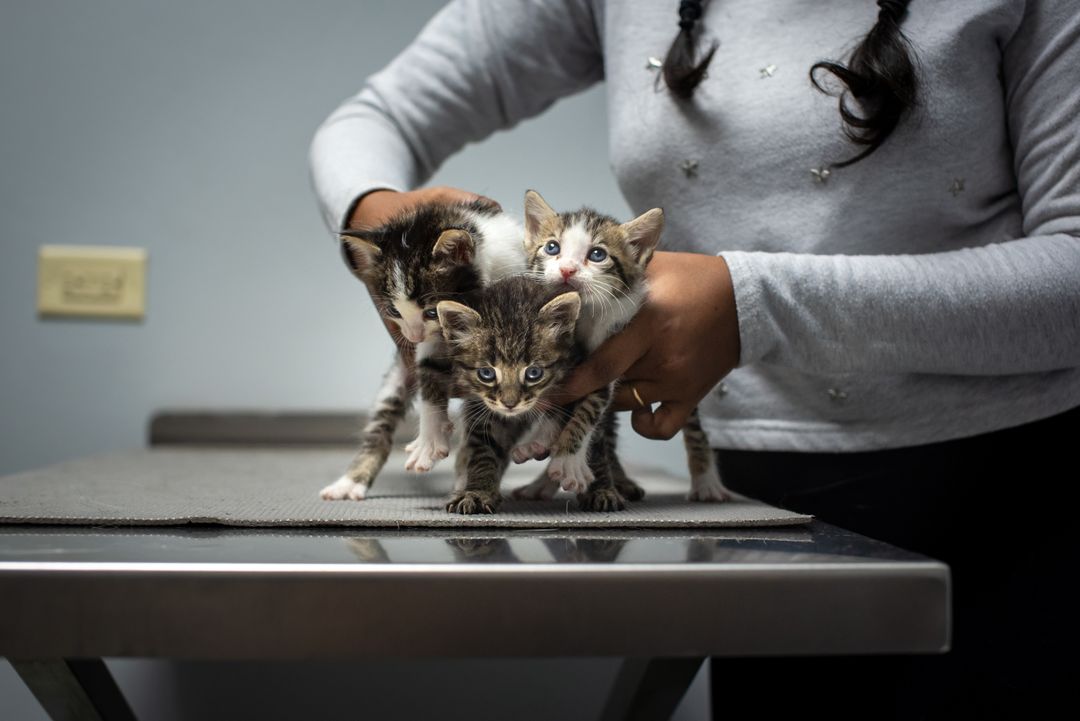
The step up at around seven years catches people out. A cat that has been healthy for six years starts needing bloodwork precisely because it still looks healthy.
Why cats hide illness so effectively
Cats are both predator and prey, and visible weakness attracts danger. Concealing pain and illness is instinctive rather than stoic.
Practically, this means the observable signs appear late. By the time a cat is obviously unwell, a condition is frequently well established.
- Chronic kidney disease is often only apparent once substantial function is lost.
- Dental pain is rarely obvious — cats keep eating through significant disease.
- Hyperthyroidism can present as a cat that simply seems livelier.
- Arthritis is usually mistaken for the cat “slowing down with age”.
- Weight loss is often the only early sign, and it happens gradually.
This is the entire argument for routine bloodwork in middle age. It detects what observation cannot.
What a good check-up covers
A proper feline examination is more than a quick look and a vaccination.
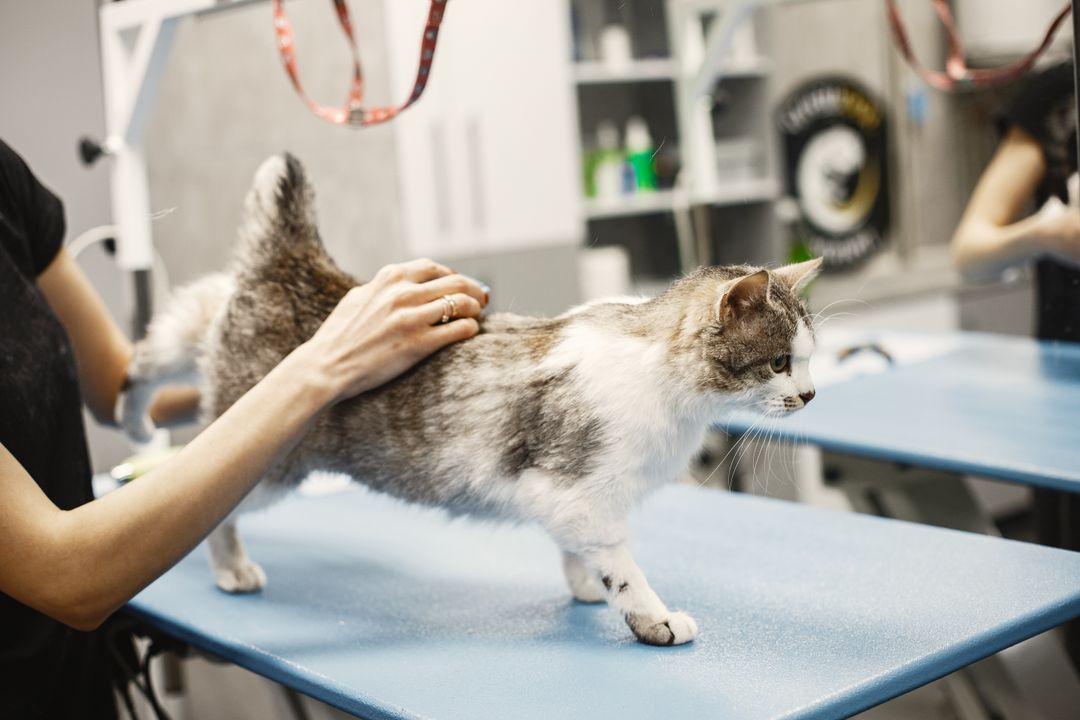
- Weight, compared against previous visits rather than a chart.
- Body condition score, assessed by hand.
- A full dental examination.
- Abdominal palpation for kidney size and abnormalities.
- Heart and lung auscultation.
- Blood pressure in older cats.
- Bloodwork and urinalysis from middle age onward.

Weight is the most underrated item on that list. A cat losing weight steadily over two years is telling you something that a single snapshot never will.
Signs that mean booking sooner
Between routine visits, these warrant an appointment rather than watchful waiting.
| Sign | Urgency | Common causes |
|---|---|---|
| Not eating for 24 hours | Urgent | Many, and fasting itself is dangerous |
| Straining in the litter box | Emergency in males | Urinary blockage |
| Drinking noticeably more | Book within days | Kidney disease, diabetes, thyroid |
| Steady weight loss | Book within weeks | Thyroid, kidney, diabetes, dental |
| Vomiting more than occasionally | Book within weeks | IBD, thyroid, foreign body |
| Reluctance to jump | Book routinely | Arthritis, often untreated |
| Bad breath | Book routinely | Dental disease |
| Hiding more than usual | Book within days | Pain or illness |

Reluctance to jump is the most consistently ignored. Cats are widely assumed to slow down with age when they are frequently in treatable pain.
The Cornell Feline Health Center publishes detailed guidance on caring for older cats.
Making the visit less awful
The main barrier to regular care is that both cat and owner dread the trip. That is fixable.
- Leave the carrier out permanently as furniture, not just before appointments.
- Feed treats inside it so it stops predicting bad things.
- Use a carrier that opens from the top and detaches, so the cat need not be pulled out.
- Cover the carrier with a towel during transport.
- Ask about a cat-only waiting area or appointment time.
Carrier training is genuinely effective and takes a few weeks of leaving it out with treats inside. It removes most of the pre-visit conflict.
Between visits: what to track at home
You see things a vet never will, and a short record makes appointments dramatically more useful.
- Weigh the cat monthly and write it down.
- Note water intake if it seems to be changing.
- Track litter box output — volume and frequency.
- Photograph anything visible, since it may resolve before the appointment.
- Note appetite changes with dates rather than impressions.
A monthly weight log is the single most valuable thing an owner can bring. Gradual loss is invisible day to day and obvious in a column of figures.
The cost question
Routine care feels expensive until compared with the alternative, which is emergency treatment of a condition caught late.
A senior blood panel costs a fraction of managing advanced kidney disease, and early thyroid treatment costs far less than the cardiac complications of untreated hyperthyroidism.
Our breakdown of the annual cost of owning a cat covers routine budgeting, and whether pet insurance is worth it covers the unpredictable half.
For newly adopted cats, book within the first two weeks regardless of what the shelter has done — our guide to the first 30 days with a new cat covers why that baseline matters, and the cat vaccination schedule covers what may still be outstanding.
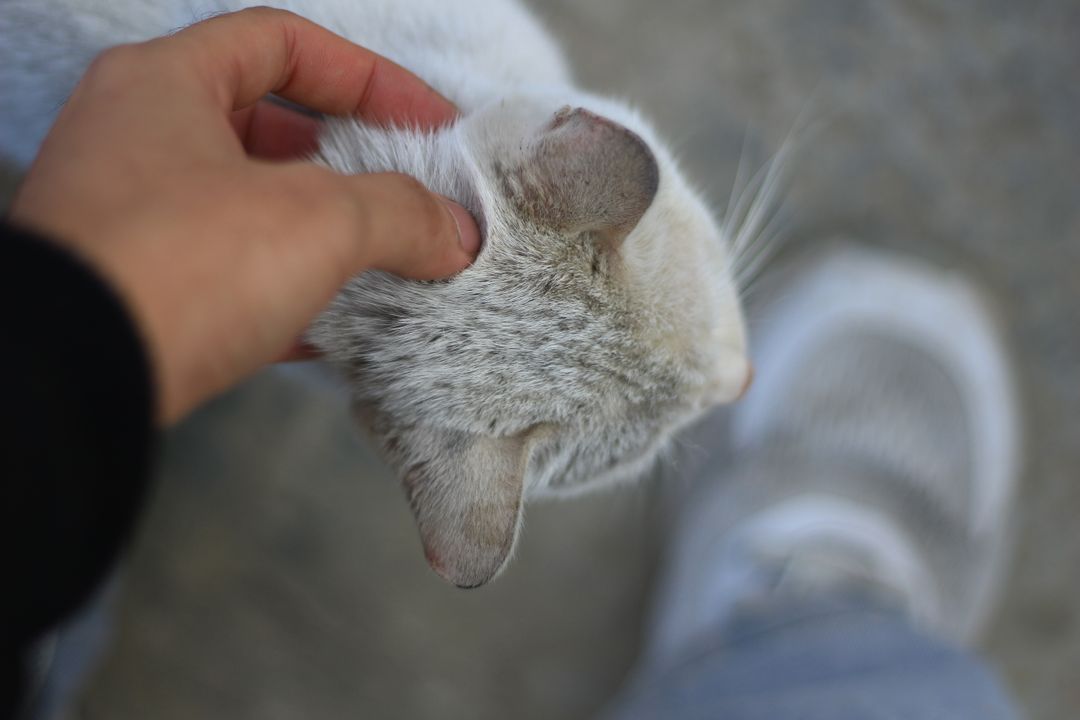
Newly adopted cats
Book a visit within the first two weeks regardless of what the shelter or rescue has already done.
This is not about distrusting the paperwork. It establishes a baseline with your own vet, confirms which vaccines are outstanding, and catches anything a busy intake process missed.
- Bring every piece of paperwork, including partial records.
- Ask for a weight to compare all future visits against.
- Confirm FIV and FeLV testing status and results.
- Ask what booster is due next and when.
- Raise anything you have already noticed at home — you have seen more than the shelter did.
That last point matters more than owners expect. Two weeks of living with a cat reveals things no kennel assessment picks up.
Our guide to the cat vaccination schedule covers what may still be outstanding, and the first 30 days with a new cat covers where the visit fits into settling in.
Frequently Asked Questions
How often should a healthy adult cat see the vet?
Annually between one and six years old, with bloodwork added from around seven. Senior cats over eleven benefit from twice-yearly visits, since conditions progress faster and are easier to miss.
Why do cats need more frequent vet visits as they age?
Because chronic conditions such as kidney disease, hyperthyroidism and arthritis develop gradually and are hidden well. Twice-yearly visits catch changes while they are still manageable.
Do indoor cats need annual check-ups?
Yes. Indoor living reduces injury and infectious disease risk but does nothing to prevent kidney disease, dental disease, thyroid conditions, diabetes or cancer, all of which are age-related.
What is the earliest sign of illness in cats?
Usually gradual weight loss, which is nearly invisible day to day. Weighing monthly and writing it down is the single most useful thing an owner can do between appointments.
How can I make vet visits less stressful?
Leave the carrier out permanently with treats inside so it stops predicting bad experiences, use a top-opening detachable carrier, cover it during transport, and ask about cat-only appointment times.
My cat seems fine — is a check-up still worth it?
Yes, particularly from middle age. Cats conceal illness instinctively, so routine bloodwork detects conditions well before any observable sign appears, when treatment is cheaper and more effective.