

“Feral cat,” “stray cat,” and “community cat” get used interchangeably all the time, but they describe genuinely different situations — and mixing them up can lead to the wrong kind of help. Here’s what actually separates them, and why getting it right changes what you should do next.
Community Cat: The Umbrella Term
Per Best Friends Animal Society, “community cat” is an umbrella term for any unowned cat living outdoors — it covers both feral and stray cats, and everything in between. If you’re not sure which category a cat falls into, “community cat” is always a safe, accurate way to describe it.
Stray Cats: Once Someone’s Pet
A stray cat lived indoors and was socialized to people at some point, but has since lost or left that home — through abandonment, escape, or getting lost. Per Alley Cat Allies, strays are usually friendly toward people and may approach strangers looking for food or attention, since they still carry that early human socialization with them.

The longer a stray cat spends outdoors without human contact, the more its behavior can drift toward feral — becoming warier and less approachable over time, even though it started out socialized.
Feral Cats: Never Socialized to People
Feral cats were never socialized to humans, though they are typically bonded to their own feline colony. A feral cat keeps its distance from people, avoids direct contact, and is often only seen from dusk to dawn. This isn’t fear of a bad past experience — it’s simply that people were never part of their early development the way they are for a stray or a house cat.
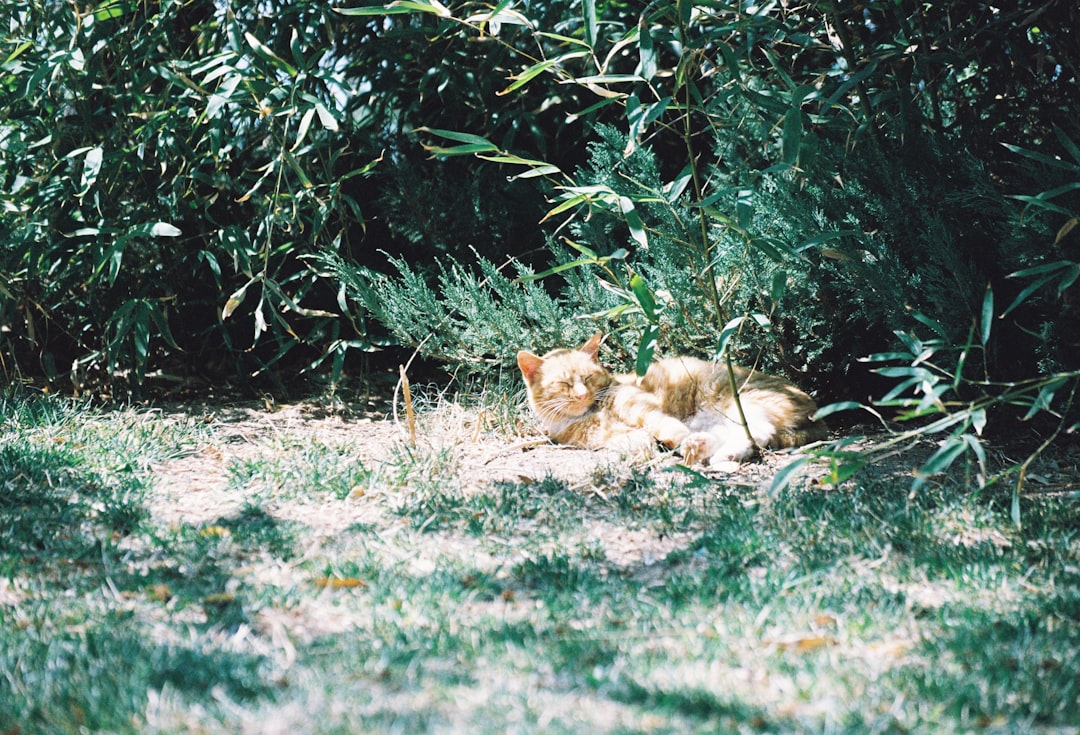
One counterintuitive detail: feral cats often look better groomed than strays, not worse. They’ve spent their whole lives caring for themselves outdoors, while a former pet cat that recently became a stray is often still adjusting and can look more bedraggled by comparison.
Side-by-Side Comparison
| Trait | Stray Cat | Feral Cat |
|---|---|---|
| Human socialization | Was socialized at some point | Never socialized to people |
| Approach to humans | Often approaches, seeks attention | Keeps distance, avoids contact |
| Typical grooming | Can look bedraggled if recently outdoors | Often well-groomed from lifelong self-care |
| Best outcome | Adoption or reuniting with an owner | TNR — spay/neuter and return to territory |
| Vocalization | Often meows for attention | Typically silent around people |
Why the Ear Tip Matters
If a cat has a small, clean notch at the very top of one ear, that’s an ear tip — the universally recognized sign that the cat has already been through a trap-neuter-return (TNR) program. Per Alley Cat Allies, an ear-tipped cat has already been spayed or neutered, vaccinated for rabies, and returned to the outdoor territory it came from.

See our full guide to what TNR is and how it works for the complete process, and our guide on what to do if you find a stray cat if the cat you’ve spotted seems approachable and may be a lost pet rather than a lifelong community cat.
What to Do Based on What You See
- Healthy cat with an ear tip: leave it be — it’s already sterilized and being managed as part of a colony
- Cat that approaches you, seeks attention, and has no ear tip: likely a stray — check for a collar or microchip and contact local shelters about a possible lost-pet match
- Cat that keeps its distance, is silent, and is active mainly at dusk/dawn: likely feral — contact a local TNR program rather than attempting to catch or adopt it yourself
- Multiple cats gathering at a consistent feeding spot: likely an established colony with a caretaker already — look for that caretaker before assuming the cats are unmanaged

Can a Feral Cat Ever Become Friendly?
Adult feral cats rarely make the leap to fully socialized house cats — that early developmental window closes. Kittens are a different story: kittens under roughly 8 weeks old have a real chance at socializing with consistent, gentle handling, which is part of why so many kitten-season rescues focus heavily on early intervention. For an adult feral cat, TNR — not adoption — is almost always the right outcome, letting the cat live out its life in its own territory without adding unmanaged litters to the population.
Why Getting the Label Right Matters
Misreading a feral cat as a stray in need of rescue is one of the most common, well-intentioned mistakes people make. Attempting to bring a genuinely feral adult cat indoors and treat it like a lost pet usually causes significant, prolonged stress for the cat, and often ends with the cat escaping back outdoors anyway, having gained nothing from the ordeal but fear of the person who tried to help. Getting the read right the first time — distance and silence pointing to feral, approach and vocalization pointing to stray — changes what actually helps versus what just adds stress without solving anything.
When You’re Genuinely Unsure
Not every cat gives you a clear read right away, especially on a single brief sighting. If you’re not confident which category a cat falls into, the safest default is to treat it as a community cat: leave food and water out if you’re inclined to help, watch from a distance over a few days to see whether it approaches people or keeps away, and contact a local rescue or TNR organization for guidance rather than guessing and acting immediately.
When the cat in question is unmistakably sociable, the situation changes entirely. Our guide to a friendly cat found in a colony covers checking for an owner and what to do if nobody claims it.
Telling cats apart individually is the next practical step after telling categories apart. Our guide to counting a colony accurately covers identifying and logging cats reliably.
Frequently Asked Questions
Can a feral cat become friendly like a stray?
Adult feral cats rarely become fully socialized to people — their lack of early human contact runs deep. Kittens under about 8 weeks old have a much better chance of socializing if handled consistently and early.
Is it true that feral cats look scruffier than strays?
It’s usually the opposite. Feral cats have spent their whole lives caring for themselves outdoors and tend to look fairly well-groomed, while former pet cats that became strays often look more bedraggled since they’re new to outdoor survival.
What does an ear tip on a cat actually mean?
A small, clean notch at the very top of one ear means the cat has already been spayed or neutered, vaccinated, and returned to its outdoor home through a trap-neuter-return (TNR) program. It’s the universal signal that a community cat has already been sterilized.
Should I try to bring a feral cat inside?
Generally, no. Adult feral cats are not socialized to indoor life and can experience serious, prolonged stress if suddenly confined indoors. The better path for an unaltered feral cat is TNR through a local program, not attempted adoption.
Want to Help Community Cats Near You?
Cats By The Tracks supports TNR efforts and fosters cats and kittens throughout Fresno and the Central Valley.