

If you’ve found a cat and aren’t sure whether it’s lost, feral, or truly homeless, the first move is the same either way: assess whether it’s safe to approach, then check for identification before assuming anything. Here’s the exact sequence to follow, and what to do once you know what you’re actually dealing with.
Step 1: Is It Safe to Approach?
Before anything else, watch the cat’s behavior from a distance. Per Humane World for Animals’ guidance, a cat that hisses, growls, or runs the moment it notices you is signaling that it doesn’t want to be approached — respect that rather than forcing contact. A cat that makes eye contact, vocalizes toward you, or slowly approaches on its own is a very different situation, and generally safe to interact with carefully.
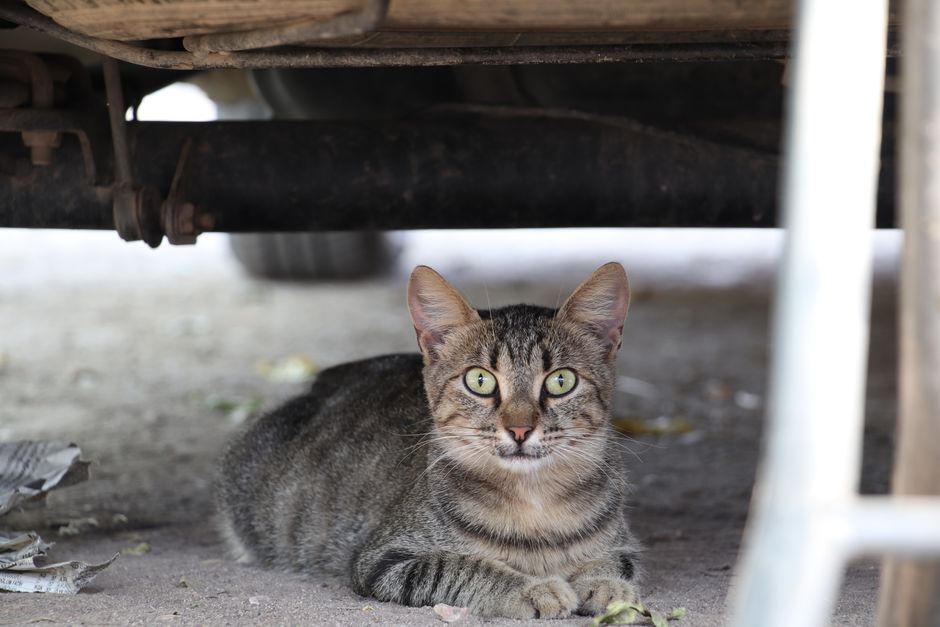
Feral vs. Stray: How to Tell the Difference
| Sign | Feral Cat | Stray or Lost Pet |
|---|---|---|
| Body language | Avoids eye contact, hides, runs | Makes eye contact, vocalizes, approaches |
| Ear tip | Often present (already TNR’d) | Not present |
| Collar | Never has one | May have one, or a visible indentation where one used to be |
| Comfort around humans | Avoids people entirely | Curious, may follow or wait near a door |
An ear tip specifically means the cat has already been through a TNR program — it’s spayed or neutered, vaccinated, and doesn’t need to be trapped again for that purpose.
Step 2: Check for a Collar or Tattoo
If you can safely get close, look for a collar with a phone number or tag, or a small tattoo inside one ear — some spay/neuter programs mark cats this way instead of, or in addition to, an ear tip.

Step 3: Get the Cat Scanned for a Microchip
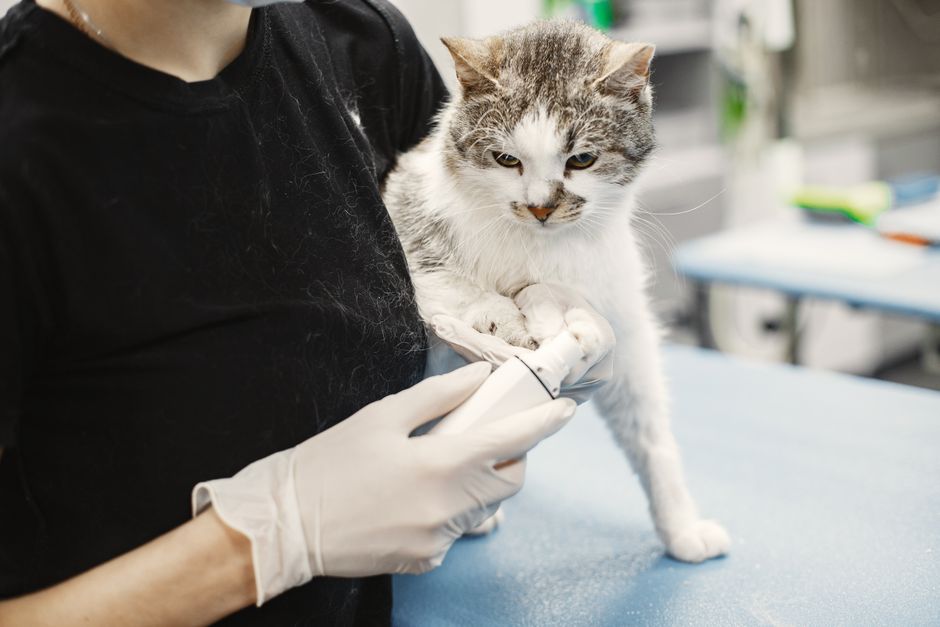
There’s no visible way to tell if a cat is microchipped — the only way to know is to have it scanned. As Hill’s Pet notes, most veterinary clinics and animal shelters will scan a found cat for a microchip free of charge, even if you’re not planning to adopt or keep it. If a chip is found and registered, staff can contact the owner directly.
Step 4: Safely Contain the Cat If Needed
If the cat won’t let you get close enough to check for a collar, or it needs to be transported to a vet or shelter, a humane trap is the safest option — for the cat and for you. Never attempt to grab or corner a scared cat with your bare hands, since a frightened cat can scratch or bite hard enough to require medical attention.

If the cat turns out to be feral rather than lost, this is also the first step of a proper TNR process — see our guide to what TNR is and how it works for what happens next.
Step 5: Report the Found Cat
Even without a microchip, don’t assume the cat has no owner. File a found-cat report with local animal shelters, since someone may have already filed a matching lost-cat report. Posting a photo to neighborhood social media groups or local lost-pet boards can also reach an owner faster than a shelter report alone.

Check your local regulations too — some jurisdictions require found strays to be reported to animal control within a certain window, particularly if you intend to keep or rehome the cat yourself.
Step 6: Provide Temporary Care
While you sort out ownership, keep the cat in a safe, separate space — away from your own pets until any health concerns are ruled out, and away from busy roads or extreme weather. Basic food, water, and a litter box are enough for the short term; avoid over-handling a stressed cat you don’t yet know well.

If the “Stray” Is a Kitten
A kitten found alone outdoors needs a different first move than an adult cat. Mother cats often leave kittens temporarily while hunting or moving them one at a time — if the kittens look healthy, warm, and quiet, the mother is very likely still nearby, and the best action is to observe from a distance for several hours before assuming they’ve been abandoned.
If it’s clear the mother isn’t returning, or the kittens are cold, crying persistently, or visibly unwell, contact a local rescue immediately — very young kittens need specialized bottle-feeding care that most people aren’t equipped to provide alone. This is exactly the kind of situation kitten season creates in large numbers each spring and summer; see our guide to adopting a kitten in Fresno for more on that seasonal pattern.
What If No Owner Turns Up?
If the cat is confirmed to be a friendly stray with no owner found after a reasonable search, it may be a good candidate for rehoming or fostering through a local rescue. Cats By The Tracks accepts owner surrenders and stray intakes on a case-by-case basis — reach out to us to discuss the specific situation. If the cat turns out to be feral rather than tame, the more appropriate path is usually TNR and return to its outdoor territory rather than an attempt to rehome it.
If you find yourself drawn to caring for this cat directly, our guides to adopting vs. fostering and the first 30 days with a new cat cover what comes next.
Scanning for a microchip is the step that most often reunites a found cat with its owner. Our guide to how cat microchips work and why registration matters explains what a scan can and cannot tell you.
Frequently Asked Questions
Is it safe to approach a stray cat?
Only if the cat approaches you first or shows relaxed, curious body language. A cat that hisses, runs, or avoids eye contact should be left alone or handled with a humane trap rather than picked up directly.
How do I know if a cat has an owner?
Check for a collar or ear tattoo first. If there’s none, the most reliable way is to have a vet or shelter scan the cat for a microchip, which can immediately identify a registered owner even with no visible collar.
What does an ear tip mean on a stray cat?
A small, straight-edge notch on one ear means the cat has already been through a TNR (trap-neuter-return) program — it’s spayed or neutered and likely feral rather than a lost pet. It doesn’t need to be re-trapped for spay/neuter.
What should I do if the cat is feral, not friendly?
A feral cat generally does best returned to its outdoor territory after being TNR’d rather than brought indoors. If it’s not already ear-tipped, contact a local TNR program — Cats By The Tracks’ Snip Trip initiative supports exactly this kind of community cat work.
Not Sure What to Do? Reach Out
Cats By The Tracks can help point you toward the right next step, whether that’s TNR, a shelter intake, or fostering the cat yourself.