
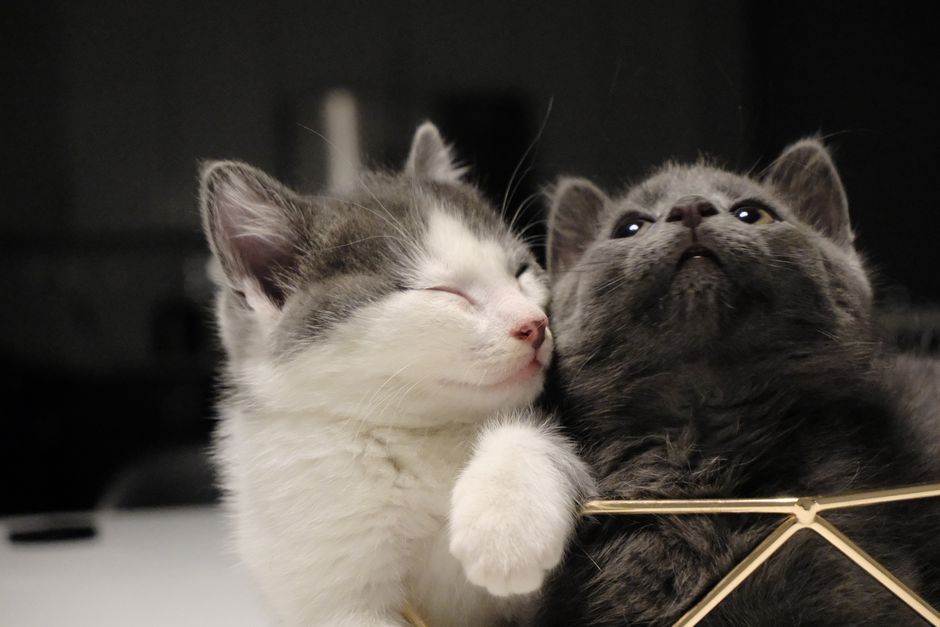
Kittens can be adopted starting at 8 weeks old, but the right age for your household depends on more than the shelter’s minimum. Kitten season in Fresno runs roughly March through October, which affects both availability and how much support a young kitten will need once it’s home. Here’s what actually matters before you adopt one.
When Is Kitten Season in Fresno, and Why It Matters
Kitten season describes the months when unaltered community cats have the most litters — roughly March through October in the Central Valley, peaking over summer. During these months, Fresno-area shelters and rescues see a sharp rise in kitten intake, which means more kittens available to adopt, but also more competition for the ones people want most.
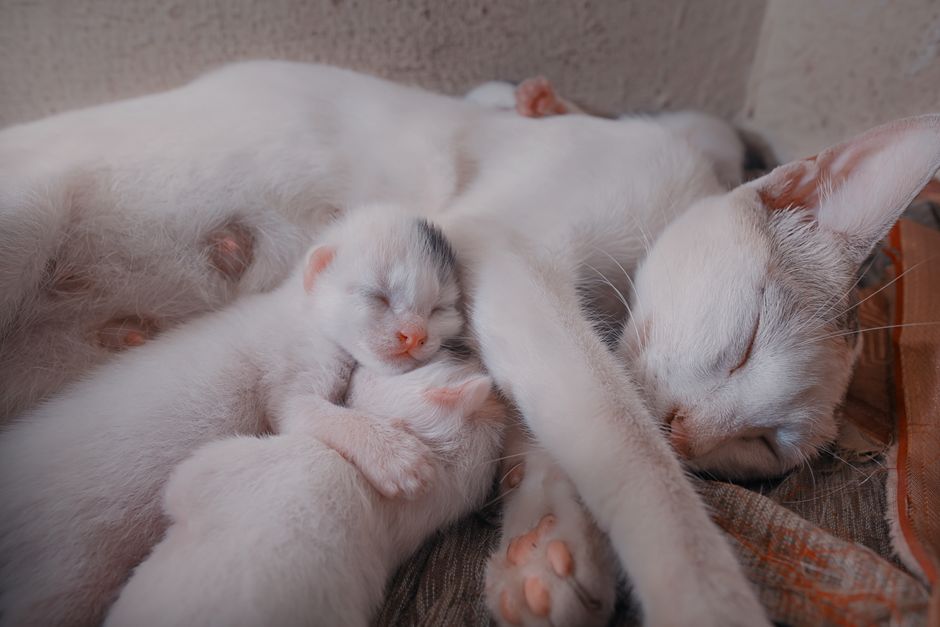
Kitten season is also the reason organizations like Cats By The Tracks put so much emphasis on trap-neuter-return (TNR) — spaying and neutering community cats directly reduces how many kittens are born into difficult situations each spring and summer. Adopting during kitten season, in other words, is directly connected to the TNR work happening behind the scenes.
If you’d rather help without adopting a kitten this year, kitten season is also when foster homes are needed most — bottle-feeding newborn litters, socializing kittens too young to be adopted, and freeing up shelter space for the next intake wave. Our foster program page covers what that looks like week to week.
What Age Kitten Should You Adopt?
| Age | What to Expect | Best Fit For |
|---|---|---|
| 8–12 weeks | High energy, still learning bite inhibition and litter habits | Households with time for hands-on training and supervision |
| 3–6 months | More independent, past the riskiest early-health window | First-time kitten owners who want a slightly easier start |
| 6–12 months | Near-adult behavior, often already spayed/neutered | Anyone who wants kitten playfulness without newborn-level care |
Reputable shelters won’t place a kitten younger than 8 weeks, since kittens need that time with their mother and littermates to wean fully and develop basic social skills — a threshold Chewy’s pet health guide also recommends as the earliest responsible adoption age. Some rescues wait until 10–12 weeks, particularly for kittens that arrived without a mother present.
Should You Adopt One Kitten or Two?
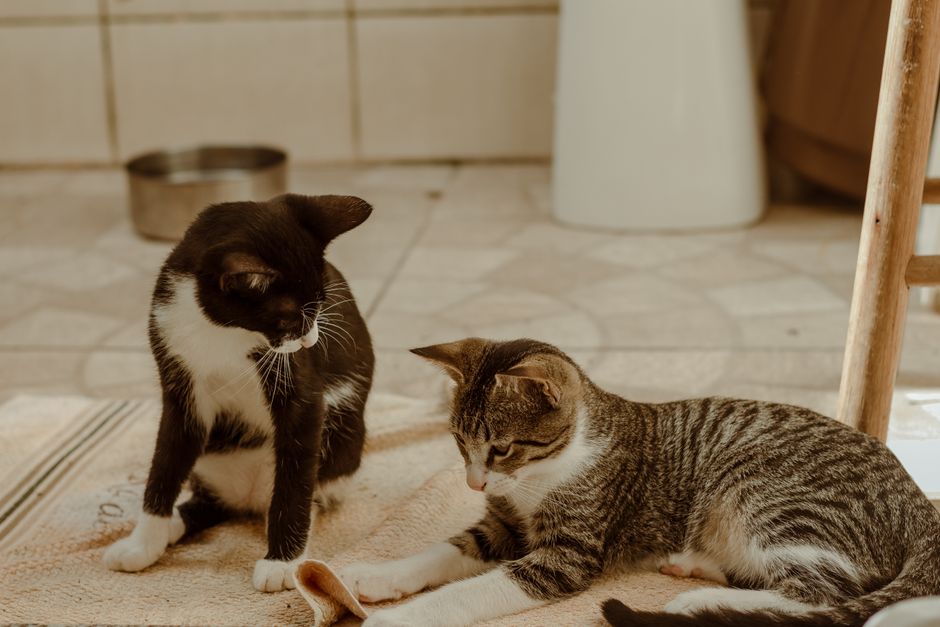
A single kitten adopted alone can develop separation anxiety or overly rough play habits, since kittens normally learn bite inhibition and social cues from littermates. For that reason, many rescues — Cats By The Tracks included — encourage adopting two kittens together when your household can support it.
| One Kitten | Two Kittens | |
|---|---|---|
| Cost | Lower upfront and ongoing cost | Roughly double food, litter, and vet costs |
| Attention needed | Needs more direct playtime from you | Kittens entertain and tire each other out |
| Behavior | Higher risk of anxiety or rough play toward humans | Learns bite inhibition and social skills from a sibling |
Kitten-Proofing Your Home Before Adoption Day
Kittens explore with their mouths and paws, so a few precautions before adoption day go a long way:
- Tuck away or cover loose cords, blind pulls, and strings
- Remove small objects that could be swallowed
- Block off gaps behind and under large appliances
- Set up a small, quiet starter room with food, water, a litter box, and a hiding spot
- Confirm all houseplants are non-toxic to cats
What to Have Ready Before You Bring a Kitten Home
- A secure carrier for the trip home
- Kitten-formula food and small food/water bowls
- A low-sided litter box and kitten-safe litter
- A scratching post and a few interactive toys
- A vet appointment scheduled for within the first week
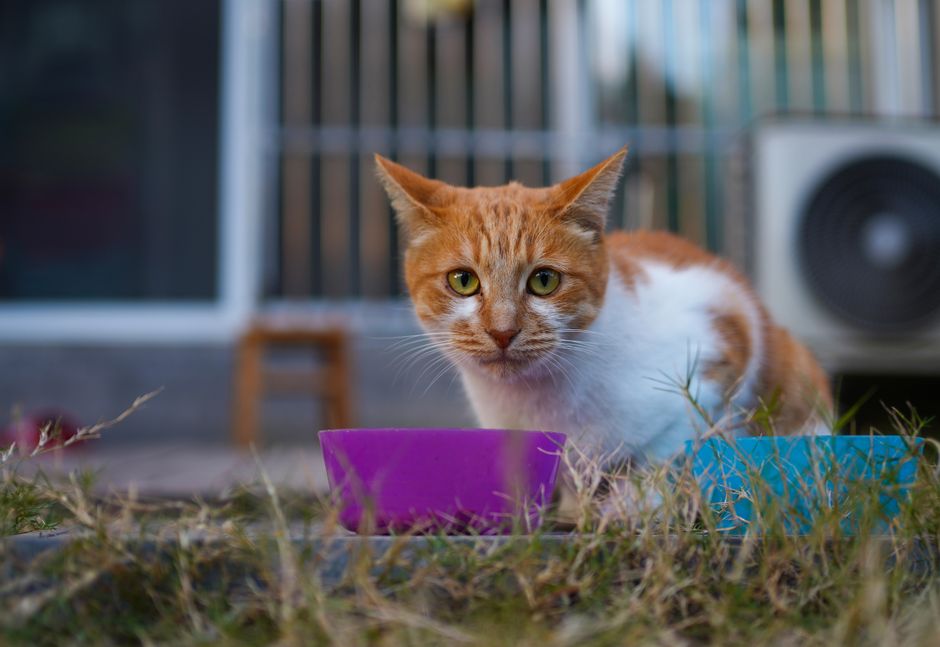
If ongoing supply and vet costs are a concern before you commit to adopting, fostering a kitten is worth considering — Cats By The Tracks covers food and veterinary care for foster kittens, so you get the experience of raising one without carrying the full cost.
Signs a Kitten Is Healthy Before You Adopt
Whether you’re meeting a kitten at a shelter, a pet store adoption event, or a foster home, a quick look-over before you commit can catch problems early:
- Clear, bright eyes with no discharge or excessive tearing
- Clean ears with no dark buildup or strong odor
- A soft, evenly-coated coat with no bald patches or visible fleas
- Steady, curious movement rather than lethargy or wobbliness
- Normal breathing, with no persistent sneezing or coughing
None of these are dealbreakers on their own — many are easily treated — but they’re worth asking about directly, and a reputable shelter or rescue will always be upfront about a kitten’s health history.
The First Week Home
Bring your kitten home when you have a couple of quiet days free, ideally in the morning so it has time to adjust before its first night. Start it in the small starter room rather than the whole house, and let it explore at its own pace rather than forcing interaction — advice echoed in PetMD’s guide to bringing home a new kitten.
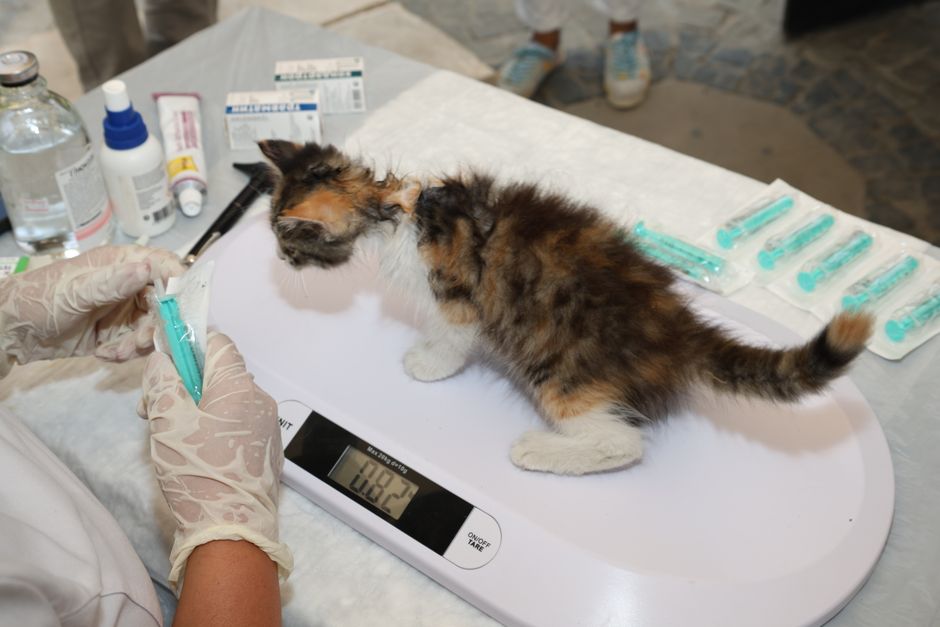
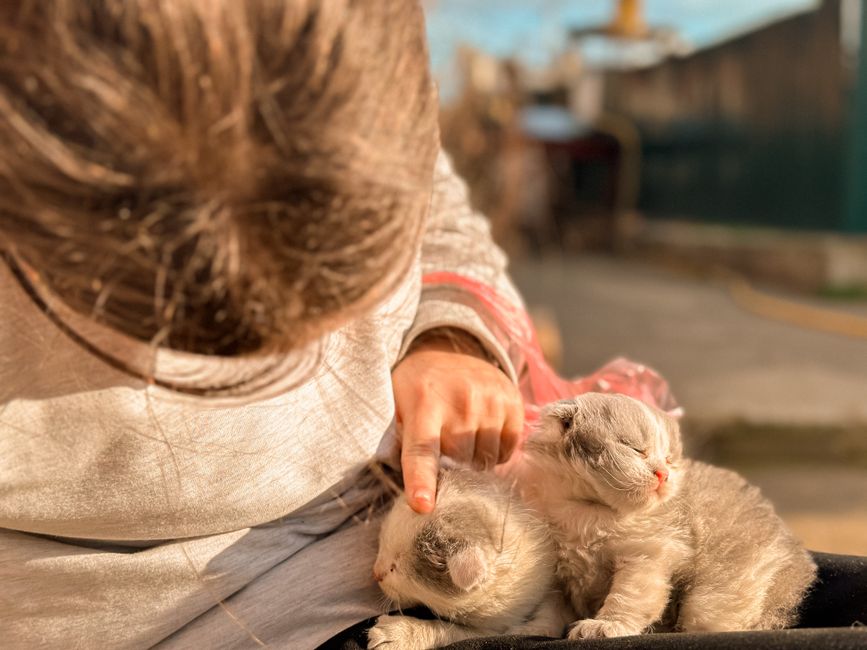
Schedule the first vet visit within the first week, even if the kitten came from the shelter with a clean bill of health — it establishes a relationship with a vet local to you and confirms nothing was missed. For a full cost breakdown of what to expect, including what most adoption fees already cover, see our guide to cat adoption costs in Fresno. And for a longer week-by-week look at the adjustment period, see our guide to the first 30 days with a new cat.
Frequently Asked Questions
What is the minimum age to adopt a kitten?
Most shelters and rescues, including Cats By The Tracks, require kittens to be at least 8 weeks old before adoption. This gives them time to wean fully and learn social skills like bite inhibition from their littermates.
When is kitten season in Fresno?
Kitten season in the Central Valley typically runs from March through October, peaking in the summer months. This is when unaltered community cats have the most litters, and local shelters and rescues see the highest kitten intake of the year.
Should I adopt one kitten or two?
Many rescues, including Cats By The Tracks, recommend adopting two kittens together when possible. A single kitten left alone for long stretches can develop separation anxiety or overly rough play habits, since kittens naturally learn bite inhibition from littermates.
How much does a kitten adoption cost in Fresno?
Kitten fees in the Fresno area typically range from $75 to $130 depending on the shelter, and usually include spay/neuter, vaccinations, a microchip, and a health exam. See our full Fresno adoption cost breakdown for a shelter-by-shelter comparison.
Ready to Meet Our Kittens?
Cats By The Tracks is a 501(c)(3) foster-based rescue serving Fresno and the Central Valley. Every kitten adoption includes age-appropriate vaccines, spay/neuter, and a full health check.