
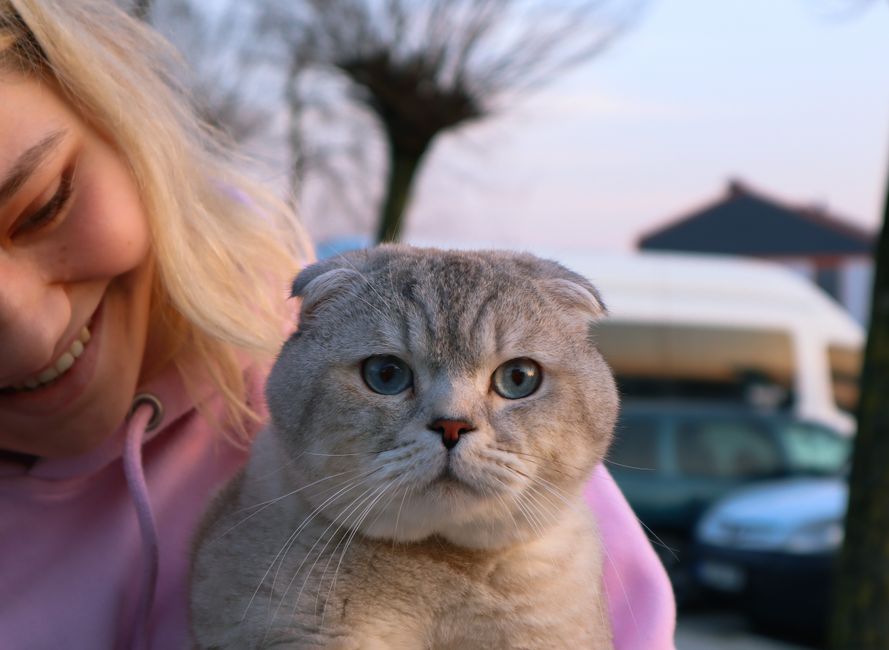
Adopting a cat is a permanent commitment; fostering is temporary care until the cat is ready for its forever home, usually with the rescue covering food and vet costs instead of you. Neither one is the “better” option — they solve different problems, and rescues genuinely need people willing to do both. Here’s how to tell which one actually fits your life right now.
Adopting vs. Fostering: Side-by-Side Comparison
| Adopting | Fostering | |
|---|---|---|
| Commitment length | The cat’s lifetime | Days to several months, until adopted |
| Who pays for food and vet care | You, ongoing | The rescue, typically fully covered |
| Upfront cost | Adoption fee ($75–$130 in the Fresno area) | Usually $0 |
| Choice of cat | You choose and keep that specific cat | Assigned based on current need and your capacity |
| Best for | Anyone ready for a lifelong companion | Anyone wanting to help without a permanent commitment |
What Adopting a Cat Actually Means
Adoption is permanent. You’re taking on the cat’s food, litter, routine and emergency vet care, and daily companionship for its entire life — commonly 12 to 18 years. In exchange, you get to choose the specific cat whose personality fits your home, and build a bond that isn’t on a clock.
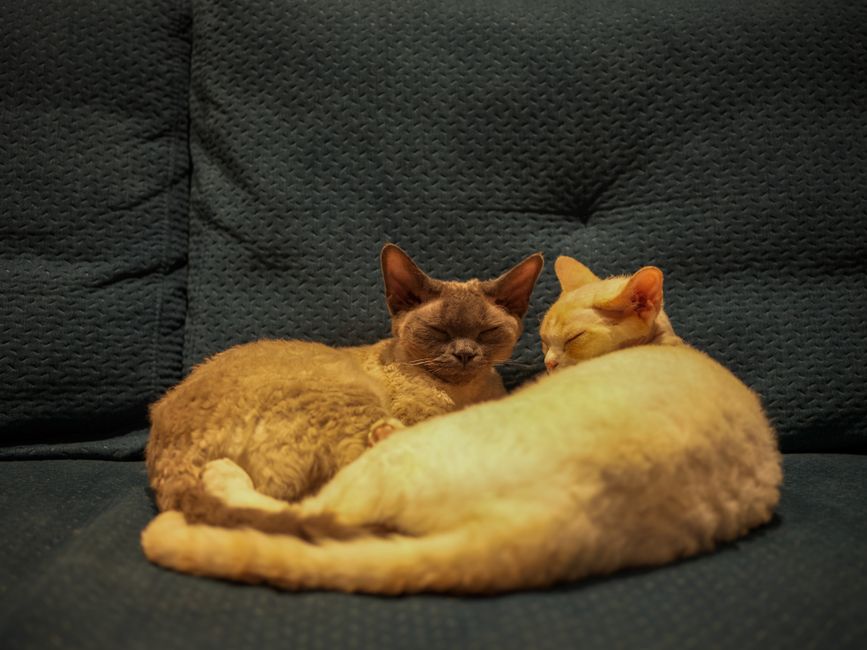
If you’ve read this far because you’re ready for that commitment, see our full breakdown of what a cat adoption actually costs in the Fresno area, including what the fee covers.
What Fostering a Cat Actually Means
Fostering means providing a temporary home while the rescue handles the bills. As Found Animals puts it, fostering lets you help an animal in need without the long-term financial and lifestyle commitment adoption requires. At Cats By The Tracks, that includes food, litter, and veterinary care — fosters provide the space, daily care, and attention. Fostering exists because rescues like ours are foster-based rather than shelter-based: cats live in real homes instead of kennels while they wait to be adopted.
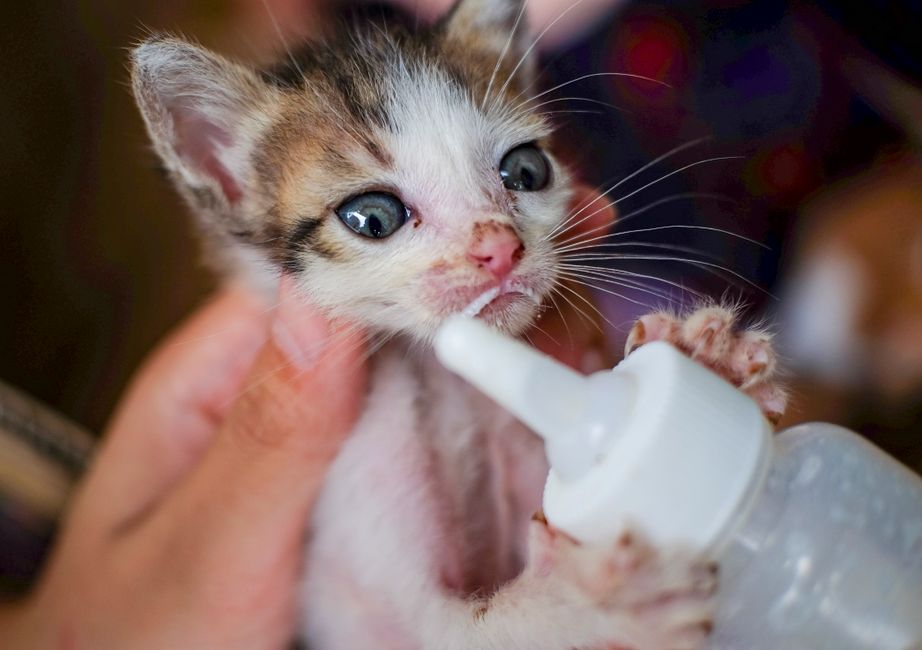
Foster placements at Cats By The Tracks span a wide range: bottle babies, kittens, teens, adults, cats recovering from medical care, and nursing mothers. You can indicate which of these you’re equipped to handle when you apply to foster — you’re not expected to take on every type.
What Fostering Requires
A few real requirements to know before you apply, based on our own foster agreement:
- Fosters must be 21 years of age or older
- A home inspection is required before your application is approved
- You may be asked to foster for an extended or indefinite period, especially for cats with ongoing medical needs
- The rescue retains ownership of the animal and can request its return at any time
- Whether you rent or own is fine — there’s no requirement to own your home
The Cost Difference
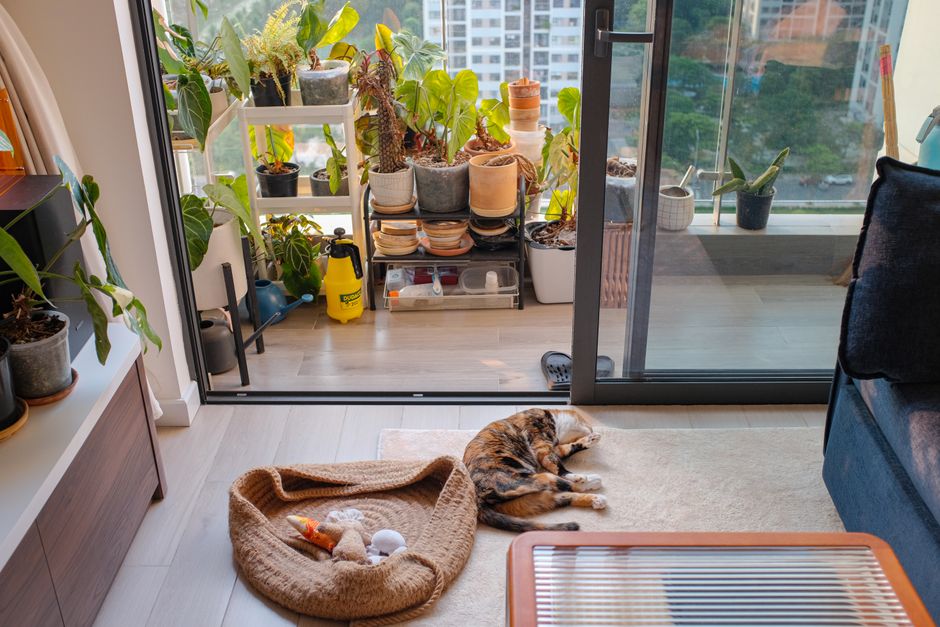
The financial gap between the two is the starkest difference. Adopting means an upfront fee plus ongoing monthly costs. Fostering removes nearly all of that: the rescue pays for food, litter, and veterinary care, so your cost is largely your time.
| Expense | Adopting | Fostering |
|---|---|---|
| Upfront fee | $75–$130 in the Fresno area | $0 |
| Monthly food & litter | $30–$60, paid by you | Covered by the rescue |
| Routine vet care | $20–$35/mo. averaged, paid by you | Covered by the rescue |
| Emergency vet care | Paid by you, potentially several hundred dollars | Covered by the rescue |
| Your ongoing cost | $55–$110+ per month | Time and daily care only |

Can You Do Both? Foster-to-Adopt
It’s common for a foster placement to turn into an adoption — sometimes called a “foster fail,” though it’s really a success story. If you bond with a foster cat and decide you’re ready for a lifetime commitment, most rescues, including ours, will let you adopt them directly rather than returning them to be placed elsewhere.


Why Foster-Based Rescues Need Fosters More Than They Need Adopters
It sounds backwards, but a foster-based rescue like Cats By The Tracks is limited by foster capacity, not by how many cats want homes. Every cat in our program is living in someone’s house — there’s no backup kennel space. When foster homes are full, we simply can’t take in the next cat who needs help, regardless of how many people are ready to adopt.
That’s especially true during kitten season, when bottle-fed litters and nursing mothers need round-the-clock care that a rescue can’t provide without a foster home behind it. A single new foster can open up space for several cats over a year, even if each individual placement is short.
Signs Fostering Might Be the Right Fit for You
- You want to help animals but aren’t ready for a 12+ year commitment
- Your schedule, lease, or living situation could change in the next year or two
- You want to try living with a cat before deciding whether to adopt one long-term
- You’re specifically interested in a hands-on role, like bottle-feeding kittens or supporting a nursing mother
- You can accommodate a home inspection and occasional check-ins from the rescue
Which One Should You Choose?
- Choose adoption if you’re financially and logistically ready for a 12+ year commitment to one specific cat.
- Choose fostering if you want to help save lives without taking on ongoing cost, or you’re not sure yet whether cat ownership fits your life long-term.
- Choose fostering if you’re specifically drawn to bottle-feeding kittens, supporting a nursing mother, or nursing a cat back to health after medical care.
- Consider foster-to-adopt if you like the idea of a “trial period” before making a lifetime decision.
If you’re leaning toward fostering, our foster program page has the full application and agreement. If you’re ready to adopt, browse our currently adoptable cats instead.
Frequently Asked Questions
Is fostering a cat free?
At Cats By The Tracks, yes — we cover food, litter, and veterinary care for foster cats. Fosters provide the home, time, and daily care, not the ongoing expense.
Can you adopt a cat you’re fostering?
Yes, this is sometimes called a ‘foster fail’ or foster-to-adopt, and it’s common. If you and your foster cat bond and you’re ready for a permanent commitment, you can typically adopt them directly instead of returning them to the rescue.
Do you need a house or yard to foster a cat?
No. Cats By The Tracks accepts fosters in houses and apartments alike, whether you rent or own — what matters is a safe indoor space, not square footage or outdoor access.
How long does fostering a cat usually last?
It varies. A healthy adult cat might be fostered for a few weeks until adopted, while bottle-fed kittens, cats recovering from medical care, or nursing mothers can require several months. Cats By The Tracks asks fosters to be open to an extended, indefinite timeline when needed.
Ready to Help a Cat in Need?
Whether you’re ready to adopt or want to try fostering first, Cats By The Tracks makes both paths straightforward.