
Cat flu is the everyday name for upper respiratory infection, and it is the most common illness in shelters, rescues and multi-cat households.
Most healthy adult cats recover without drama. Kittens, seniors and immunocompromised cats are a different matter, and the complication that causes the most harm is entirely preventable.
What causes it
The great majority of cases are viral, and two viruses dominate.
| Cause | Share of cases | Typical features |
|---|---|---|
| Feline herpesvirus | Very common | Eye involvement, recurs lifelong under stress |
| Feline calicivirus | Very common | Mouth ulcers, sometimes lameness |
| Bacterial (secondary) | Common | Thick coloured discharge, follows viral infection |
| Chlamydia felis | Less common | Conjunctivitis prominent |
| Bordetella | Uncommon | More often in dense environments |

Because it is usually viral, antibiotics do not treat the underlying cause. They are used when secondary bacterial infection develops, which is a genuine and separate problem.
The University of Wisconsin Shelter Medicine Program publishes detailed guidance on respiratory disease in group-housed cats.
Herpesvirus recurs for life
This is the part adopters most need to know, and it is frequently not explained.
Once a cat has feline herpesvirus, it carries it permanently. The virus goes latent and reactivates under stress — rehoming, boarding, a new pet, building work, illness.
That means a cat can be entirely well for months, then sneeze for a fortnight after a house move, and this is normal rather than a new infection.
It is not a reason to avoid adopting such a cat. It is a reason to expect episodes and manage stress deliberately.
Our guide to the first 30 days with a new cat covers reducing the stress that commonly triggers a post-adoption flare.
The signs
- Sneezing, often in bouts.
- Nasal discharge — clear at first, thicker and coloured if bacteria follow.
- Watery or discharging eyes, sometimes glued shut on waking.
- Reduced appetite, largely because a blocked nose removes smell.
- Lethargy and mild fever.
- Mouth ulcers and drooling, more typical of calicivirus.
- Squinting or an obviously painful eye — this one needs prompt attention.
When it becomes serious
Most cases are self-limiting. These are the situations that are not.
| Sign | Concern | Action |
|---|---|---|
| Not eating for 24 hours | Serious — fasting is dangerous in cats | Vet same day |
| Laboured or open-mouth breathing | Emergency | Immediate veterinary care |
| Eyes sealed shut or a painful squint | Corneal risk | Vet promptly |
| Any kitten with symptoms | Escalate faster | Vet same day |
| Marked lethargy or dehydration | Serious | Vet same day |
| Symptoms beyond 7–10 days | Likely secondary infection | Vet appointment |
The appetite one causes the most harm. A congested cat cannot smell its food, stops eating, and prolonged fasting risks hepatic lipidosis — a serious liver condition that is a separate emergency.
Our guide to why a cat stops eating covers why 24 hours is the threshold.
Eye involvement deserves care
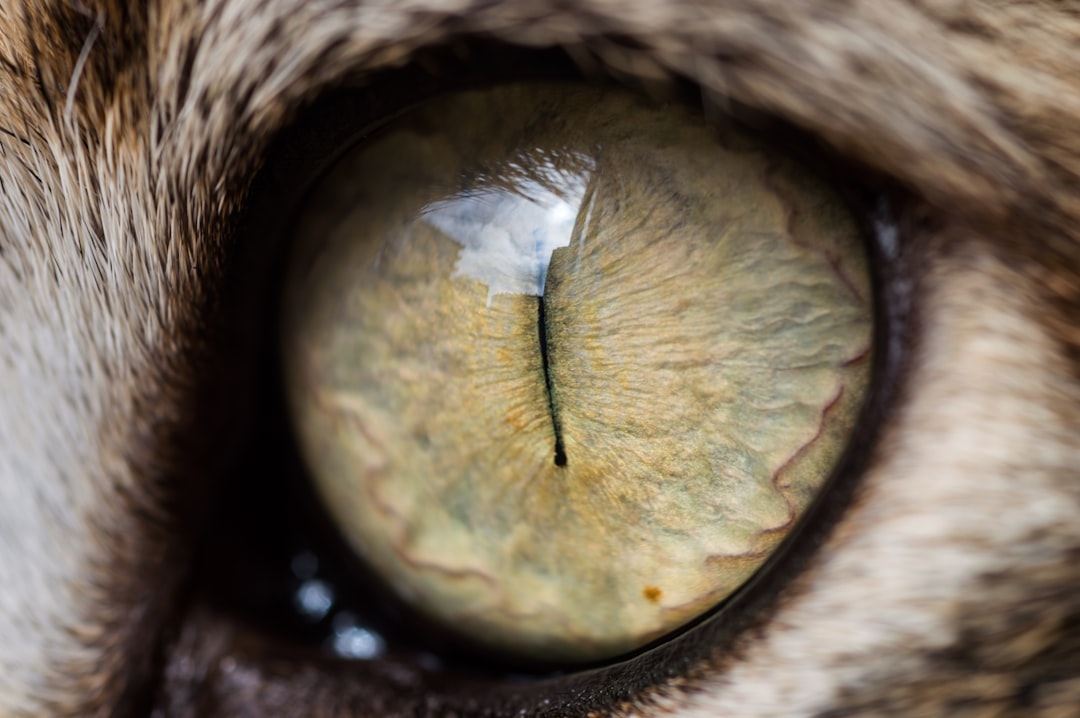
Herpesvirus can cause corneal ulceration, which is painful and can threaten sight if untreated.
Never use a leftover steroid eye preparation from another animal or person. Steroids applied to an ulcerated cornea can cause serious damage.
Any squinting, obvious pain, cloudiness or a cat holding an eye closed warrants a same-day appointment rather than home treatment.
Home care that genuinely helps
- Warm the food. Aroma is what restarts a congested cat’s appetite.
- Offer strong-smelling wet food rather than dry.
- Steam. Sit with the cat in a bathroom after running a hot shower for ten minutes.
- Wipe discharge gently with cotton wool and warm water, away from the eye.
- Keep the cat warm and quiet, and reduce household stress.
- Ensure water is easily accessible and encourage drinking.

Warming food is the single most effective home measure. A cat that cannot smell will not eat, and a cat that will not eat becomes a bigger problem than the infection.
Preventing spread in a multi-cat home
This is where most household outbreaks are decided.
- Isolate the affected cat in a separate room with its own resources.
- Wash hands thoroughly between handling cats.
- Use separate bowls and litter trays, disinfected between uses.
- Change clothes if handling an affected cat then a well one.
- Keep new arrivals separate for two weeks as standard.
Our beginner guide to fostering kittens covers quarantine practice, which exists largely because of this.
Vaccination
Core vaccination covers herpesvirus and calicivirus. It does not prevent infection entirely, which surprises people.
What it does reliably is reduce severity, which for these viruses is the meaningful outcome. A vaccinated cat that catches it typically has a milder, shorter episode.

Our cat vaccination schedule guide covers what is given and when.
Adopting a cat with a history of cat flu
Extremely common, and not a reason to hesitate. A large proportion of shelter and rescue cats carry herpesvirus.
Ask how frequent episodes are, how severe, whether there is any eye damage, and what treatment has been needed. Then expect an episode in the first weeks after adoption, because the move itself is a trigger.
Our guides to disease in community cat colonies and cat eye problems and discharge cover the colony context and the eye side in more detail.
Fostering cats with cat flu
Rescue fosters encounter this constantly, and knowing what is expected prevents unnecessary alarm and unnecessary spread.
- Expect it — a large proportion of shelter cats carry herpesvirus.
- Quarantine every new arrival for two weeks as standard.
- Keep separate bowls, trays and bedding, and wash hands between animals.
- Report symptoms to the rescue rather than treating independently.
- Never use leftover medication from a previous foster animal.
Our beginner guide to fostering kittens covers quarantine practice, which exists largely because of this.
Our guide to supporting new foster carers covers what a rescue should be providing when this happens.
Multi-cat households and repeat cycles
In households with several cats, upper respiratory infection often circulates rather than resolving cleanly.
One cat flares under stress, sheds virus, and another picks it up weeks later. That pattern is normal rather than a treatment failure.
Reducing baseline stress across the household is what breaks the cycle: adequate resources, vertical space, and separate feeding and litter areas.
Our guides to multi-cat households and conflict between household cats cover the resource planning that lowers stress across a group.
Frequently Asked Questions
What is cat flu?
The everyday name for upper respiratory infection, usually caused by feline herpesvirus or calicivirus. It causes sneezing, nasal and eye discharge, reduced appetite and sometimes mouth ulcers.
Does cat flu come back?
Feline herpesvirus does. Once infected, a cat carries it permanently and it reactivates under stress — rehoming, boarding, a new pet or illness. Episodes are normal rather than new infections.
Do antibiotics treat cat flu?
Not the underlying cause, which is usually viral. Antibiotics are used when a secondary bacterial infection develops, typically indicated by thick coloured discharge or symptoms persisting beyond a week.
When does cat flu need a vet?
Not eating for 24 hours, laboured breathing, eyes sealed shut or a painful squint, marked lethargy, any kitten with symptoms, or anything persisting beyond seven to ten days.
How can I get a congested cat to eat?
Warm the food to release aroma and offer strong-smelling wet food. A congested cat cannot smell its meal, and prolonged fasting risks hepatic lipidosis, which is a separate serious problem.
Does vaccination prevent cat flu?
Not entirely, but it reliably reduces severity — which is the meaningful outcome for these viruses. Vaccinated cats that catch it typically have milder, shorter episodes.