

Heartworm is widely thought of as a dog problem, and in one sense that is right — cats are far less commonly infected.
The complication is that in cats the disease behaves differently, is harder to diagnose, and has no approved treatment once established. Prevention is essentially the whole story.
Why cats are different
Cats are atypical hosts. Most worms do not survive to adulthood, and the ones that do are few — often just one or two.
That sounds like good news and partly is. But a cat’s heart and lungs are small, so even one or two worms cause serious damage, and the immune reaction to worms dying is itself dangerous.
- Far fewer worms than in dogs, sometimes only one.
- Shorter worm lifespan in cats.
- Damage is caused as much by inflammation as by the worms themselves.
- Sudden death can be the first and only sign.
- No approved treatment to kill adult worms in cats.
The American Heartworm Society publishes species-specific guidance including feline recommendations.
The signs, and why they mislead
Feline heartworm frequently presents as a respiratory problem, and it is routinely mistaken for asthma.
| Sign | Also seen in | Note |
|---|---|---|
| Coughing | Asthma, hairballs | The commonest presentation |
| Wheezing, laboured breathing | Asthma | Emergency if open-mouth |
| Intermittent vomiting | Many conditions | Non-specific |
| Weight loss, poor appetite | Many conditions | Non-specific |
| Lethargy | Many conditions | Non-specific |
| Sudden collapse or death | — | Sometimes the first sign |
Because the signs overlap so heavily with asthma, cats are sometimes treated for one while having the other. Our guide to feline asthma covers that condition, and the two need distinguishing by testing rather than by assumption.
Why indoor cats are not exempt
This is the point that changes behaviour, and it is the same logic as for fleas.
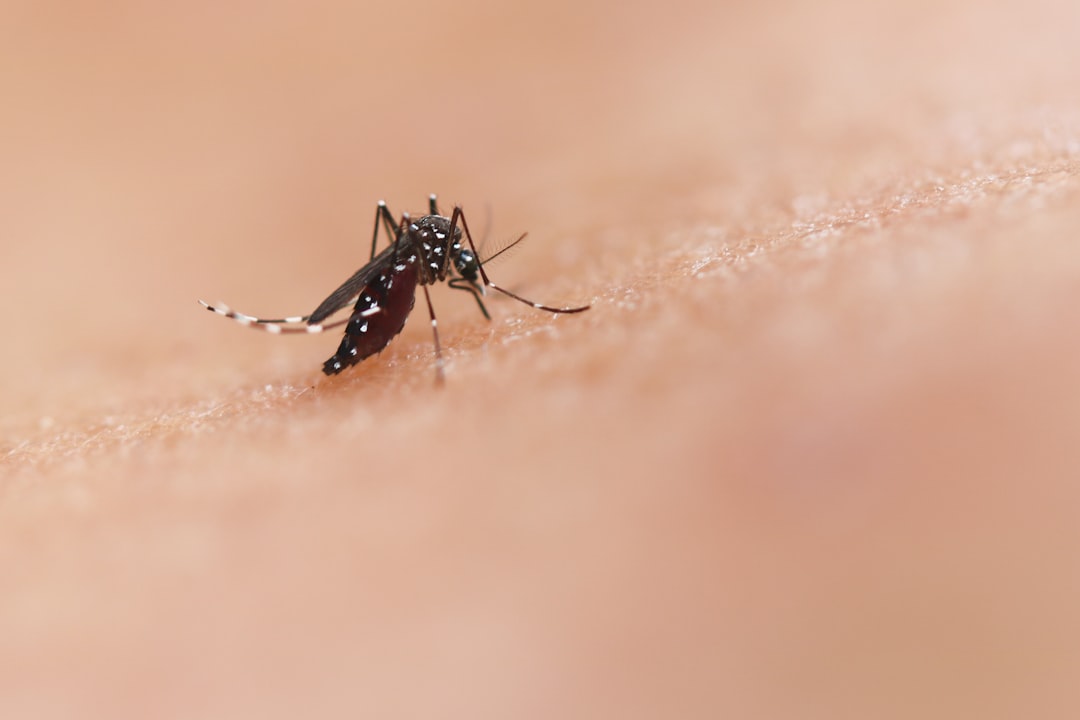
Transmission is by mosquito, and mosquitoes come indoors. A substantial share of cats diagnosed with heartworm are reported as indoor-only.

The Central Valley is relevant here: extensive irrigation, standing water and long warm seasons sustain mosquito populations for much of the year.
Indoor living reduces exposure. It does not eliminate it, and there is no vaccine.
Diagnosis is genuinely difficult
In dogs a single antigen test is usually sufficient. In cats it frequently is not.
- Antigen tests detect adult female worms — a cat with only male worms tests negative.
- Antibody tests show exposure, not necessarily current infection.
- Both are commonly used together, and both can be negative in an infected cat.
- Imaging of the chest may show changes but is not specific.
- Echocardiography sometimes visualises worms directly.
The practical consequence is that a negative test does not fully exclude heartworm in a cat with consistent signs, and diagnosis is often built from several pieces rather than one result.
Treatment: the hard part
There is no approved drug to kill adult heartworms in cats. The treatment used in dogs is not safe for them.
Management is supportive — corticosteroids to reduce inflammation, oxygen and hospitalisation during crises, and monitoring while the worms complete their natural lifespan.

Surgical removal is possible in some cases but is specialised and carries real risk. Waiting the infection out is frequently the only option, and cats can deteriorate suddenly during that period.
This asymmetry — easy to prevent, impossible to cure — is why prevention is emphasised so strongly for a disease cats get relatively rarely.
Prevention
Monthly preventive treatment is effective, inexpensive relative to the alternative, and available in formulations that also cover fleas and intestinal worms.
- Prescription products only — never use a dog product on a cat.
- Dosed by weight; guessing risks under-dosing or toxicity.
- Year-round is now generally recommended, particularly in warm regions.
- Combination products reduce the number of separate treatments.
- Test before starting if the cat has been unprotected, per your vet’s advice.

Our guides to fleas and ticks in cats and intestinal worms in cats cover the parasites most combination products also address.
The dog-product warning is not incidental. Several canine parasite treatments contain permethrin, which is toxic to cats.
Reducing mosquito exposure
Prevention medication is the main measure, and reducing exposure is a reasonable supplement.
Remove standing water around the property, use screens on windows, and limit outdoor access at dawn and dusk when mosquito activity peaks.
Never use human insect repellent on a cat. Many are toxic, and cats groom whatever is applied to them.
If you are adopting
Ask whether the cat has been on preventive treatment, whether it has been tested, and what the results were.
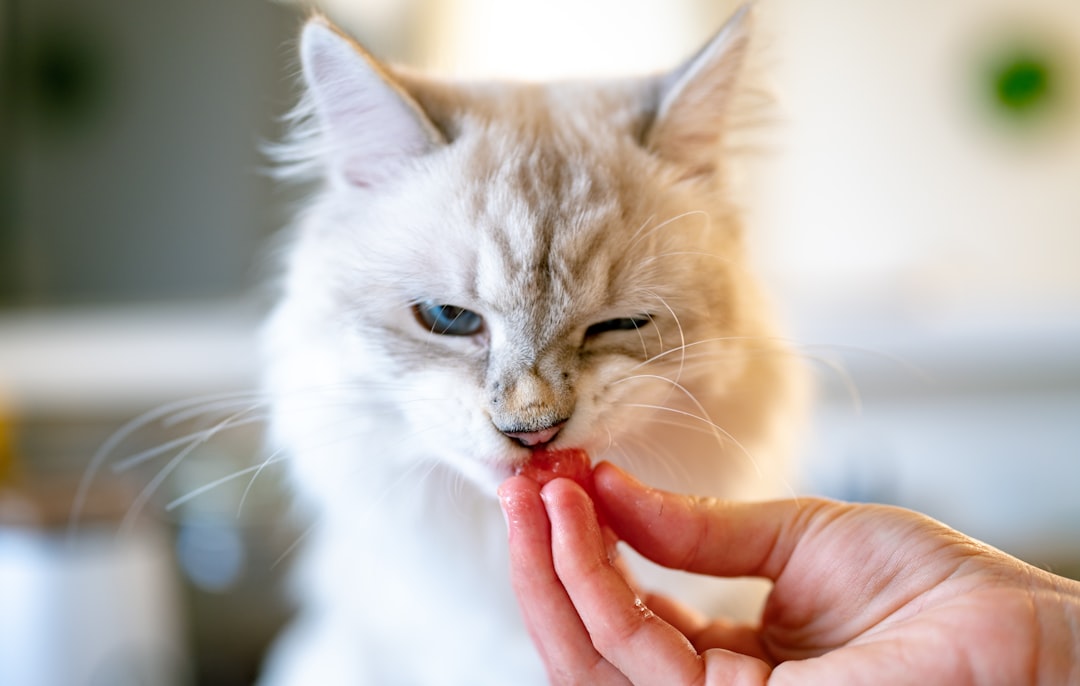
Rescue and shelter cats frequently arrive with unknown parasite histories, which is one reason a veterinary appointment in the first two weeks matters.
Our guides to how often a cat should see the vet and the first 30 days with a new cat cover that early appointment and what to raise at it.

Why prevention is the whole strategy
Heartworm in cats is different from heartworm in dogs in one decisive way: there is no approved treatment to kill adult worms in a cat.
The drug used in dogs is not safe in cats, and killing worms that are already established can cause a fatal reaction as they break down. Management is supportive — steroids for the airway inflammation, and time.
That leaves prevention as the only reliable intervention, and it is inexpensive relative to what it prevents.
- Monthly preventives are given year-round in the Central Valley, where mosquito season is long.
- Indoor-only cats are still at risk — a meaningful share of diagnosed cats never went outside.
- Preventives handle other parasites at the same time, so one product covers several problems.
- Missing doses matters more than in dogs, because there is no rescue treatment.
Our guide to intestinal worms in cats covers the parasites most combination preventives also cover.
Frequently Asked Questions
Can cats get heartworm?
Yes, though less commonly than dogs. Cats are atypical hosts so fewer worms survive, but a cat’s heart and lungs are small, so even one or two worms cause serious damage.
Can indoor cats get heartworm?
Yes. Transmission is by mosquito and mosquitoes come indoors — a substantial share of diagnosed cats are reported as indoor-only. Indoor living reduces exposure but does not eliminate it.
What does heartworm look like in cats?
Most often a respiratory problem — coughing, wheezing and laboured breathing — which is routinely mistaken for asthma. Sudden collapse or death is sometimes the first and only sign.
Is there a treatment for heartworm in cats?
No approved drug kills adult heartworms in cats, and the treatment used in dogs is unsafe for them. Management is supportive while the worms complete their natural lifespan.
Does a negative test rule out heartworm in a cat?
Not fully. Antigen tests detect adult females, so a cat with only male worms tests negative. Diagnosis in cats is usually built from several tests plus imaging rather than one result.
Can I use my dog’s heartworm preventive on my cat?
Never. Products must be species-specific and dosed by weight, and several canine parasite treatments contain permethrin, which is toxic to cats. Use a prescription feline product.