
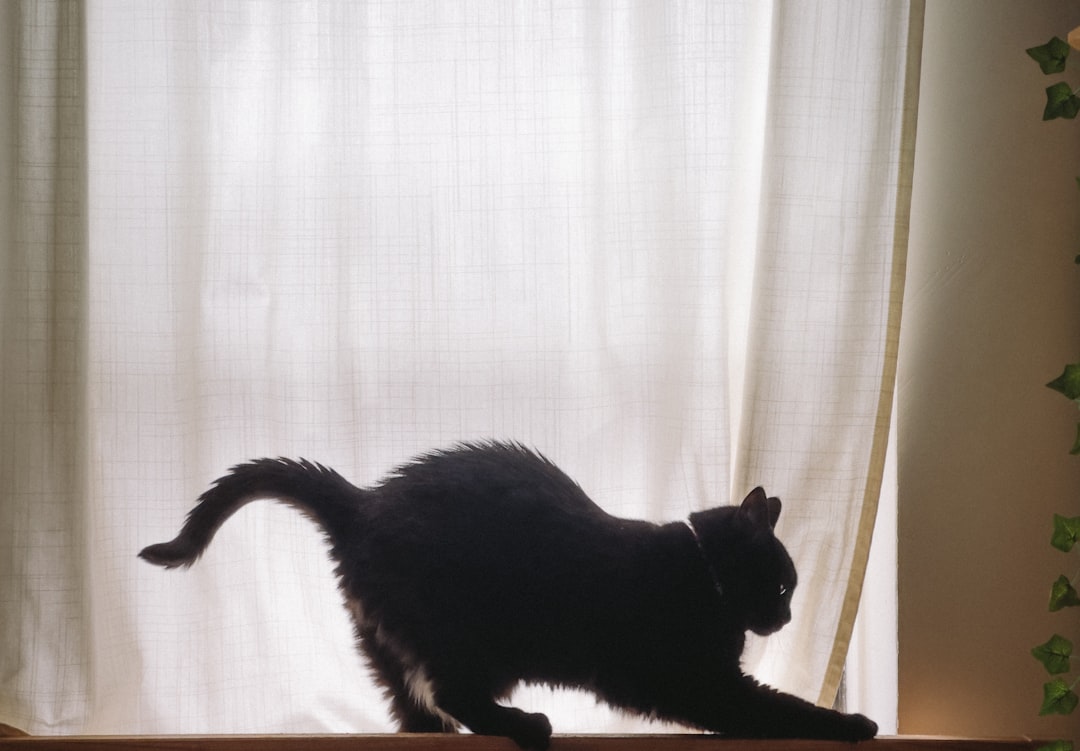
Feline asthma is common, treatable, and routinely mistaken for something harmless — because the cough looks almost identical to a cat trying to bring up a hairball.
The difference matters. A hairball resolves in seconds. Asthma is a chronic inflammatory airway disease that progresses if untreated, and it can become an emergency.
This is orientation for a veterinary conversation rather than a diagnostic guide.
The emergency first
Before anything else: open-mouth breathing or laboured breathing in a cat is always an emergency.
Cats do not pant like dogs. A cat breathing with its mouth open, or with visible effort through the abdomen, needs veterinary attention immediately rather than in the morning.
- Open-mouth breathing or panting.
- Visible abdominal effort with each breath.
- Blue or grey gums or tongue.
- Neck extended, elbows held away from the body.
- Unable to settle, or collapse.
Our guide to emergency vet care for cats in Fresno covers out-of-hours options. Do not delay to observe.
Hairball or asthma?
This distinction is the single most useful thing in this article, because it determines whether a cat gets diagnosed at all.
| Hairball attempt | Asthma cough | |
|---|---|---|
| Posture | Neck extended, body heaving | Crouched low, neck extended, elbows out |
| Outcome | Something is produced | Nothing produced, or a little foam |
| Duration | Seconds | Repeated bouts over minutes |
| Frequency | Occasional | Recurring, often worsening |
| Sound | Retching | Dry, wheezy, honking |
| After | Cat returns to normal immediately | May stay quiet or breathe faster |
The key question is whether anything comes up. Repeated coughing that produces nothing is not a hairball, however much it looks like one.
A phone video of an episode is genuinely valuable at the appointment, since cats rarely oblige in a consulting room.
What is actually happening
Asthma is an allergic inflammatory condition. The airways become inflamed, the muscle around them constricts, and mucus production increases.
The result is narrowed airways that are harder to move air through, particularly on the way out. That is why the wheeze is typically on exhalation.
It is chronic. Between episodes a cat can appear entirely normal, which is another reason it goes undiagnosed.
The Merck Veterinary Manual pet owner section covers the clinical picture.
Central Valley triggers
This region has a genuinely difficult air-quality profile for asthmatic cats, and seasonal patterns are worth anticipating.
| Trigger | Seasonality | What helps |
|---|---|---|
| Wildfire smoke | Summer and autumn | Indoors, recirculate AC, air purifier |
| Agricultural dust | Harvest periods | Keep windows closed on windy days |
| Pollen | Spring | Limit outdoor access during peaks |
| Dusty cat litter | Year-round | Switch to low-dust or pellet litter |
| Aerosols and air fresheners | Year-round | Remove entirely |
| Cigarette smoke | Year-round | Not in the house, at all |
| Scented cleaning products | Year-round | Unscented alternatives |
Litter is the trigger owners most often overlook. Dusty clay litter creates a cloud the cat inhales directly, several times a day, at close range.
Our comparison of cat litter types covers the low-dust options, and wildfire and smoke preparation covers the seasonal air-quality problem.
Diagnosis
There is no single test. Diagnosis is usually built from history, examination, chest imaging and ruling out the alternatives.
Heartworm, lungworm, heart disease and infection can all produce similar signs, and distinguishing them changes treatment entirely.
Our guide to worms in cats covers lungworm, which is easily mistaken for asthma.
Treatment
Treatment is long-term management rather than cure, and most cats do well on it.
- Corticosteroids to reduce airway inflammation — the mainstay.
- Bronchodilators to open the airways, often for rescue use.
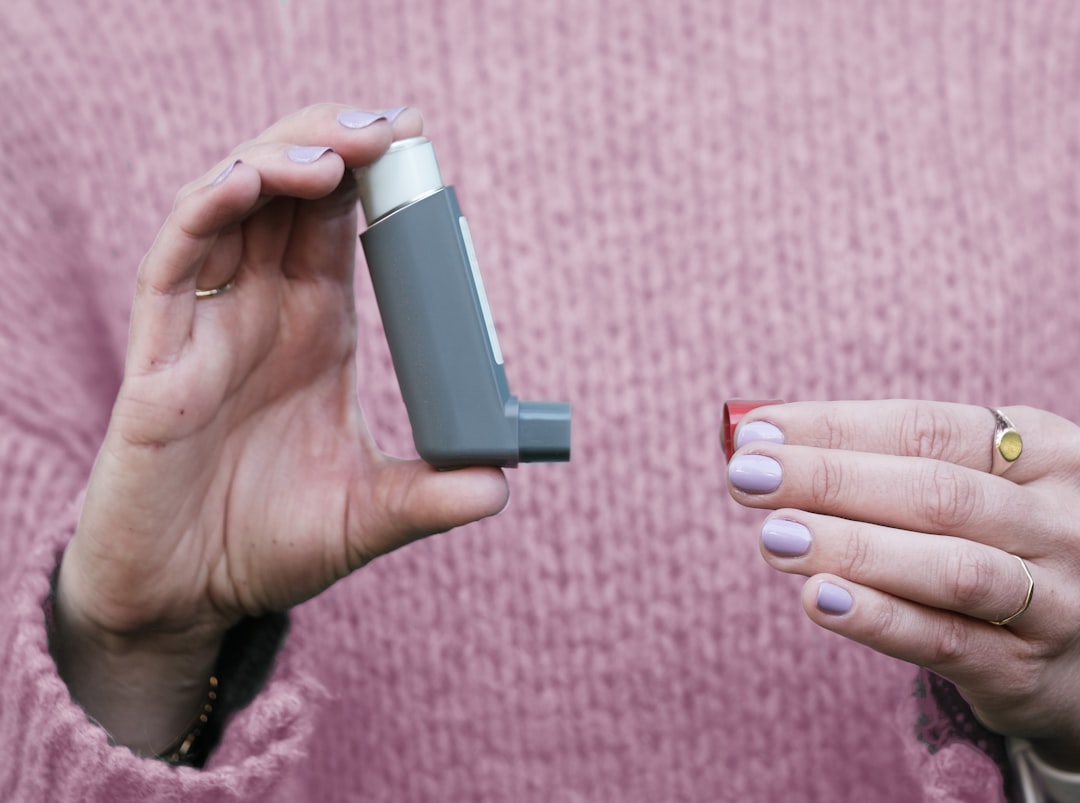
- Inhaled medication via a feline spacer, which reduces systemic side effects.
- Trigger removal, which is the part you control.
- Weight management, since excess weight worsens breathing.

Inhalers surprise owners, and most cats accept them better than expected. A spacer chamber with a soft mask is held over the face for a few breaths, and cats generally tolerate it within a week or two of gradual introduction.
Never give a cat human asthma medication without veterinary direction. Doses and formulations differ, and some human preparations are harmful.
Managing an episode at home
Your vet should give you a specific plan. In general terms:
- Stay calm — stress worsens breathing.
- Move the cat to cool, clean, still air.
- Use the rescue inhaler if one has been prescribed.
- Do not restrain or handle more than necessary.
- If breathing does not settle quickly, go to the vet.
Never wait out an episode that is not improving. Cats decompensate quickly once breathing is compromised.
Living with an asthmatic cat
Most cats with well-managed asthma live normal lives, and the practical burden is modest once a routine is established.
Keep a simple log of episodes — date, duration, likely trigger. Over months that reveals patterns and guides dose adjustments.
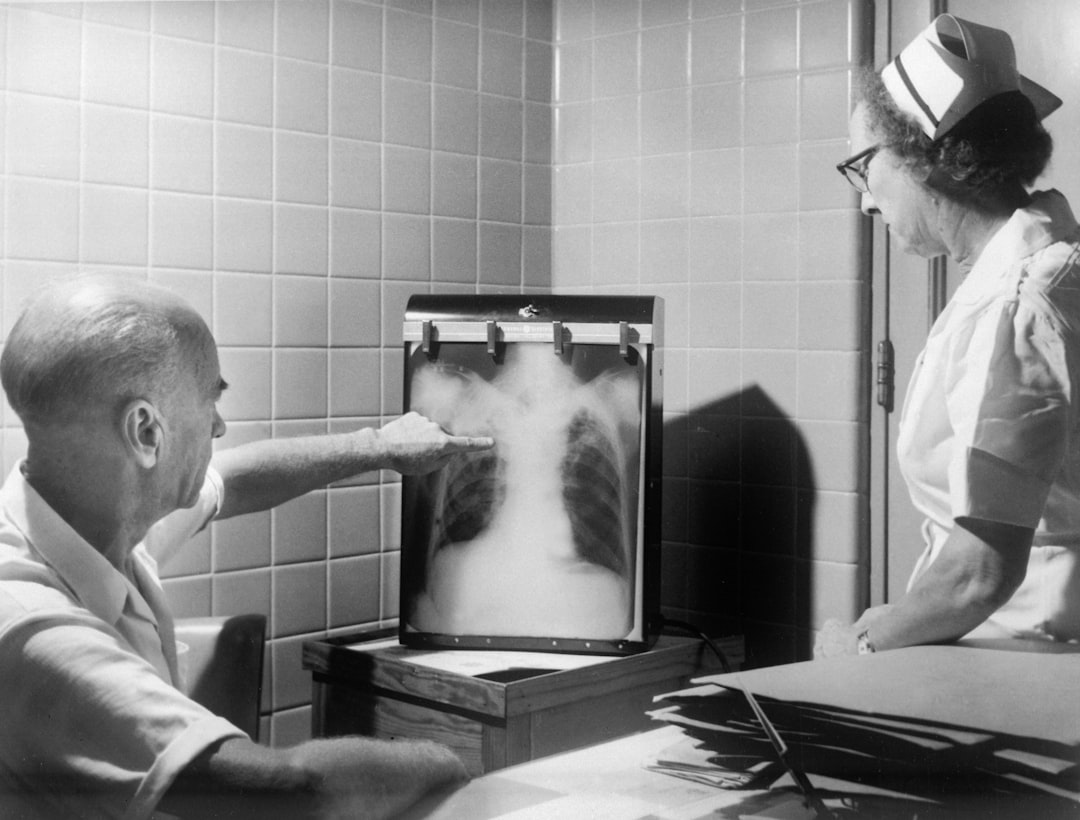
Expect periodic veterinary review, and expect the dose to change seasonally in a region with this air quality.
Our guide to how often a cat should see the vet covers monitoring a chronic condition.
Adopting a cat with asthma
Asthmatic cats wait longer than they should, largely because the word sounds alarming.
In practice it is one of the more manageable chronic conditions — no injections, no strict twelve-hour schedule, and a good response to treatment in most cats.
Ask the rescue about current medication and cost, how often episodes occur, what triggers have been identified, and whether the cat accepts an inhaler.
Our guide to adopting a special needs cat compares conditions by daily demand.
Tracking episodes properly
Asthma is managed on patterns rather than single events, and a short log turns vague impressions into something a vet can act on.
- Date and rough time of each episode.
- How long it lasted and whether rescue medication was used.
- What the cat had been doing beforehand.
- Air quality that day, and whether windows were open.
- Any recent change — new litter, cleaning product, building work.
Over a few months this usually reveals a trigger nobody had suspected, and it guides seasonal dose adjustments in a region with this air quality.
Frequently Asked Questions
Is my cat coughing or trying to bring up a hairball?
Ask whether anything is produced. A hairball attempt produces something within seconds; repeated coughing that produces nothing, in a crouched posture with the neck extended, suggests asthma.
When is cat breathing an emergency?
Open-mouth breathing, visible abdominal effort, blue or grey gums, or a neck-extended posture with elbows out. Cats do not pant like dogs — any of these needs immediate veterinary attention.
What triggers feline asthma in the Central Valley?
Wildfire smoke, agricultural dust, pollen, dusty cat litter, aerosols, cigarette smoke and scented cleaning products. Litter is the most commonly overlooked, since cats inhale it at close range daily.
Can cats use inhalers?
Yes, and most tolerate them better than owners expect. A spacer chamber with a soft mask is held over the face for a few breaths, usually accepted within a week or two of gradual introduction.
Can I give my cat human asthma medication?
Not without veterinary direction. Doses and formulations differ between species and some human preparations are harmful to cats. Your vet will prescribe feline-appropriate treatment.
Can feline asthma be cured?
No, but it is manageable. Treatment reduces airway inflammation and most cats with well-controlled asthma live normal lives. Expect long-term medication and seasonal dose adjustments.