
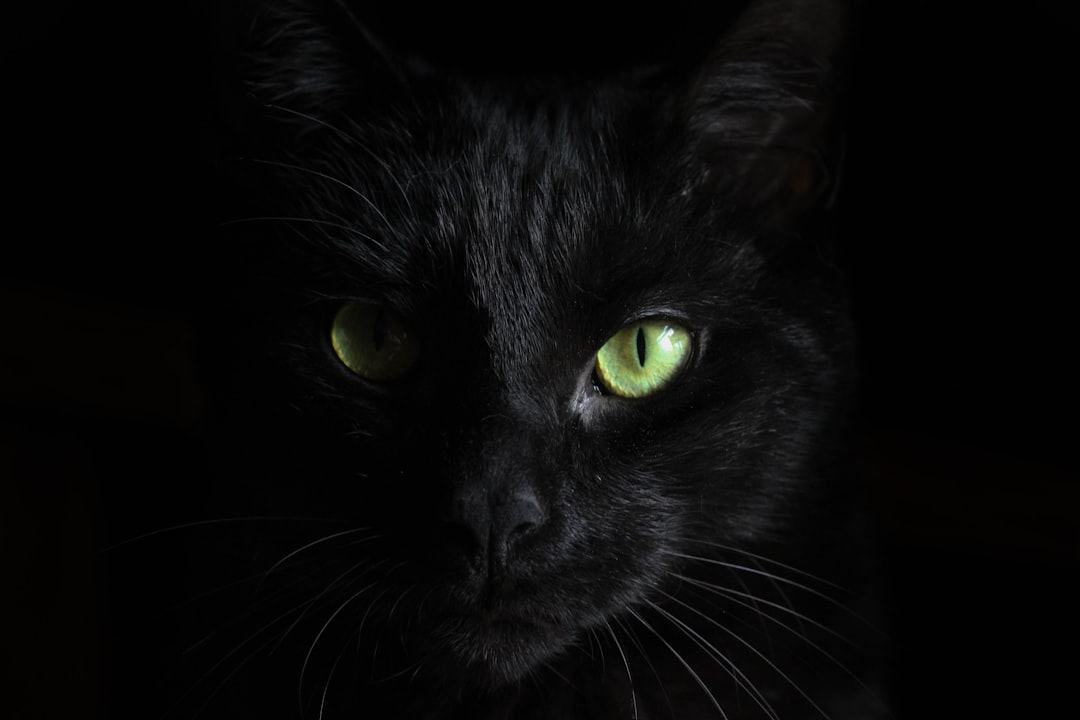
Black cats wait an average of 2.25 days longer to be adopted than cats of any other color, and that gap widens further for black adult cats specifically, according to peer-reviewed shelter research. It’s not superstition driving this — it’s something far more fixable: photos and lighting. Here’s what the data actually shows, and why it’s worth looking past a black cat’s coat before you decide.
The Actual Numbers
| Finding | What the Research Shows |
|---|---|
| Average adoption delay | ~2.25 days longer than non-black cats |
| Delay for black adult cats | Up to nearly 6 days longer in some studies |
| Euthanasia likelihood | Slightly higher for black cats in large shelter datasets (e.g., an 8,000-cat Kentucky study) |
| Link to superstition | Not strongly supported by research — practical factors matter more |
This isn’t a small or anecdotal effect — it shows up consistently across multiple independent shelter studies, according to research covered by Colorado State University, which is what makes it worth actually addressing rather than dismissing as folklore.
Why It Actually Happens
The leading explanation isn’t superstition — it’s emotion-reading and photography. Research covered by Psychology Today found that participants more often described black cats as looking fearful or angry in photos, and reported lower confidence interpreting their expressions at all, compared to lighter-colored cats in identical poses.
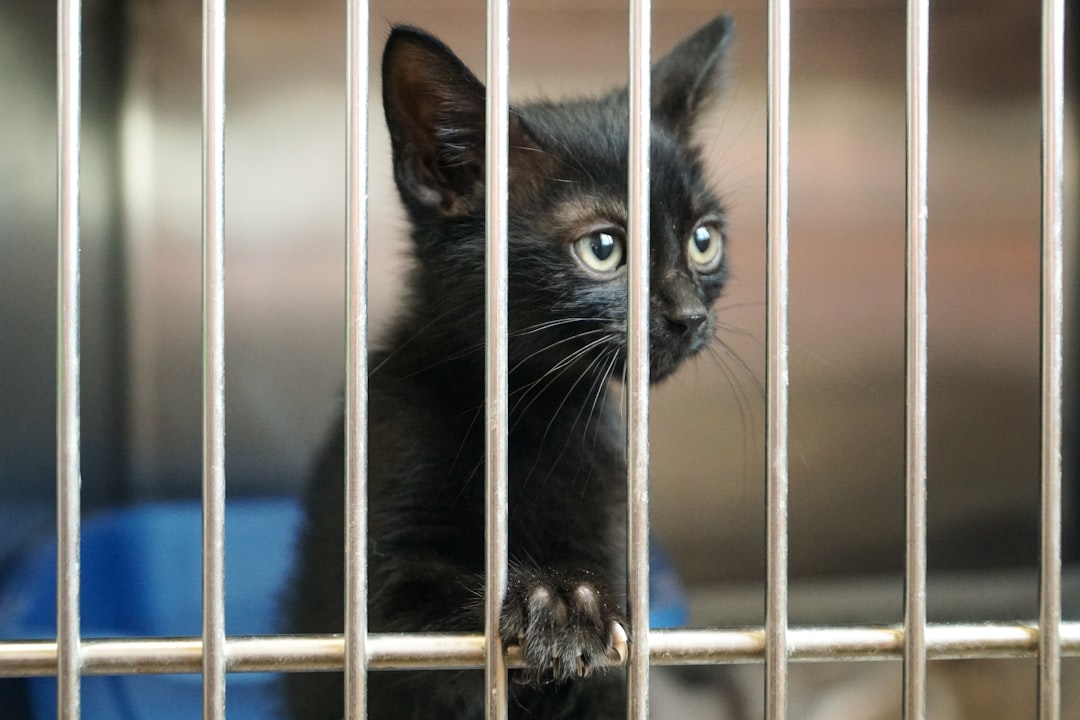
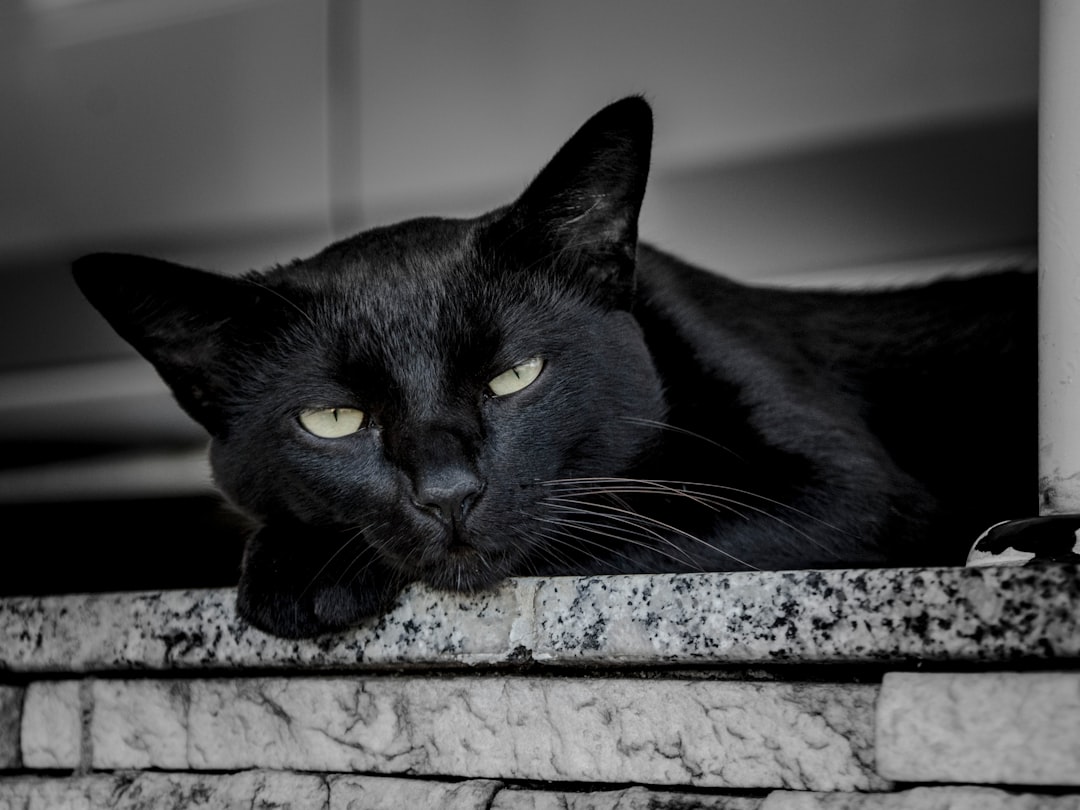
- Black fur absorbs light rather than reflecting it, flattening detail in photos and making facial features harder to read
- Dim shelter lighting, common in kennel areas, makes this effect worse
- A cat that looks tense or unreadable in a photo gets passed over, regardless of its actual personality
- Shelters photographing black cats without adjusting for lighting inadvertently make otherwise adoptable cats look less approachable online
Debunking the Superstition Myth
Black cat superstition in Western culture dates back centuries — to medieval associations with witchcraft, and later folklore about bad luck. But research specifically testing whether superstitious belief predicts lower interest in adopting a black cat hasn’t found a strong connection. People who say they don’t believe in superstition show the same adoption hesitancy as those who do.
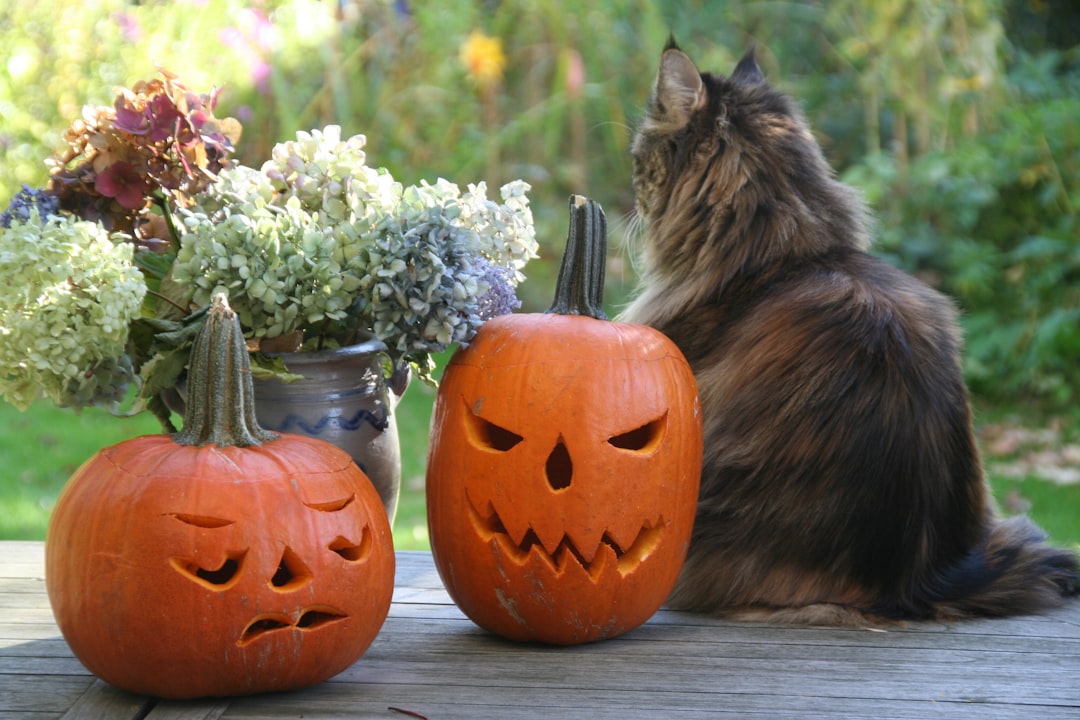
Worth noting: not every culture even shares the superstition. In parts of the UK, a black cat has historically been considered a sign of good luck, and in Japan, black cats are traditionally associated with good fortune — the “unlucky black cat” idea is far from universal.
Black Cats and Halloween: A Real Seasonal Risk
Beyond the general adoption gap, many shelters and rescues pause black cat adoptions in the weeks leading up to Halloween, out of concern the cat could be adopted as a temporary prop or used in a way that puts it at risk, then abandoned or surrendered afterward. Whether or not this exact pattern happens as often as folklore suggests, the caution itself reflects how much extra scrutiny black cats face compared to other cats — one more example of the color mattering more than it should.
What a Black Cat’s Personality Actually Depends On
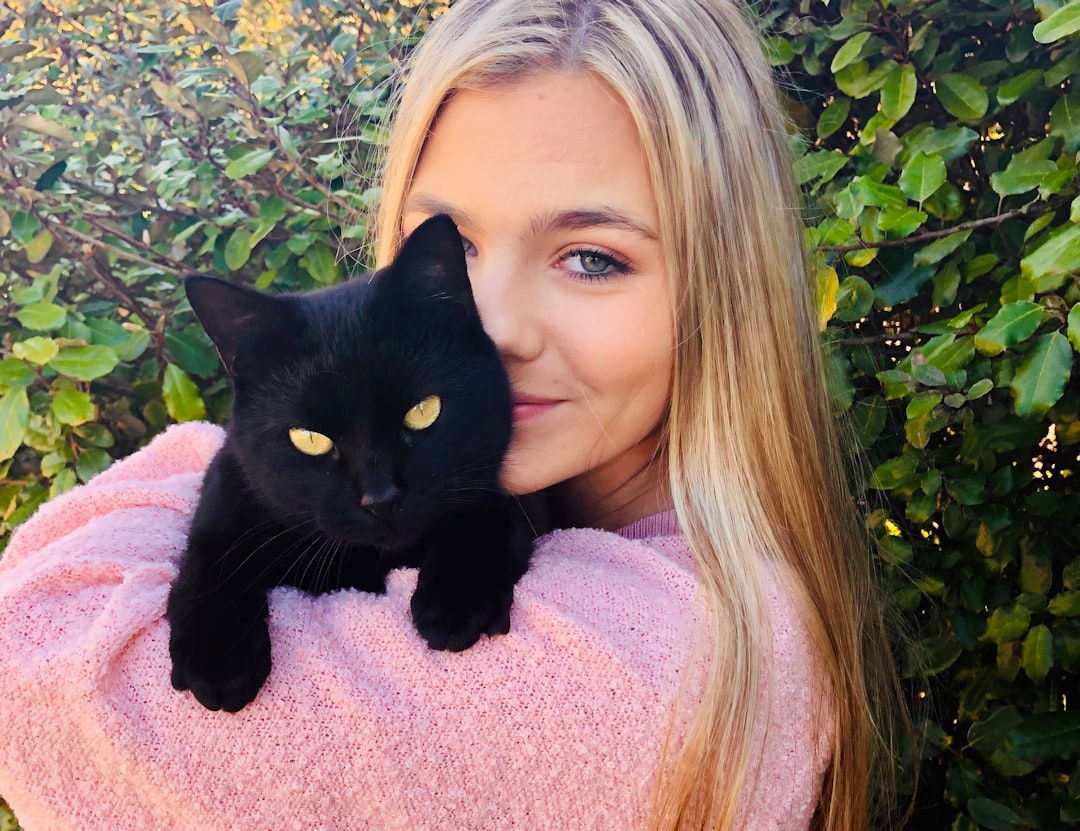
Coat color has no established link to temperament. A black cat’s personality is shaped by the same things that shape any cat’s — early socialization, individual genetics, and life experience — not the color of its fur. A shy black cat and an outgoing black cat are just as different from each other as any two cats of any color would be; there’s no single “black cat personality” to expect.
How to Judge a Black Cat Fairly
- Meet the cat in person under good lighting rather than relying only on a photo
- Ask the shelter or foster directly about the cat’s personality — they’ll know far more than any photo can show
- Give the cat a few minutes to relax before judging its demeanor; shelter environments are stressful for any cat, regardless of color
- Consider that black cats are statistically the least likely to already have interested adopters lined up, meaning less competition for you
What Rescues Can Actually Do About It
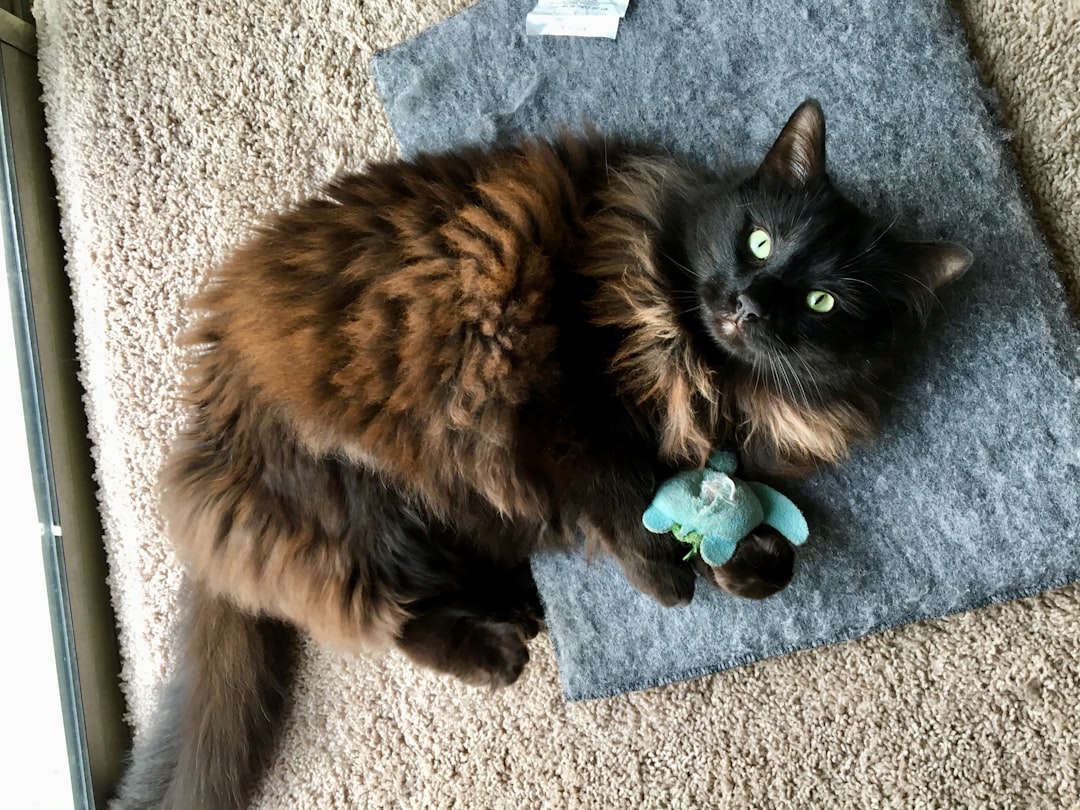
- Photograph black cats in natural light or with a plain, contrasting background rather than a dim kennel setting
- Take multiple photos capturing different angles and moments, since a single flat photo is more likely to misrepresent the cat
- Write detailed, specific personality descriptions that don’t rely on the reader inferring mood from a photo alone
- Highlight black cats specifically during listing rotations or events, rather than letting them blend into a long list of available cats
None of this requires new research or funding — it’s a matter of applying what’s already known about why the gap exists.
Adopting a Black Cat Near You
Black cats make up a meaningful share of the cats that come through Cats By The Tracks’ adoption program — and given how much longer they typically wait, they’re often among the ones who’ve been in foster care the longest. If you’re weighing which cat to adopt, our guides to adopting vs. fostering and adopting a senior cat cover other commonly overlooked categories worth a second look too.
Frequently Asked Questions
Do black cats really get adopted less?
Yes. Research on shelter data confirms black cats take an average of about 2.25 days longer to be adopted than cats of other colors, with the gap widening further for black adult cats specifically.
Is black cat bias caused by superstition?
Research hasn’t found a strong link between superstition and lower adoption rates. The bigger factors appear to be practical: black cats are harder to photograph well, and people report more difficulty reading their facial expressions in photos.
Are black cats less friendly than other cats?
No. There’s no behavioral or personality difference tied to coat color. A black cat’s temperament is shaped by its individual experiences and genetics, exactly like any other cat.
What can shelters do to help black cats get adopted faster?
Better lighting and photography specifically suited to dark fur, along with descriptive personality write-ups that don’t rely on facial expression alone, are the most evidence-backed interventions.
Meet Our Adoptable Cats — Including the Overlooked Ones
Cats By The Tracks is a 501(c)(3) foster-based rescue serving Fresno and the Central Valley. Every cat, regardless of color, gets the same care and consideration.