
Fostering gets most of the attention in rescue volunteer recruitment, but it’s far from the only way to genuinely help — and it’s not realistic for everyone’s living situation. Here’s what else is available.
Direct Animal Care
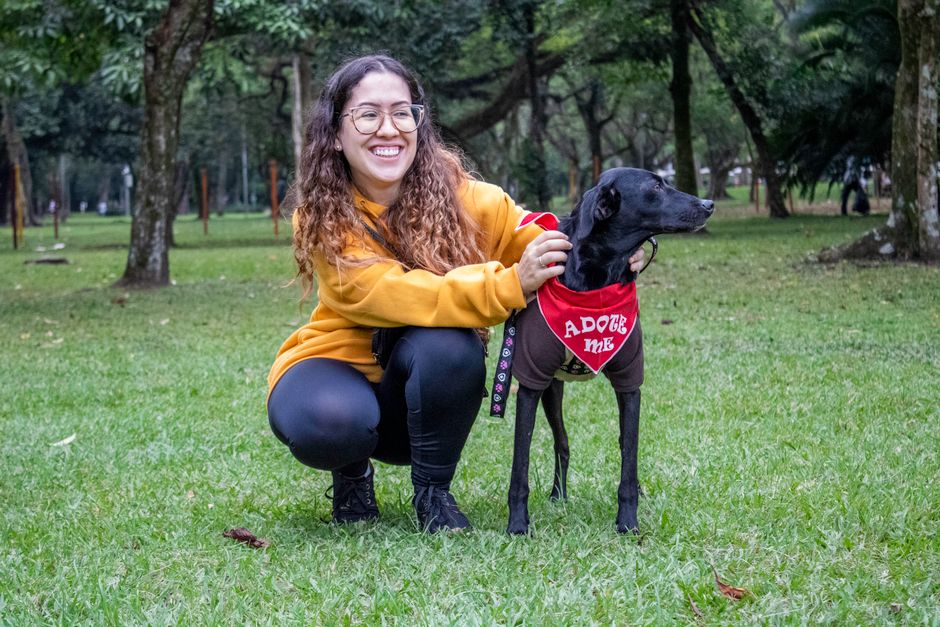
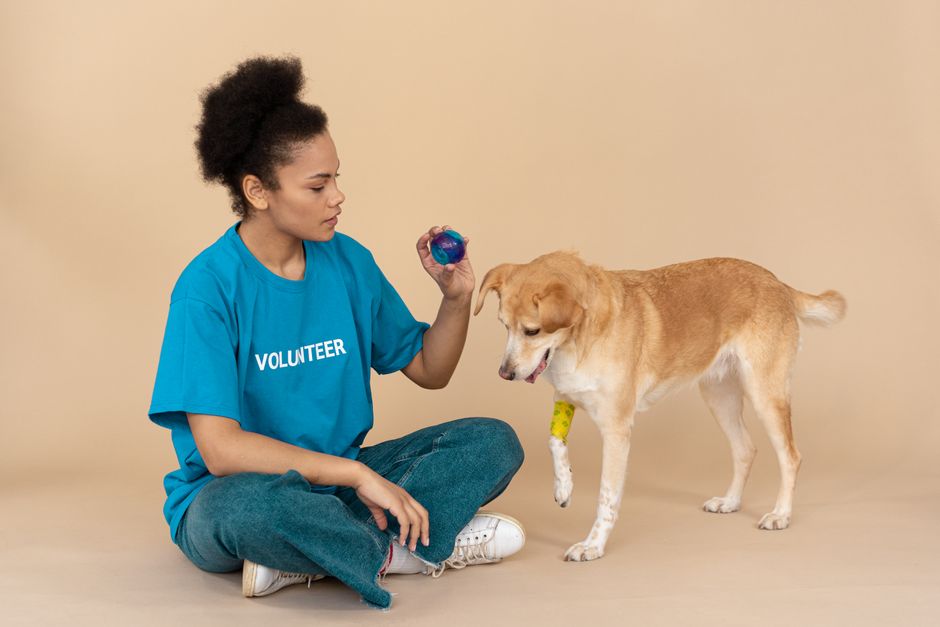
Walking, playing with, and socializing shelter animals is some of the most direct hands-on help you can offer without taking an animal home. Providing quiet company to an adoptable cat, or taking a shelter dog on a field trip or car ride, gives animals meaningful stimulation and human contact they might not otherwise get.
Transportation and Rescue Support
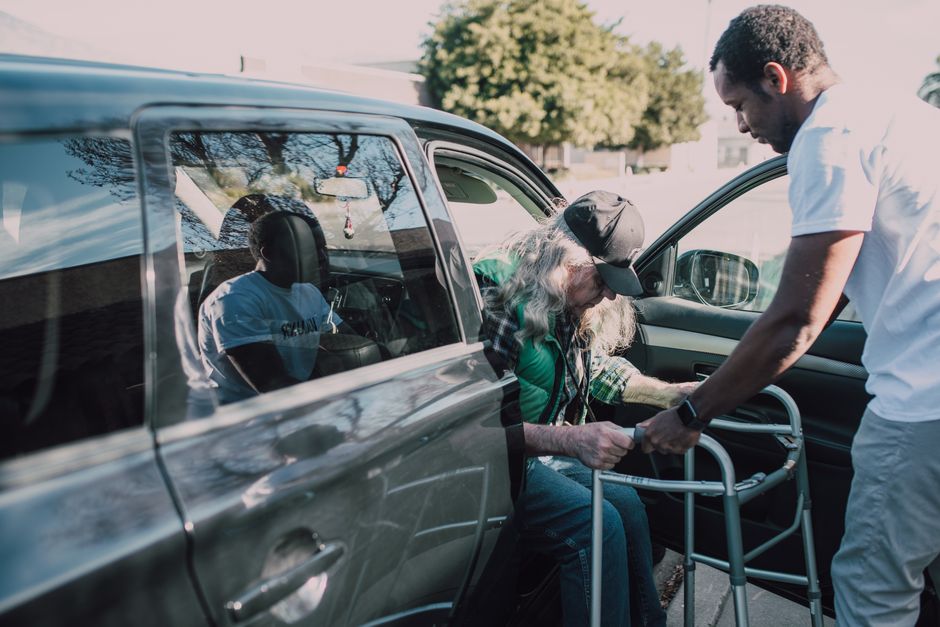
Transport volunteering — driving an animal to or from a spay/neuter clinic appointment, or assisting with a rescue mission for an animal in urgent need — can be as small a commitment as a single one-way drive, making it one of the more flexible ways to contribute.
Adoption and Event Support
Helping at adoption events — nearly a weekly occurrence for many rescues — covers everything from greeting visitors to handling logistics. Photography and videography for adoptable animals is another specific, valuable skill that directly improves a cat’s chances of getting noticed online.

Administrative and Facility Work
Not every volunteer role involves animals directly. Office tasks, marketing, laundry and dishes, sweeping and mopping, or general handyman and grounds maintenance work all keep a rescue running — and these tasks are often chronically understaffed compared to the more visible animal-facing roles.

Advocacy
Advocating for legislative and public policy protections for animals is a less hands-on but genuinely impactful way to help, particularly for people who want to contribute at a systemic level rather than one animal at a time.
Finding the Right Fit
- Direct animal care: socialization, playtime, field trips for shelter animals
- Transport: driving to clinic appointments or rescue transfers
- Events: adoption day support, photography, videography
- Administrative: office tasks, marketing, cleaning, facility maintenance
- Advocacy: legislative and policy work
If fostering does interest you down the line, our beginner’s guide to fostering kittens covers what that specific commitment involves.
Matching Your Skills to a Role
Before signing up for the first available slot, take stock of what you’re actually good at and enjoy — a natural extrovert who loves talking to strangers might thrive at adoption events, while someone who prefers quiet, focused work might find deep satisfaction in behind-the-scenes administrative tasks instead. Rescues generally get better long-term retention from volunteers matched to roles that fit their personality, rather than volunteers who took whatever slot was open and burned out doing something that didn’t suit them.
Short-Term vs. Ongoing Commitments
Not every volunteer role requires an ongoing weekly commitment. Transport driving and event support are often one-off or occasional tasks you can pick up as your schedule allows, while administrative roles and regular socialization visits tend to work better as a standing weekly or biweekly commitment that builds consistency for the animals and the organization alike. Being upfront with a rescue about how much time you can realistically offer, rather than overcommitting, sets a healthier long-term working relationship from the start.
How Volunteering Builds Real Skills
Beyond the direct benefit to the animals, volunteering often builds genuinely transferable skills — event coordination, basic marketing and photography, customer service through adoption counseling, or leadership experience for anyone who takes on a coordinator role over time. Many volunteers list this experience on résumés or use it as a stepping stone into paid animal welfare work, making the time investment valuable well beyond the immediate cause.
Volunteering as a Family Activity
Several of these roles are genuinely suitable for families volunteering together, particularly event support and some administrative tasks, giving kids exposure to animal welfare work without the day-to-day responsibility of fostering an animal in the home. Rescues often welcome younger volunteers accompanied by a parent, which can be a meaningful way to introduce children to community service alongside a cause they’re likely already excited about.
What to Ask Before You Sign Up
- What time commitment does this specific role typically require?
- Is there training or an orientation before my first shift?
- Who do I contact if I need to cancel or reschedule a commitment?
- Are there opportunities to try a few different roles before settling into one?
Asking these questions upfront helps set realistic expectations on both sides, and most rescue coordinators appreciate a volunteer who’s thought through their own availability and interests before committing, rather than signing up impulsively and dropping off after a single shift.
Volunteering When You Have Limited Time
If your schedule genuinely only allows for a few hours a month, don’t assume that’s not enough to be useful — a single transport run, one adoption event shift, or a handful of photography sessions per month all add real, tangible value, even without a large weekly time commitment. Rescues generally structure their volunteer needs around exactly this kind of variability, since most volunteers are balancing this alongside work, school, or family responsibilities rather than treating it as a full-time role.
Growing Into a Leadership Role
Many rescue coordinator and even board positions are filled by people who started as regular volunteers in a specific, smaller role and gradually took on more responsibility as they demonstrated reliability and interest. If you find yourself drawn to a bigger role after volunteering for a while, expressing that interest directly to rescue leadership is usually welcomed — organizations running on limited staff are often looking for exactly this kind of internal growth rather than needing to recruit a completely new person for every open leadership position.
Whatever role you choose, showing up reliably is the single most valuable thing any volunteer can offer a rescue running on limited staff and stretched resources.
Writing is another role rescues rarely have enough of. Our guide to writing adoption profiles that actually get cats adopted covers what to include and the clichés that make every listing sound the same.
If you have a profession, that is frequently worth more than another pair of hands. Our guide to donating professional skills to a rescue covers what small organisations cannot otherwise afford.
Frequently Asked Questions
What if I want to help but can’t take an animal home at all?
Plenty of roles never require housing an animal — socialization visits at the shelter, transport driving, event support, and administrative work are all hands-off-home options.
Do rescues need volunteers with non-animal skills?
Yes — photography, graphic design, marketing, and general office or administrative support are all genuinely valuable and often in short supply.
Is transport volunteering a big time commitment?
It can be as small as a single one-way drive to a spay/neuter clinic appointment, making it one of the more flexible, low-commitment ways to help.
Can volunteering lead to a bigger role over time?
Often, yes — many long-term volunteers and even staff started with a small, specific task before taking on more responsibility as they got more involved.
Find Your Role With Us
Cats By The Tracks has volunteer roles beyond fostering, for every schedule and skill set.