
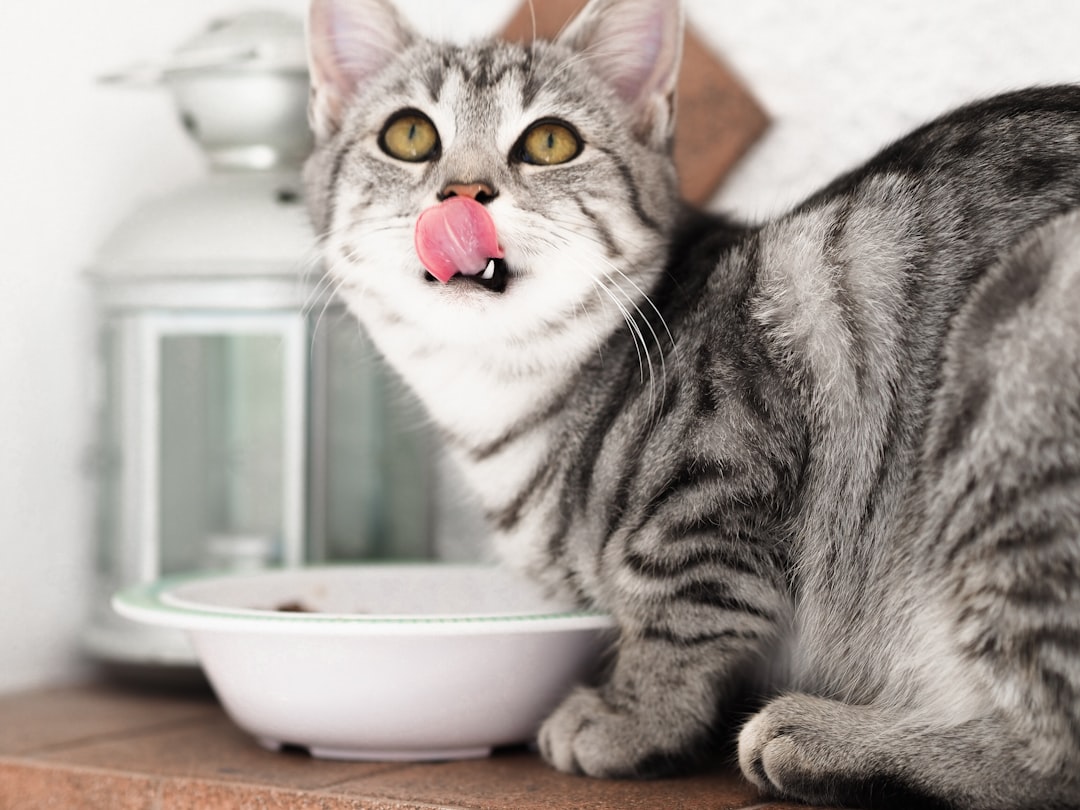
Wet or dry is the most common question new adopters ask, and the answer is genuinely contested even among vets.
Most advice you find online is published by companies that sell one of the two. Here is a comparison that is not.
The short answer
For most healthy cats, either works when the food is complete and balanced and portions are controlled. The differences matter most at the margins — urinary health, weight, dental disease and budget.
A mixed routine captures most of the benefits of both, which is why many vets suggest it.
Head to head
| Factor | Wet food | Dry food |
|---|---|---|
| Moisture content | Around 70–80% | Around 6–10% |
| Cost per day | Higher | Lower |
| Calorie density | Lower — easier weight control | Higher — easier to overfeed |
| Convenience | Refrigerate, serve fresh | Shelf stable, easy to measure |
| Suits free-feeding | No — spoils in hours | Yes, though not advisable |
| Palatability for fussy cats | Usually higher | Variable |
| Puzzle feeder compatible | Rarely | Yes |
| Typical protein as fed | Higher | Lower, more carbohydrate |
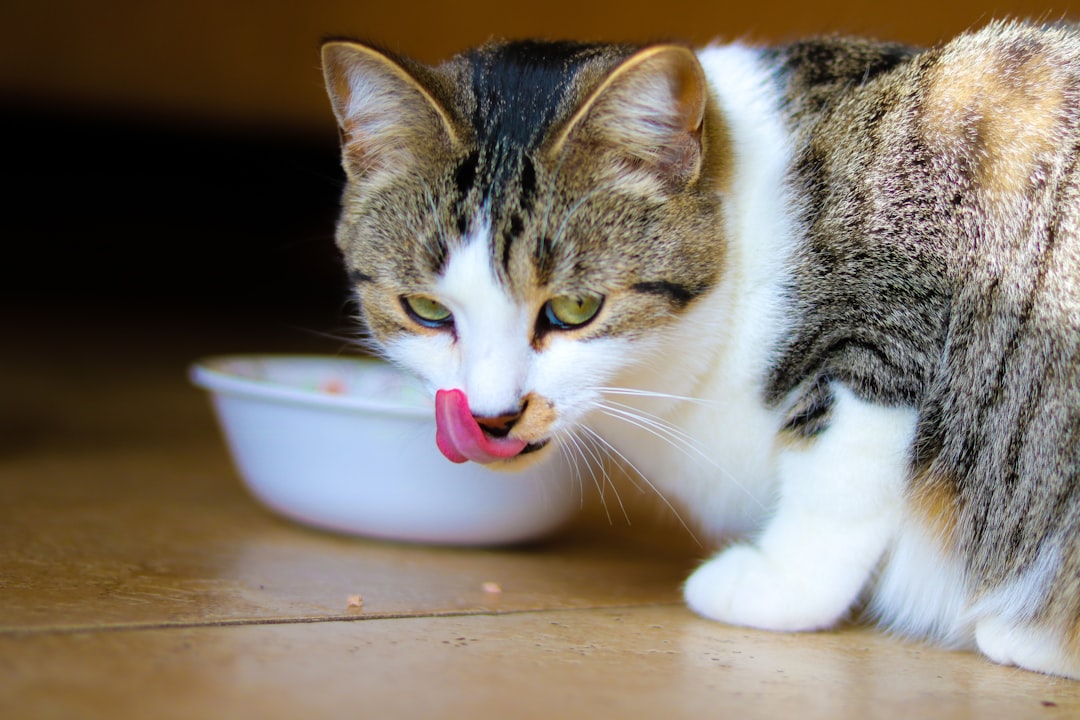
The hydration argument
This is the strongest point in favour of wet food, and it is a genuine physiological one.
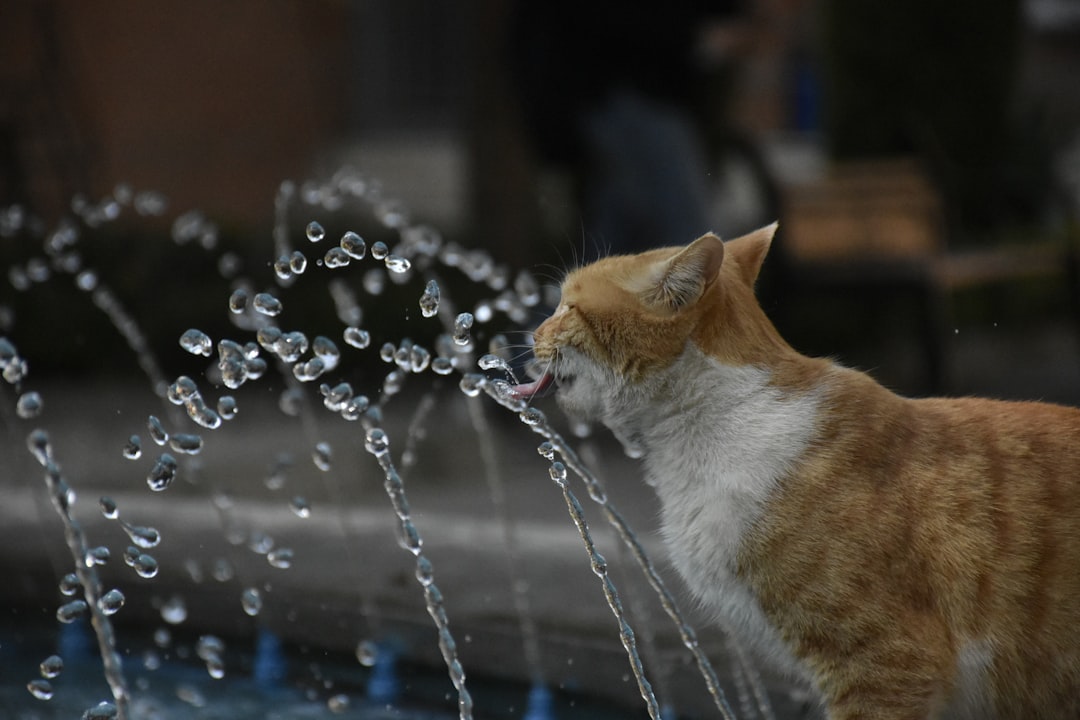
Cats descend from desert animals and have a weak thirst drive. In the wild they take most of their water from prey, which is roughly 70% moisture — almost exactly what canned food provides.
Cats fed dry food alone often do not fully compensate by drinking, which leaves them at a lower total water intake.
That matters for cats prone to urinary tract disease or kidney problems. The Cornell Feline Health Center covers feline nutrition and water requirements in detail.
Does dry food clean teeth?
Mostly no. This is the most persistent myth in cat feeding.
Standard kibble shatters on contact rather than scraping the tooth surface, and most cats swallow it with minimal chewing. It has little meaningful abrasive effect.
Specific veterinary dental diets are different — they use larger, fibre-aligned kibble designed to resist shattering, and those do have evidence behind them.
For ordinary food, dental disease is managed by brushing and professional cleaning, not by texture. Our cat dental health guide covers what actually works.
Weight management
Feline obesity is common and consequential, raising the risk of diabetes, arthritis and liver disease.
Dry food is more calorie-dense per gram and easier to overfeed, particularly when left out all day. Wet food delivers more bulk for the same calories, which helps a cat feel full.
That said, portion control beats food type every time. A measured dry ration is better than unmeasured wet.
The cost difference
This is where dry food wins clearly, and for many households it is decisive.
| Feeding approach | Relative daily cost | Practical notes |
|---|---|---|
| Dry only | Lowest | Add a water fountain to encourage drinking |
| Dry base plus one wet meal | Moderate | Common compromise, good balance |
| Half and half | Higher | Good hydration, manageable cost |
| Wet only | Highest | Best hydration, most expensive and least convenient |
| Prescription diet | Highest of all | Only when medically indicated |
Our breakdown of the annual cost of owning a cat puts food in the context of the whole budget.

A practical mixed routine
For most healthy adult cats, this is the sensible default.
- Feed a measured wet meal morning and evening.
- Offer a measured dry portion alongside, or in a puzzle feeder during the day.
- Weigh or measure both — guessing is how cats gain weight.
- Provide fresh water in a wide bowl away from the food.
- Adjust total quantity by body condition, not by what the packet says.
Puzzle feeders work only with dry food, and they are genuinely valuable for indoor cats. Slowing eating and adding foraging effort reduces boredom and begging.
When the choice is not yours
Some cats need a specific diet, and preference stops being relevant.
- Urinary crystals or blockages — wet or prescription urinary diets are usually indicated.
- Chronic kidney disease — moisture and controlled phosphorus matter.
- Diabetes — low-carbohydrate wet food is frequently recommended.
- Dental extractions — wet food during recovery.
- Poor appetite in senior cats — warmed wet food is more tempting.
Never switch a cat off a prescription diet without asking the vet who prescribed it.
Changing food safely
Whatever you choose, transition over five to seven days, increasing the proportion of new food gradually. Abrupt changes commonly cause diarrhoea.
Cats are also neophobic about food and can refuse a change outright. Warming wet food slightly, or mixing a little of the new into the old, usually solves it.
If you have recently adopted, keep the shelter’s food for the first fortnight and change only once the cat has settled. Our first 30 days with a new cat guide covers why timing matters.
Reading the label properly
The marketing on the front is designed to sell. The information that matters is on the back, and it is mostly two lines.
Look for a statement that the food is complete and balanced for the relevant life stage. That single sentence matters more than any ingredient claim on the front of the pack.
- Life stage: kitten, adult or all life stages — kittens need higher energy and protein.
- Feeding guidelines by weight, which are a starting point rather than an instruction.
- Calorie content per can or cup, which is the only way to compare products fairly.
- “Complementary” or “for intermittent feeding” — treats, not meals.
- Grain-free claims, which carry no proven benefit for most cats.
Grain-free is largely a marketing category. Genuine grain allergies in cats are uncommon, and the replacement carbohydrates are not inherently better.
Feeding kittens and senior cats
Kittens
Kittens need substantially more calories per kilogram than adults and should eat food formulated for growth until around twelve months.
Feed frequently — three or four measured meals a day — rather than one large portion, and do not restrict a growing kitten the way you would an overweight adult.
Senior cats
Older cats often lose weight rather than gain it, and reduced appetite is common. Warming wet food slightly releases aroma and frequently restarts a stalled appetite.
Any unexplained weight loss in an older cat warrants a vet visit rather than a food change — kidney disease, hyperthyroidism and dental pain all present this way.
Our cat dental health guide covers pain that stops cats eating, and our case for adopting a senior cat covers what older cats need generally.
Diet becomes clinical rather than preferential for some cats. Our guides to feline diabetes and cat urinary problems cover the two conditions where the wet-versus-dry choice matters most.
Frequently Asked Questions
Is wet or dry food better for cats?
For most healthy cats either works if it is complete, balanced and portioned. Wet food is better for hydration and weight control; dry is cheaper and more convenient. A mix suits most households.
Does dry food clean a cat’s teeth?
Ordinary kibble does very little — it shatters rather than scraping, and most cats barely chew. Specific veterinary dental diets are designed differently and do have evidence behind them.
Do cats on dry food drink enough water?
Often not fully. Cats have a weak thirst drive and evolved to take most of their water from prey. Cats fed dry only frequently have lower total water intake than those fed wet.
Can I feed both wet and dry food?
Yes, and it is a sensible default. A measured wet meal morning and evening with a measured dry portion or puzzle feeder captures the hydration benefit and the convenience.
Which food is better for an overweight cat?
Wet food is usually easier for weight loss because it is less calorie-dense and more filling. Portion control matters more than food type, however — a measured dry ration works too.
How do I switch my cat’s food?
Over five to seven days, mixing an increasing proportion of the new food each day. Cats are neophobic about food, so warming wet food slightly often helps overcome initial refusal.