
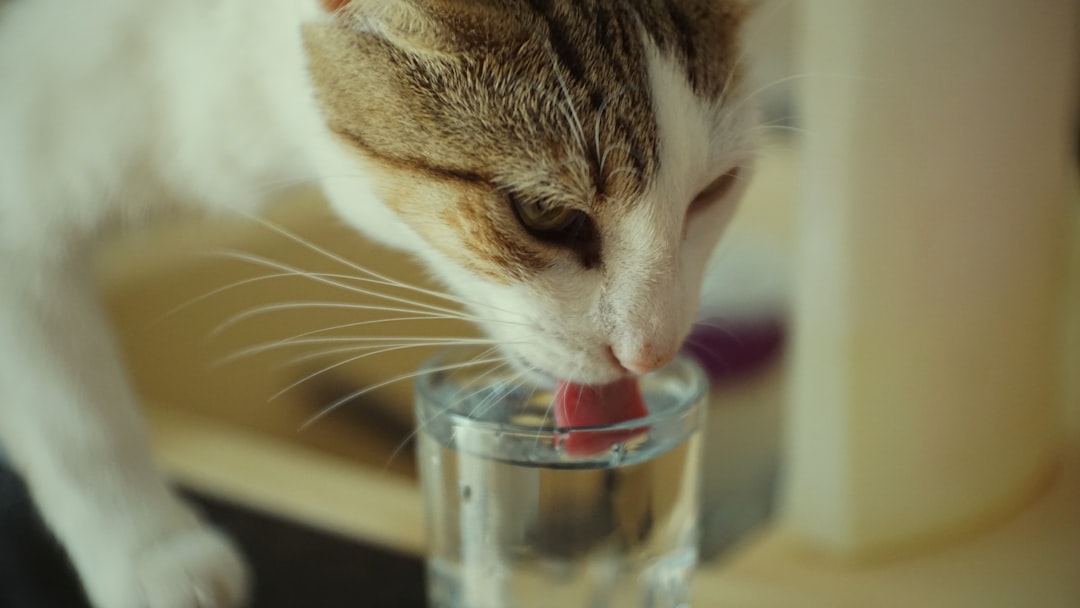
Diabetes in cats is common, increasingly so, and unusually hopeful compared with the same diagnosis in people or dogs — because a meaningful proportion of cats go into remission.
It is also a genuine commitment. Twice-daily injections roughly twelve hours apart, essentially without exception, reshape a household routine.
This guide covers what to watch for and what management involves. Dosing and diagnosis belong with your vet.
The signs
The classic four are easy to remember and easy to dismiss individually.
- Increased thirst — refilling the water bowl noticeably more often.
- Increased urination — larger or more frequent litter clumps.
- Increased appetite — often ravenous.
- Weight loss despite eating more.
That last pairing overlaps with hyperthyroidism, which is why bloodwork rather than observation distinguishes them. Our guide to hyperthyroidism in cats covers the other cause.
Later signs include lethargy, a poor coat, and a distinctive plantigrade stance — walking on the hocks rather than the toes — caused by nerve damage.
Who gets it
| Risk factor | Effect | Modifiable? |
|---|---|---|
| Excess weight | Largest single risk factor | Yes |
| Male, neutered | Higher risk | No |
| Age over seven | Risk rises with age | No |
| Inactivity | Contributes via weight | Yes |
| High-carbohydrate diet | Contributory | Yes |
| Long-term steroid treatment | Can precipitate it | Discuss with vet |
| Certain breeds | Some predisposition | No |
Weight is the one that matters most and the one you control. Our guide to checking body condition properly covers assessing it honestly.
Diagnosis
Blood glucose alone is not enough, because stress raises a cat’s glucose substantially — a frightened cat at a clinic can read high without being diabetic.
Vets therefore use blood glucose alongside urine testing and usually fructosamine, which reflects average glucose over the preceding weeks rather than the moment of the test.
International Cat Care publishes owner-facing guidance on diabetes and its management.
What daily management involves
- Insulin injection roughly every twelve hours, at consistent times.
- Feeding tied to the injection schedule.
- A low-carbohydrate diet, usually wet.
- Periodic glucose monitoring, at home or at the clinic.
- Watching for hypoglycaemia, the main acute risk.
- Regular vet reviews to adjust the dose.
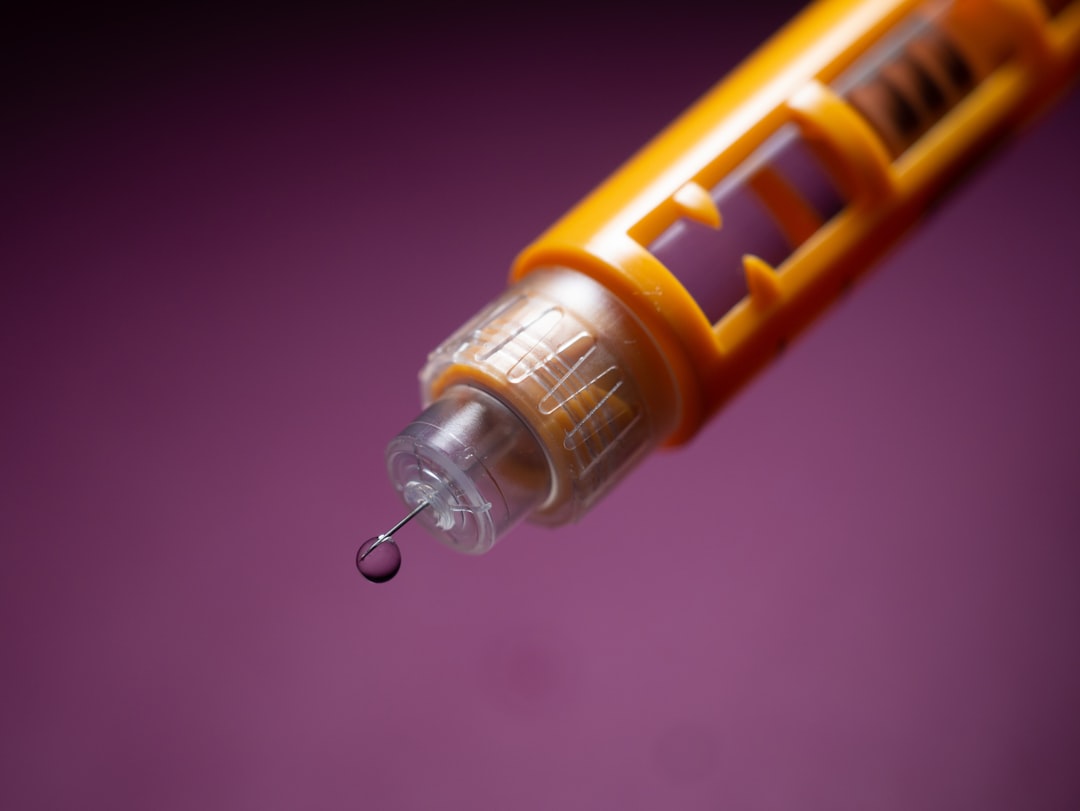
Injections are far easier than owners fear. The needles are very fine, given under the loose skin at the scruff, and most cats barely react — particularly if paired with food.
The genuine difficulty is the schedule, not the needle. Twelve-hourly dosing constrains holidays, long days out and anyone with irregular working patterns.
Why diet matters so much
Cats are obligate carnivores and handle carbohydrate poorly. A low-carbohydrate, high-protein diet substantially reduces insulin requirements.
In practice that usually means wet food, since most dry foods need carbohydrate to hold their shape.

Feeding consistency matters as much as content. Same food, same amounts, same times — because insulin is dosed against an expected intake.
Our comparison of wet versus dry cat food covers the carbohydrate difference.
Hypoglycaemia: the emergency to know
Too much insulin relative to food intake drops blood sugar dangerously, and this is the acute risk owners must recognise.
| Sign | Severity | Action |
|---|---|---|
| Wobbliness, disorientation | Serious | Rub honey or syrup on the gums, call the vet |
| Unusual quietness or weakness | Serious | Same — do not wait |
| Twitching or tremors | Emergency | Glucose on gums, go to the vet now |
| Seizure or collapse | Critical | Emergency veterinary care immediately |

Keep honey or corn syrup in the house from day one, and know where the nearest emergency clinic is. Our guide to emergency vet care for cats in Fresno covers out-of-hours options.
If a cat has not eaten, never give the full insulin dose without speaking to your vet first.
Remission is genuinely possible
This is the part that distinguishes feline diabetes and it is worth knowing early.
A meaningful proportion of cats, particularly those diagnosed promptly and managed with tight glucose control and a low-carbohydrate diet, stop needing insulin altogether.
Remission is most likely when treatment starts early and weight is brought under control, which is a strong argument for acting on the signs rather than waiting.
Remission is not always permanent, so monitoring continues, but many cats stay off insulin for long periods.
Adopting a diabetic cat
Diabetic cats wait a long time in rescue, largely because the routine intimidates people rather than the cost.
If your schedule is genuinely stable and you can arrange backup care, it is a manageable condition with a real chance of improvement.
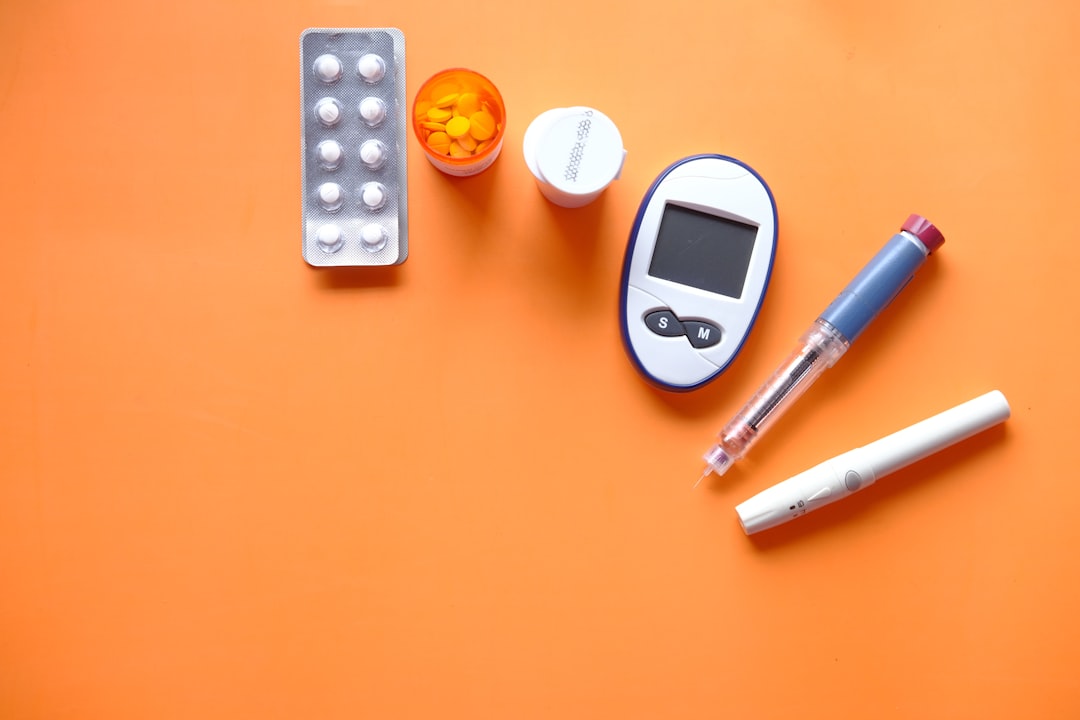
Ask the rescue for current insulin type and dose, the monthly cost as managed, whether remission has been discussed, and whether they subsidise supplies.
Our guide to adopting a special needs cat compares conditions by daily demand, and how often a cat should see the vet covers the monitoring involved.

Practical routine for a diabetic household
The condition is manageable; the logistics are what people underestimate. A little planning makes it sustainable.
- Fix injection times to a schedule you can hold seven days a week, including weekends.
- Keep insulin refrigerated and know its shelf life once opened.
- Keep a written log of dose, time and any missed injections.
- Never give insulin to a cat that has not eaten without contacting your vet.
- Keep honey or corn syrup accessible in case of hypoglycaemia.
- Train a second person in the household to inject.
That last point is what makes holidays possible. A single-handler household with a diabetic cat is one illness away from a crisis.
Monitoring at home
Home glucose monitoring is increasingly common and reduces the stress-driven false highs that clinic testing produces.
Some owners use ear-prick meters; continuous monitors placed by a vet are also available. Both give a far more honest picture than a single reading taken in a frightening waiting room.
Track weight monthly too. Weight change is one of the clearest indicators that the dose needs review, and it costs nothing. Our guide to checking body condition covers doing it properly.
Frequently Asked Questions
What are the signs of diabetes in cats?
Increased thirst, increased urination, increased appetite and weight loss despite eating more. Later signs include lethargy and walking on the hocks rather than the toes, caused by nerve damage.
Can cats recover from diabetes?
Yes, a meaningful proportion go into remission and stop needing insulin, particularly when diagnosed early and managed with tight glucose control, a low-carbohydrate diet and weight reduction.
How often does a diabetic cat need insulin?
Usually twice daily, roughly twelve hours apart at consistent times. The schedule, rather than the injection itself, is the genuine commitment — it constrains holidays and irregular working patterns.
Are insulin injections painful for cats?
Rarely. The needles are very fine and given under loose skin at the scruff, and most cats barely react, especially when the injection is paired with a meal.
What is hypoglycaemia and how do I recognise it?
Blood sugar dropping too low, usually from insulin given without adequate food. Signs are wobbliness, weakness, twitching or seizure. Rub honey on the gums and contact a vet immediately.
Why does diet matter so much for diabetic cats?
Cats are obligate carnivores and handle carbohydrate poorly. A low-carbohydrate, high-protein diet — usually wet food — substantially reduces insulin requirements and improves the chance of remission.