
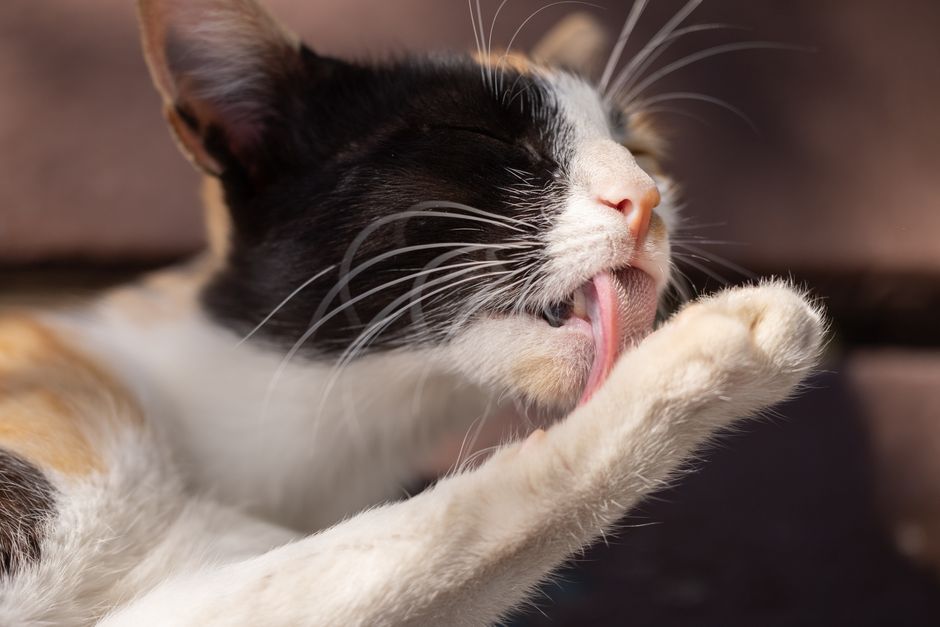
An occasional hairball is a normal part of life with a cat — but knowing the line between normal and a genuine problem is worth understanding before it becomes an emergency.
Why Hairballs Form
Hairballs form when cats swallow loose fur during grooming. Most individual hairs pass through the digestive system as normal waste, but sometimes they clump together and begin accumulating in the stomach. Cats try to vomit these clumps up before they can move into the intestine and cause a blockage — which is exactly why the occasional hairball is actually a cat’s own safety mechanism working as intended, not a malfunction.
Prevention: Grooming
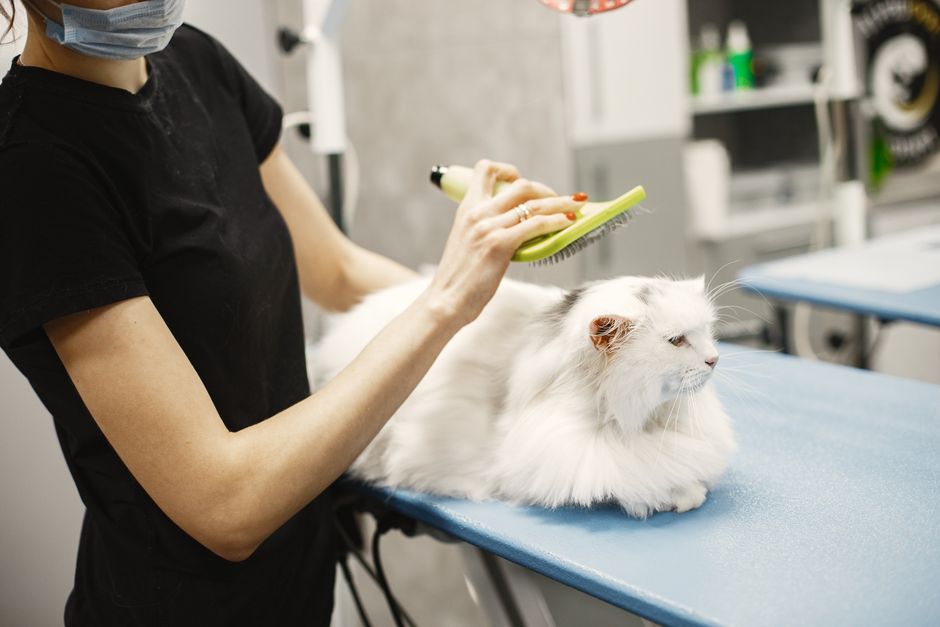
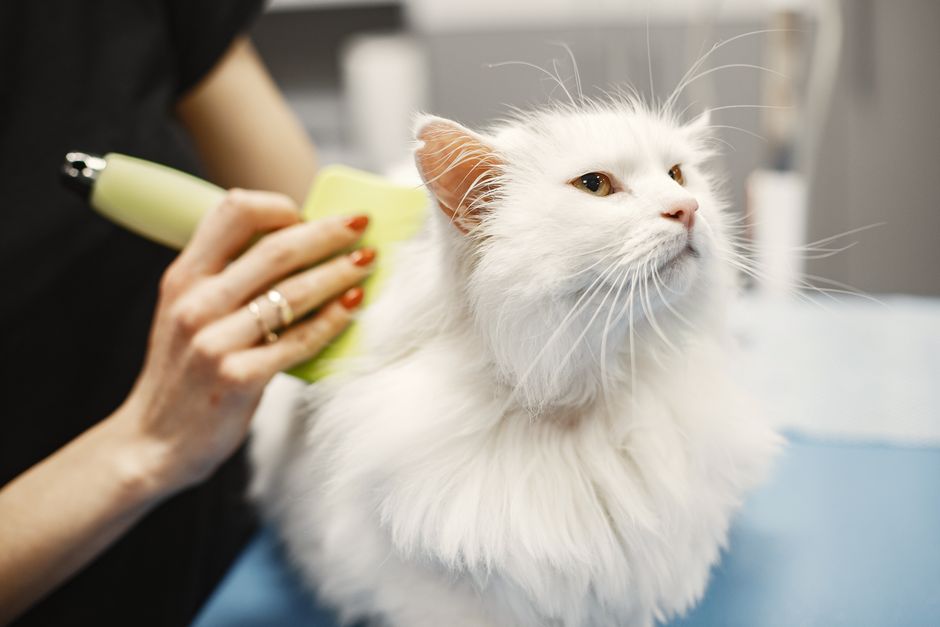
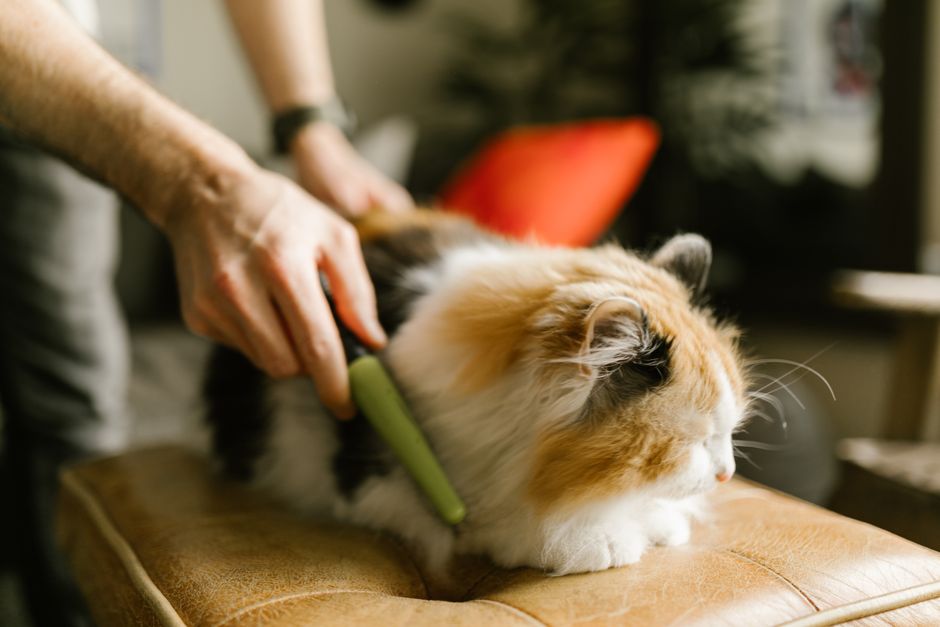
Regular brushing removes loose fur from a cat’s coat before it gets ingested during self-grooming. Short-haired cats generally do fine with weekly brushing, while long-haired breeds often need daily grooming to keep their coats — and their hairball frequency — properly managed.
Prevention: Diet and Products
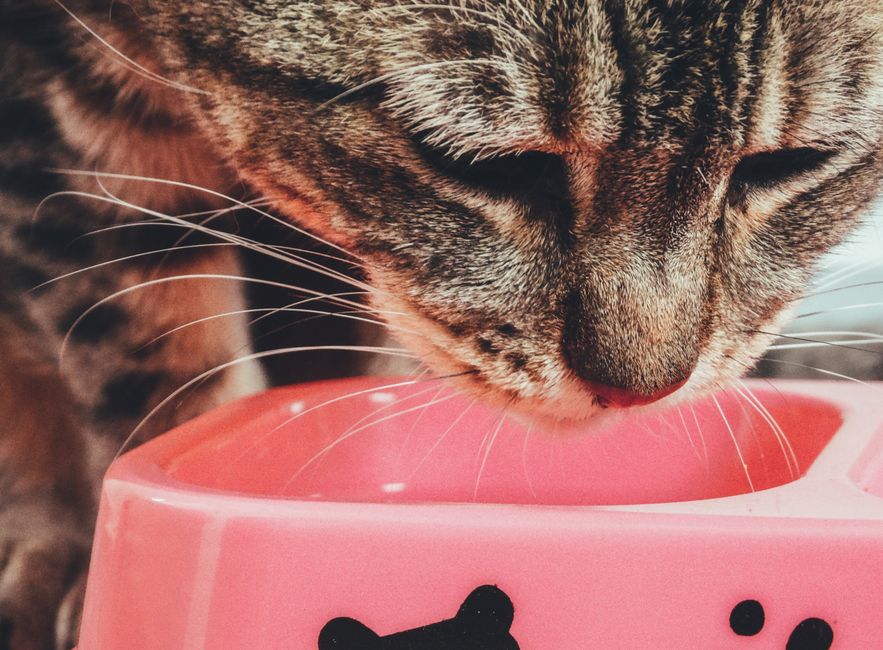
Hairball-control cat foods are formulated with higher fiber content to help small amounts of swallowed hair pass naturally, and some formulas include specific enzymes designed to prevent hairballs from forming in the stomach in the first place. Hairball-control gels, given two or three times a week, are another commonly used supplement alongside diet changes.
Environmental Enrichment Matters Too
Boredom and anxiety can lead to overgrooming, which in turn increases hairball frequency. Providing additional stimulation — toys, climbing spaces, interactive play — can indirectly reduce excessive grooming and the hairballs that come with it, addressing a behavioral root cause rather than just the physical symptom.
When to Actually Worry
Cats should only get hairballs occasionally — generally less than once a month. Start paying closer attention if a cat is producing a hairball every few weeks, or shows continued retching for more than 48 hours at a time, since that’s a sign too much hair is accumulating in the gut.
- Continued retching that doesn’t result in an expelled hairball
- Frequent diarrhea
- Loss of appetite following repeated hairball episodes
All three of these signs together could point to an obstruction from a hairball blocking the throat, stomach, or intestines — a situation that, in rare cases, requires surgical removal. Don’t wait on these specific symptoms; contact a vet promptly rather than assuming it will resolve on its own.
Do Some Cats Get Hairballs More Than Others?
Beyond coat length, individual grooming habits play a real role — some cats are simply more meticulous, fastidious groomers than others, and that extra grooming time translates directly into more swallowed fur. Anxious or bored cats often overgroom as a self-soothing behavior, which compounds the issue further, meaning two cats with identical coat types can have very different hairball frequencies depending on temperament alone.
Age matters too — older cats sometimes groom less thoroughly due to arthritis or reduced flexibility, which can paradoxically mean fewer hairballs even as overall coat condition declines, while middle-aged cats in peak grooming habit often see the highest hairball frequency of any life stage.
When Diet Changes Are Worth Discussing With a Vet
If a cat is experiencing hairballs more than once a month despite regular brushing and a reasonable diet, it’s worth having a broader conversation with a vet rather than just adding more hairball gel. Occasionally, frequent hairballs point toward an underlying digestive motility issue, where food and hair move through the gut more slowly than normal, making it harder for small amounts of swallowed fur to pass through without clumping.
A vet can also rule out food sensitivities or allergies that might be driving excessive grooming or skin irritation, both of which can indirectly increase hairball frequency well beyond what brushing alone can address.
Building a Simple Grooming Routine
The most effective hairball prevention is often the simplest — a consistent, short daily or weekly brushing session, kept low-stress and rewarded with a treat or extra attention afterward. Cats that associate brushing with something pleasant tend to tolerate, and eventually enjoy, the routine far more than cats introduced to grooming inconsistently or only when their coat already looks matted.
For long-haired breeds especially, starting a daily brushing habit early in a cat’s life — ideally as a kitten — makes the routine feel normal rather than something new and stressful introduced later on, once loose fur has already become a bigger problem to manage.
A Quick Note on Cost
A quality slicker brush or grooming glove is a genuinely inexpensive investment compared to the cost of treating an obstruction that requires surgery, making prevention a clear financial win alongside the obvious welfare benefit. Most brushes last for years with basic care, so the upfront cost is effectively a one-time purchase covering a cat’s entire life.
The Bottom Line
An occasional hairball is nothing to worry about. Brushing regularly, feeding an appropriate diet, and knowing the specific warning signs that warrant a vet call are really all it takes to manage the issue confidently and keep a rare, normal occurrence from ever becoming a genuine health concern.
Regular brushing is the single most effective hairball prevention, because hair removed by a brush is never swallowed. Our cat shedding and grooming guide covers how often to brush by coat type.
Frequent vomiting is not the same as an occasional hairball. Our guide to why a cat is vomiting covers where the line sits and which chronic conditions present this way.
Not everything that looks like a hairball problem is one. Our guide to what causes diarrhoea in cats covers the digestive conditions that produce both retching and loose stools.
Frequently Asked Questions
How often is it normal for a cat to get hairballs?
Occasionally — usually less than once a month. More frequent than that is worth mentioning to your vet, since it can signal an underlying grooming, diet, or digestive issue worth investigating.
What’s the actual cause of hairballs?
Cats swallow loose fur while grooming. Most individual hairs pass through the digestive system normally, but sometimes they clump together in the stomach, and the cat vomits the clump up to prevent it from causing a blockage further along the digestive tract.
Do long-haired cats get more hairballs?
Generally yes — long-haired breeds often need daily grooming to manage loose fur effectively, compared to weekly brushing that’s usually enough for short-haired cats to stay ahead of the problem.
What are the specific warning signs that need a vet visit?
Continued retching that doesn’t produce a hairball, frequent diarrhea, and loss of appetite following repeated hairball episodes are all signs that could mean an obstruction, not just a routine hairball passing through normally.
Can hairballs be a sign of a bigger health issue?
Sometimes — frequent hairballs can occasionally point to excessive grooming driven by stress, skin issues, or gastrointestinal problems, which is worth mentioning at a routine vet visit even if no single episode seems alarming on its own.
Questions About Cat Grooming or Health?
Cats By The Tracks is happy to help with care questions for cats adopted through us.