
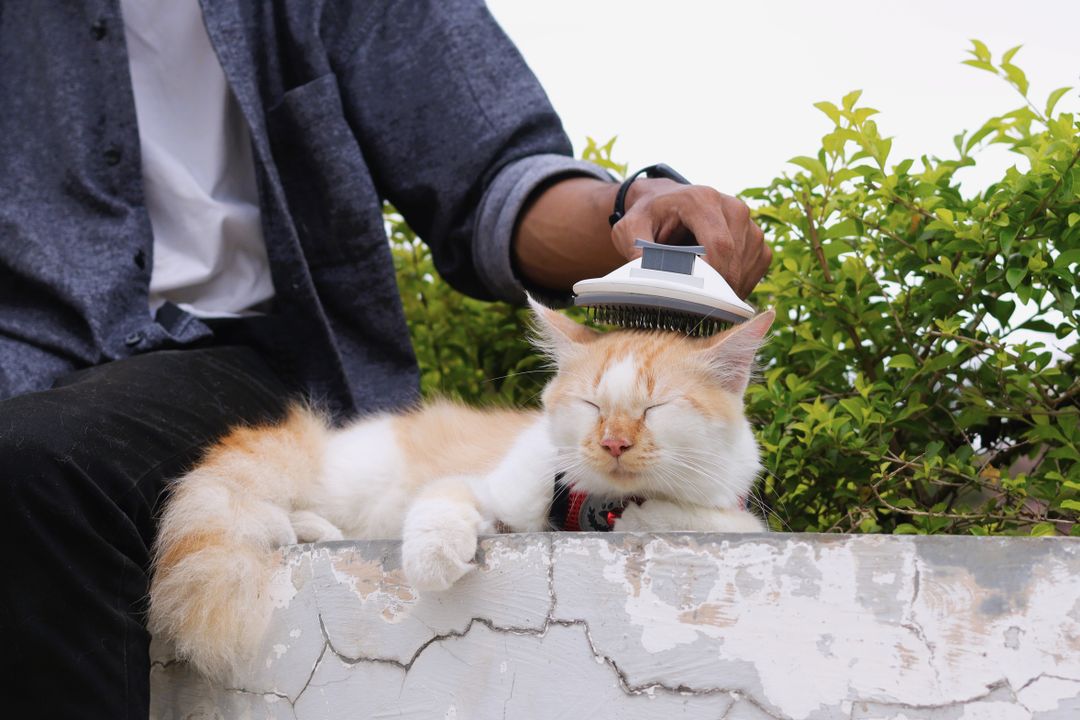
Every cat sheds, and most owners have no reliable sense of how much is normal. That matters, because a genuine change in shedding is often the first visible sign of an underlying problem.
Here is what normal looks like, what grooming a cat actually needs, and when shedding is telling you something.
Why cats shed
Shedding is the ordinary replacement of hair through a growth cycle, driven mainly by daylight length rather than temperature.
Wild cats shed heavily in spring and autumn. Indoor cats under artificial light shed more evenly year-round, which is why owners often think their cat sheds constantly — it does.
Central Valley cats with outdoor access tend to show more pronounced seasonal moults than strictly indoor cats in the same household.
Grooming needs by coat type
| Coat type | Brushing frequency | Main risk | Best tool |
|---|---|---|---|
| Short-haired | 1–2 times weekly | Hairballs | Rubber brush or grooming mitt |
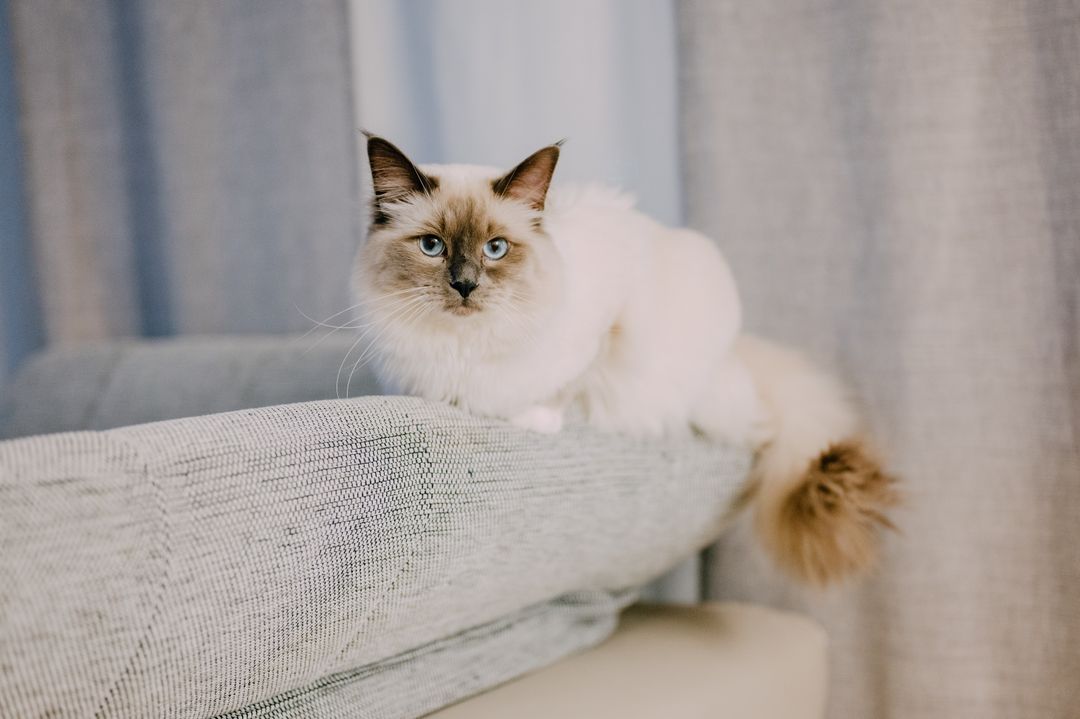
| Medium-haired | 2–3 times weekly | Mats behind ears and legs | Slicker brush plus comb |
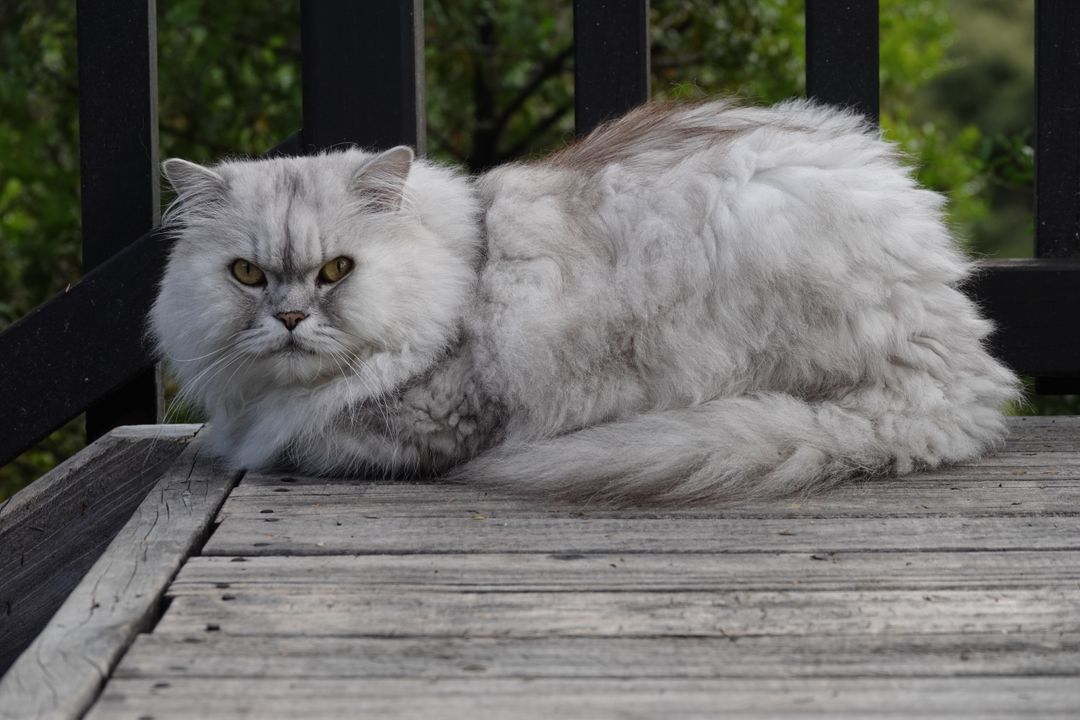
| Long-haired | Daily | Severe matting | Wide-tooth comb then slicker |
| Curly or wavy | 2–3 times weekly | Tangling | Wide-tooth comb only |
| Hairless | Weekly wipe-down | Skin oil build-up | Damp cloth |
| Senior, any type | Daily assistance | Self-grooming decline | Soft brush |
Long-haired cats genuinely need daily attention. A week of skipped brushing can produce mats that require sedation to remove safely.
Dealing with mats
Mats are not just untidy. They pull constantly on the skin, cause pain, and hide sores and parasites beneath them.
- Never cut a mat out with scissors — cat skin is thin and lifts with the mat, and lacerations are common.
- Work small mats loose with fingers first, holding the fur at the base to avoid pulling the skin.
- Use a mat splitter or comb gently, in short sessions rather than one long one.
- For anything large or close to the skin, have it clipped by a vet or groomer.
- Once cleared, brush daily — a matted cat will re-mat quickly.
Scissor injuries from mat removal are one of the more common avoidable emergencies vets see. If in doubt, do not cut.
Hairballs
Cats swallow hair while grooming, and most passes through normally. Occasional hairballs are ordinary; frequent ones are not.
More than about one a month, or repeated unproductive retching, warrants a vet visit. Regular brushing is the single most effective prevention, because hair removed by a brush is never swallowed.
Our guide to hairballs in cats covers when they indicate a genuine problem.
When shedding means something is wrong
This is the part worth knowing, because coat change is an unusually informative early signal.
| Sign | Possible cause | Action |
|---|---|---|
| Sudden heavy shedding | Stress, illness, poor diet | Vet if it persists |
| Bald patches | Over-grooming, parasites, allergy | Vet |
| Symmetrical hair loss on the belly | Over-grooming from stress or pain | Vet |
| Coarse, dull, unkempt coat | Kidney, thyroid, dental pain | Vet |
| Stopped grooming entirely | Pain, arthritis, illness | Vet |
| Grooming to the point of soreness | Stress, allergy, pain | Vet |
| Circular patches with scaling | Ringworm | Vet, and wear gloves |
A cat that stops grooming is a particularly important signal. Cats groom meticulously, and an unkempt coat in an older cat usually means arthritis, dental pain or systemic illness rather than laziness.
The Merck Veterinary Manual pet owner section covers skin and coat conditions in clinical detail.
Teaching a cat to accept brushing
Cats that hate grooming were usually rushed early on. Build it slowly and it becomes routine.
- Start with short sessions of thirty seconds, ending before the cat objects.
- Brush where cats enjoy contact first — cheeks, chin, along the back.
- Leave belly, legs and tail until the cat is comfortable.
- Pair sessions with a treat immediately afterwards.
- Stop at the first sign of tail flicking or ear flattening.
Ending a session while the cat is still happy is what builds tolerance. Pushing to finish the whole coat is what destroys it.
Bathing
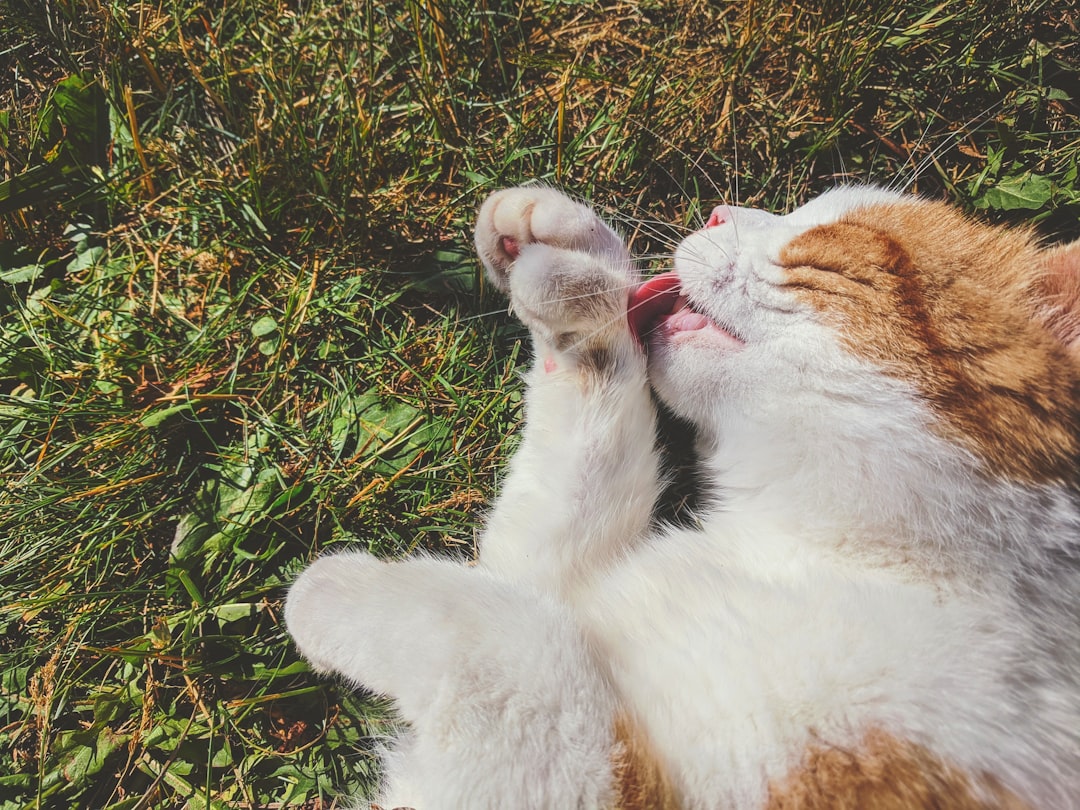
Most cats never need a bath. They groom efficiently, and bathing strips coat oils while causing considerable stress.
Genuine reasons include contamination with something toxic or sticky, a medicated wash prescribed by a vet, severe matting in a long-haired cat, or a senior cat that can no longer groom.
Never use human shampoo, which has the wrong pH for cat skin. If a cat has something dangerous on its coat, contact a vet before attempting to wash it off.
Grooming older cats
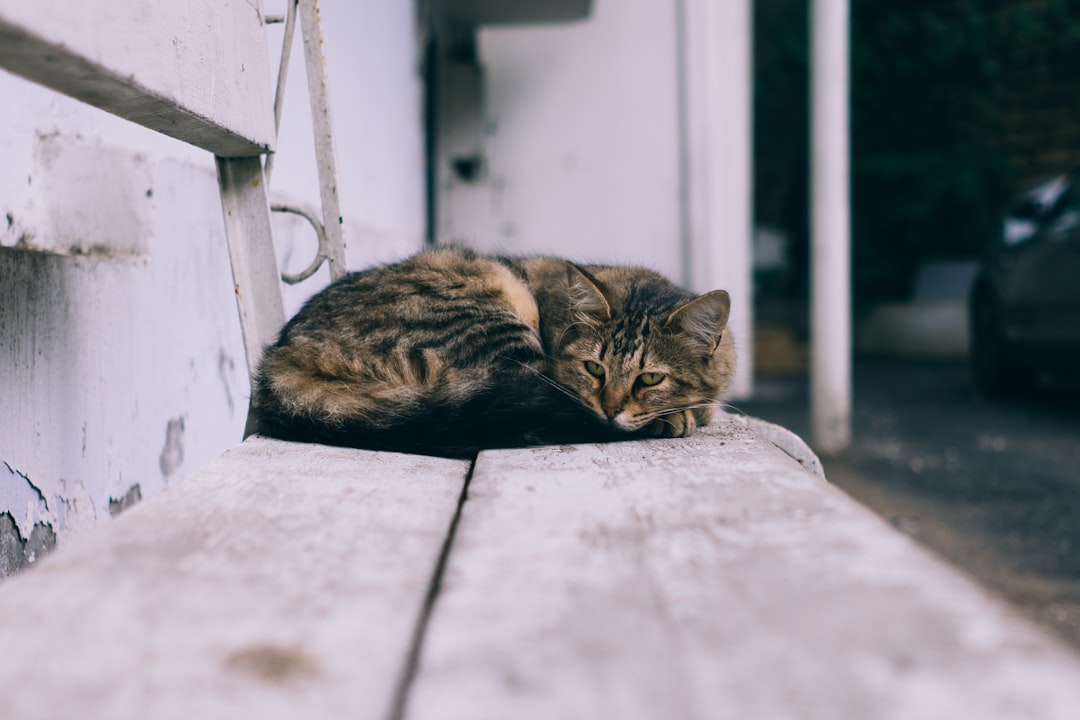
Senior cats often stop grooming well because arthritis makes twisting painful, and the coat deteriorates as a result.
Daily gentle brushing takes over that job. It also gives you a regular opportunity to feel for lumps, mats, sore spots and weight loss along the spine.
Weight loss found during grooming is frequently the earliest sign of illness in an older cat. Our guides to how often a cat should see the vet and checking body condition cover what to monitor.
For a newly adopted cat, start grooming gently in the first weeks — our first 30 days with a new cat guide covers building handling tolerance early.
Managing hair around the house
Brushing does most of the work, but a few practical habits cut what ends up on furniture and clothing.
- Brush over a washable surface, or outdoors where practical.
- Give the cat one designated blanket on the sofa and wash it weekly.
- Vacuum with an upholstery tool twice weekly rather than deep-cleaning monthly.
- Use a damp rubber glove on furniture — it lifts embedded hair better than most lint tools.
- Wash cat bedding at 60°C, which also controls fleas and mites.
A designated blanket is the highest-value single habit. Cats reliably choose the same spot, and one washable layer catches most of the shedding.
Diet and coat condition
A dull, coarse coat is sometimes dietary, though it is more often a symptom of something else.
Cats need adequate protein and essential fatty acids for coat quality, and a complete, balanced food normally supplies both. Supplements rarely help a cat already eating properly.
If the coat deteriorates while the diet has not changed, treat it as a medical sign rather than a nutrition problem. Our comparison of wet versus dry cat food covers reading a label properly.
Frequently Asked Questions
How much shedding is normal for a cat?
Continuous light shedding is normal, with heavier moults in spring and autumn. Indoor cats under artificial light shed more evenly year-round. A sudden change in volume is what warrants attention.
How often should I brush my cat?
Short-haired cats once or twice weekly, medium-haired two or three times, and long-haired cats daily. Long coats can develop mats requiring sedation to remove after just a week without brushing.
Can I cut a mat out of my cat’s fur?
No. Cat skin is thin and lifts with the mat, and scissor lacerations are a common avoidable emergency. Work small mats loose by hand, or have larger ones clipped by a vet or groomer.
Why has my cat stopped grooming itself?
Usually pain rather than laziness — arthritis makes twisting difficult, and dental pain or systemic illness also reduce grooming. An unkempt coat in an older cat warrants a vet visit.
Do cats need baths?
Rarely. Cats groom efficiently, and bathing strips coat oils while causing stress. Genuine reasons include toxic contamination, a prescribed medicated wash, severe matting, or a senior cat unable to groom.
When does hair loss mean a vet visit?
Bald patches, symmetrical loss on the belly, circular scaling patches, or grooming to the point of soreness all warrant a vet visit. These indicate parasites, allergy, ringworm, stress or pain.