
Chronic kidney disease is among the most common serious conditions in older cats, and it is nearly always caught late.
That is not negligence. Cats hide illness, and kidney disease produces no visible signs until a substantial proportion of function has already been lost.
This guide covers what to watch for, what the diagnosis actually means, and what living with it involves. Treat it as orientation for a conversation with your vet.
Why it is caught late
Kidneys have considerable reserve capacity. By the time the classic signs appear, function is often well below half.
This is the single strongest argument for routine bloodwork in cats from middle age, because it detects changes long before anything is visible at home.
Our guide to how often a cat should see the vet covers when screening should start — generally around seven years.
The signs worth acting on
| Sign | Why it happens | Stage |
|---|---|---|
| Drinking noticeably more | Kidneys cannot concentrate urine | Early |
| Urinating more, larger clumps | Same reason | Early |
| Gradual weight loss | Protein loss and reduced appetite | Early to mid |
| Reduced appetite, fussiness | Nausea from waste build-up | Mid |
| Poor coat, unkempt appearance | Reduced grooming | Mid |
| Vomiting | Nausea and ulceration | Mid to late |
| Lethargy and weakness | Anaemia and toxin build-up | Late |
| Bad breath, mouth ulcers | Uraemia | Late |
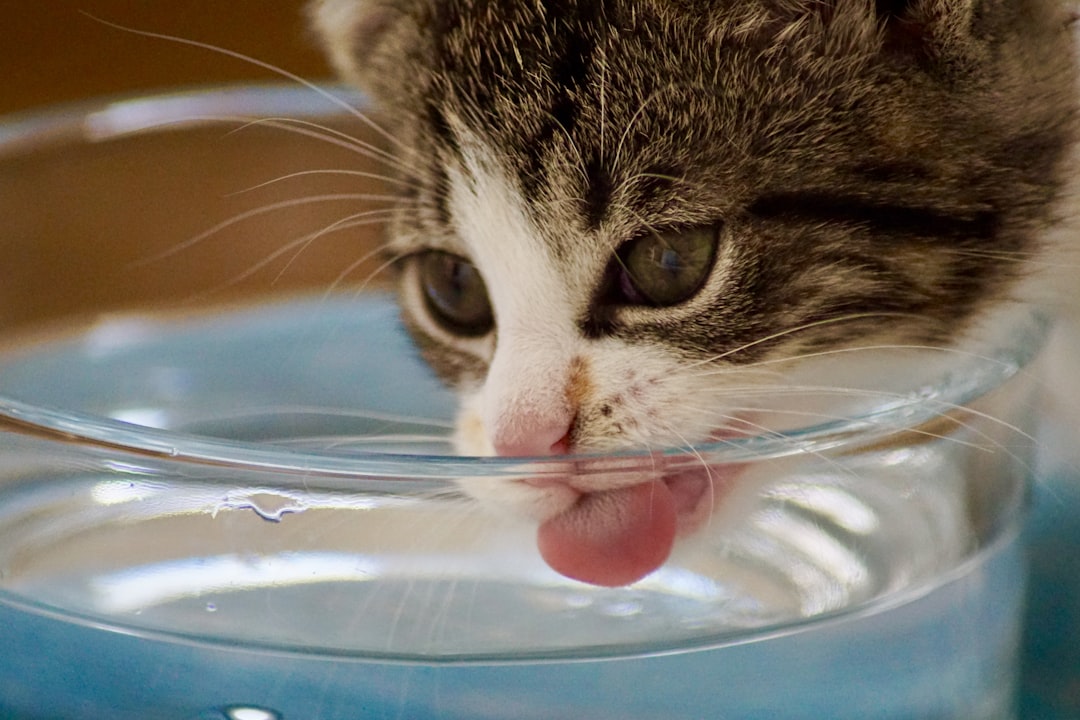
Increased thirst is the one owners can realistically spot. If you find yourself refilling the water bowl more often, or the litter clumps are getting bigger, that is worth an appointment.
Diagnosis and staging
Diagnosis uses blood and urine together. Blood values alone can mislead, because urine concentration tells the vet how hard the kidneys are working to compensate.
Once diagnosed, cats are staged, which determines treatment and gives a realistic sense of trajectory. The International Renal Interest Society publishes the staging system vets use internationally.
Ask which stage your cat is at and what that means practically. A cat in an early stage may have years of good quality life ahead; the picture in late stages is different, and knowing which you are dealing with matters.
What treatment involves
There is no cure. Treatment slows progression and manages symptoms, and it is largely about diet, hydration and monitoring rather than dramatic intervention.
- Therapeutic renal diet. The single most effective intervention, with the best evidence behind it.
- Hydration support. Wet food, water availability, and subcutaneous fluids at home in later stages.
- Phosphate binders where blood phosphate remains high on diet alone.
- Blood pressure medication, since hypertension is common and damaging.
- Anti-nausea medication and appetite support as needed.
- Regular monitoring — bloodwork, weight, blood pressure.
The renal diet is where owners most often struggle, because cats with reduced appetite are exactly the ones least willing to accept new food.
Getting a cat to eat a renal diet
A therapeutic diet the cat refuses helps nobody, and forcing the issue can worsen appetite further.
- Transition gradually over one to two weeks, never abruptly.
- Warm wet food slightly to release aroma.
- Try several formats — different brands, wet and dry, pate and chunks.
- Feed small amounts more often rather than one large portion.
- Ask about anti-nausea medication, which frequently restores appetite.
- Never withhold food to force acceptance.
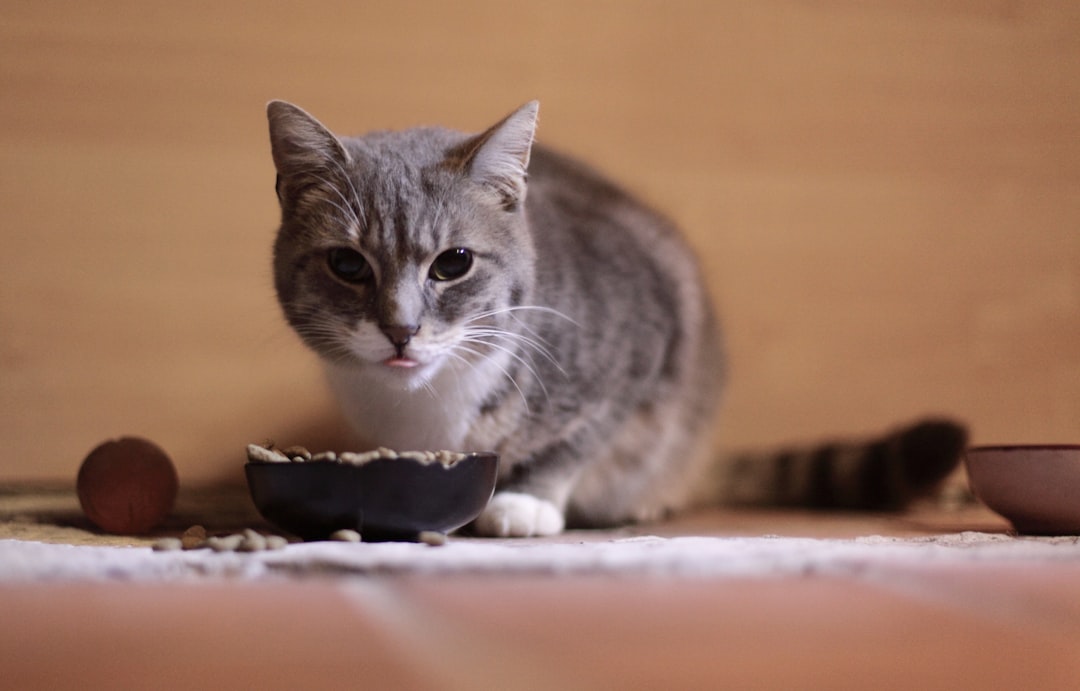
If a cat will only eat ordinary food, ordinary food is better than nothing. Discuss it with the vet rather than letting the cat stop eating — our guide to why a cat stops eating covers why fasting is dangerous in itself.
Subcutaneous fluids at home
This sounds daunting and is one of the more manageable parts in practice. Most owners learn it in a single appointment.
Fluids are given under the skin between the shoulder blades over a few minutes. Cats generally tolerate it well, particularly with food as a distraction.
It makes a noticeable difference to how a cat feels in mid to late stages, and it is far cheaper than repeated hospital visits.
Monitoring at home
You will see changes a vet never will, and simple records make appointments far more useful.
| Track | How often | Why |
|---|---|---|
| Weight | Monthly | Loss is the clearest progression marker |
| Water intake | Roughly | Changes indicate stage shifts |
| Appetite | Daily note | Guides anti-nausea treatment |
| Litter output | Daily glance | Volume and any blood |
| Energy and grooming | Weekly impression | Quality of life indicator |
| Vomiting episodes | Note with dates | Guides medication changes |
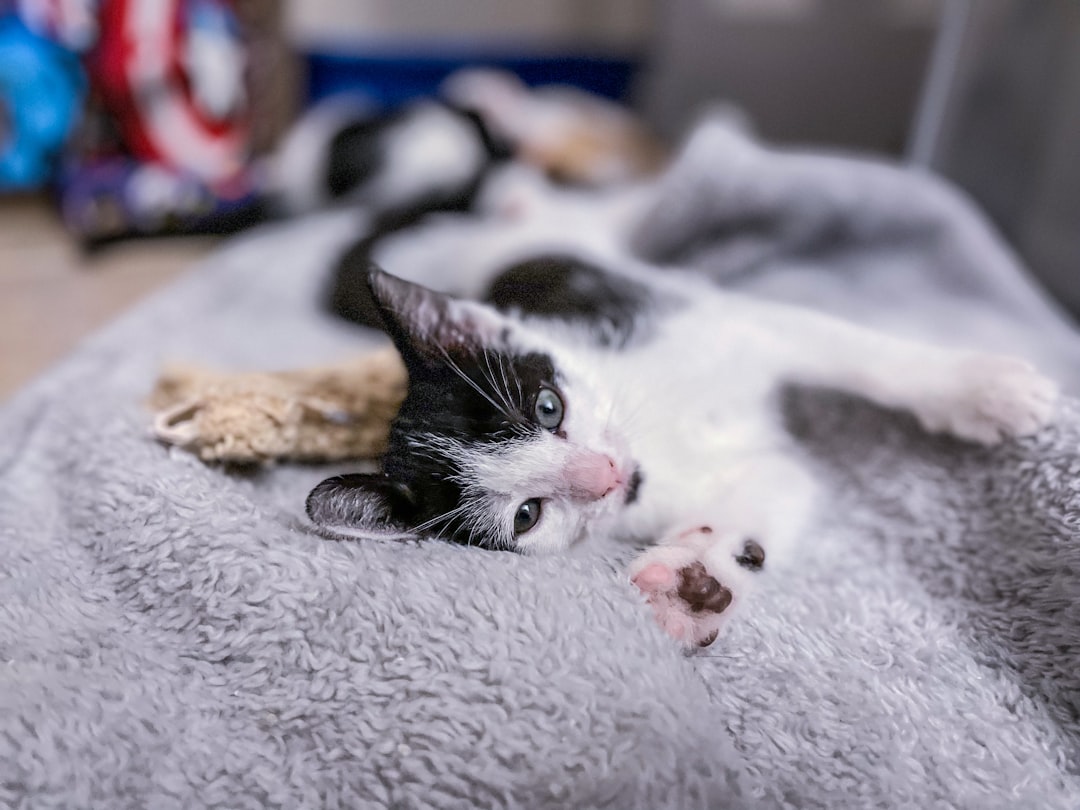
A monthly weight log is the single most valuable thing to bring. Gradual loss is invisible day to day and unmistakable in a column of figures.
Quality of life
This is the part that matters most and gets discussed least. Kidney disease is progressive, and at some point the conversation shifts from treatment to comfort.
Reasonable markers to watch: is the cat eating, grooming, interacting, and free of persistent nausea? Is it having more good days than bad?
Ask your vet directly and early what deterioration will look like. Having that conversation before a crisis makes the eventual decision clearer and kinder.
Adopting a cat with kidney disease
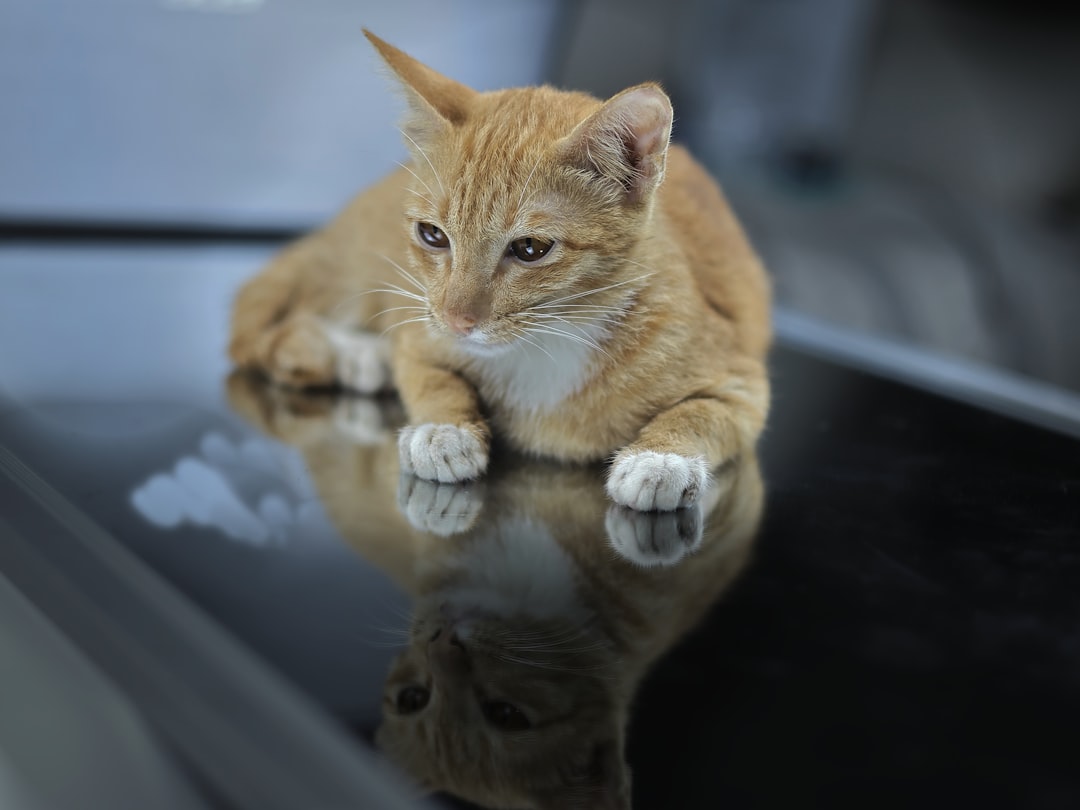
Cats diagnosed in early stages are frequently adoptable and frequently overlooked, and many live years with good management.
Ask the rescue for current bloodwork, the stage, the monthly cost as currently managed, and whether they subsidise ongoing care. Many do.
Our guide to adopting a special needs cat compares conditions by what they actually demand, and adopting a senior cat covers the wider case for older cats.
Water everywhere, always
Hydration support is the one thing you control daily, and small environmental changes make a measurable difference to intake.
- Several water stations around the house, away from food and litter.
- Wide, shallow bowls — many cats dislike whiskers touching the sides.
- Ceramic or steel rather than plastic, which taints water.
- A fountain if the cat prefers moving water; some strongly do.
- Refresh at least daily, more in summer heat.
Adding water or low-sodium broth to wet food is another easy gain. Our comparison of wet versus dry cat food covers the moisture difference.
Frequently Asked Questions
What are the first signs of kidney disease in cats?
Increased drinking and urinating are usually first, followed by gradual weight loss. These appear only after substantial function is already lost, which is why routine bloodwork from middle age matters.
Can kidney disease in cats be cured?
No. Treatment slows progression and manages symptoms rather than reversing damage. Many cats diagnosed early live comfortably for years with diet, hydration support and monitoring.
What is the most effective treatment for feline kidney disease?
A therapeutic renal diet has the strongest evidence behind it. Hydration support, phosphate binders, blood pressure medication and anti-nausea treatment are added according to stage.
What if my cat refuses the renal diet?
Transition gradually, warm wet food to release aroma, and try several formats. Ask about anti-nausea medication, which often restores appetite. Never withhold food to force acceptance.
Are subcutaneous fluids difficult to give at home?
Less than most people expect. Fluids go under the skin between the shoulder blades over a few minutes, and most owners learn the technique in a single appointment.
Should I adopt a cat with kidney disease?
Cats in early stages are frequently overlooked and often live years with good management. Ask for current bloodwork, the stage, current monthly costs, and whether the rescue subsidises ongoing care.