
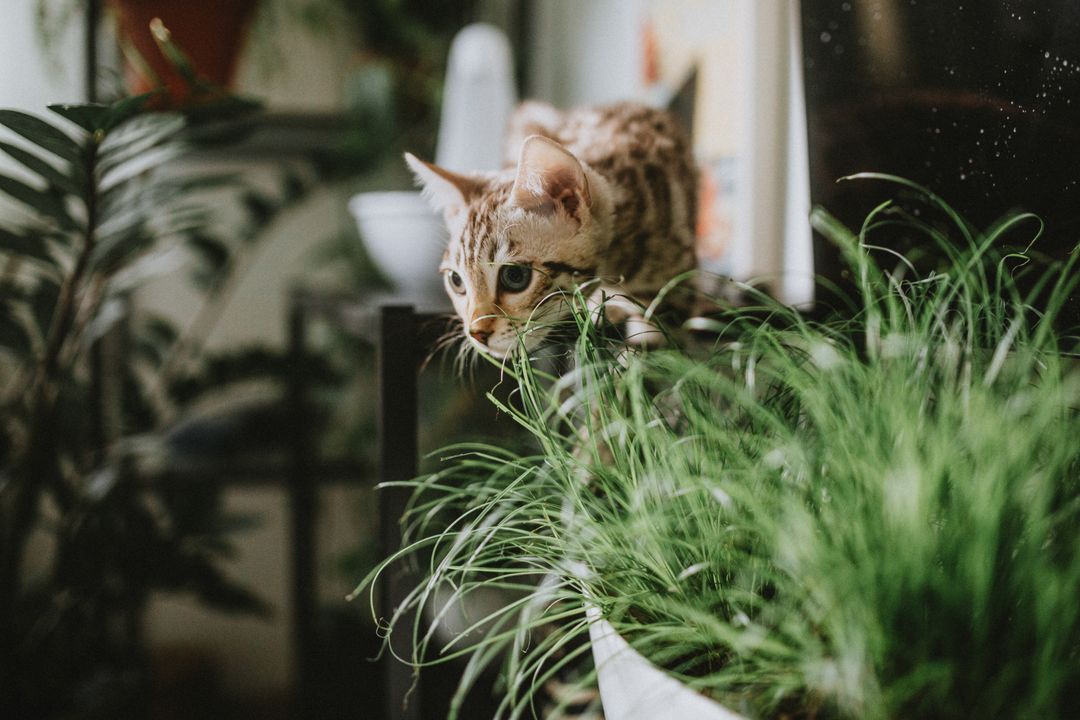
Most plant-related calls to veterinary poison lines involve a handful of common species, and one of them is far more dangerous than the rest.
If you keep cats, the single most important thing in this article is the section on lilies. Everything else is secondary.
Lilies: the one to act on today
True lilies — Easter, tiger, Asiatic, day and stargazer — cause acute kidney failure in cats. The entire plant is toxic: petals, leaves, stem, pollen and the water in the vase.
A cat brushing past and later grooming pollen off its fur has ingested enough. There is no safe exposure.
- Signs begin with vomiting and lethargy within a few hours.
- Apparent improvement often follows, which is misleading.
- Kidney failure develops over 24 to 72 hours.
- Treatment is most effective when started within 6 hours.
- Untreated ingestion is frequently fatal.
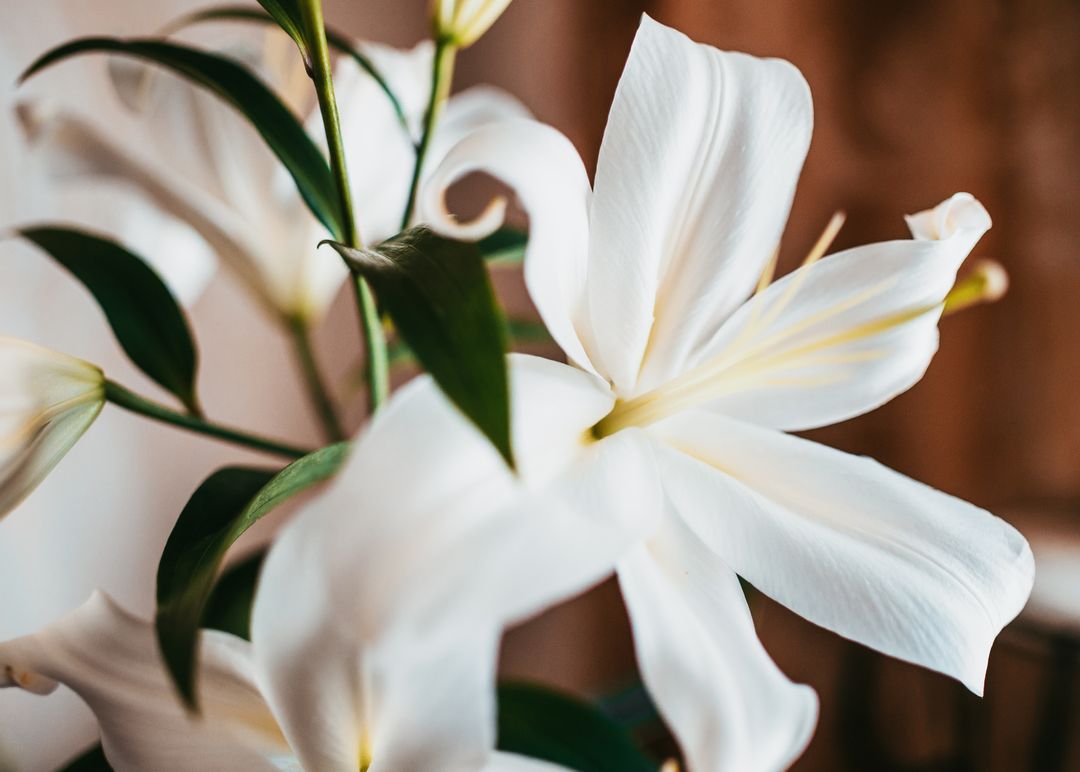
Do not keep lilies in a house with cats, and tell anyone sending flowers. A cut bouquet is the commonest route of exposure, because people do not think of it as a houseplant.
If you suspect exposure, treat it as an emergency. Our guide to emergency vet care for cats in Fresno covers where to go out of hours.
Other common toxic plants
| Plant | Severity | Typical effect |
|---|---|---|
| True lilies | Severe — emergency | Acute kidney failure |
| Sago palm | Severe | Liver failure |
| Oleander | Severe | Cardiac effects |
| Azalea and rhododendron | Serious | Vomiting, cardiac effects |
| Dieffenbachia | Moderate | Oral pain, swelling, drooling |
| Philodendron and pothos | Moderate | Oral irritation, vomiting |
| Peace lily | Moderate | Oral irritation — not a true lily |
| Tulip and daffodil bulbs | Moderate to serious | Vomiting, diarrhoea |
| Aloe vera | Mild to moderate | Vomiting, lethargy |
Peace lilies cause confusion. Despite the name they are not true lilies and do not cause kidney failure — they cause painful oral irritation instead. Unpleasant, not usually fatal.
The ASPCA maintains a searchable database of toxic and non-toxic plants worth checking before buying anything new.
Plants that are safe
You do not have to give up houseplants. These are widely kept in cat households.
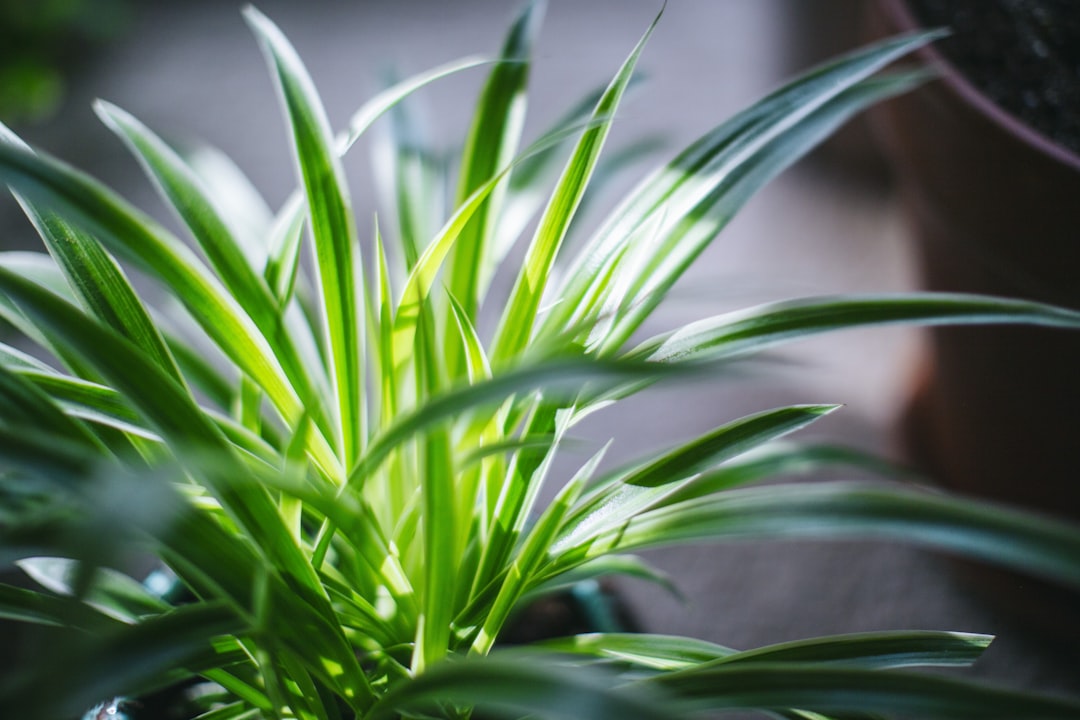
- Spider plant — safe, though mildly stimulating to some cats.
- Boston fern and most true ferns.
- Areca and parlour palms — unlike sago palm, which is not a true palm.
- Calathea and prayer plants.
- African violet.
- Cat grass, catnip, catmint and silvervine.
- Most culinary herbs, including basil, thyme and rosemary.
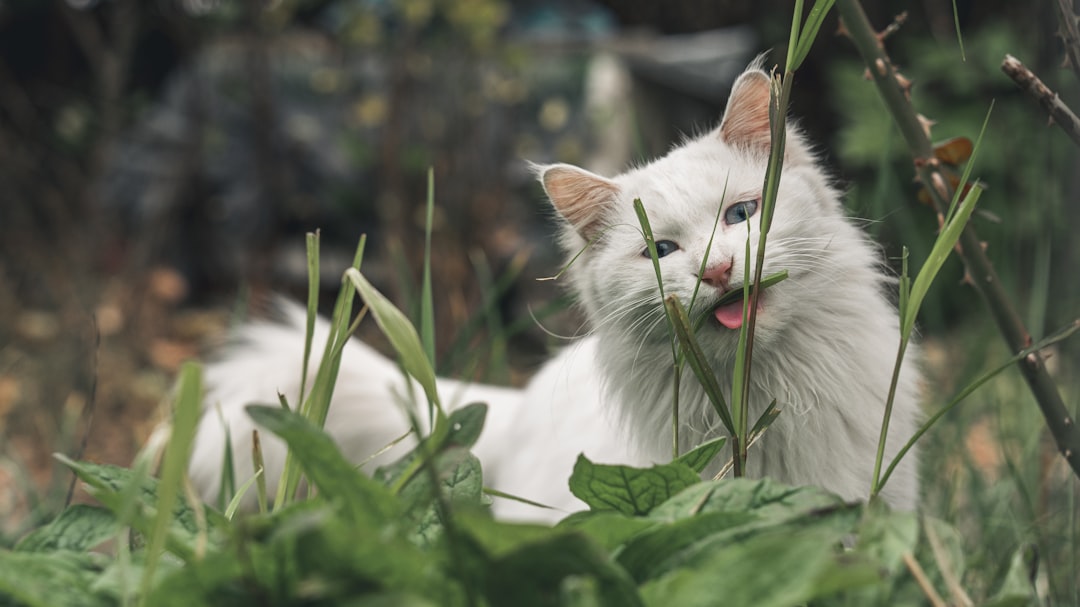
Always check the botanical name rather than the common one. “Palm” covers both harmless parlour palms and lethal sago palm, which is not a palm at all.
Why cats chew plants
It is normal behaviour rather than a deficiency, and understanding it helps you redirect rather than fight it.
Cats chew vegetation for fibre, to trigger vomiting that clears hair, and out of plain boredom. Indoor cats with little to do chew plants considerably more.
Providing cat grass gives that behaviour a safe outlet and substantially reduces interest in your other plants.
Making the home safe
- Identify every plant you own by botanical name.
- Remove anything severely toxic entirely — do not rely on placement.
- Move moderately toxic plants genuinely out of reach, remembering cats climb.
- Provide cat grass as an alternative.
- Check cut flowers before bringing them in, especially gifted bouquets.
- Warn visitors and family who send flowers.
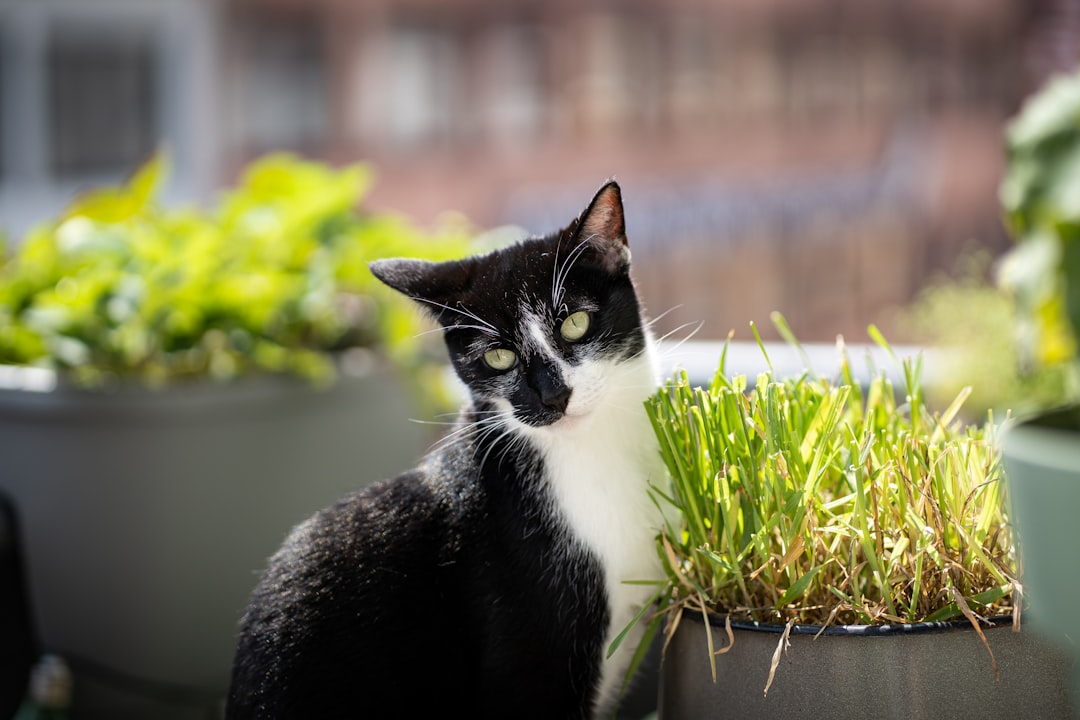
“Out of reach” is far less reliable for cats than for dogs or children. A cat can reach almost any surface in a home, so removal beats relocation for anything severely toxic.
If your cat eats something
Act quickly and bring information rather than guesses.
- Remove any remaining plant material from the cat’s mouth.
- Do not induce vomiting unless a vet instructs you to.
- Identify the plant — take the plant or a clear photograph.
- Call a vet or an animal poison control line immediately.
- Note the time, roughly how much, and any symptoms already showing.
- Take the plant with you to the clinic.
Waiting for symptoms is the mistake that costs cats their lives with lilies specifically, because the early phase can look mild and then appear to improve.
Beyond plants
While you are auditing the house, the other common household toxins are worth the same treatment.
| Substance | Risk |
|---|---|
| Human painkillers | Paracetamol and ibuprofen are highly toxic |
| Antifreeze | Fatal in tiny amounts; sweet-tasting |
| Permethrin dog flea products | Toxic to cats |
| Essential oils | Many are toxic; cats process them poorly |
| String, tinsel, hair ties | Intestinal obstruction |
| Rodenticides | Direct and secondary poisoning |
Our guide to cat-proofing your home before adoption covers the full audit, and fleas and ticks in cats covers the permethrin warning in detail.
For new adopters
Do the plant audit before the cat arrives rather than after. It takes half an hour and it is far easier without a cat investigating what you are doing.

A newly adopted cat exploring an unfamiliar house is at higher risk than a settled one, because it is investigating everything. Our first 30 days with a new cat guide covers the settling-in period, and playing with your cat covers reducing the boredom that drives plant chewing.
Gardens and outdoor plants
If your cat has any outdoor access, the garden deserves the same audit as the living room.
| Garden plant | Risk to cats |
|---|---|
| Lilies of any true variety | Severe — kidney failure |
| Foxglove | Cardiac effects |
| Yew | Severe, including seeds |
| Daffodil and tulip bulbs | Vomiting, diarrhoea |
| Hydrangea | Vomiting, lethargy |
| Slug pellets and fertilisers | Frequently more dangerous than plants |
Garden chemicals cause more poisonings than garden plants. Slug pellets, weedkillers and some fertilisers are attractive to cats and dangerous in small amounts.
Cats also walk through treated areas and then groom their paws, which is a route people rarely consider. Keep cats off treated ground until it is fully dry.
Cut flowers and gifts
The commonest lily exposure is not a houseplant at all — it is a bouquet someone brought round.
Tell family and friends plainly that lilies cannot come into the house. Most people have no idea, and florists do not routinely warn buyers.
Check any gifted arrangement before it comes past the doorstep, and remember the vase water is toxic even after the flowers are removed.
Frequently Asked Questions
Which plant is most dangerous to cats?
True lilies — Easter, tiger, Asiatic, day and stargazer. The entire plant including pollen and vase water causes acute kidney failure, and a cat grooming pollen off its fur has ingested enough.
Are peace lilies dangerous to cats?
They are not true lilies and do not cause kidney failure. They cause painful oral irritation, drooling and swelling instead — unpleasant and worth a vet call, but not usually fatal.
Which houseplants are safe for cats?
Spider plants, Boston and most true ferns, areca and parlour palms, calathea, African violet, cat grass, catnip and most culinary herbs. Always check the botanical rather than common name.
Why does my cat chew houseplants?
It is normal behaviour — cats chew vegetation for fibre, to trigger vomiting that clears swallowed hair, and out of boredom. Providing cat grass gives it a safe outlet and reduces interest in other plants.
What should I do if my cat eats a toxic plant?
Remove any remaining material from its mouth, do not induce vomiting unless instructed, identify the plant or photograph it, and call a vet immediately. Take the plant with you to the clinic.
Is putting plants out of reach enough?
Not for severely toxic species. Cats can reach almost any surface in a home, so removal beats relocation for lilies, sago palm and oleander. Placement is only adequate for mildly irritant plants.