
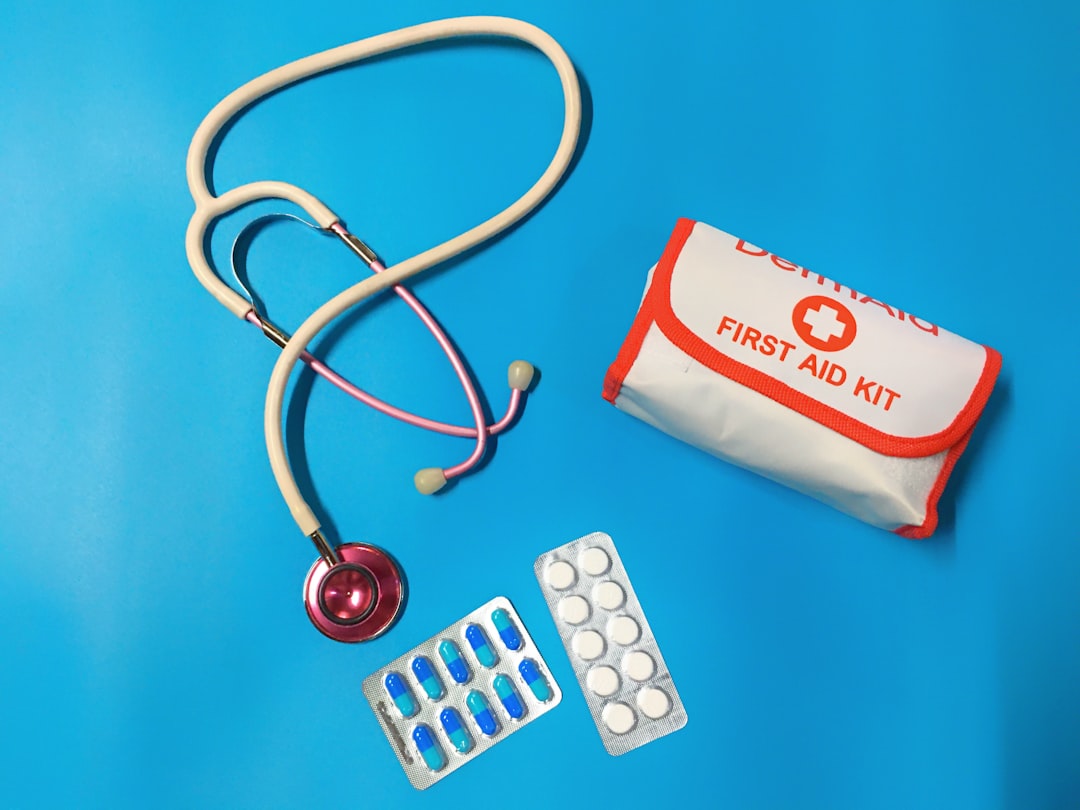
First aid for cats has one purpose: to keep the animal alive and stable on the way to a vet. It is not treatment, and treating it as treatment is where people cause harm.
Everything below assumes you are also arranging veterinary care. Call ahead where you can — a clinic expecting you is faster than one that is not.
Handle an injured cat safely first
An injured cat may bite or scratch even if it never has. That is pain, not temperament, and cat bites carry serious infection risk for people.
- Approach slowly, speak quietly, avoid looming over the cat.
- Wrap the cat in a towel, leaving only the injured area exposed.
- Support the whole body when lifting.
- If a spinal injury is possible, slide the cat onto a rigid flat surface rather than lifting.
- Do not attempt to muzzle a cat — cats need to breathe through the mouth when distressed.
- Get someone to help if you can.
If you are bitten, wash thoroughly and see a doctor. Cat bites become infected readily and frequently need antibiotics.
What to keep in a kit
| Item | For |
|---|---|
| Sterile gauze pads and roll bandage | Bleeding, wound covering |
| Self-adhesive bandage (non-stick) | Securing dressings |
| Blunt-ended scissors | Cutting bandage safely |
| Clean towels | Restraint, warmth, pressure |
| Disposable gloves | Hygiene, and for ringworm suspicion |
| Saline solution | Flushing eyes and wounds |
| Digital thermometer | Only if you know how to use it |
| Tick removal tool | Safe tick removal |
| Your vet and emergency clinic numbers | Written, not only in a phone |
| Carrier, accessible | Transport |
The American Veterinary Medical Association publishes general pet first aid guidance worth reading before you need it.
Bleeding
Apply firm direct pressure with gauze or a clean cloth and hold it. Do not lift to check every few seconds — that disrupts clotting.
If blood soaks through, add more material on top rather than removing what is there. Elevate the area if practical, and go to a vet.
Do not use a tourniquet. They cause tissue damage and are almost never appropriate outside a professional setting.
Suspected poisoning
This is where the wrong intervention does the most harm.
- Do not induce vomiting unless a vet explicitly tells you to. With corrosives and petroleum products it causes far worse injury on the way back up.
- Remove the cat from the source and any remaining substance from its mouth.
- Identify what it was — take the packaging or a photograph.
- Call a vet or an animal poison line immediately.
- Note the time and approximate quantity.
- If it is on the coat, prevent grooming — wrap the cat if necessary.
Lilies, antifreeze, human painkillers, permethrin dog flea products and rodenticides account for a large share of feline poisonings.
Our guides to cat-safe and toxic plants and fleas and ticks in cats cover the two most common household sources.
Heat stress
A serious risk here for much of the year, and one where rapid intervention matters.
Move the cat to shade or air conditioning, wet the paws, ears and belly with cool — not ice-cold — water, and offer small amounts of water to drink.
Do not submerge the cat or use ice water. Rapid cooling causes shock. Panting or open-mouth breathing in a cat is an emergency regardless of cause.
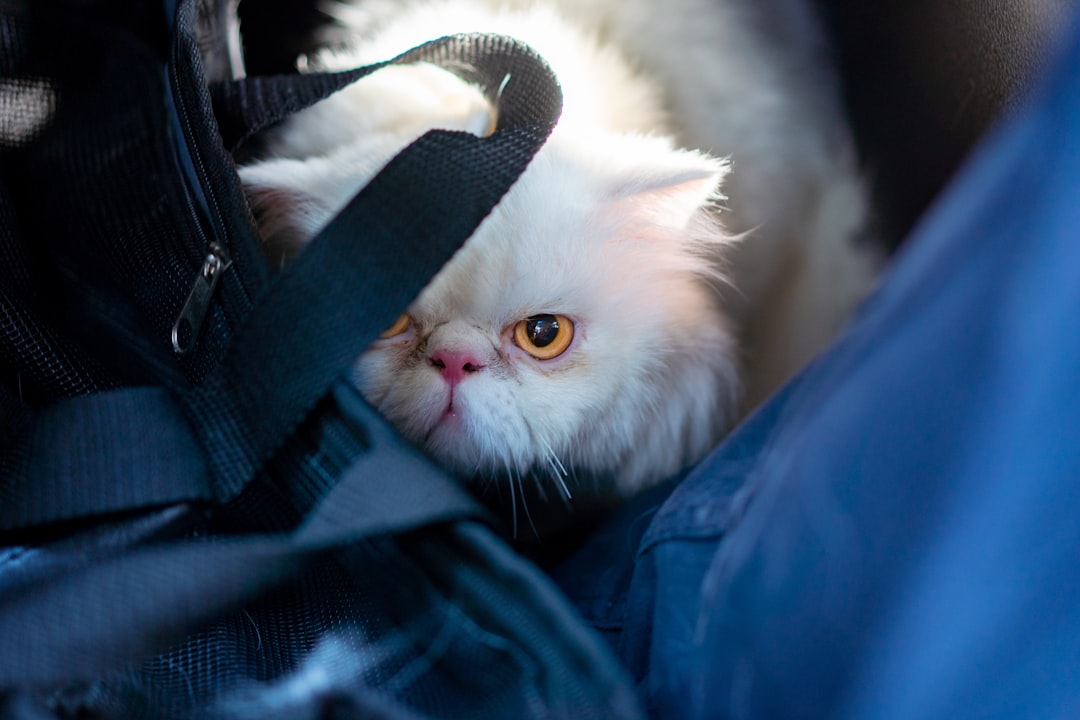
Our guide to keeping cats safe through Central Valley summers covers recognising heat stress early.
Burns
Cool the area with cool running water for ten to fifteen minutes, then cover loosely with a clean non-stick dressing.
Do not apply butter, oil, cream or ointment. Do not use ice. Chemical burns need the substance flushed away with copious water while preventing the cat from grooming it.
Choking and collapse
Genuine choking is less common in cats than owners fear, and mistaking laboured breathing for choking wastes critical time.
If the cat is conscious and breathing, do not put fingers into its mouth blindly — you risk pushing an object further or being badly bitten.
For collapse, keep the airway straight, keep the cat warm, and transport immediately. CPR on animals is rarely effective without training and should not delay transport.

Things that cause harm
- Human painkillers. Paracetamol and ibuprofen are toxic; paracetamol is frequently fatal.
- Inducing vomiting without veterinary instruction.
- Hydrogen peroxide by mouth, which causes serious gastric injury in cats.
- Tourniquets.
- Human antiseptic creams and eye drops, which get licked off or worsen ulcers.
- Milk for poisoning, which does nothing useful.
- Waiting to see if it improves for anything on the emergency list.
Almost every genuinely harmful first aid action comes from applying human or dog advice to a cat. Cats metabolise many substances differently, and the margin for error is small.
Know the emergency signs
First aid is worth nothing if the trip is delayed. These need a vet immediately, not observation.
Straining without producing urine, laboured or open-mouth breathing, collapse, seizures, uncontrolled bleeding, suspected poisoning, trauma, or not eating for 24 hours.

Our guide to emergency vet care for cats in Fresno covers where to go out of hours and what each sign suggests.
Finally: put the emergency clinic number in your phone and on paper today, and keep a carrier where you can reach it. Preparation is most of first aid.
Practise before you need it
First aid fails under pressure when nobody has ever done it calmly.
- Practise the towel wrap on a relaxed cat so it is familiar to both of you.
- Load the cat into the carrier occasionally so it is not a crisis skill.
- Check the kit twice a year and replace anything expired.
- Keep the emergency clinic number written down, not only in a phone.
- Know the route and roughly how long it takes.
Our carrier training guide covers the part that most often goes wrong at the worst moment.
Frequently Asked Questions
What is the first thing to do with an injured cat?
Handle it safely. Wrap the cat in a towel leaving only the injured area exposed, support the whole body when lifting, and never muzzle a cat. An injured cat may bite even if it never has.
Should I make my cat vomit if it eats something toxic?
Not unless a vet explicitly tells you to. With corrosives and petroleum products, inducing vomiting causes far worse injury on the way back up. Never use hydrogen peroxide in cats.
How do I stop a cat bleeding?
Firm direct pressure with gauze or a clean cloth, held continuously rather than lifted to check. If blood soaks through, add more on top. Never use a tourniquet, and get to a vet.
What should be in a cat first aid kit?
Sterile gauze, non-stick bandage, blunt scissors, clean towels, gloves, saline, a tick removal tool, an accessible carrier, and your vet and emergency clinic numbers written on paper.
Can I give my cat human painkillers in an emergency?
Never. Paracetamol and ibuprofen are toxic to cats and paracetamol is frequently fatal. Most harmful first aid comes from applying human or dog advice to cats, which metabolise differently.
How do I cool an overheated cat?
Move it to shade or air conditioning and wet the paws, ears and belly with cool — not ice-cold — water. Never submerge the cat or use ice, as rapid cooling causes shock.