
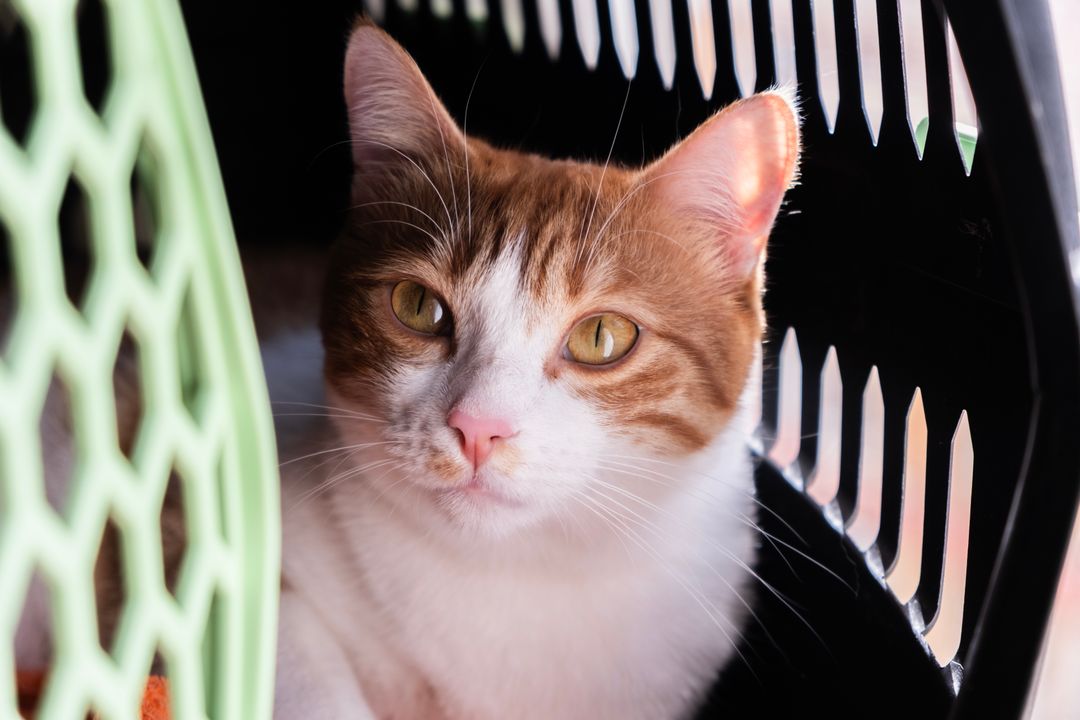
The carrier is the reason many cats do not get routine veterinary care. Owners dread the fight, postpone the appointment, and problems get caught late.
It is one of the most fixable problems in cat ownership, and the fix costs nothing but a few weeks of leaving a box on the floor.
Why cats hate the carrier
There is nothing inherently frightening about a plastic box. The problem is what it predicts.
For most cats the carrier appears once or twice a year and is immediately followed by a car journey and a stranger handling them. The association is learned quickly and reliably.
Breaking it means changing what the carrier predicts — which is why the entire technique is simply making it ordinary.

Choosing the right carrier
| Type | Removing a reluctant cat | Vet-friendly | Verdict |
|---|---|---|---|
| Hard-sided, top-opening | Lift straight out | Excellent | Best choice |
| Hard-sided, top and front, detachable lid | Examine in the base | Excellent | Ideal |
| Hard-sided, front-opening only | Must be pulled out | Poor | Avoid |
| Soft fabric | Awkward, unstable | Moderate | Acceptable for calm cats |
| Cardboard | Unsafe, can be escaped | Poor | Emergency only |
A carrier whose top half unclips is the single best investment. A frightened cat can be examined sitting in the base rather than dragged out, which removes most of the struggle at the clinic.
Cat Friendly Homes, run by the American Association of Feline Practitioners, publishes guidance on low-stress handling and transport.
The training, step by step
This takes two to four weeks of almost no effort. The only hard part is patience.
- Leave it out permanently. Not in a cupboard — in the room the cat uses most, door removed or tied open.
- Make it comfortable. Put familiar-smelling bedding inside.
- Feed near it. Place meals beside the carrier for several days.
- Feed inside it. Move the bowl just inside, then progressively further back.
- Scatter treats inside at random times so the cat finds them independently.
- Close the door briefly — a few seconds, then open it, with no fuss.
- Extend gradually to a minute, then a few minutes.
- Practise short car trips that end back at home rather than at the vet.
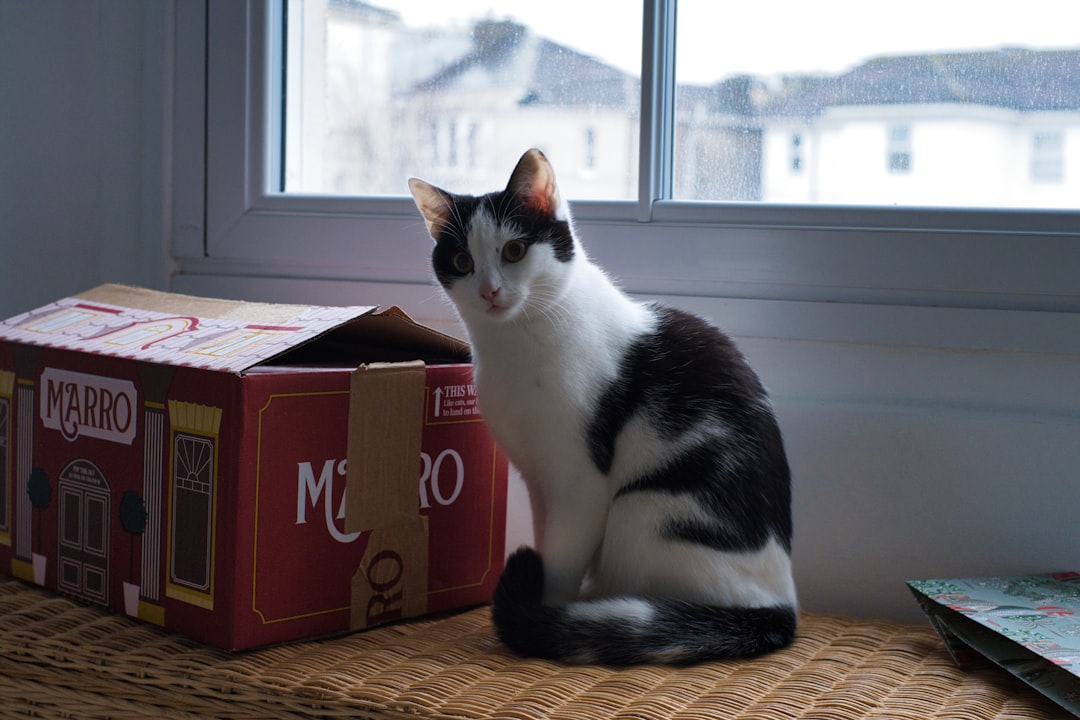
That last step is the one people skip, and it is what stops the car itself becoming the new trigger. Two or three trips around the block that end at home change the association entirely.
Getting a reluctant cat in today
Sometimes there is an appointment in an hour and no training has happened. These help.
- Stand the carrier on its end, door upward, and lower the cat in rear-first.
- Wrap the cat gently in a towel first, which prevents bracing with the legs.
- Prepare everything in advance and close doors so there is nowhere to bolt.
- Move calmly — chasing a cat around the house guarantees failure.
- Never grab a cat from a hiding place if you can avoid it.
Lowering rear-first into an upended carrier is the technique that works when nothing else does. Cats brace forwards, not downwards.
The journey
Transport stress is separate from carrier stress, and it has its own fixes.
- Cover the carrier with a towel — darkness calms most cats considerably.
- Secure it with a seatbelt on the footwell or a flat seat.
- Drive smoothly; cornering and braking are what most cats object to.
- Keep music and conversation low.
- Never leave a cat in a parked car, particularly in Central Valley heat.
A synthetic feline pheromone spray on the bedding, applied ten minutes before travel, helps some cats. It is not universal but it is inexpensive to test.
At the clinic
Keep the cat in the covered carrier in the waiting room, ideally on a chair or shelf rather than the floor where dogs are at eye level.
Ask whether the practice has a cat-only waiting area or a quieter appointment time. Many do and most do not advertise it.
At examination, ask the vet to work with the carrier base rather than pulling the cat out. Most will if the carrier allows it.
Multi-cat households
Use one carrier per cat. Two frightened cats in one carrier redirect their stress onto each other, and cats have returned home hostile to a companion they had lived with peacefully for years.
| Situation | Approach |
|---|---|
| Two cats, one appointment | Two carriers, always |
| Cat returning from the vet | Reintroduce gradually if others react badly |
| One cat panics, other is calm | Transport separately, out of sight |
| Bonded pair, short trip | Separate carriers side by side is fine |
| Cat hissing at housemate on return | Swap bedding, separate briefly, reintroduce |

The returning-cat problem catches people out. A cat that smells of the clinic can be treated as an intruder by its own housemate for a day or two. Our guide to introducing a cat to resident pets covers the scent-swapping approach that resolves it.
Why this is worth the effort
Carrier avoidance is a genuine driver of poor feline healthcare. Cats see the vet far less often than dogs, and difficulty transporting them is one of the main reasons.
Cats also hide illness instinctively, so problems are frequently well established before anything is visible — which makes routine visits more important, not less.
Our guide to how often a cat should see the vet covers recommended frequency by life stage, and emergency vet care for cats in Fresno covers the situations where you need the carrier ready immediately.
Emergencies and evacuation
There is a second reason carrier training matters, and it has nothing to do with vet visits.
In a fire, flood or wildfire evacuation, the cats that get out are the ones that can be contained quickly. A cat that hides from the carrier is a cat you may not be able to take with you.
- Keep one carrier per cat, accessible — not in a loft or garage.
- Keep a spare towel and a lead or harness with the carriers.
- Note the microchip numbers somewhere you can reach away from home.
- Keep a few days of food and any medication in a grab bag.
- Practise loading all cats quickly, occasionally.
Central Valley households face genuine wildfire and heat-event risk, which makes this more than theoretical. Our guide to cat microchipping and why registration matters covers the identification side.
Frequently Asked Questions
Why does my cat hate its carrier?
Because of what it predicts, not the box itself. For most cats the carrier appears once a year and is followed by a car journey and handling by strangers. The association is learned quickly.
What is the best type of cat carrier?
Hard-sided with a top opening, ideally with a detachable upper half. That lets a vet examine a frightened cat sitting in the base rather than pulling it out, which removes most of the struggle.
How long does carrier training take?
Two to four weeks of very little effort. Leave the carrier out permanently with familiar bedding, feed near then inside it, then close the door briefly and build up gradually.
How do I get a cat into a carrier when it will not go?
Stand the carrier on its end with the door upward and lower the cat in rear-first. Cats brace forwards, not downwards. Wrapping the cat in a towel first also prevents bracing.
Can two cats share one carrier?
No. Two frightened cats redirect stress onto each other, and cats have returned home hostile to a companion they had lived with peacefully. Use one carrier per cat, always.
Why is my cat hostile to its housemate after a vet visit?
Because it smells of the clinic and is briefly treated as an intruder. Swap bedding between them, separate them briefly, and reintroduce gradually. It usually resolves within a day or two.