
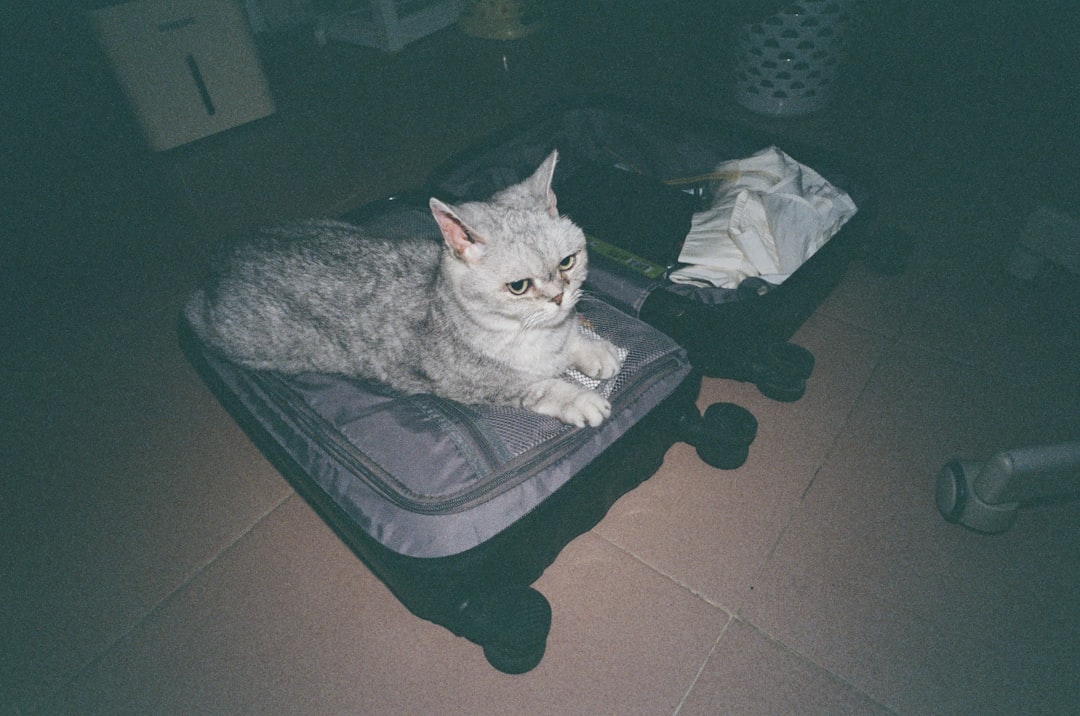
Cats are territorial in a way dogs are not, and that single fact drives most of the decision about what to do when you travel.
For the majority of cats, staying at home with someone visiting is less stressful than going anywhere. But not for all cats, and not in all circumstances.
The options compared
| Option | Stress level | Cost | Best for |
|---|---|---|---|
| Professional sitter, home visits | Low | Moderate | Most cats, most trips |
| Live-in house sitter | Lowest | Higher | Anxious cats, longer trips |
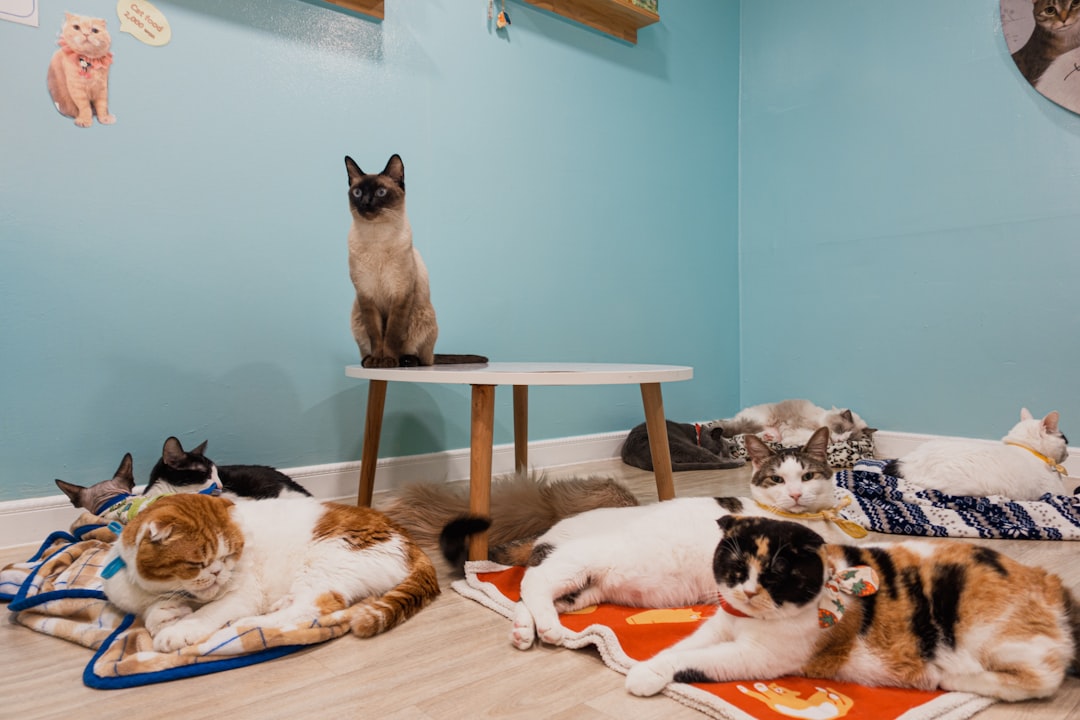
| Boarding cattery | Moderate to high | Moderate | Cats needing supervision, unsafe homes |
| Veterinary boarding | Moderate to high | Higher | Cats with medical needs |
| Friend or neighbour visiting | Low | Free | Short trips, simple needs |
| Taking the cat with you | High | Varies | Rarely the right answer |
Taking a cat on holiday is almost always worse for the cat than leaving it. Cats bond to territory rather than to travel companions.
Why home visits usually win
The cat keeps its territory, its smells, its routine, its litter tray and its hiding places. Nothing changes except who appears twice a day.
For an averagely confident cat, that is dramatically less stressful than a strange building full of unfamiliar cats.
- No transport, which is itself a major stressor.
- No exposure to other cats or their diseases.
- Familiar litter, food and resting places.
- Routine largely preserved.
- Illness noticed in the cat’s normal context.
The trade-off is supervision. A cat alone for twenty-two hours a day is not being watched, and problems can develop between visits.
When boarding is the better choice
There are genuine cases where a cattery is the right answer rather than a compromise.
- Cats needing medication that a sitter cannot reliably give.
- Cats with conditions requiring observation — diabetes, kidney disease, recent illness.
- Long absences where twice-daily visits are not enough contact.
- Homes that cannot be left secure, or building work in progress.
- Cats that reliably escape, where a secure unit is safer.
- No trustworthy sitter available.
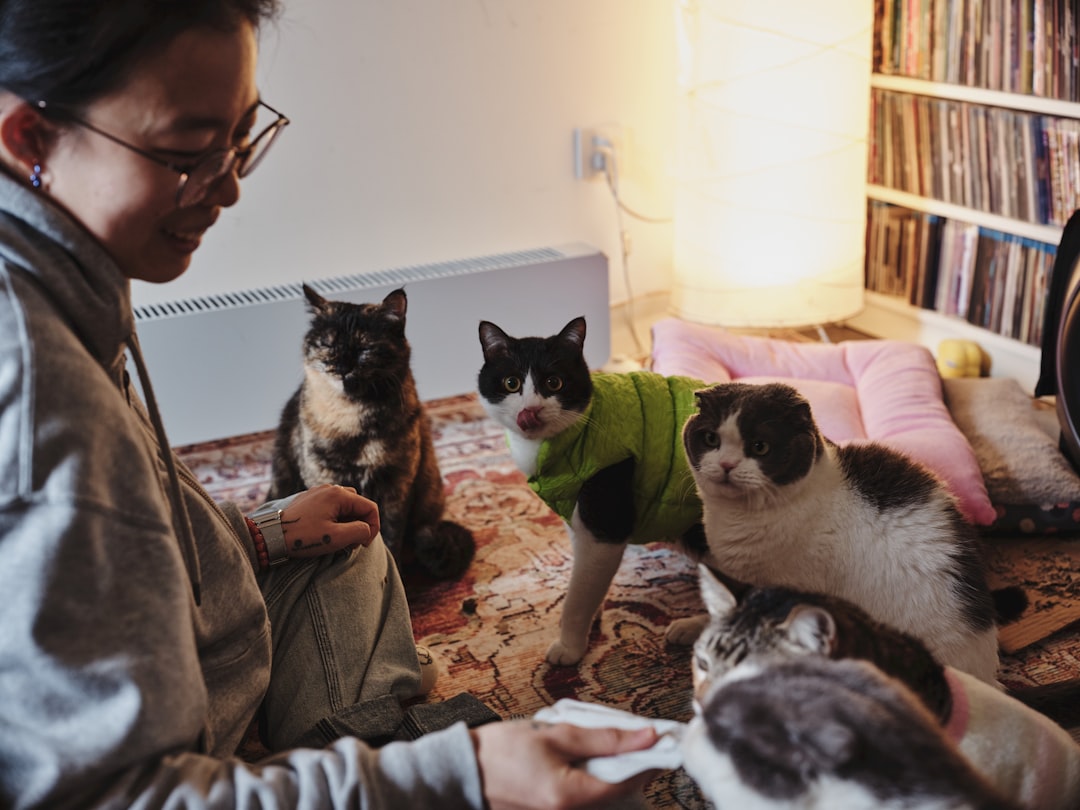
Veterinary boarding is worth asking about specifically for medically complex cats. Our guides to feline diabetes and kidney disease in cats cover the conditions where this matters most.
Choosing a sitter
The gap between a professional sitter and a neighbour doing a favour is mostly about insurance, reliability and what happens when something goes wrong.
- Insured and, where applicable, licensed.
- References you actually contact.
- A written agreement covering visits, duration and emergencies.
- Willing to meet the cat beforehand, in your home.
- Clear about what a visit includes — feeding only, or interaction and litter too.
- A plan for veterinary emergencies, including authority to act.
Pet Sitters International maintains professional standards and a directory worth using as a starting point.
Using a friend or neighbour
Perfectly workable for short trips and simple needs, provided you are specific rather than casual about it.
The commonest failure is vagueness: “just pop in and feed him” produces a cat fed inconsistently, a tray scooped once, and nobody noticing that it has not eaten.

Write it down, walk them through it in person, and be explicit that you want to be contacted if anything seems wrong.
What to leave, whoever is caring
| Item | Detail |
|---|---|
| Written instructions | Feeding amounts, times, medication, quirks |
| Your contact details | Plus a second contact who is not travelling with you |
| Vet details | Practice, phone number, and the emergency clinic |
| Written authority to treat | With a spending limit, agreed in advance |
| Enough food and litter | More than you think; do not change brand |
| Medication, clearly labelled | With written dosing and times |
| Carrier, accessible | So the cat can be taken to a vet if needed |
| Microchip number | In case the cat escapes |
The written authority to treat is the item most often missing and the one that causes real problems. A vet cannot treat on a sitter’s say-so without it, and you may be unreachable.
Our guide to emergency vet care for cats in Fresno covers which symptoms cannot wait — worth printing for whoever is caring.
Checking a cattery
Visit before booking. A good facility expects it; one that discourages visits is telling you something.
- Individual units with no direct contact between cats.
- Vaccination required for all boarders — a facility that does not check is unsafe.
- Clean, dry, warm, well-ventilated, with somewhere to hide in each unit.
- Space to move, and a view of something.
- Staff who handle cats calmly and know their charges.
- A clear policy on illness and veterinary care.

Insist that vaccinations are required. Our cat vaccination schedule guide covers what should be current, and cat flu covers what spreads in group settings.
Reducing stress either way
A few things help regardless of which route you choose.
Keep feeding the same food, keep the routine as close to normal as possible, leave an unwashed t-shirt for scent, and do not change anything else in the house the week before you leave.
If boarding, do a short trial stay first where possible. A single night tells you a great deal.
And prepare the carrier well in advance rather than on the morning. Our carrier training guide covers making that painless, and our guide to separation anxiety in cats covers cats that struggle particularly with absences.
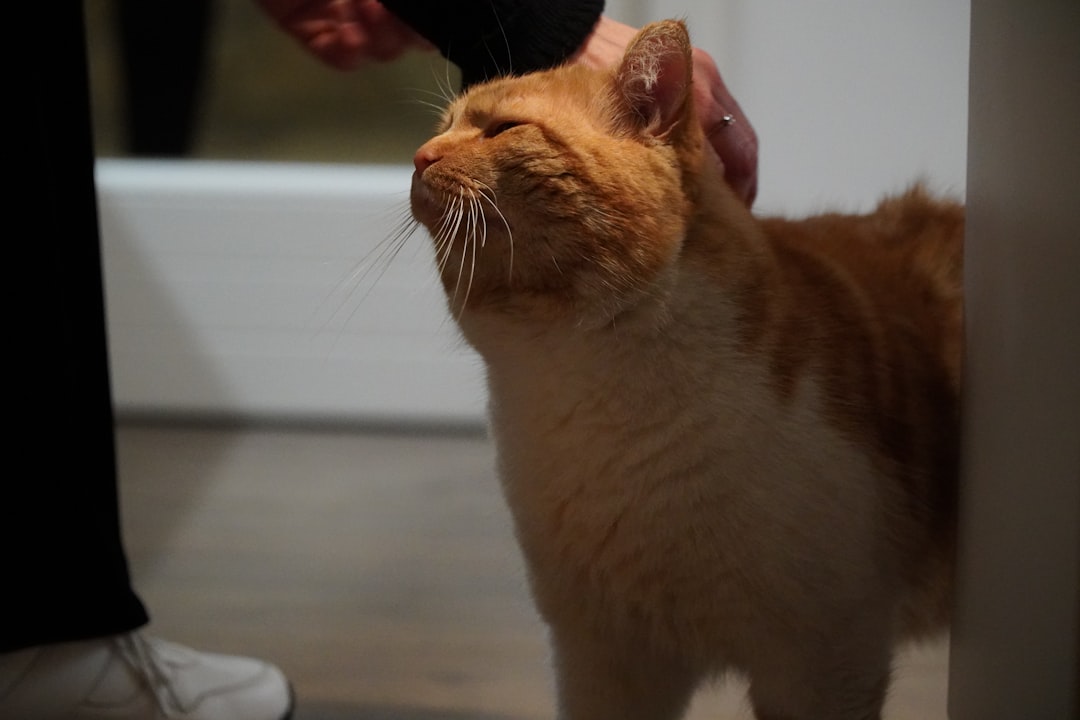
Coming home
Expect a reaction rather than a straightforward reunion, and do not read it as punishment.
Some cats are clingy for a day or two, some ignore you pointedly, and some eat and sleep more than usual. All are normal within about a week.
If a cat has been in a cattery, other cats in the household may react to the unfamiliar smell. Swap bedding between them and give it a day or two rather than forcing contact.
Our guide to conflict between household cats covers that scent-based reaction, which is common and short-lived.
Senior cats travel and adapt less well, which changes the calculation. Our guide to day-to-day senior cat care covers the routines a sitter would need to keep going.
Frequently Asked Questions
Is boarding or a pet sitter better for cats?
For most cats, a sitter visiting at home. Cats bond to territory rather than people, so keeping their own environment, smells and routine is far less stressful than a strange building.
When is a cattery the better option?
When a cat needs medication a sitter cannot reliably give, has a condition needing observation, the absence is long, the home cannot be left secure, or the cat reliably escapes.
Can I just ask a neighbour to feed my cat?
For short trips with simple needs, yes — but be specific rather than casual. Write down feeding amounts and times, walk them through it in person, and ask to be contacted if anything seems wrong.
What is the most commonly forgotten item when leaving a cat?
Written authority for a vet to treat, with an agreed spending limit. Without it a vet cannot act on a sitter’s say-so, and you may be unreachable when it matters.
What should I check when viewing a cattery?
Individual units with no contact between cats, mandatory vaccination for all boarders, clean warm ventilated space with somewhere to hide, calm staff, and a clear illness and veterinary policy.
Should I take my cat on holiday with me?
Rarely. Cats bond to territory rather than to travel companions, so taking a cat away is almost always more stressful for it than leaving it at home with a sitter visiting.