
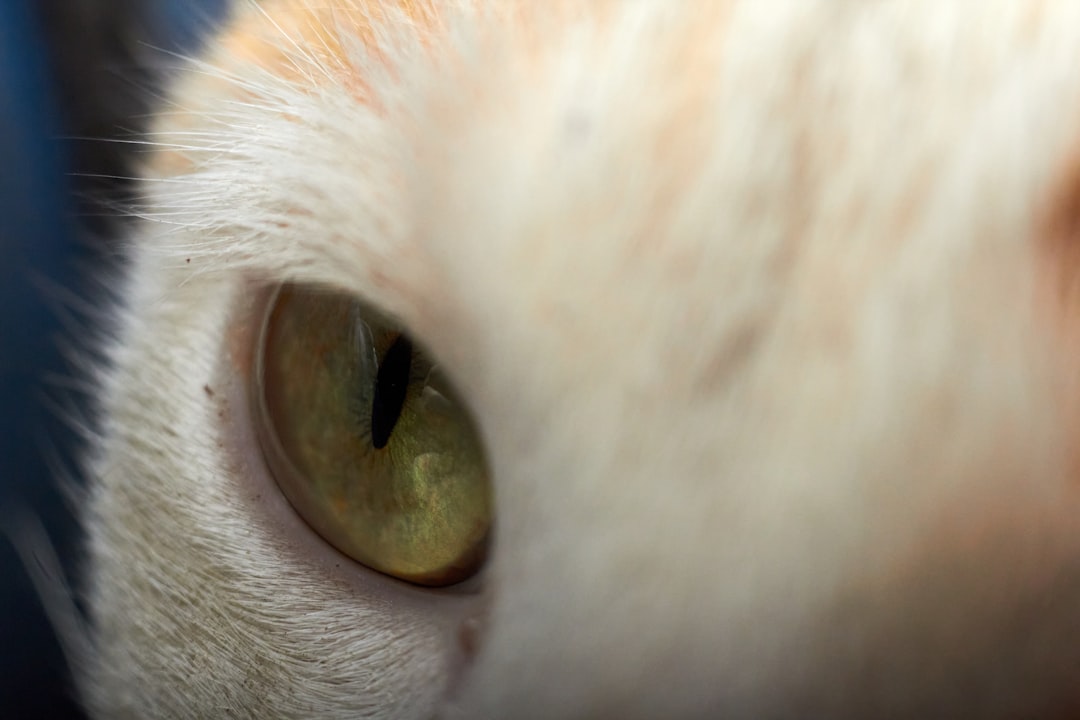
Eye problems in cats range from a bit of discharge that resolves on its own to conditions that threaten sight within a couple of days.
The useful skill is telling those apart, and there is one signal that reliably separates them.
The single most important sign
Squinting means pain, and pain means see a vet promptly.
A cat holding one eye partly or fully closed is not being sleepy or dramatic. Eye pain is severe, and the conditions that cause it — corneal ulceration in particular — can worsen quickly.
- Squinting or holding an eye closed.
- Obvious rubbing or pawing at the eye.
- Cloudiness or a visible film over the surface.
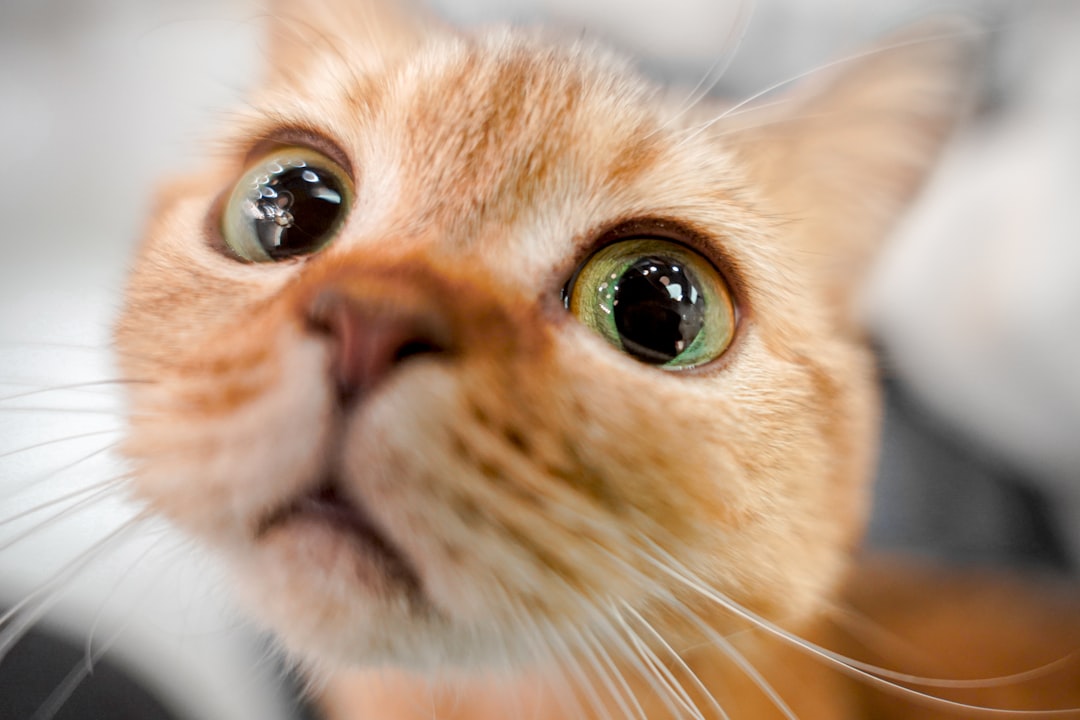
- Sudden change in pupil size, or pupils of different sizes.
- Visible blood in the eye.
- Sudden apparent blindness, or bumping into things.
Any of those warrants a same-day appointment. Our guide to emergency vet care for cats in Fresno covers out-of-hours options.
Sudden blindness is an emergency
This deserves separating out, because owners often assume nothing can be done.
Sudden blindness in a cat is frequently caused by retinal detachment from high blood pressure, which is usually secondary to hyperthyroidism or kidney disease.
Caught quickly, sight is sometimes recoverable when the blood pressure is controlled. Left for a week, it generally is not.
Our guides to hyperthyroidism in cats and kidney disease in cats cover the underlying conditions.
Reading the discharge
| Appearance | Often means | Urgency |
|---|---|---|
| Clear and watery | Irritation, early viral infection, allergy | Monitor a day or two |
| Thick, yellow or green | Secondary bacterial infection | Vet appointment |
| Reddish-brown tear staining | Chronic tear overflow | Non-urgent, worth investigating |
| Crusty, eyelids sealed | Infection, common in kittens | Same day, especially in kittens |
| One eye only | Foreign body, injury, ulcer | Prompt |
| Both eyes, with sneezing | Upper respiratory infection | Vet if not eating or persistent |
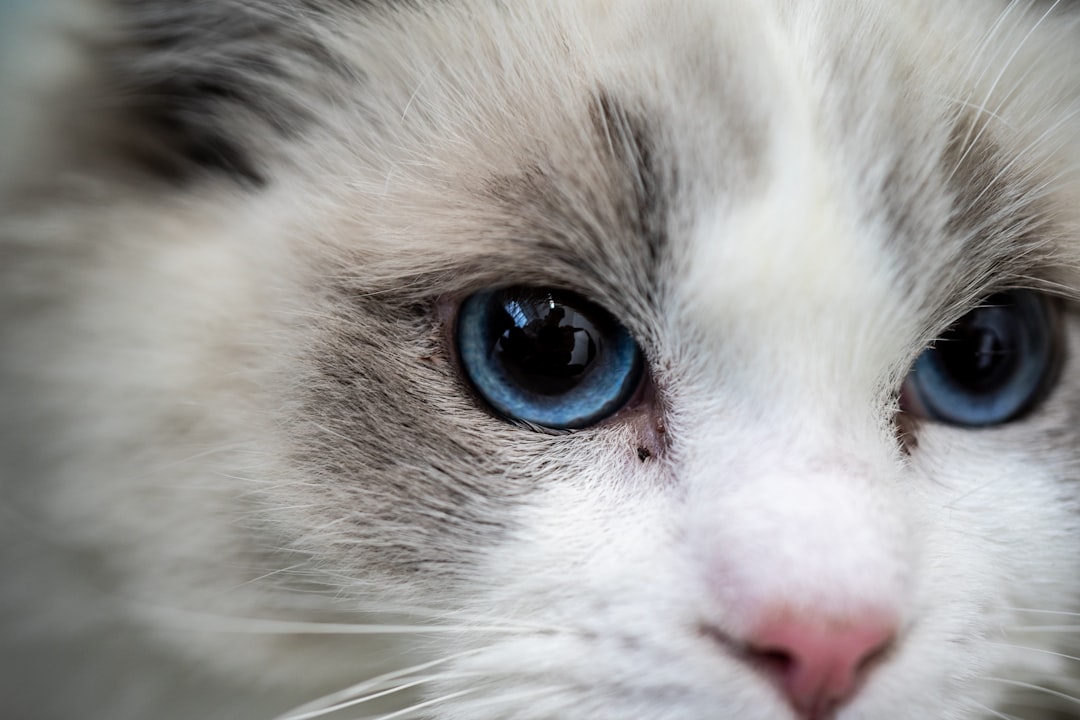
One-sided problems are more likely to be mechanical — a scratch, a grass seed, a foreign body — while both eyes together more often indicates infection or allergy.
Common causes
Upper respiratory infection
The commonest cause of eye discharge in cats, particularly in shelters, kittens and multi-cat homes. Herpesvirus in particular affects the eyes and recurs lifelong under stress.
Our guide to cat flu and upper respiratory infection covers it fully.
Corneal ulcers
Damage to the surface of the eye, from a scratch, a foreign body or herpesvirus. Painful, and the main reason squinting must be taken seriously.
Conjunctivitis
Inflammation of the tissue around the eye, from infection, allergy or irritation. Common and usually treatable, but the cause determines the treatment.
Injury and foreign bodies
Grass seeds, dust and cat scratches from a fight. Outdoor cats and cats in multi-cat conflict are over-represented.
Our guide to conflict between household cats covers the fighting side.
The mistake that causes real harm
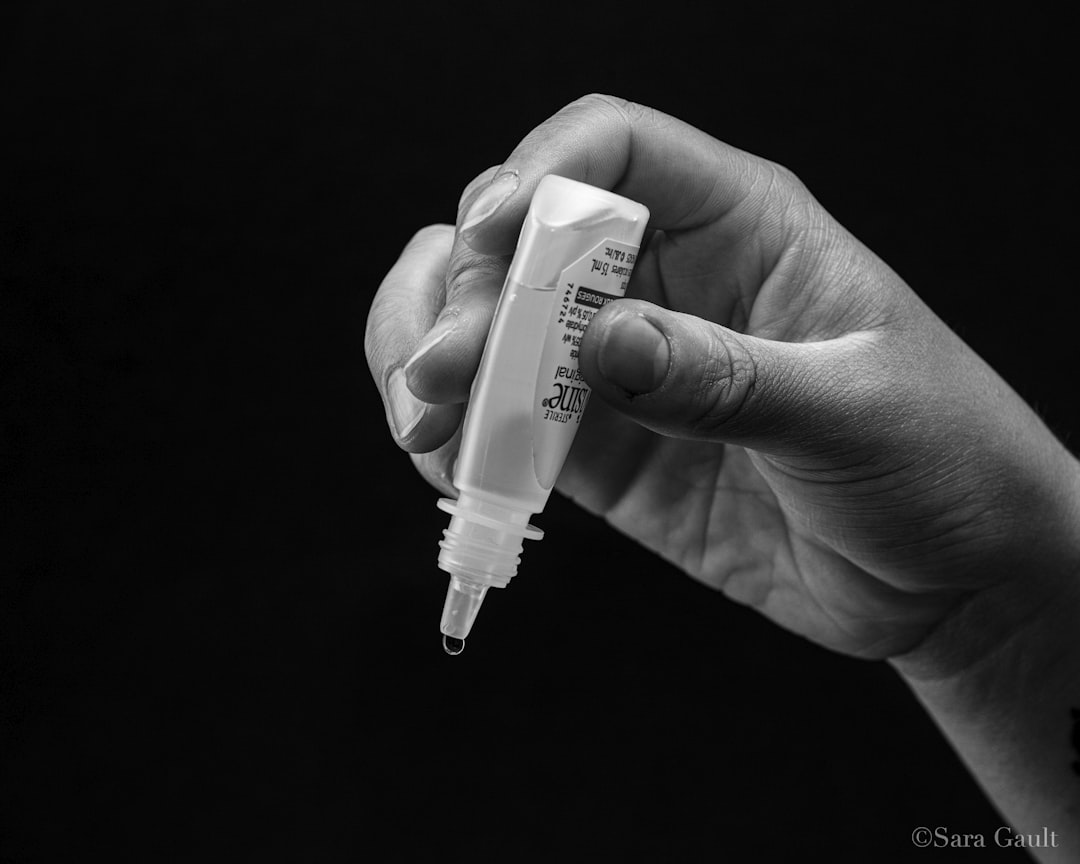
Do not use leftover eye drops — from another pet, a previous episode, or a person.
Many eye preparations contain steroids. Applied to an ulcerated cornea, steroids can worsen the ulcer significantly and in some cases lead to loss of the eye.
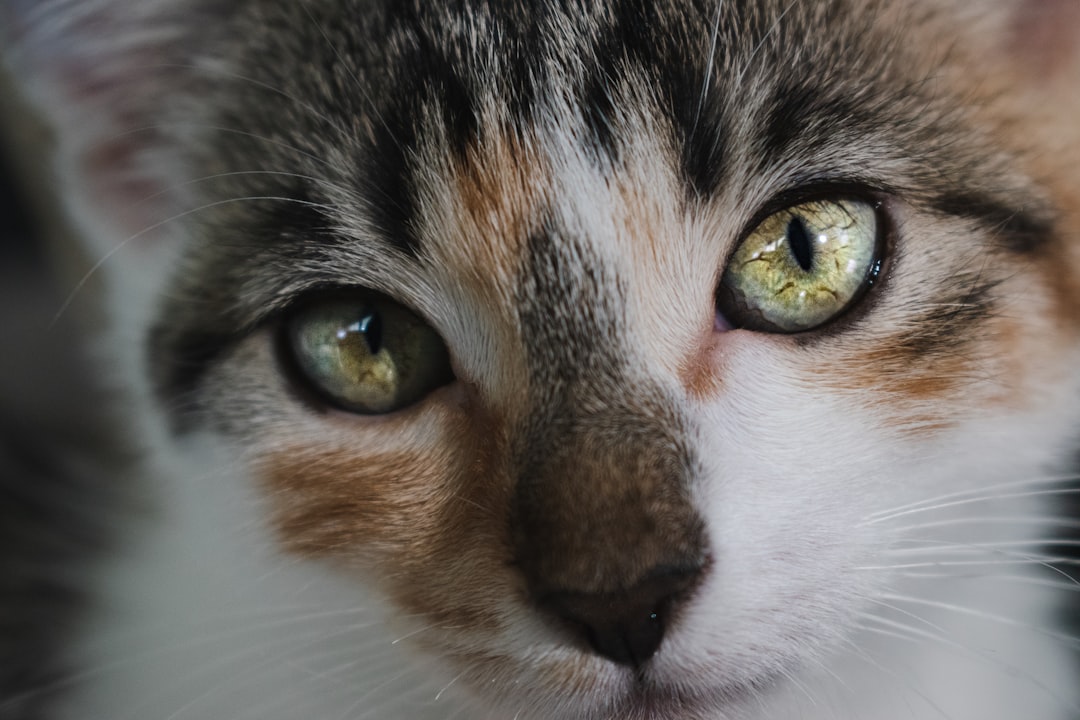
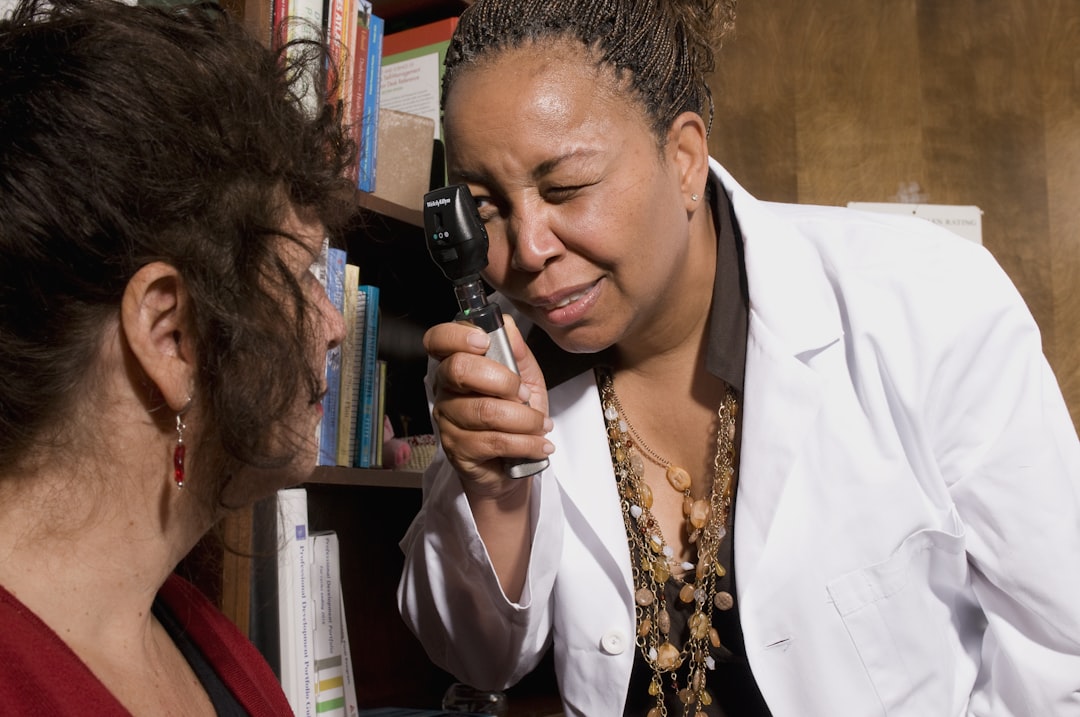
A vet will typically stain the eye to check for an ulcer before choosing a treatment, precisely because the correct medication depends on that answer.
Human artificial tears are also not a substitute for treatment. They may soothe briefly and they do not address a cause.
What you can safely do at home
While arranging an appointment, these are reasonable.
- Wipe away discharge gently with cotton wool and cooled boiled water, wiping away from the eye.
- Use a fresh piece of cotton wool for each eye, to avoid transferring infection.
- Keep the cat indoors and away from dust and smoke.
- Prevent rubbing — a soft collar may be needed if the cat is persistent.
- Warm compresses on sealed eyelids in kittens, to soften crusting.
That second point matters in a household with more than one cat. Cross-contamination between eyes and between animals is easy and avoidable.
Kittens need faster escalation
Neonatal kittens can develop infection behind sealed eyelids before the eyes have opened, which can damage the eye permanently if left.
Any kitten with swelling, bulging or discharge from a closed eyelid needs same-day veterinary attention rather than home management.
Our guide to what to do when you find newborn kittens covers early care and when to escalate.
Chronic and recurring cases
Some cats have recurrent eye problems for life, usually herpesvirus-related, and management shifts from cure to control.
That typically means reducing stress, treating flares promptly, and in some cases long-term supportive treatment your vet will discuss.
The American Association of Feline Practitioners publishes life-stage guidance covering routine ocular assessment.
What to bring to the appointment
- When it started and whether it is one or both eyes.
- Whether the cat is squinting, rubbing, or otherwise behaving normally.
- Any sneezing, discharge elsewhere, or appetite change.
- Whether the cat goes outdoors or has been in a fight.
- Photographs, since a cat may not cooperate in the consulting room.
- Any previous eye history or medications used.
Photographs of the eye in good light are genuinely useful, particularly for intermittent squinting that stops the moment you reach the clinic.
Our guide to how often a cat should see the vet covers routine examination, which includes the eyes.
Preventing eye problems
Not everything is preventable, but several common causes are.
- Keep vaccinations current — herpesvirus is the commonest driver of eye disease.
- Reduce household stress, which triggers herpesvirus flares.
- Keep cats indoors, which removes fight injuries and foreign bodies.
- Avoid dusty litter and aerosols near the litter tray.
- Quarantine new arrivals for two weeks.
Our cat vaccination schedule guide covers what protects against the viral causes.
Frequently Asked Questions
When is a cat eye problem urgent?
Squinting, holding an eye closed, rubbing at it, cloudiness, uneven pupils, visible blood, or sudden blindness all need a same-day appointment. Squinting in particular means pain.
Can I use old eye drops on my cat?
No. Many eye preparations contain steroids, which applied to an ulcerated cornea can worsen the ulcer badly and in some cases lead to loss of the eye. Vets stain the eye first for this reason.
What does the colour of eye discharge mean?
Clear and watery suggests irritation or early viral infection; thick yellow or green suggests secondary bacterial infection; crusty sealed eyelids need same-day attention, especially in kittens.
Why has my cat suddenly gone blind?
Often retinal detachment from high blood pressure, usually secondary to hyperthyroidism or kidney disease. Caught quickly, sight is sometimes recoverable — left for a week, generally not.
Can I clean my cat’s eyes at home?
Yes, gently, with cotton wool and cooled boiled water, wiping away from the eye and using a fresh piece for each eye. This is supportive care while you arrange an appointment, not a treatment.
Why does my cat keep getting eye infections?
Usually feline herpesvirus, which stays in the body for life and reactivates under stress. Management focuses on reducing stress and treating flares promptly rather than curing it.